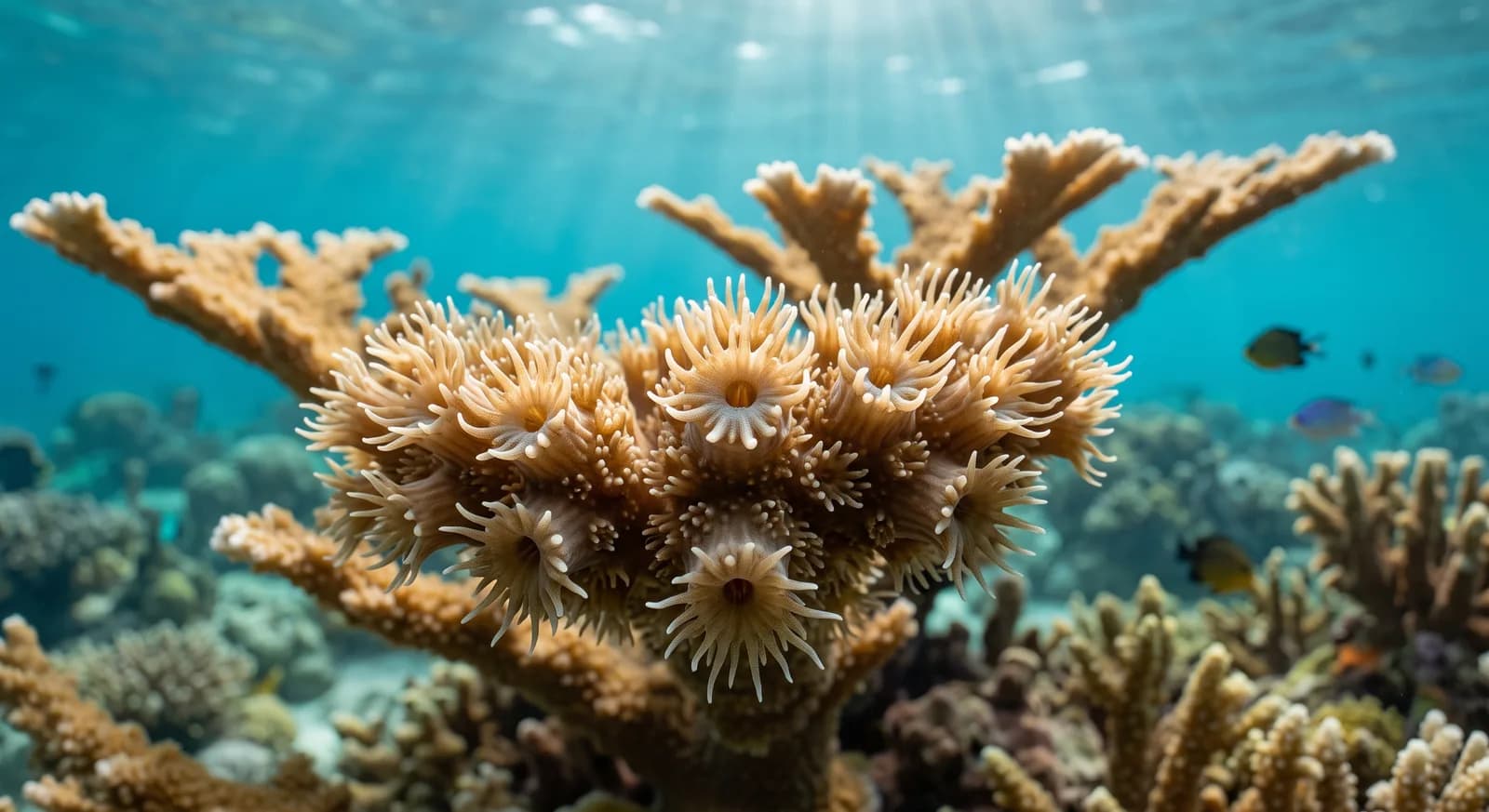
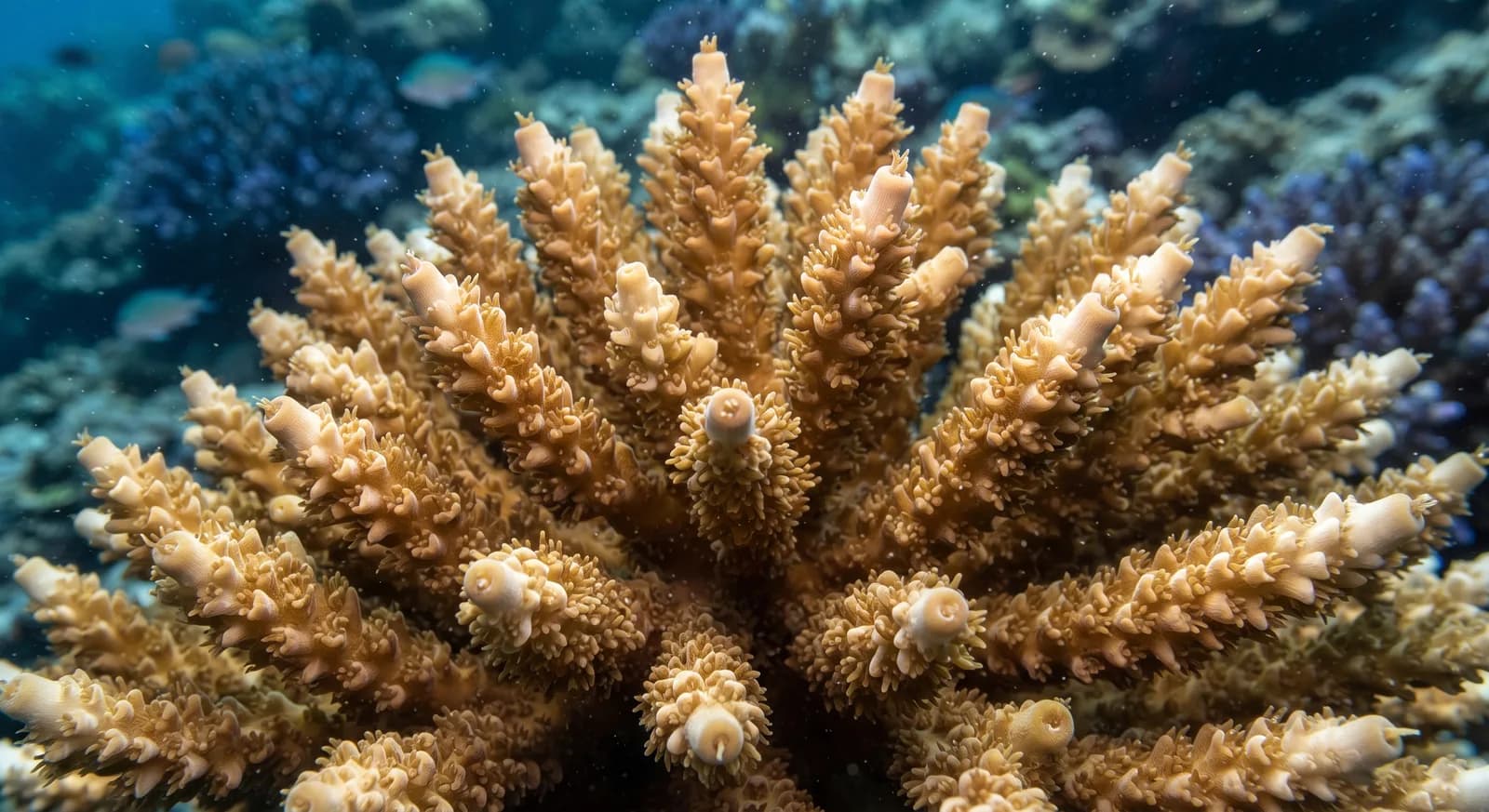
 Critically Endangered
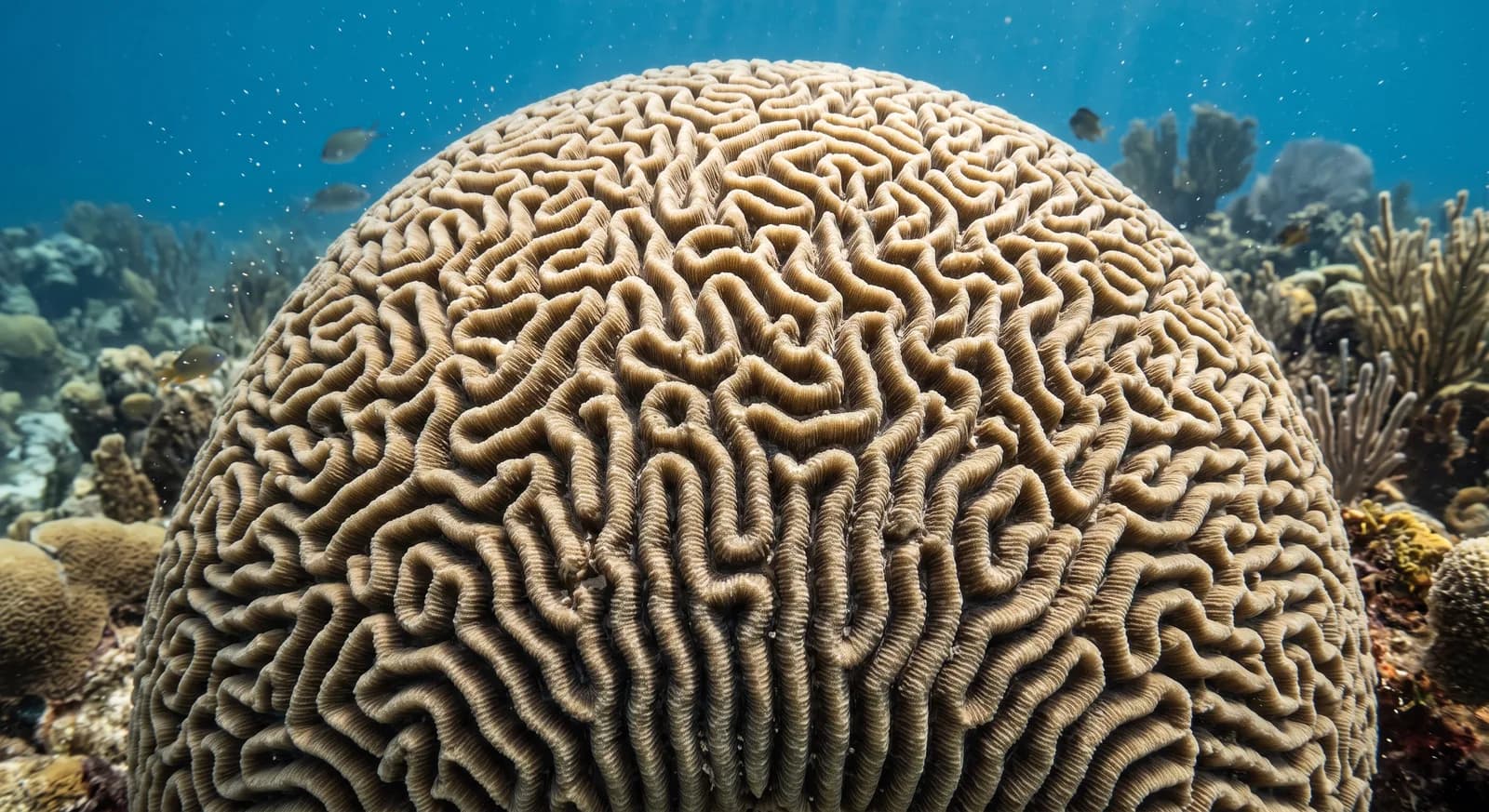
Grooved Brain Coral
Diploria labyrinthiformis
North America
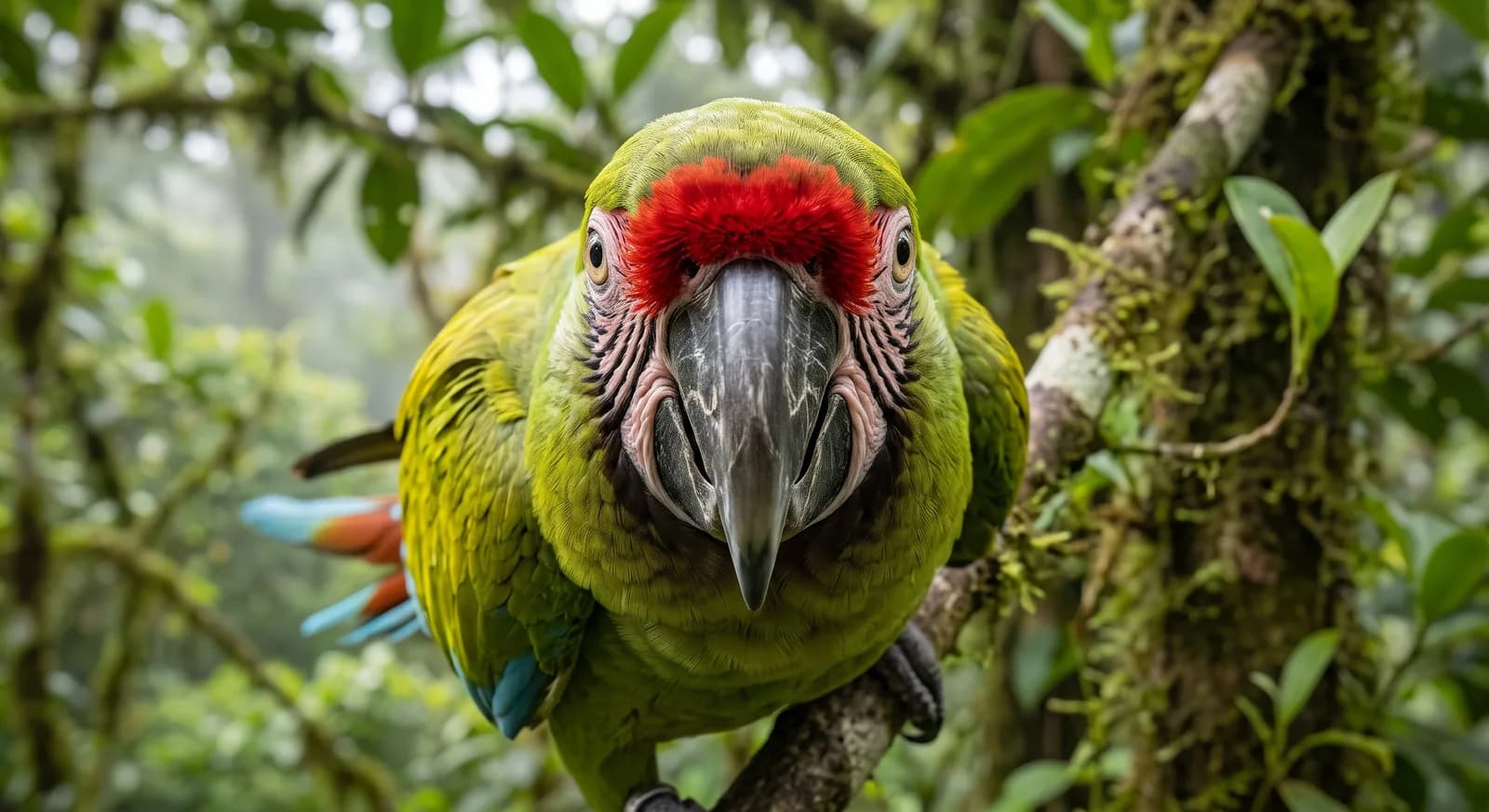
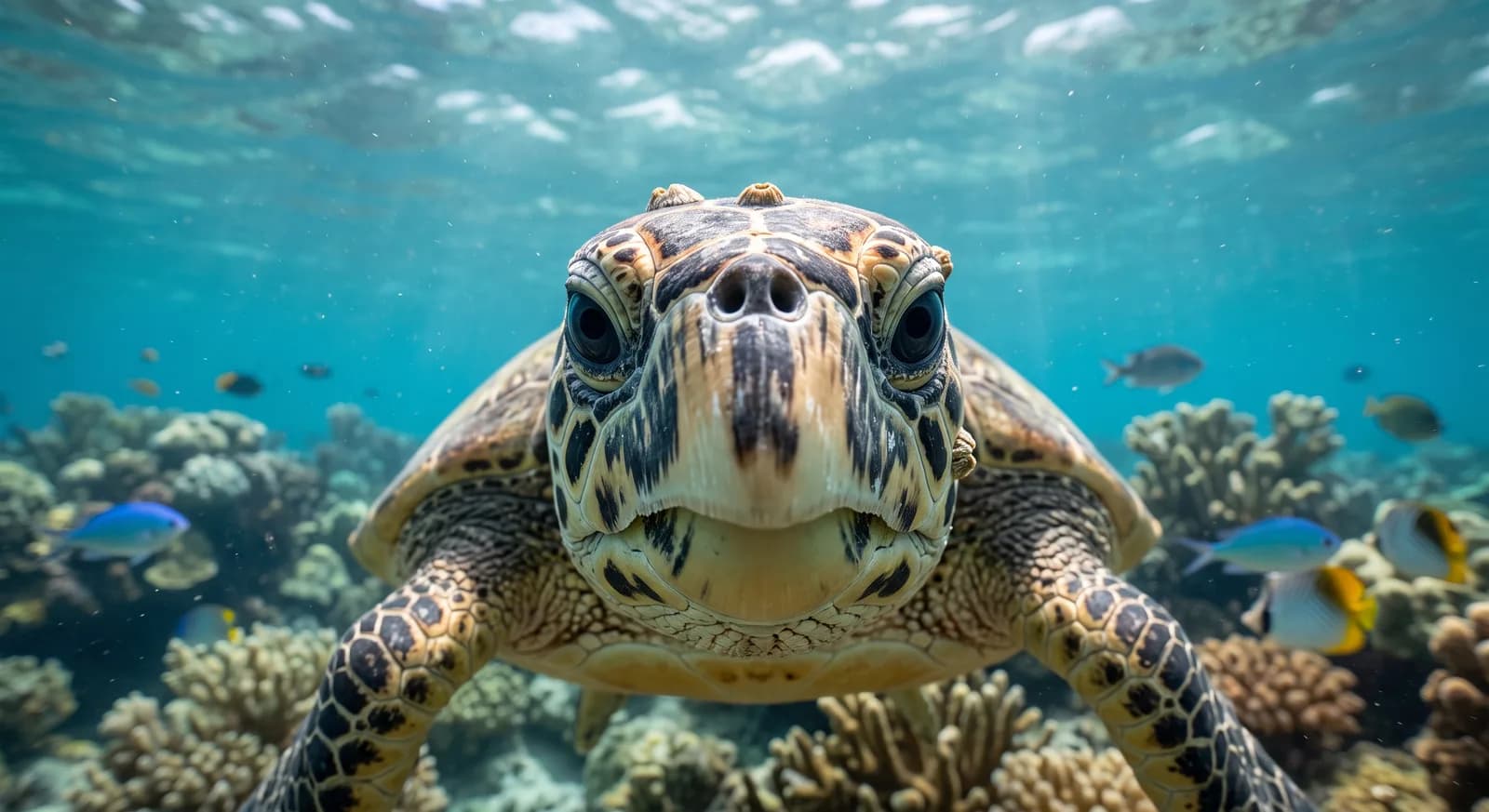
Belize keeps a very high proportion of forest for the region and protects around a third of its territory in land and marine reserves combined. Off its coast runs the longest barrier reef in the western hemisphere, with cayes, atolls and the Great Blue Hole, an underwater sinkhole more than three hundred metres across formed when the sea level was far lower. Inland, the Maya Mountains and the Chiquibul forest hold jaguars, tapirs, pumas and Belize's only scarlet macaw population, while the northern lowlands combine savannahs, lagoons and mangroves. The underground rivers running through the limestone formed caves that the Maya considered entrances to the underworld.
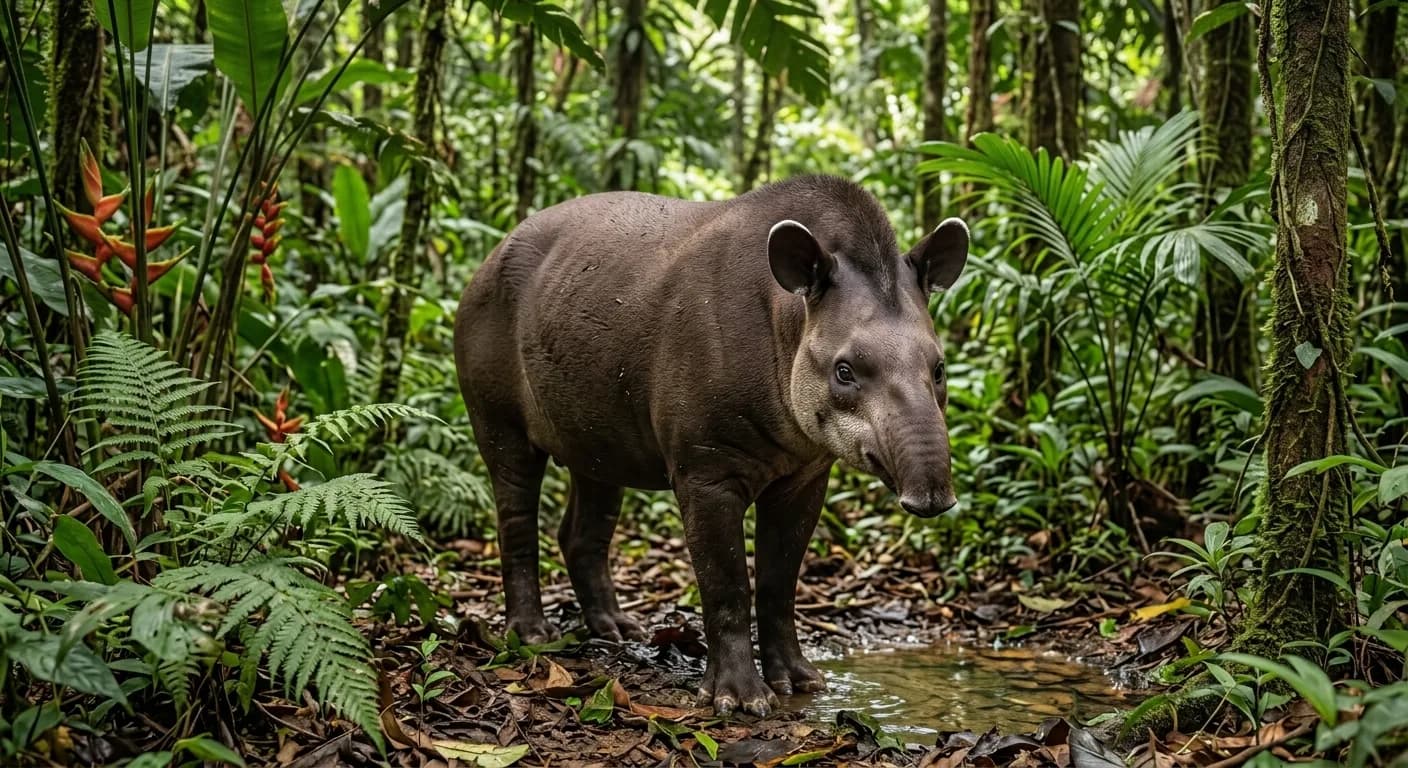
National animal: Baird's tapir is the national animal; the keel-billed toucan is the national bird
In 1986 the Cockscomb basin was declared the first protected area in the world created specifically to conserve the jaguar. The initiative grew out of the fieldwork of a zoologist who spent two years tracking the cats through the Belizean forest, and the model has since been replicated in several countries of the Americas with the aim of keeping a continuous corridor for the species from Mexico to Argentina.
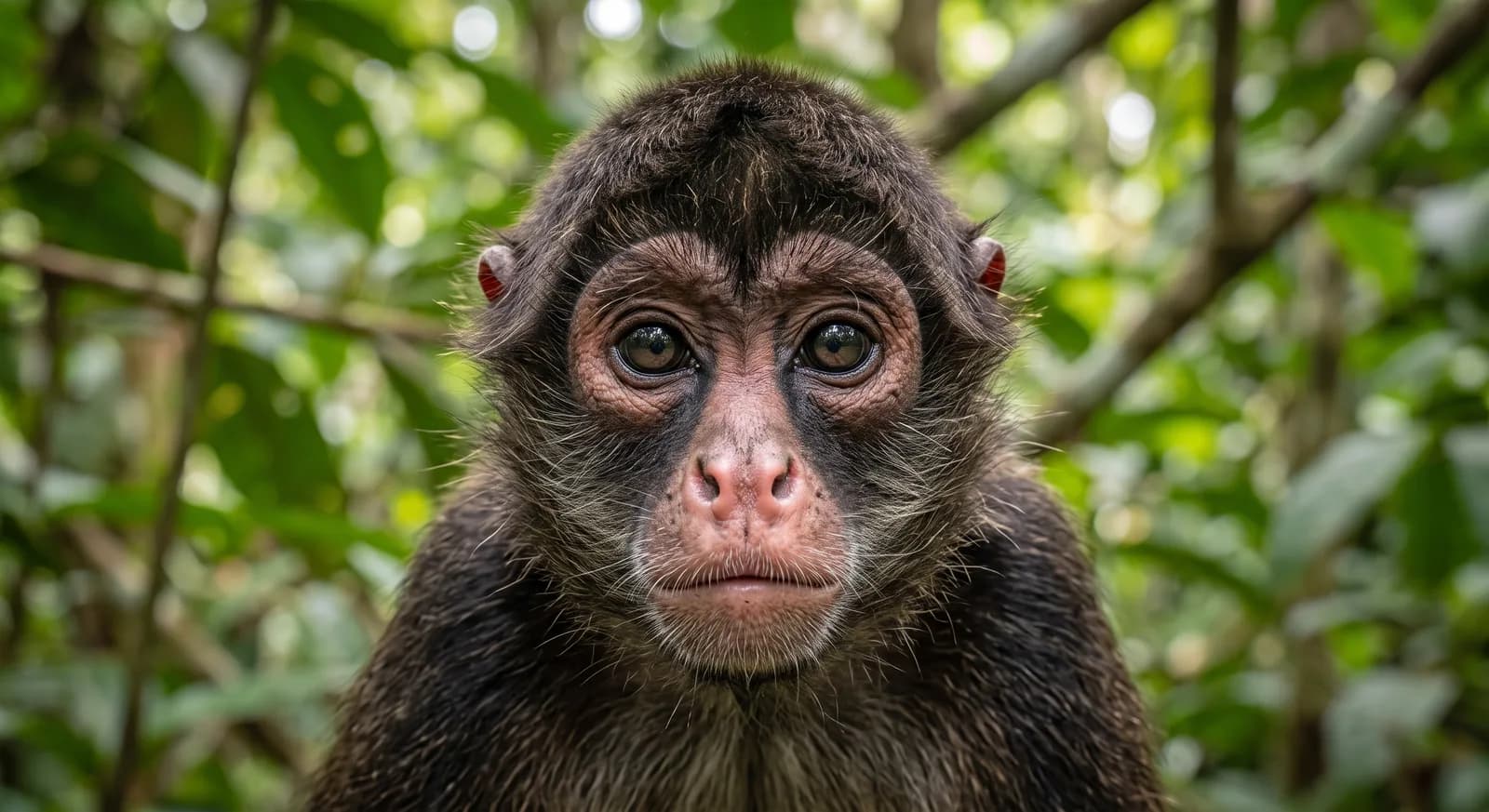
The community howler monkey sanctuary, created by private landowners who agreed to keep strips of forest on their holdings, allowed the species to recover and to be reintroduced elsewhere in the country. The reef came off the List of World Heritage in Danger in 2018 after oil prospecting was banned.
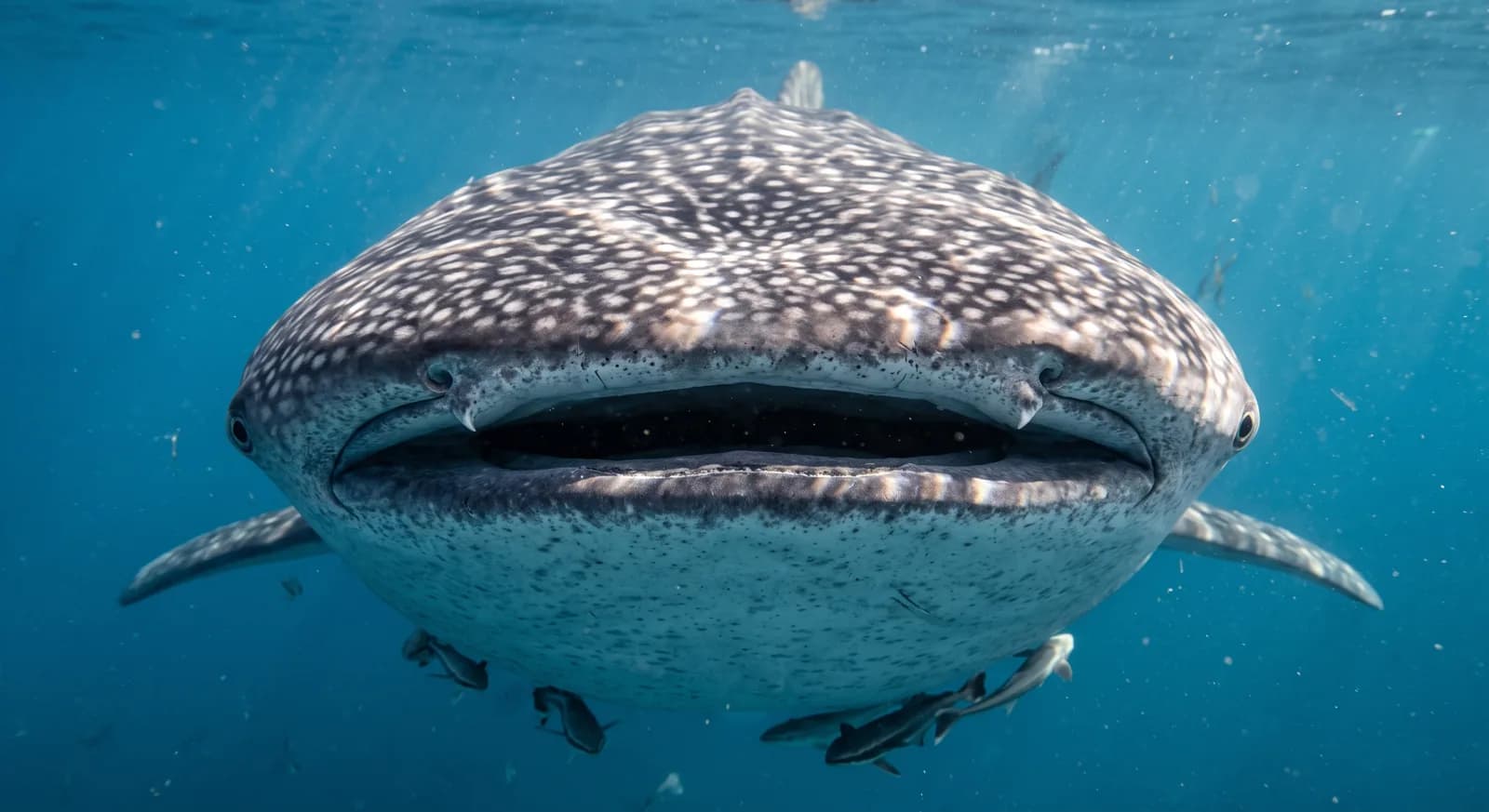
Cockscomb year-round for jaguar tracks and forest birds. Hol Chan and Gladden Spit between March and June for whale sharks. The northern lagoons in the dry season for manatees.
Where else might I want to travel?
Same region: Central America and the Caribbean
Same region: Central America and the Caribbean
Same region: Central America and the Caribbean
Same region: Central America and the Caribbean
227 species found
Based on what we already know about Belize.