 Critically Endangered
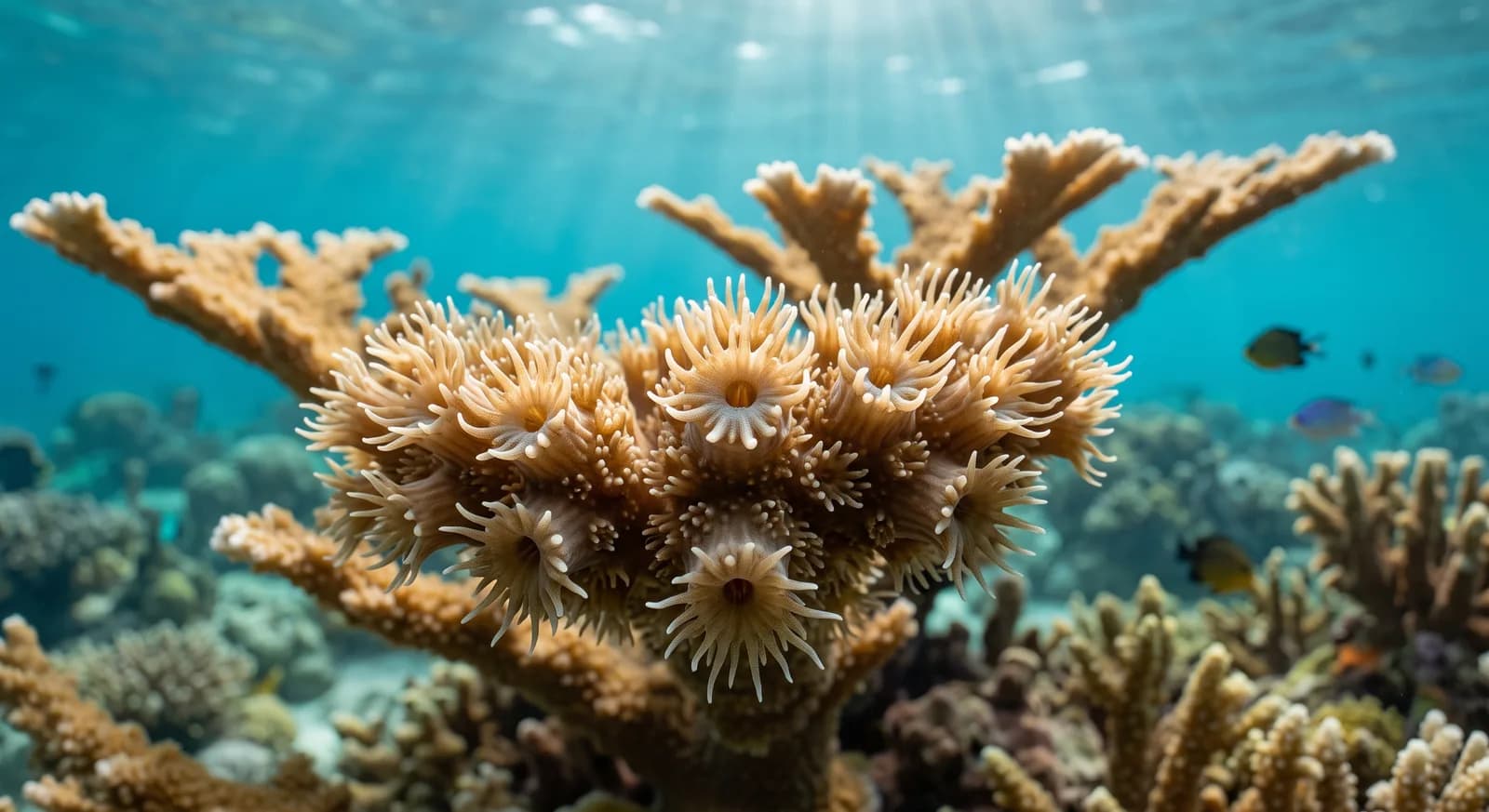
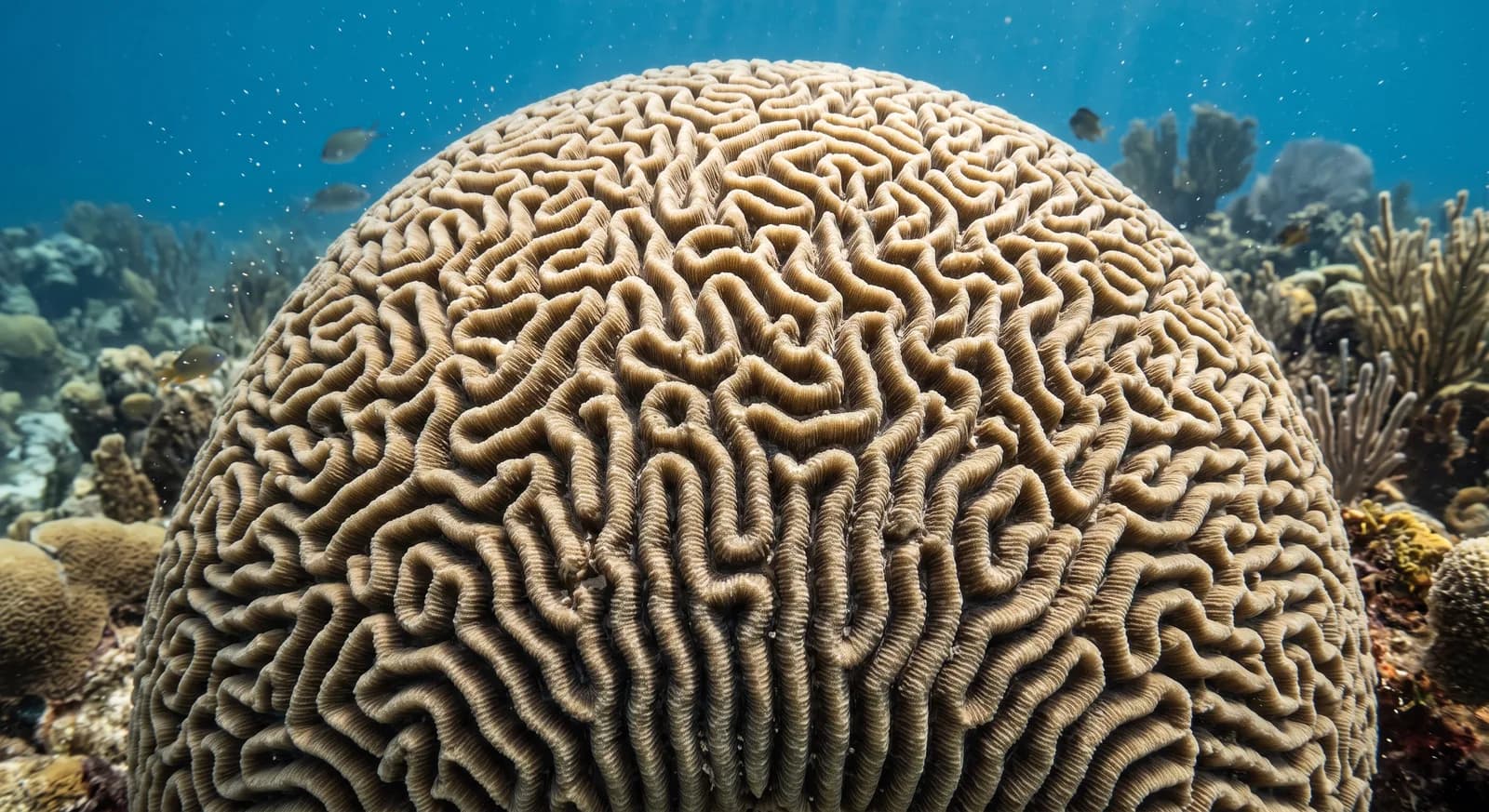
Grooved Brain Coral
Diploria labyrinthiformis
North America
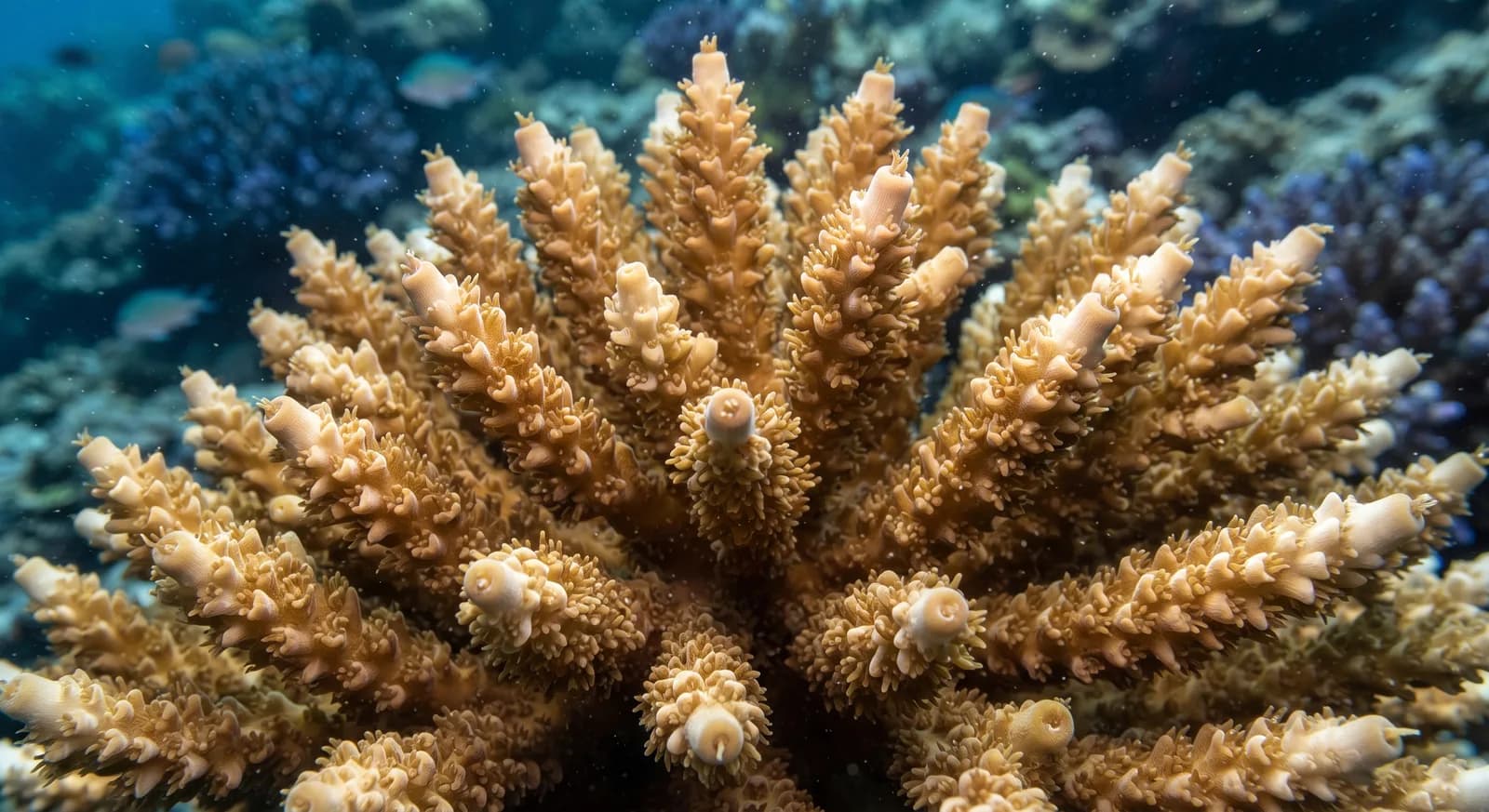
Honduras is a mountainous country with more than half its surface above six hundred metres, covered largely by pine and oak forest and, on the western summits, by cloud forests such as those of Celaque and Cusuco. To the northeast lies La Mosquitia, the largest area of tropical rainforest in Central America north of the Panama Canal, crossed by the Río Plátano and virtually without roads. On the Caribbean coast, the Bay Islands sit on the Mesoamerican reef, with coral walls that drop to great depth very close to land. The wetlands of the Gulf of Fonseca, on the Pacific, and the coastal lagoons of the Caribbean complete the mosaic.
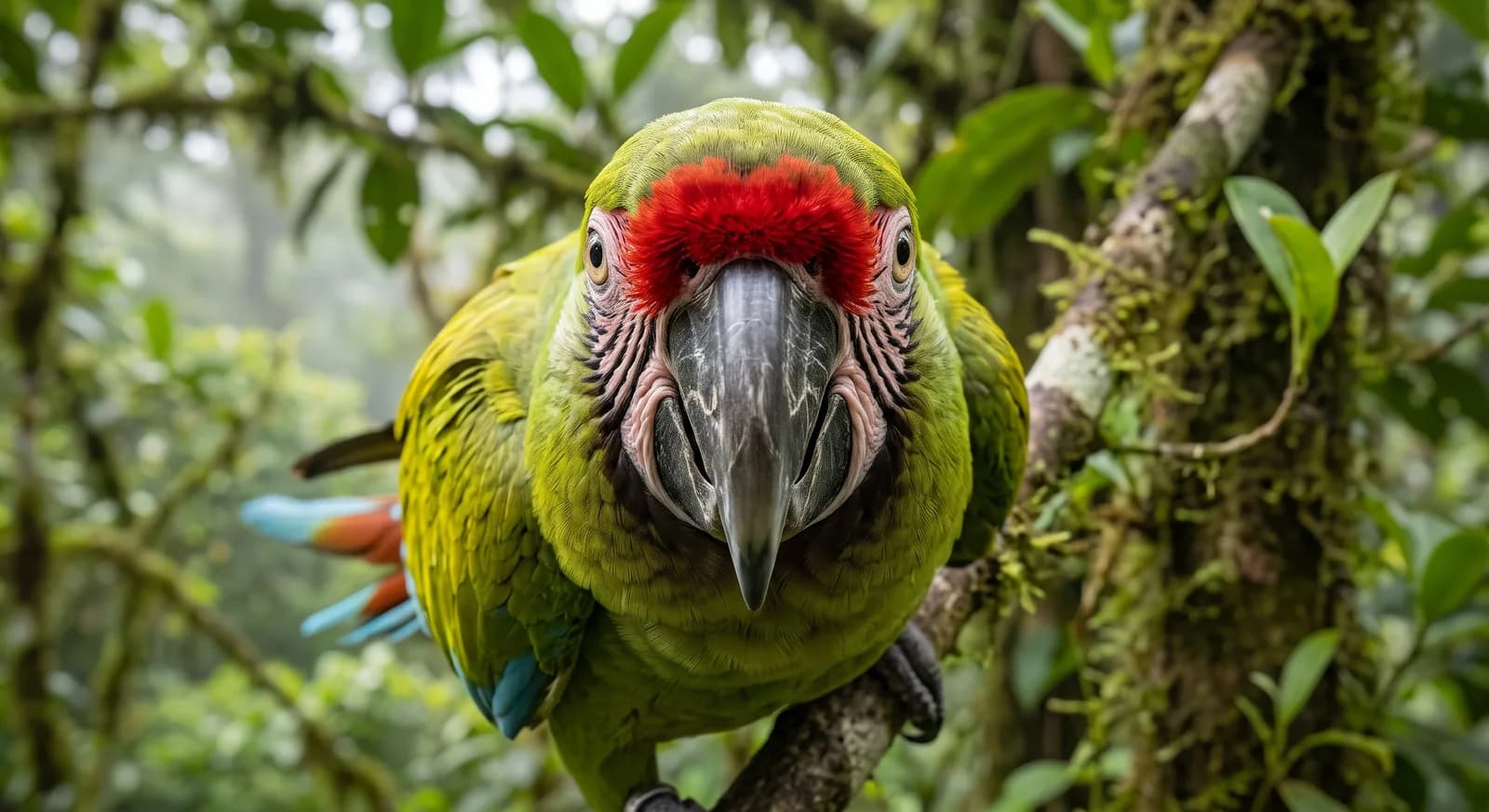
National animal: The white-tailed deer is the national animal and the scarlet macaw the national bird
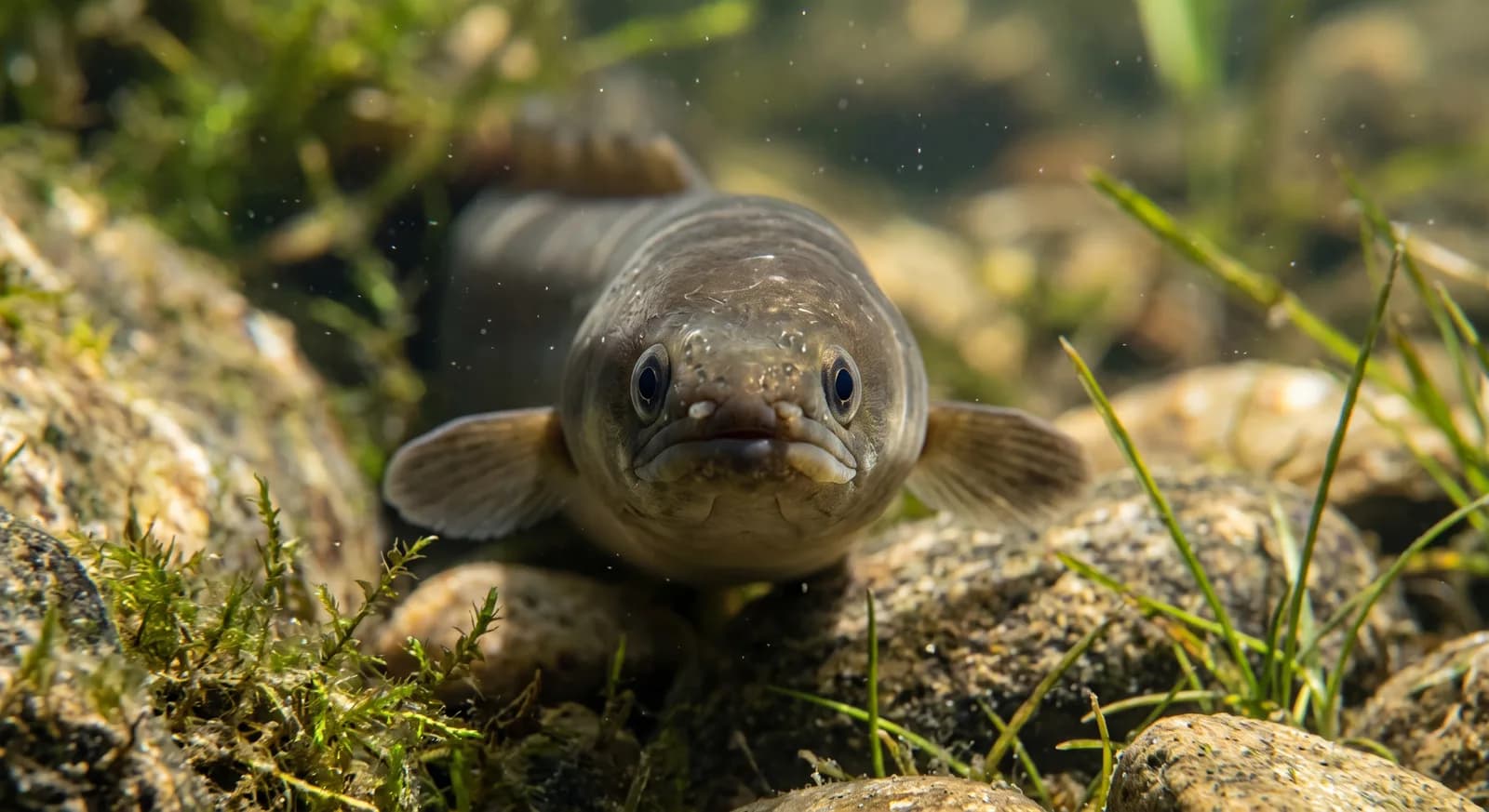
At Yoro a phenomenon known as the rain of fish has been recorded for more than a century: after certain heavy spring storms, small fish appear scattered on the ground, far from any river. Proposed explanations include waterspouts that suck them from the sea, or subterranean fish that emerge as the water table rises, but the episode repeats so regularly that the town devotes an annual festival to it.
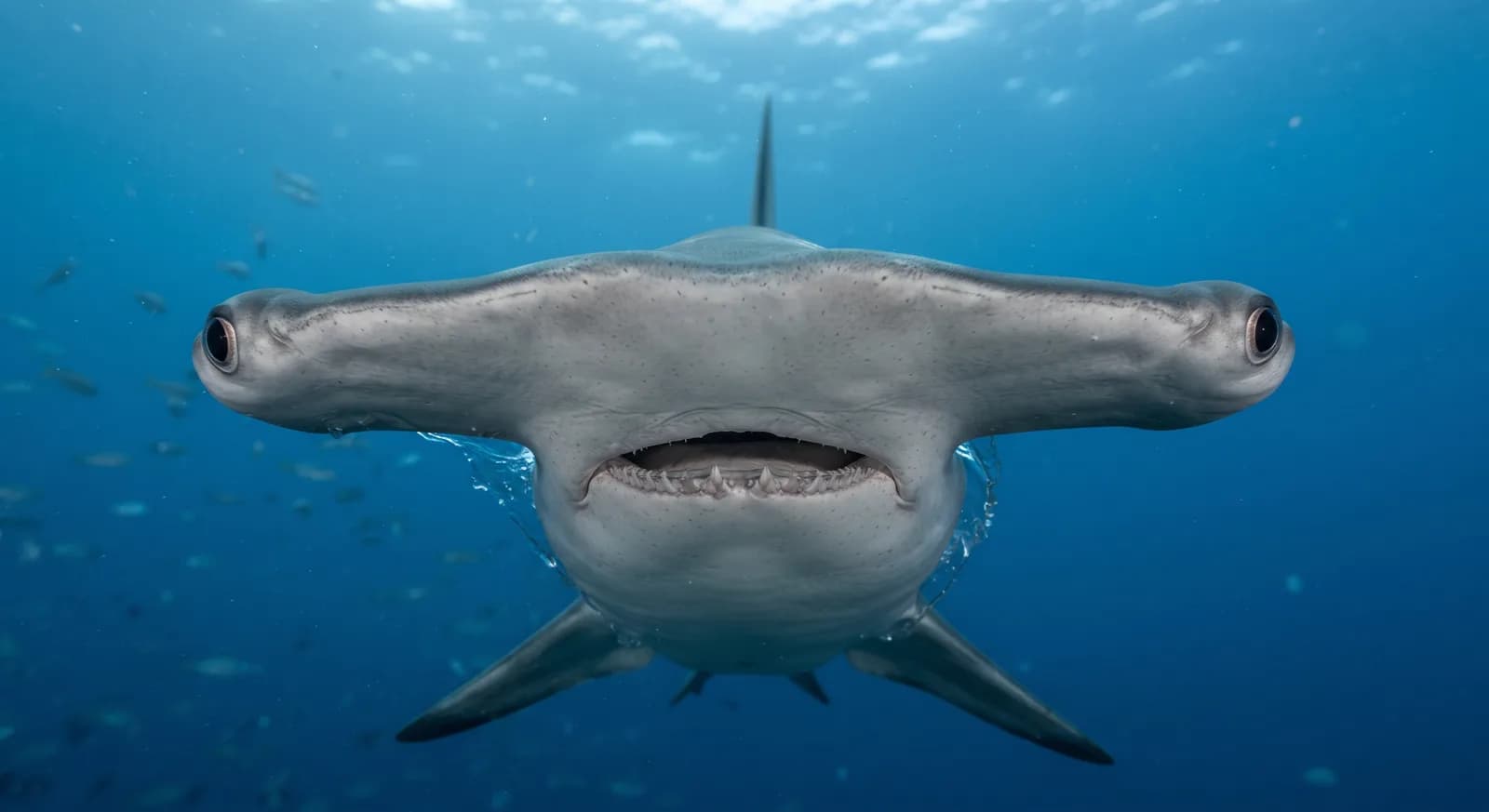
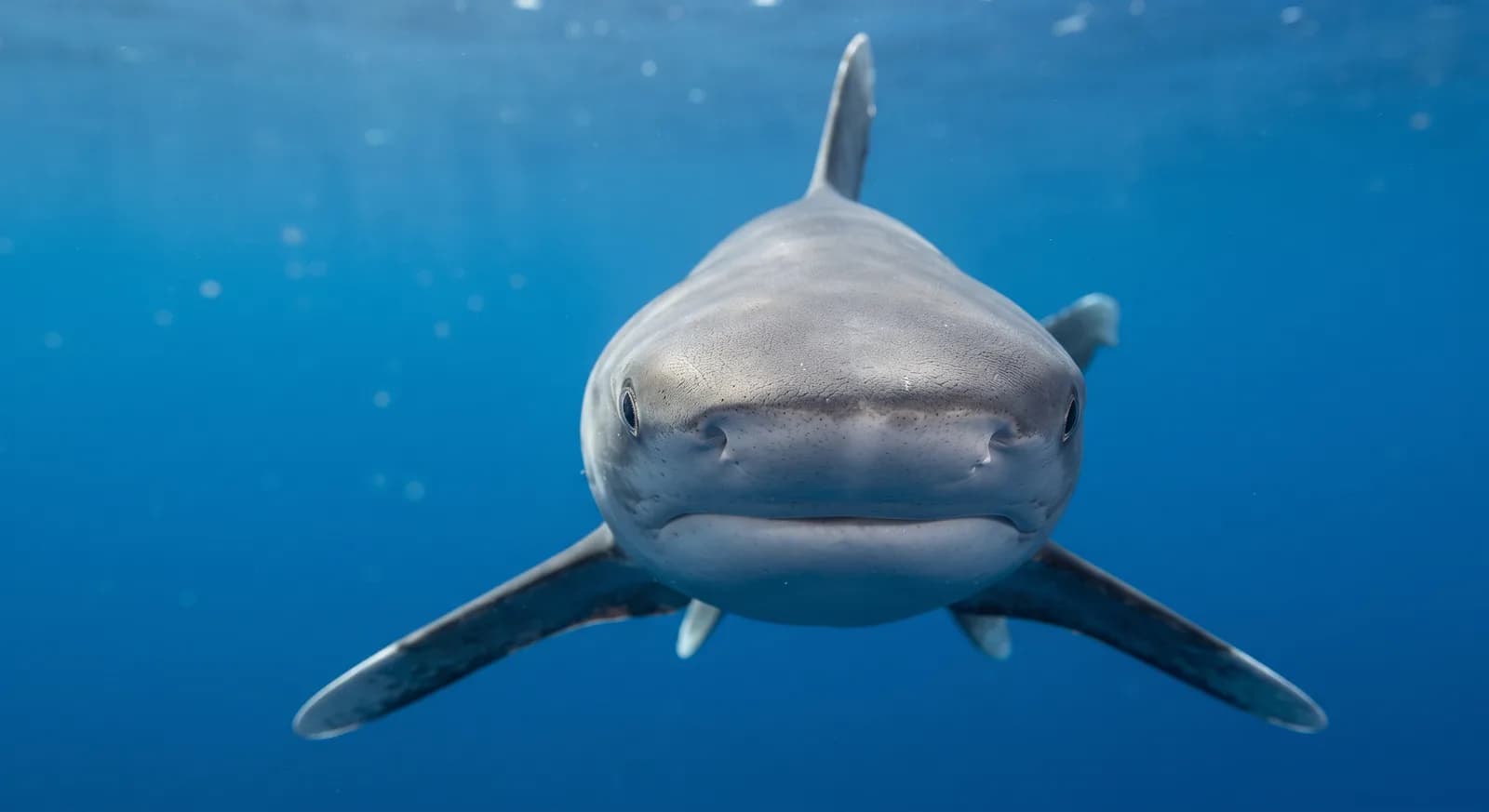
The Río Plátano is a World Heritage Site and has been on the list of sites in danger because of deforestation and illegal ranching. Utila is one of the few places in the world where whale sharks can be seen for almost the whole year, thanks to a deep channel that brings the plankton close to shore.
Utila between March and May for whale sharks. Cusuco and Celaque in the dry season for quetzals and amphibians. The Río Plátano by boat for macaws and forest wildlife.
Where else might I want to travel?
Same region: Central America and the Caribbean
Same region: Central America and the Caribbean
Same region: Central America and the Caribbean
Same region: Central America and the Caribbean
272 species found
Based on what we already know about Honduras.