Skip to content
WAnimals
  • Map
  • Species
  • Parks
  • Diving
Log inCreate account
WAnimals

The guide for travellers and animal lovers: discover, plan and share your wild adventures around the world.

Discover wildlife

  • Species
  • Ecosystems
  • Glossary
  • Tags

Explore places

  • Map
  • Countries
  • Parks
  • Diving

Plan experiences

  • Guides

Learn

  • Blog

Resources

  • Help centre
  • Contact
  • Install the app

Follow us

Account

  • Log in
  • Create account

© 2026 WAnimals. All rights reserved.

About usHow we build our profilesTerms of servicePrivacyLegal notice
MapSpeciesParksDiving
  1. Home
  2. Species
  3. Elkhorn Coral

One of the 9 corals on WAnimals
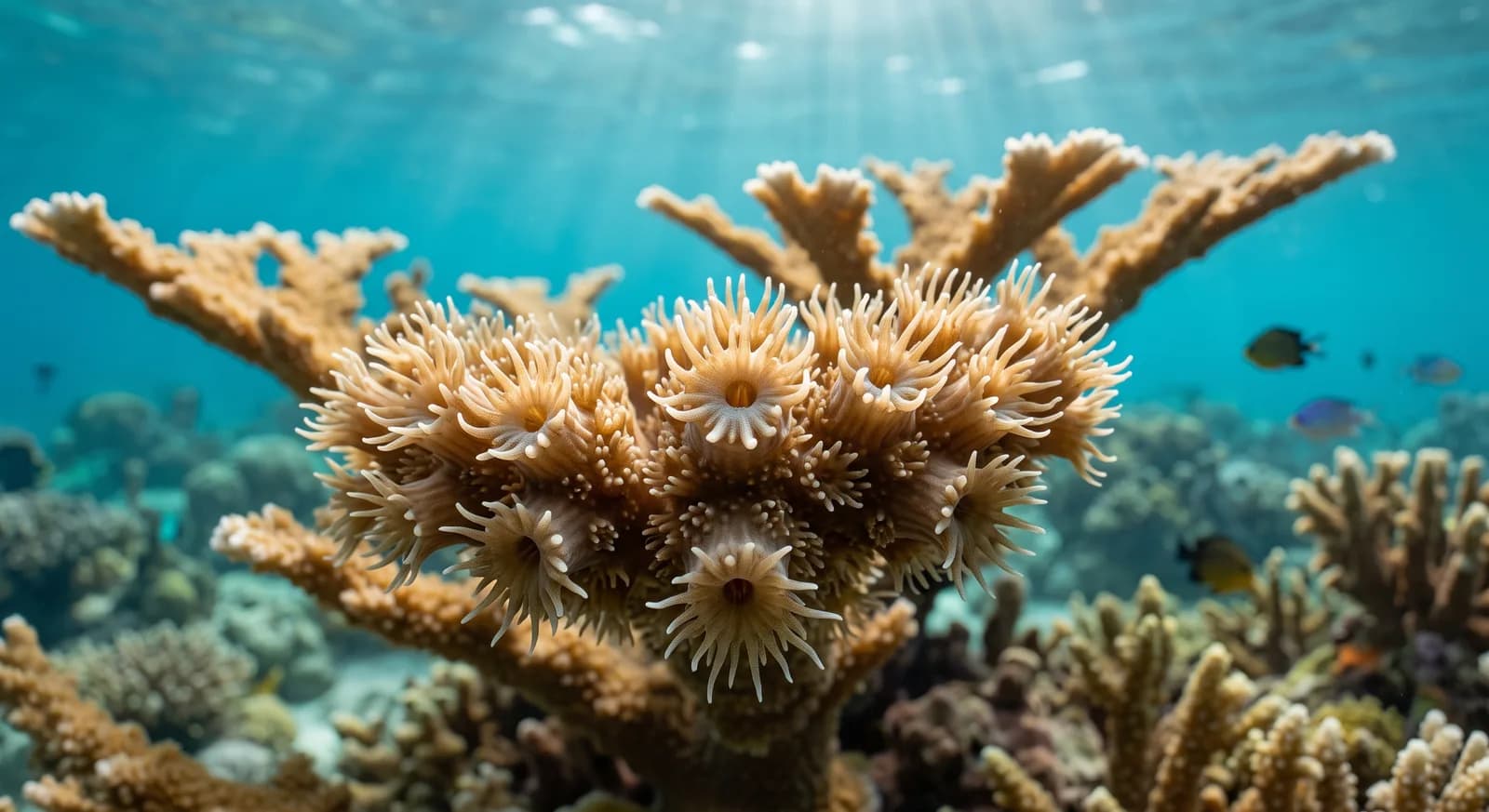
Elkhorn Coral (Acropora palmata)

Anthozoans · Scleractinia · Acroporidae

Elkhorn Coral

Acropora palmata

Critically Endangered

At extremely high risk of imminent extinction in the wild.

Spotted something wrong?

For 10,000 years it was one of the dominant reef-building corals of the Caribbean, but its population has fallen by roughly 97% since 1980.

Size

up to 3.5 m

Diet

Omnivore

Combines animal and plant food depending on availability.

Activity

Nocturnal

Active mainly at night.
Social structure

Colony

Lives in large concentrations, often for breeding reasons.

Sighting difficulty

Very hard

Ocean
33countries4parks95dive sites1same family

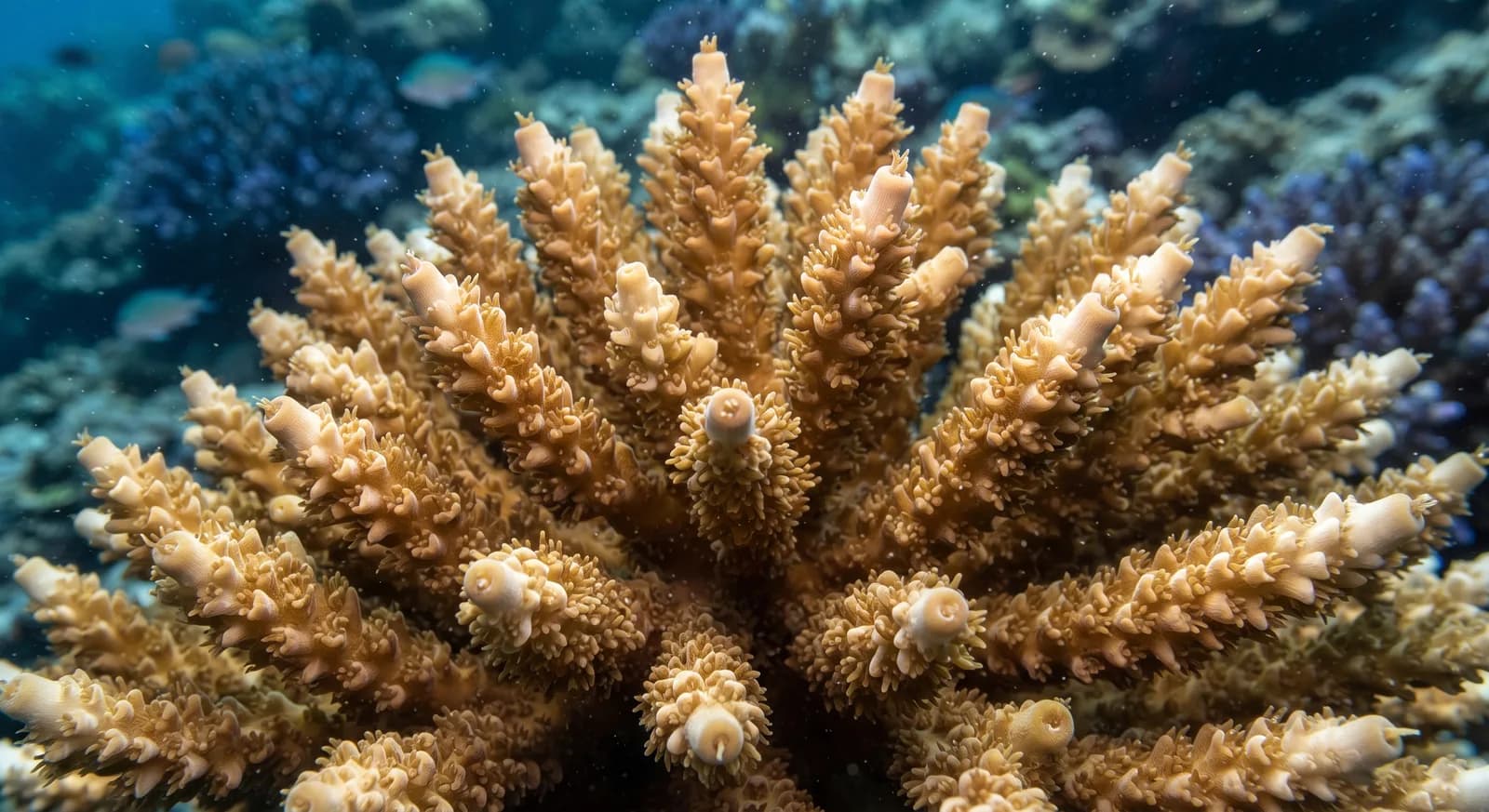
AI-generated images: illustrations, not photographs.

Fun facts

  • Its population has fallen by roughly 97% since 1980 because of disease, bleaching and climate change.
  • reproducciónIt can breed sexually, releasing gametes in a synchronised spawning, and asexually, through broken branches that grow into genetically identical new colonies.
  • Individual polyps live only 2 to 3 years, but whole colonies can persist for centuries.
  • It reproduces mostly asexually, by fragmentation of its branches.

Life cycle and biology

Skeleton type
Invertebrate - external calcareous skeleton (calcium carbonate), no internal skeleton
Habitat and environment
Caribbean coral reefs, in shallow water with moderate to strong wave action
Birth weight
A microscopic planktonic larva (planula) after fertilisation
Size at birth
A microscopic planktonic larva
Sexual maturity
Not applicable in the usual sense (reproductive maturity comes after several years of colony growth)
Gestation / incubation
Several days of larval development after external fertilisation, before settling
Litter / clutch size
Millions of gametes released per colony in each annual synchronised spawning event

Sources consulted: UWI Life Sciences (OGATT); PMC (long-term survival study); U.S. Fish & Wildlife Service; Animalia.bio; Wikipedia (Elkhorn coral); Reef Smart Guides; Animal Diversity Web; ECOS (FWS species profile)

Where to find it

Best time: All year round on shallow Caribbean reefs; the mass spawning is concentrated into a few nights in August, after the full moon.

Loading map…

Where to see it

Parks and dive sites where this species has been documented — showing 14 of 99.

Related species

Other species in the catalogue with the most in common with Elkhorn Coral — same habitat, park, country, tags or family.

Same taxonomic family
Shares a park
Shares a park
Shares a park
Shares a park
Shares a park

How to help

The elkhorn coral is classified as critically endangered. Organisations such as the IUCN, WWF and the Wildlife Conservation Society work specifically on its conservation and that of its habitat; looking into their programmes is a good starting point if you want to get involved.

It's documented in 13 protected areas — one reason why protecting these places matters for its conservation.

Keep exploring

Based on what we already know about elkhorn coral.

Comments

Share an experience, a fun fact or a tip for seeing the elkhorn coral.

Be the first to comment.

See full glossary
This page in other languages: Español · Deutsch · Français · Português · Italiano

The pins mark the parks and dive sites where its presence is documented.

See its range on the interactive map→
Virgin Islands (St John)U.S. Virgin Islands
Dry TortugasUnited States
PortobeloPanama
Belize Barrier Reef Reserve SystemBelize
Great Blue HoleBelize
Half Moon Caye WallBelize
Turneffe AtollBelize
Klein BonaireNetherlands
Palancar ReefMexico
Isla Mujeres (whale shark)Mexico
Bloody Bay WallCayman Islands
USS Kittiwake wreckCayman Islands
Stingray CityCayman Islands
Tiger BeachBahamas
See all 95 dive sites
Staghorn CoralCritically Endangered

Staghorn Coral

Acropora cervicornis

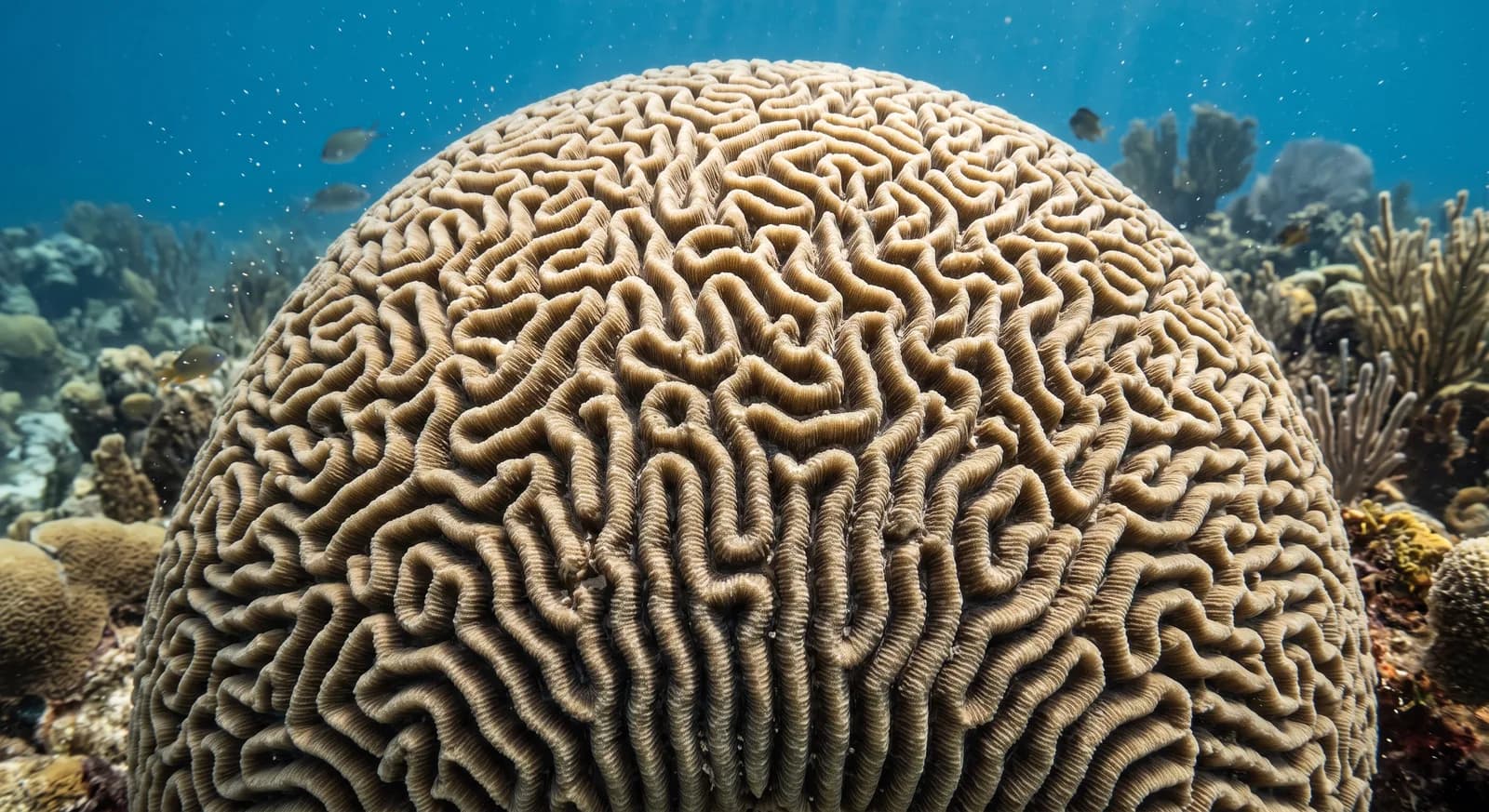
Grooved Brain CoralCritically Endangered

Grooved Brain Coral

Diploria labyrinthiformis

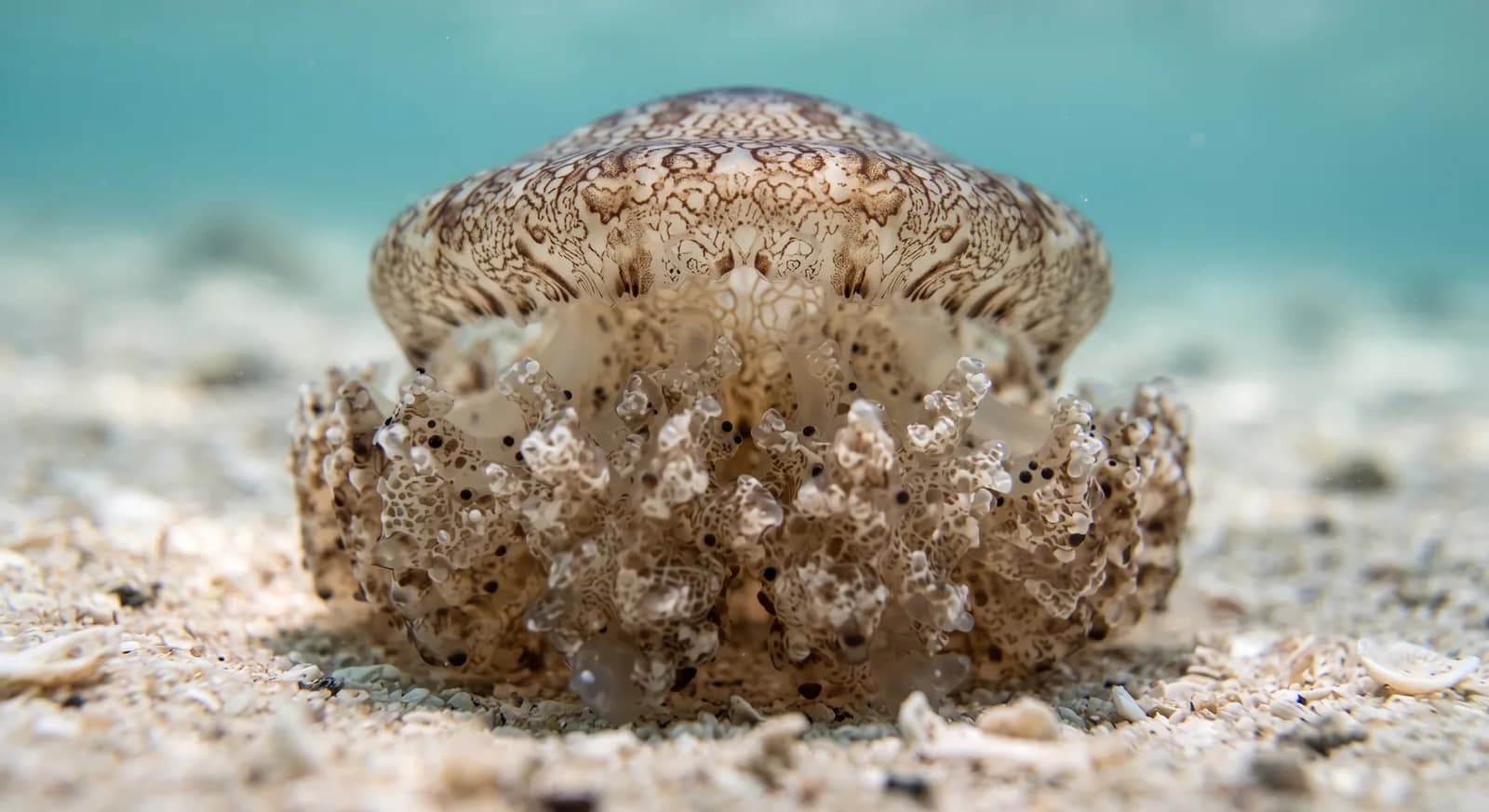
Upside-down JellyfishNot Evaluated

Upside-down Jellyfish

Cassiopea andromeda

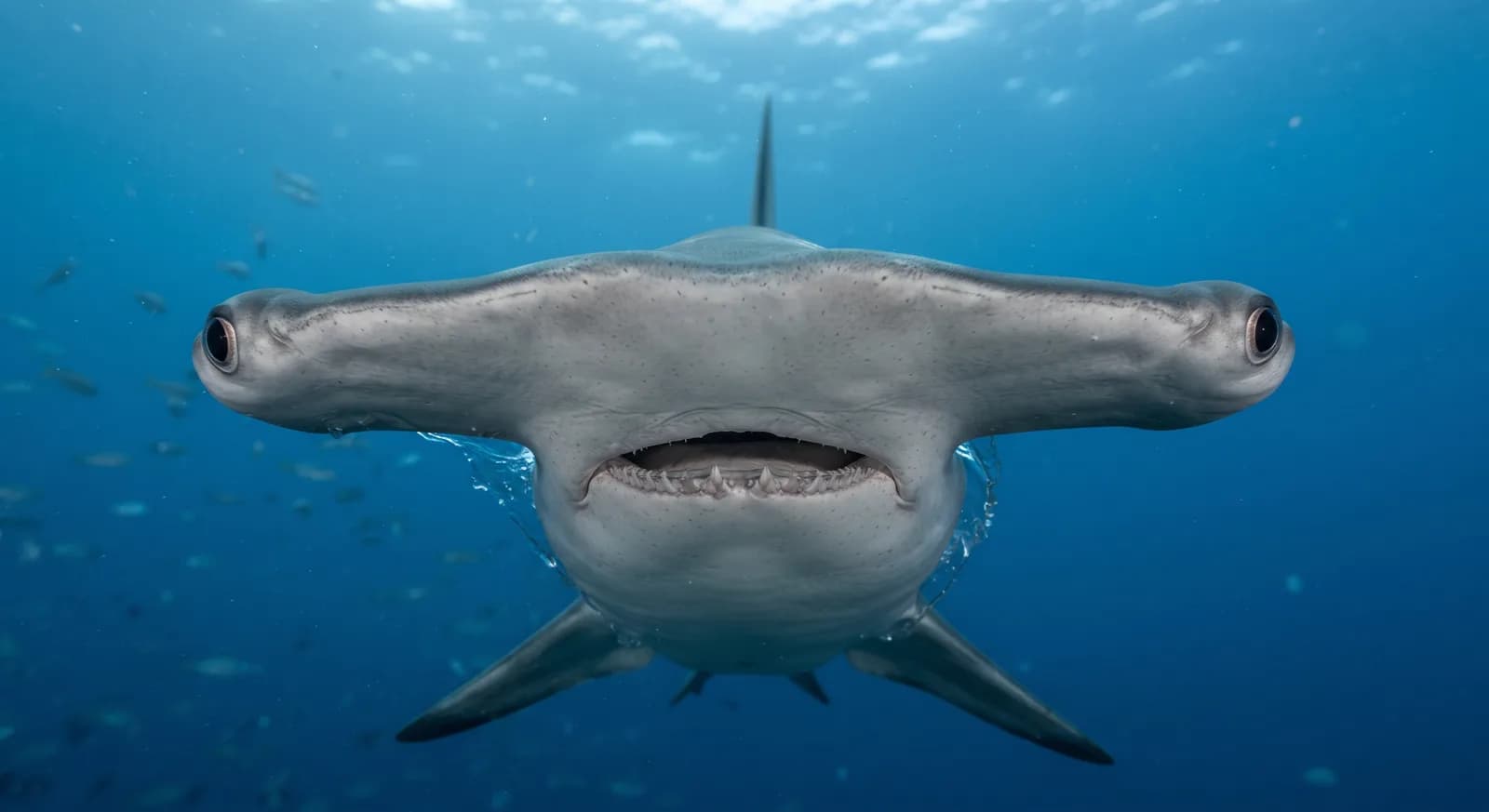
Great HammerheadCritically Endangered

Great Hammerhead

Sphyrna mokarran

Critically Endangered

Smalltooth Sawfish

Pristis pectinata

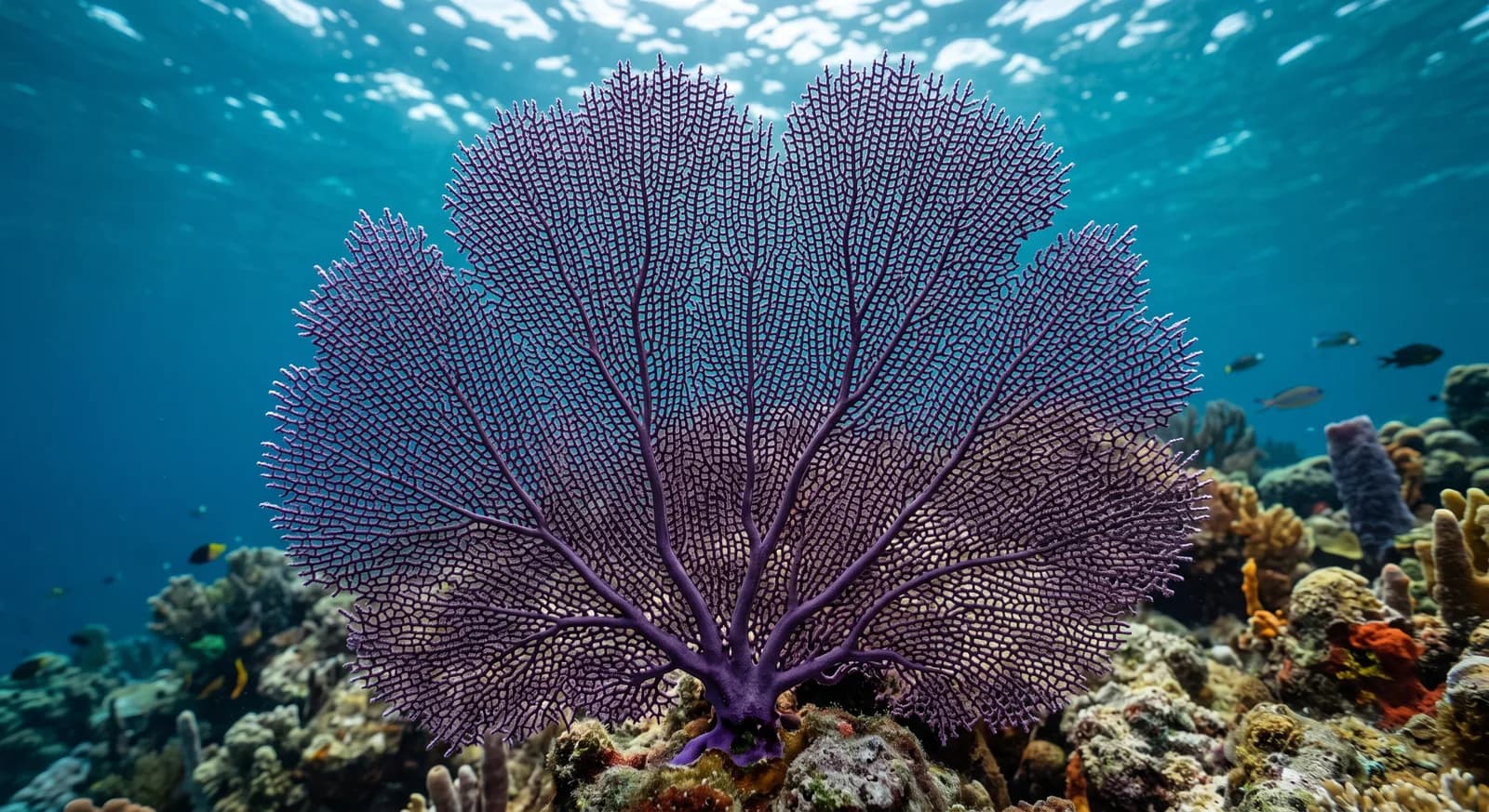
Common Sea FanNot Evaluated

Common Sea Fan

Gorgonia ventalina

CountriesMexico
ParksVirgin Islands (St John)U.S. Virgin Islands
TagsOmnivore
Omnivore
Nocturnal
Colonial
Critically Endangered
Ocean
Cnidarian

North America31

South America2

Mexico
Cayman Islands
Belize
Bahamas
British Virgin Islands
Colombia
Anguilla
Antigua and Barbuda
Aruba
Bahamas
Barbados
Belize
Bermuda
British Virgin Islands
Cayman Islands
Costa Rica
Cuba
Curaçao
Dominica
Dominican Republic
Grenada
Guadeloupe
Guatemala
Haiti
Honduras
Jamaica
Martinique
Mexico
Nicaragua
Panama
Puerto Rico
Saint Kitts and Nevis
Saint Lucia
Saint Vincent and Grenadines
Trinidad and Tobago
Turks and Caicos Islands
U.S. Virgin Islands
Colombia
Venezuela