 Critically Endangered
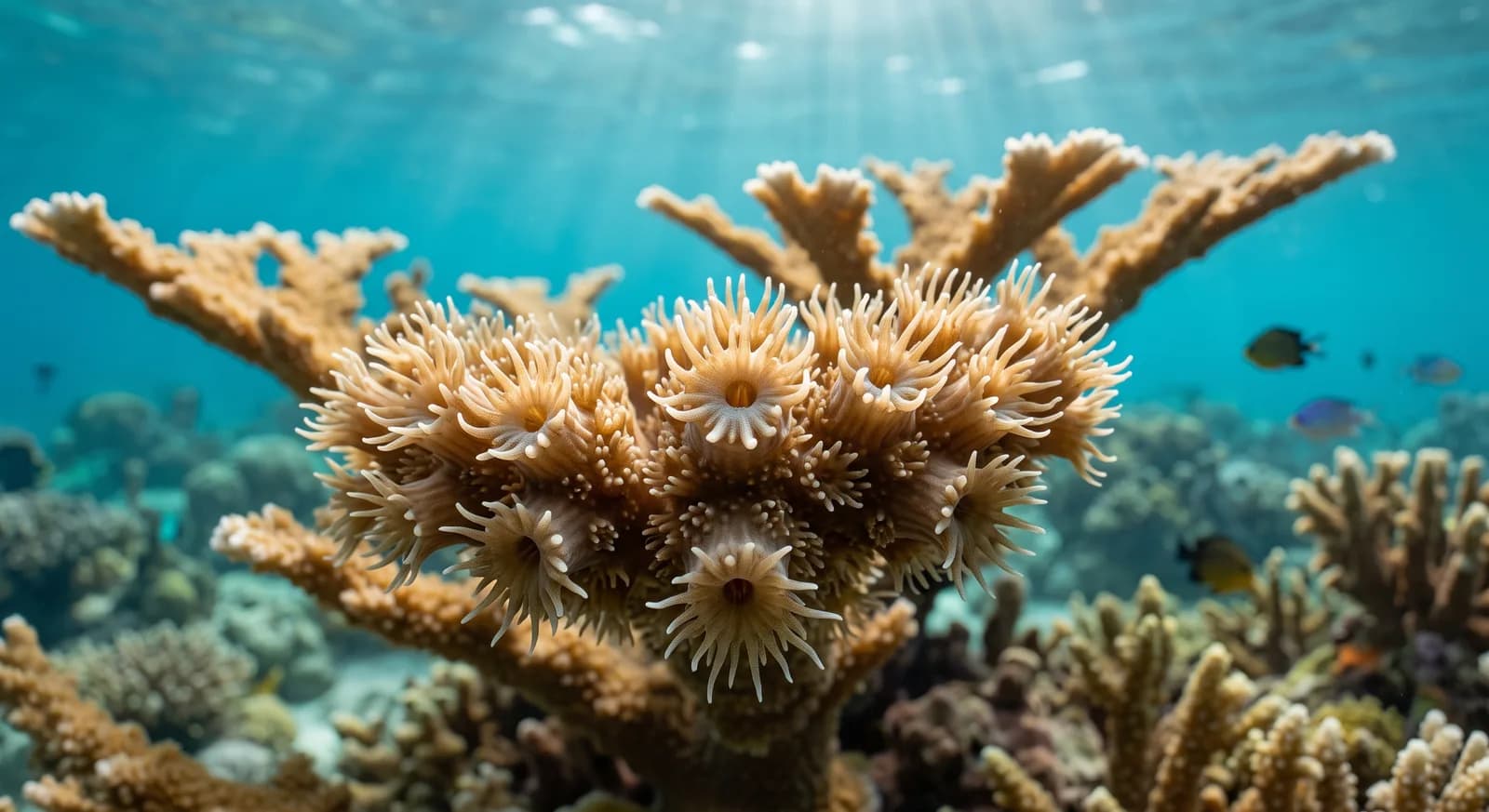
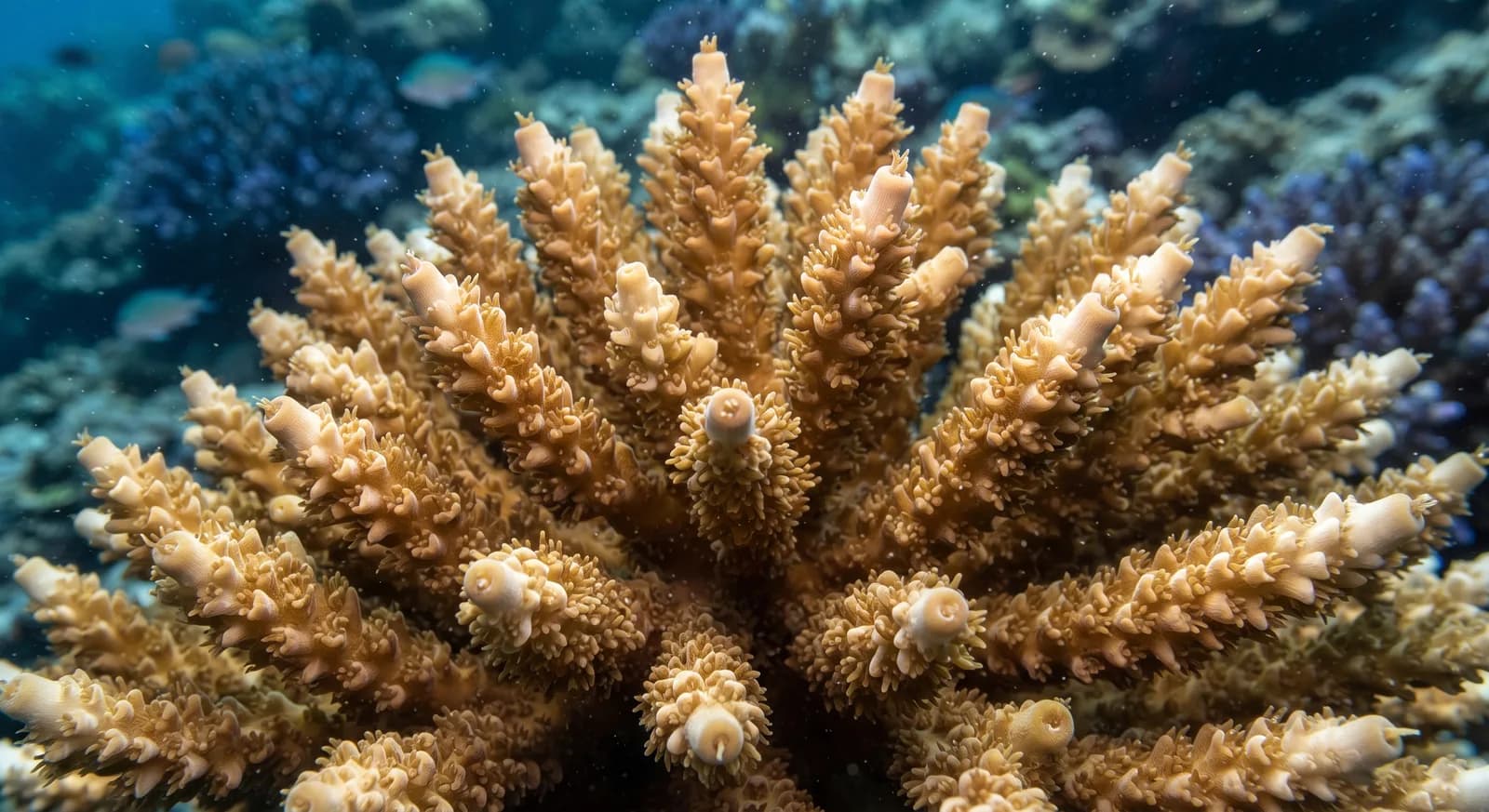
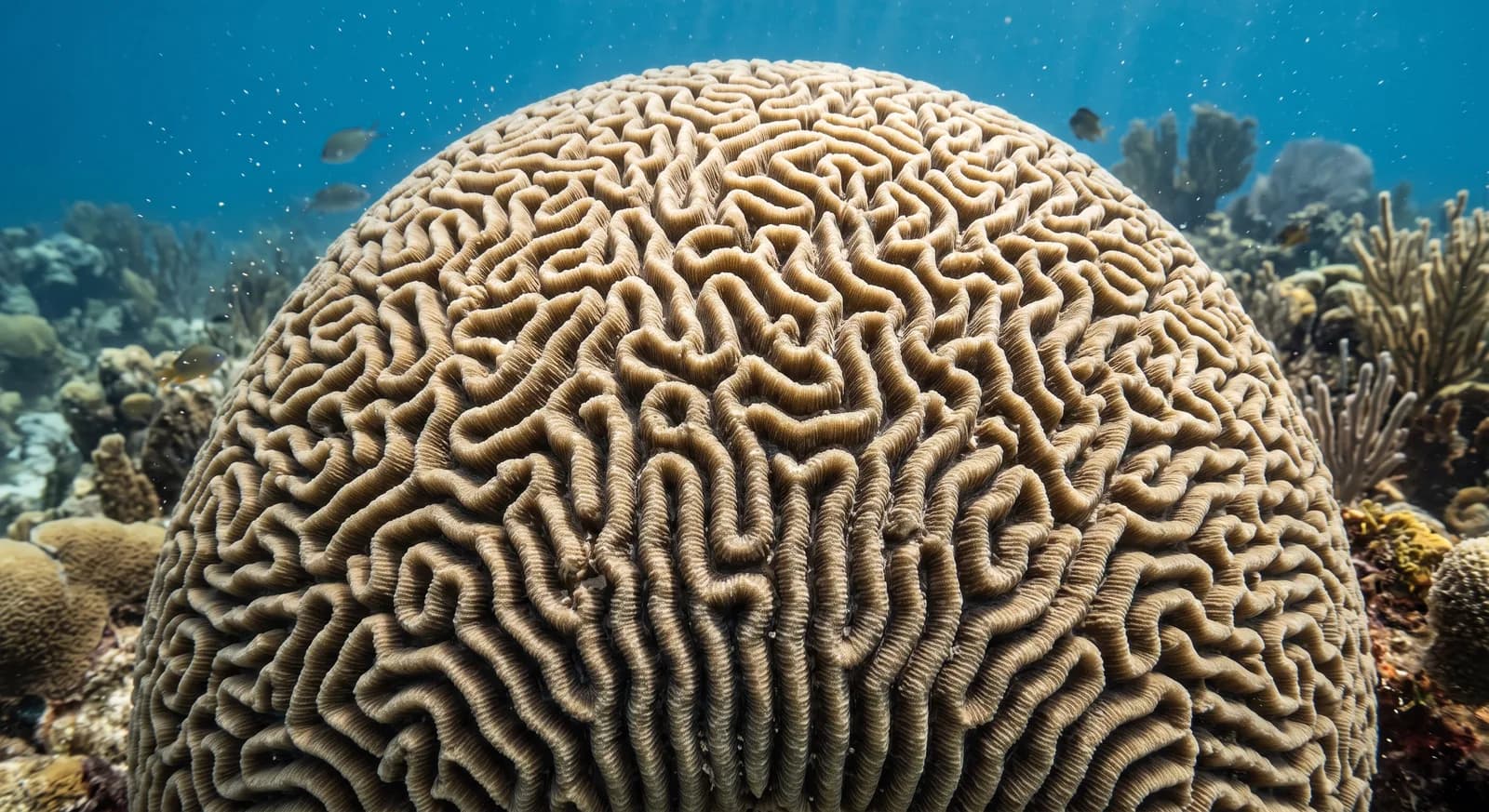
Grooved Brain Coral
Diploria labyrinthiformis
North America
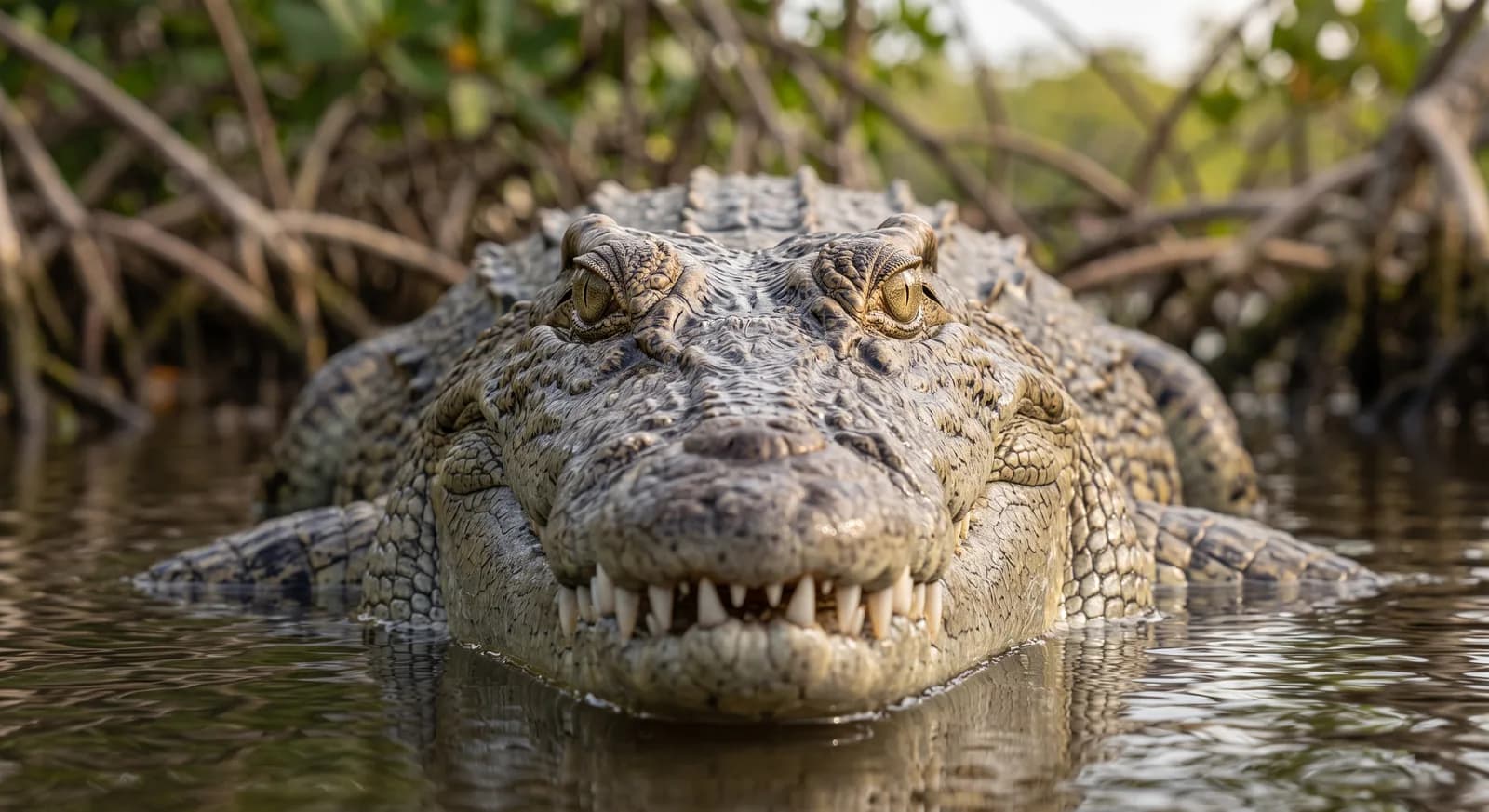
Jamaica is a mountainous island with a spine of ranges culminating in the Blue Mountains, covered in cloud forest and high-altitude coffee plantations. Across the centre and west stretches the Cockpit Country, a karst of cones and sinkholes almost impossible to enter that served as a refuge for the Maroons and that today protects the island's largest block of native forest. That isolation has produced an extremely high level of endemism: most Jamaican amphibians and reptiles and a large share of its birds exist only here. The coast contributes mangroves, reefs badly hit by tourism and hurricanes, and wetlands such as those of Black River, where American crocodiles and manatees survive.
National animal: The red-billed streamertail, or doctor bird, the national bird, endemic to the island
The Jamaican iguana was declared extinct in 1948 after decades without records, until in 1990 the dog of a hunter of feral pigs caught one in the Hellshire hills. The find triggered a programme of captive breeding, mongoose control and nest guarding that has allowed the species, reduced to a few dozen adults, to breed in the wild again.
The mongoose, introduced in the nineteenth century to control rats in the cane fields, wiped out the island's native land fauna and remains the main obstacle to recovering reptiles and ground-nesting birds. The Homerus swallowtail, the largest butterfly in the Americas, depends on a few forests in the east.
The Blue Mountains at dawn for endemic birds. Black River year-round by boat for crocodiles and waterbirds. The Cockpit Country in the dry season for amazon parrots and butterflies.
Where else might I want to travel?
Same region: Central America and the Caribbean
Same region: Central America and the Caribbean
Same region: Central America and the Caribbean
Same region: Central America and the Caribbean
142 species found
Based on what we already know about Jamaica.