 Critically Endangered
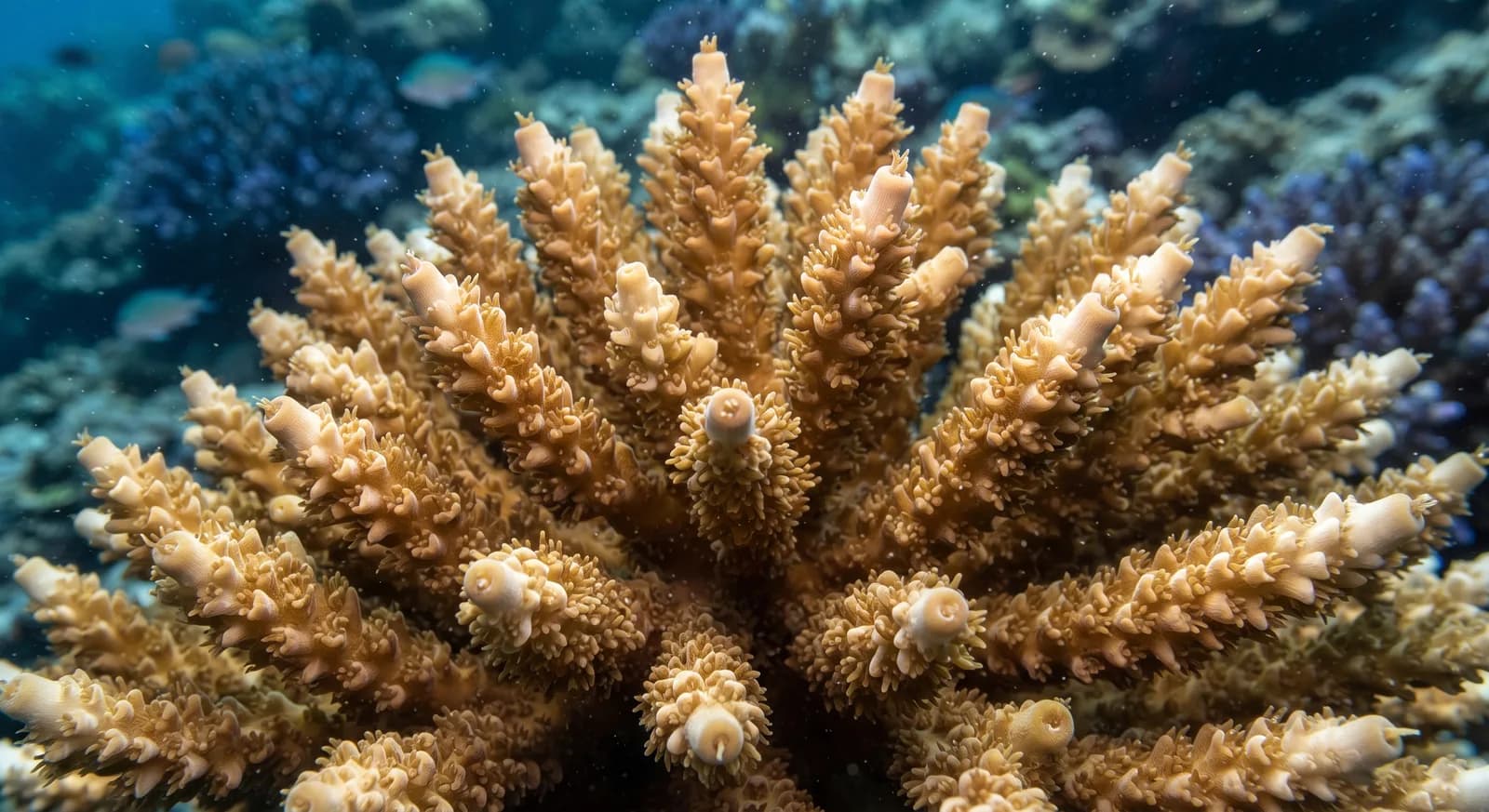
Staghorn Coral
Acropora cervicornis
North America
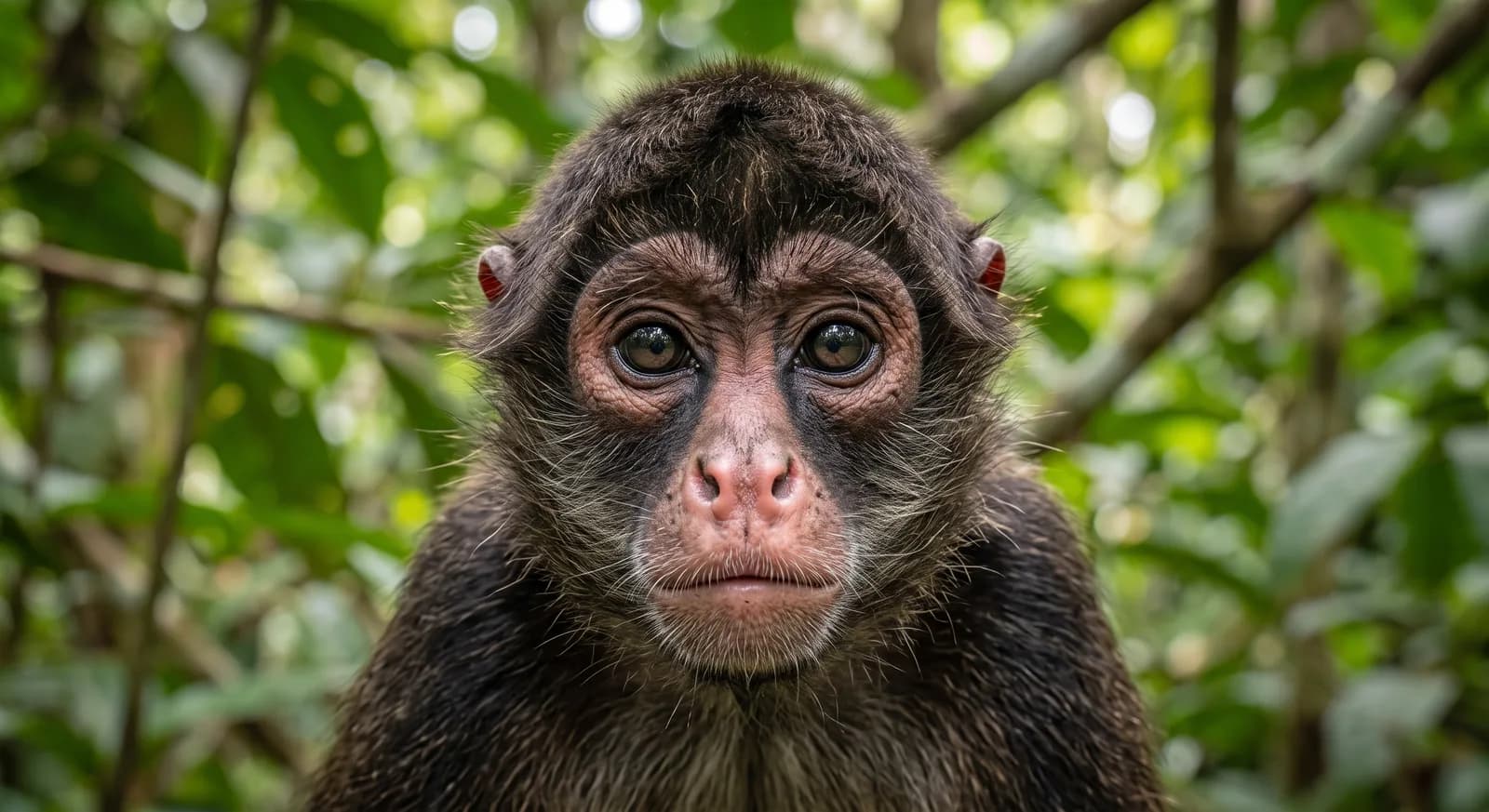
El Salvador is the smallest and most densely populated country in Central America, and also the one that has lost the most of its original forest, so that its wild nature survives concentrated in a few enclaves of great value. In the far northwest, the Montecristo cloud forest is shared between three countries and keeps giant moss-covered oaks and sweetgums, with quetzals and spider monkeys. The volcanic chain that runs the length of the country, with active cones such as Santa Ana and Izalco, creates crater lakes and fertile soils. On the coast, Jiquilisco bay forms the country's largest mangrove system, a maze of tidal creeks and islands that is a refuge of international importance for marine turtles and waterbirds.
National animal: The turquoise-browed motmot, or torogoz, the country's national bird
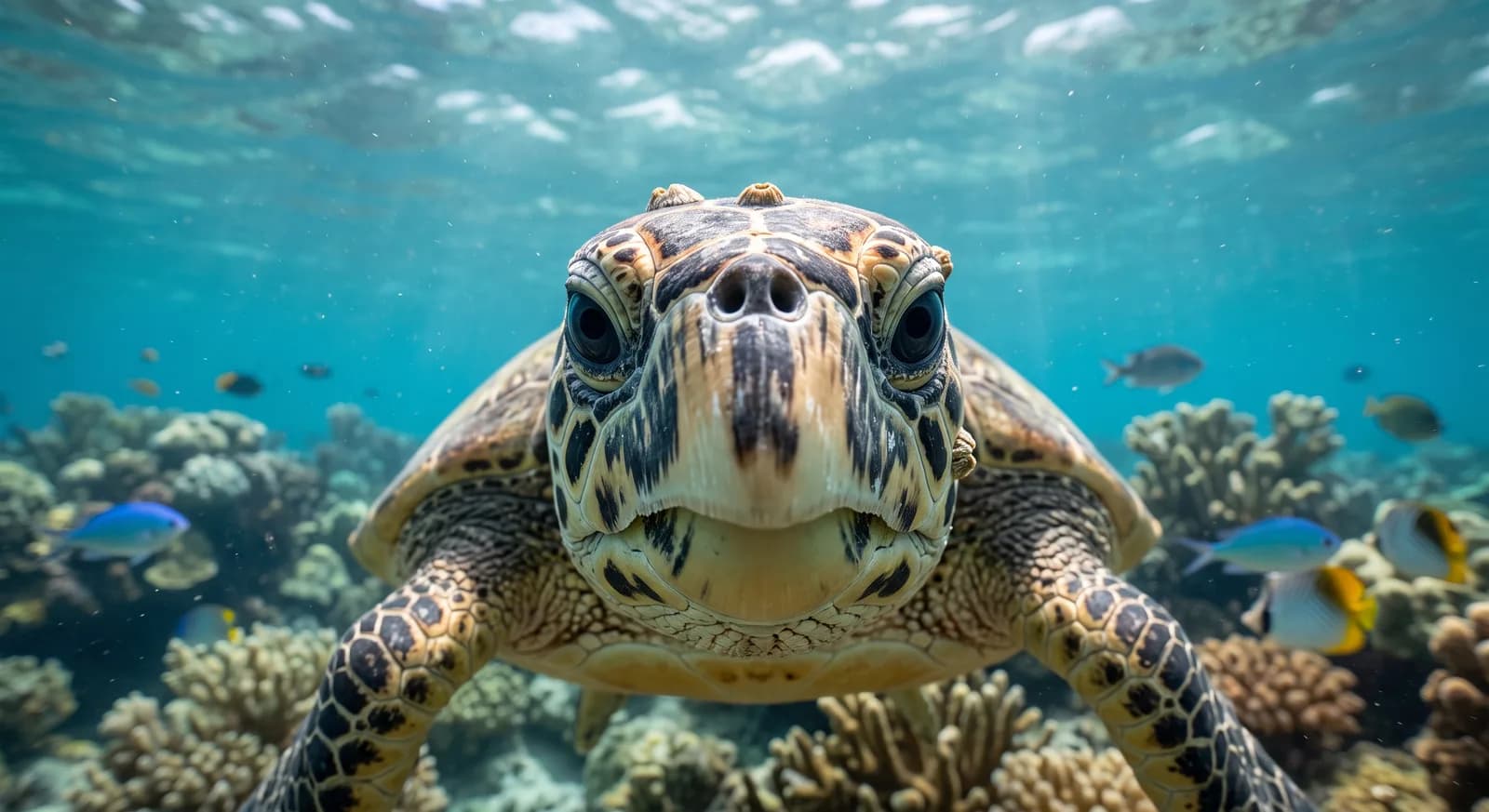
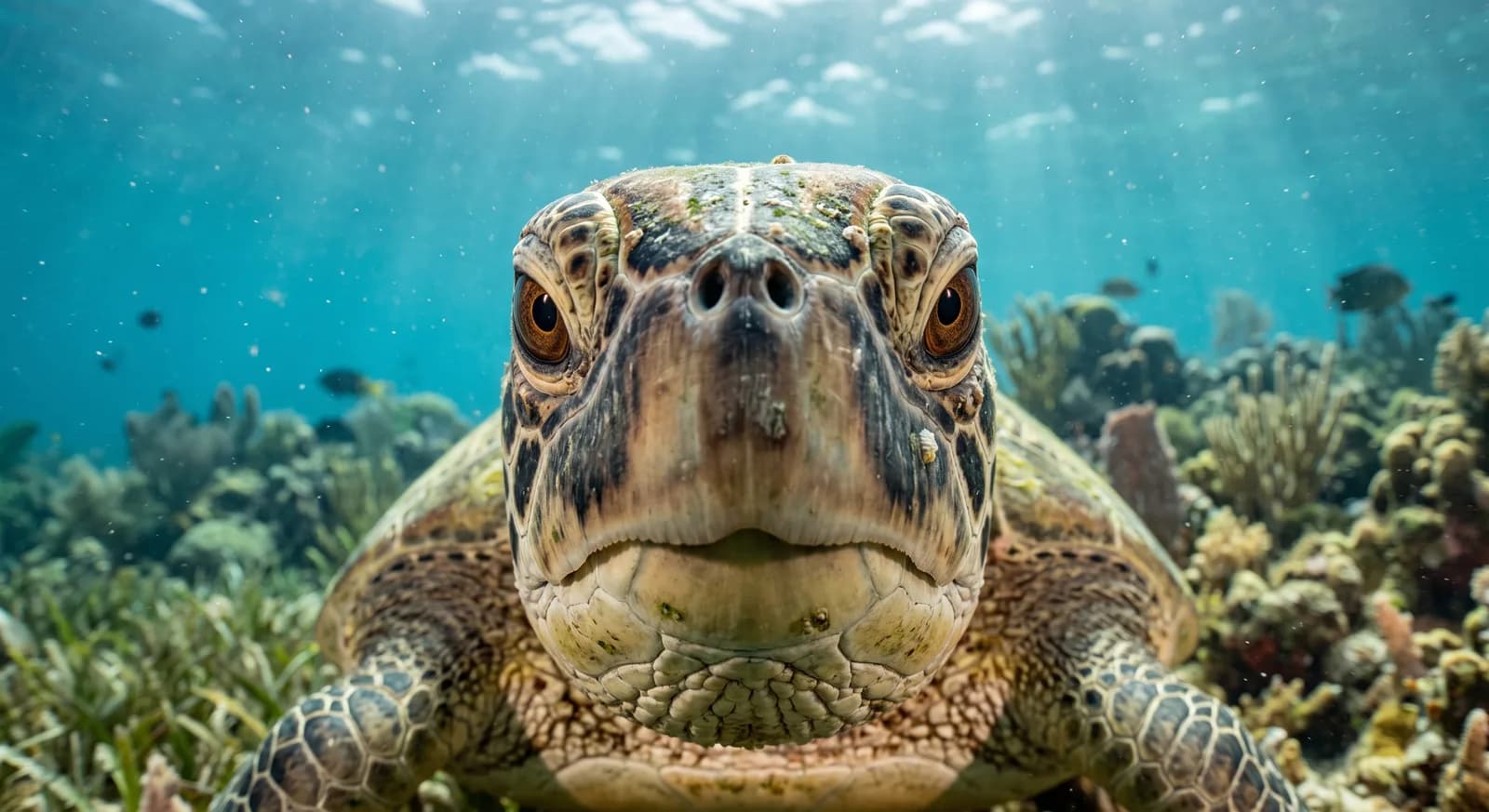
The eastern Pacific hawksbill turtle had been all but given up for lost until surveys in 2008 discovered that it was nesting in Jiquilisco bay, and not on open beaches as in the rest of the world but inside the tidal creeks and among the mangrove roots. That behaviour, unique in the species, had kept the population off the scientists' radar for decades.
The country banned the trade in turtle eggs in 2009 and developed a system of payments to collectors so that they hand their clutches over to hatcheries. Jiquilisco is a biosphere reserve and concentrates most of the hawksbill nesting in the whole eastern Pacific.
Jiquilisco between May and October for turtle nesting. Montecristo between January and April for quetzals and cloud forest. El Imposible at dawn for birds and primates.
160 species found
Based on what we already know about El Salvador.