Skip to content
WAnimals
  • Map
  • Species
  • Parks
  • Diving
Log inCreate account
WAnimals

The guide for travellers and animal lovers: discover, plan and share your wild adventures around the world.

Discover wildlife

  • Species
  • Ecosystems
  • Glossary
  • Tags

Explore places

  • Map
  • Countries
  • Parks
  • Diving

Plan experiences

  • Guides

Learn

  • Blog

Resources

  • Help centre
  • Contact
  • Install the app

Follow us

Account

  • Log in
  • Create account

© 2026 WAnimals. All rights reserved.

About usHow we build our profilesTerms of servicePrivacyLegal notice
MapSpeciesParksDiving
  1. Home
  2. countries
  3. Nicaragua

Nicaragua

North America

260

Documented species

5

Parks and reserves

2

Dive sites

Nicaragua is the largest country in Central America and is split by a great tectonic depression occupied by two enormous lakes, the Xolotlán and the Cocibolca, and by a chain of active volcanoes aligned beside the Pacific. In the Cocibolca, the largest freshwater lake in the region, rises the island of Ometepe, formed by two volcanoes joined by an isthmus. To the east, towards the Caribbean, stretch the humid plains and the reserves of Bosawás and Indio Maíz, which together form the second largest block of tropical rainforest in the Americas after Amazonia. The Caribbean coast, rainy and thinly populated, contributes mangroves, lagoons and coral cays, and the Pacific one, arribada beaches of olive ridley turtle.

Nature in Nicaragua

National animal: The turquoise-browed motmot, the country's national bird

Did you know?

In the crater of the Masaya volcano, where the air is loaded with sulphur dioxide and other corrosive gases, a colony of small green parakeets known locally as chocoyos nests. The birds come and go daily along the inner walls of the crater, among columns of acid smoke that would be irritating to almost any vertebrate, and breed there without it being fully understood how they tolerate such conditions.

Biodiversity profile

Conservation

Lake Cocibolca holds bull sharks able to tolerate fresh water, which come up the San Juan River from the Caribbean, one of the few cases in the world of sharks in an inland lake. The advance of the agricultural frontier is the greatest threat to Bosawás and Indio Maíz.

Where and when to watch wildlife

La Flor between July and December for the arribadas of olive ridley turtle. Masaya at dusk for the parakeets going into the crater. Indio Maíz in the dry season for primates and birds.

Parks and reserves

Biosphere Reserve

Bosawas

The second largest continuous rainforest in the western hemisphere after the Amazon

See park
Biological Reserve

Indio Maiz

One of Nicaragua's best-preserved reserves, on the Costa Rican border beside the historic San Juan River

See park
Nature Reserve (community-managed)

Miraflor Nature Reserve

Run entirely by local farming cooperatives, combining shade coffee with primary cloud forest

See park
National Park

Saslaya

Nicaragua's first national park; the original core of what would later be widened into the Bosawás Biosphere Reserve

See park
National Park

Masaya Volcano

Nicaragua's first national park; the Spanish conquistadors called it "the mouth of hell" for its visible lava

See park

Diving and snorkelling

Coral reef

Big Corn Island

The sister island of Little Corn, with pristine reefs and an even less developed feel for tourism.

See dive site
Coral reef

Little Corn Island

A small car-free Caribbean island, with accessible reefs and some of the cheapest certification prices in the region.

See dive site

Similar countries

Where else might I want to travel?

Panama

Same region: Central America and the Caribbean

Guatemala

Same region: Central America and the Caribbean

Cuba

Same region: Central America and the Caribbean

Trinidad and Tobago

Same region: Central America and the Caribbean

Species documented in Nicaragua

Filter
Class
Family
Habitat
Diet
Conservation

260 species found

Related guides

  • Primates in Nicaragua4 species

Keep exploring

Based on what we already know about Nicaragua.
ParkBosawasDivingBig Corn Island

Explore on the map

Interactive map

This page in other languages: Español · Deutsch · Français · Português · Italiano
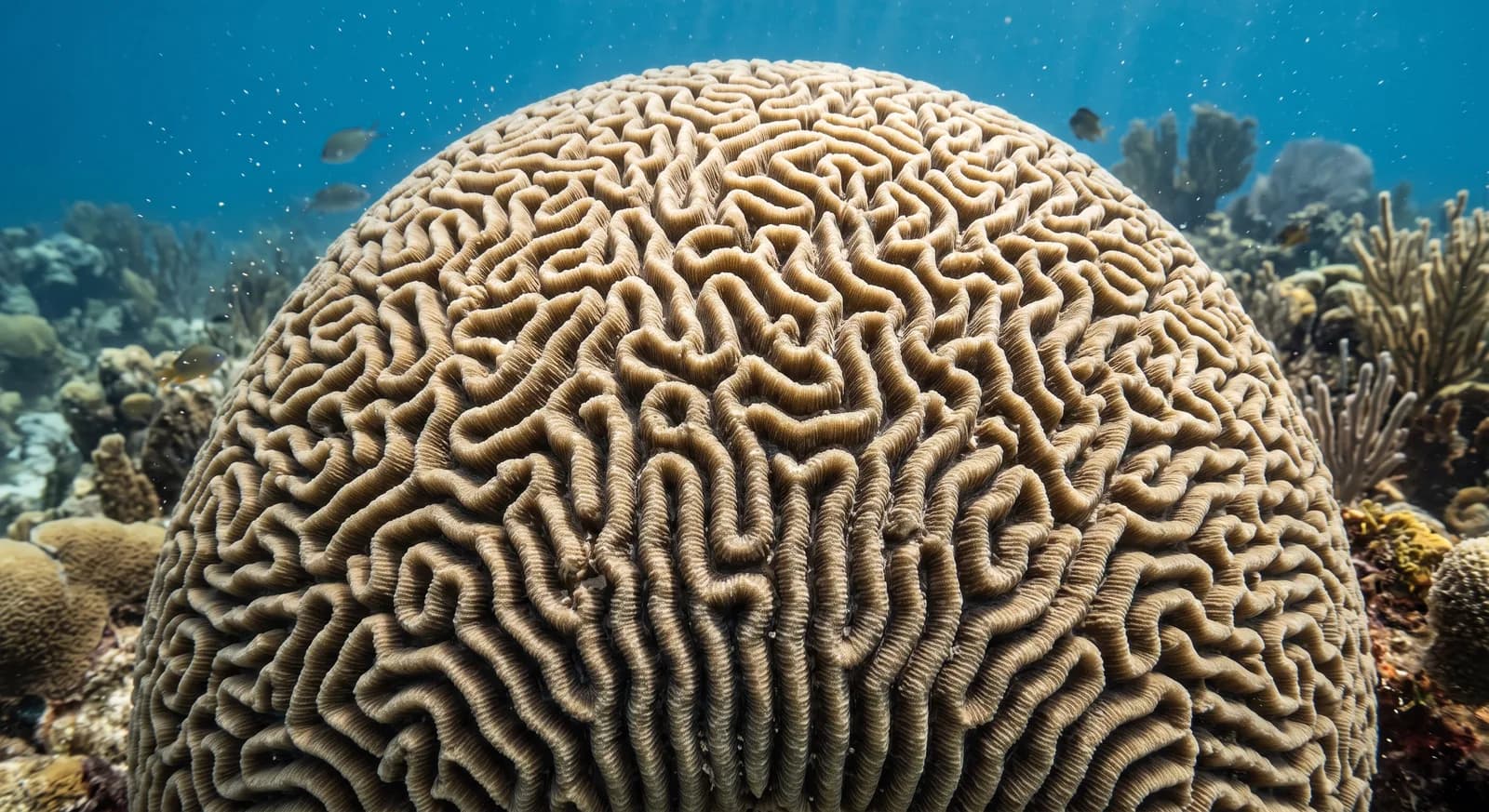
Grooved Brain CoralCritically Endangered

Grooved Brain Coral

Diploria labyrinthiformis

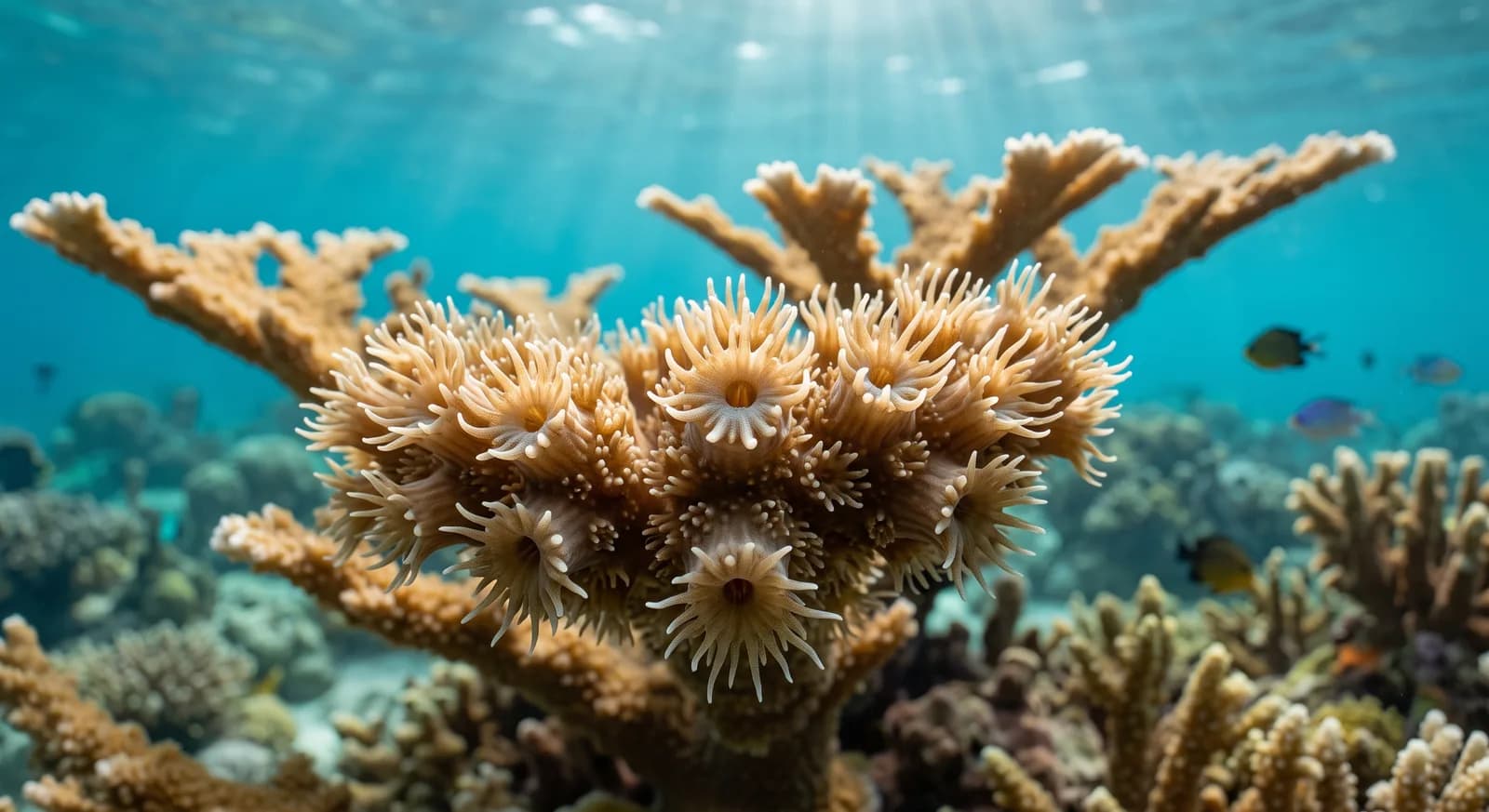
Elkhorn CoralCritically Endangered

Elkhorn Coral

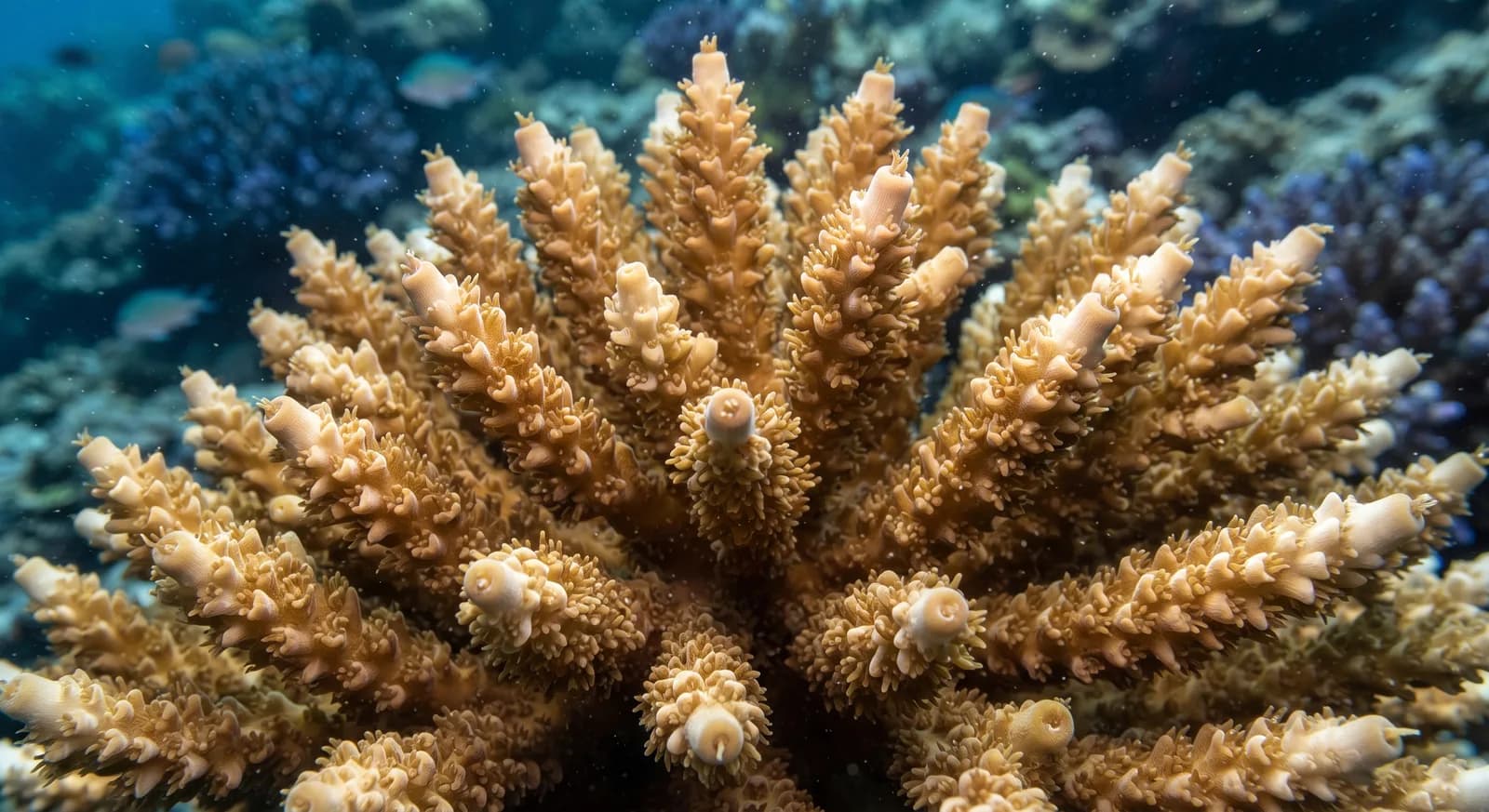
Acropora palmata

Staghorn CoralCritically Endangered

Staghorn Coral

Acropora cervicornis

Great Green MacawCritically Endangered

Great Green Macaw

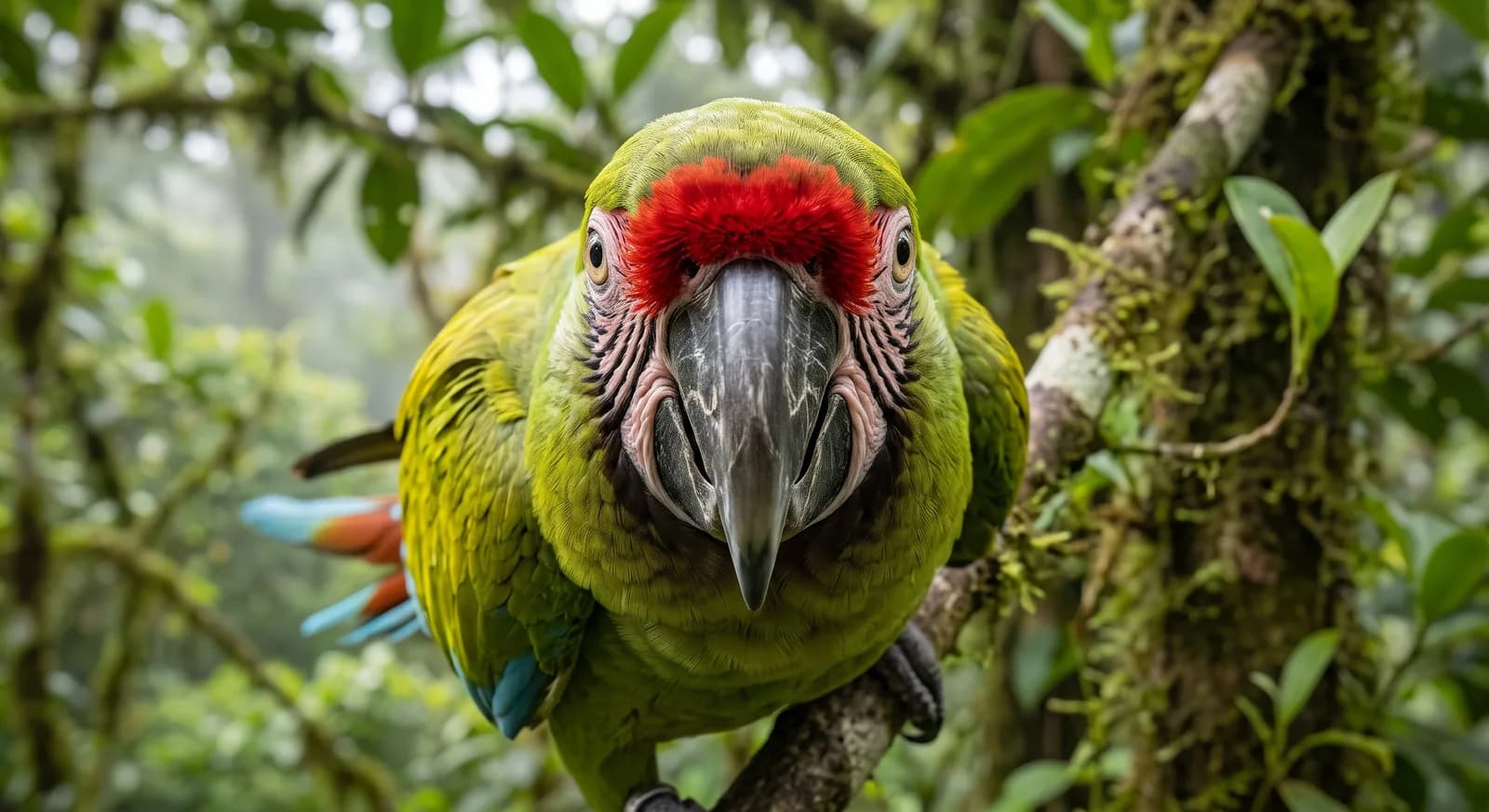
Ara ambiguus

Great HammerheadCritically Endangered

Great Hammerhead

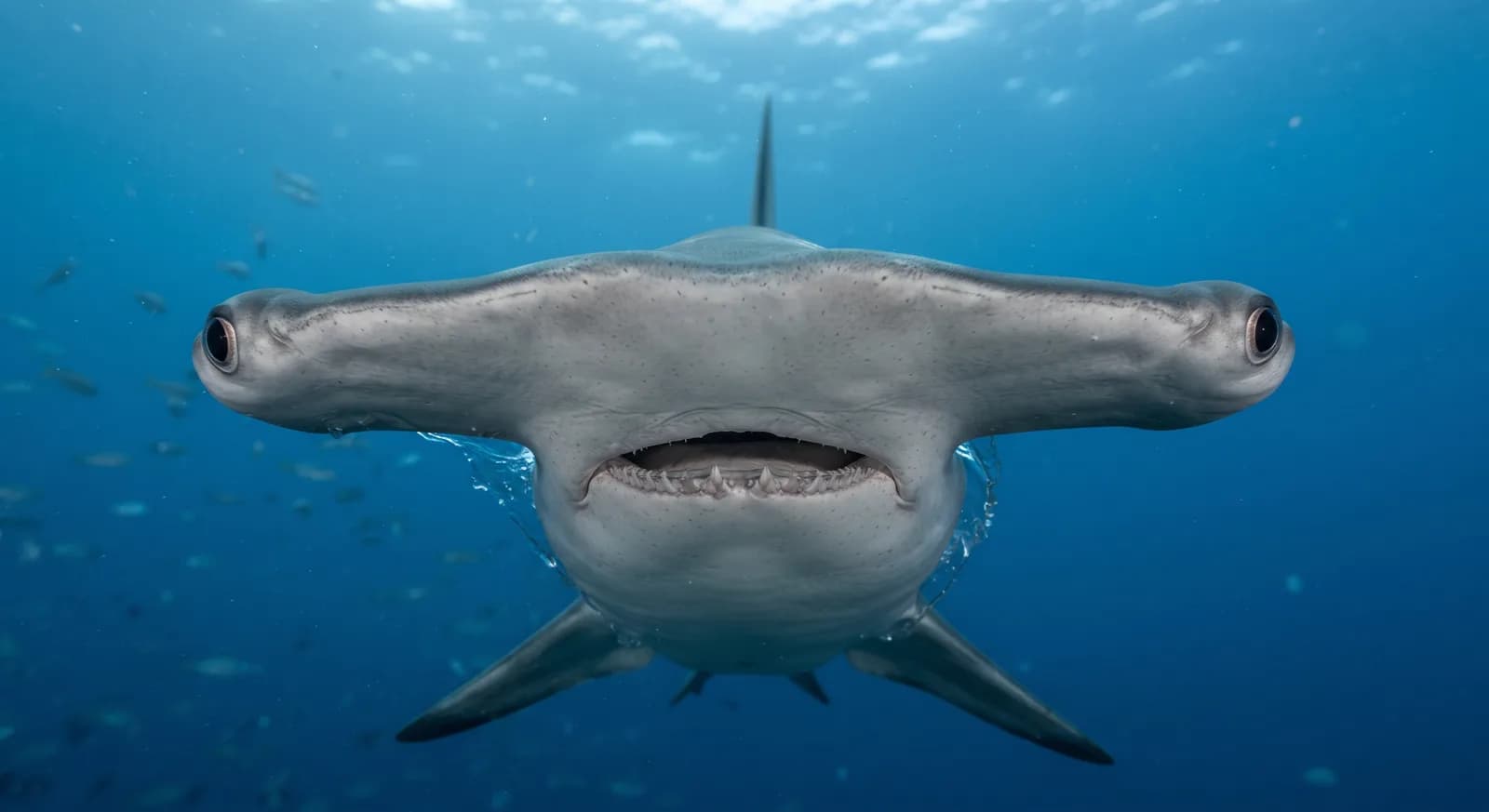
Sphyrna mokarran

Oceanic Whitetip SharkCritically Endangered

Oceanic Whitetip Shark

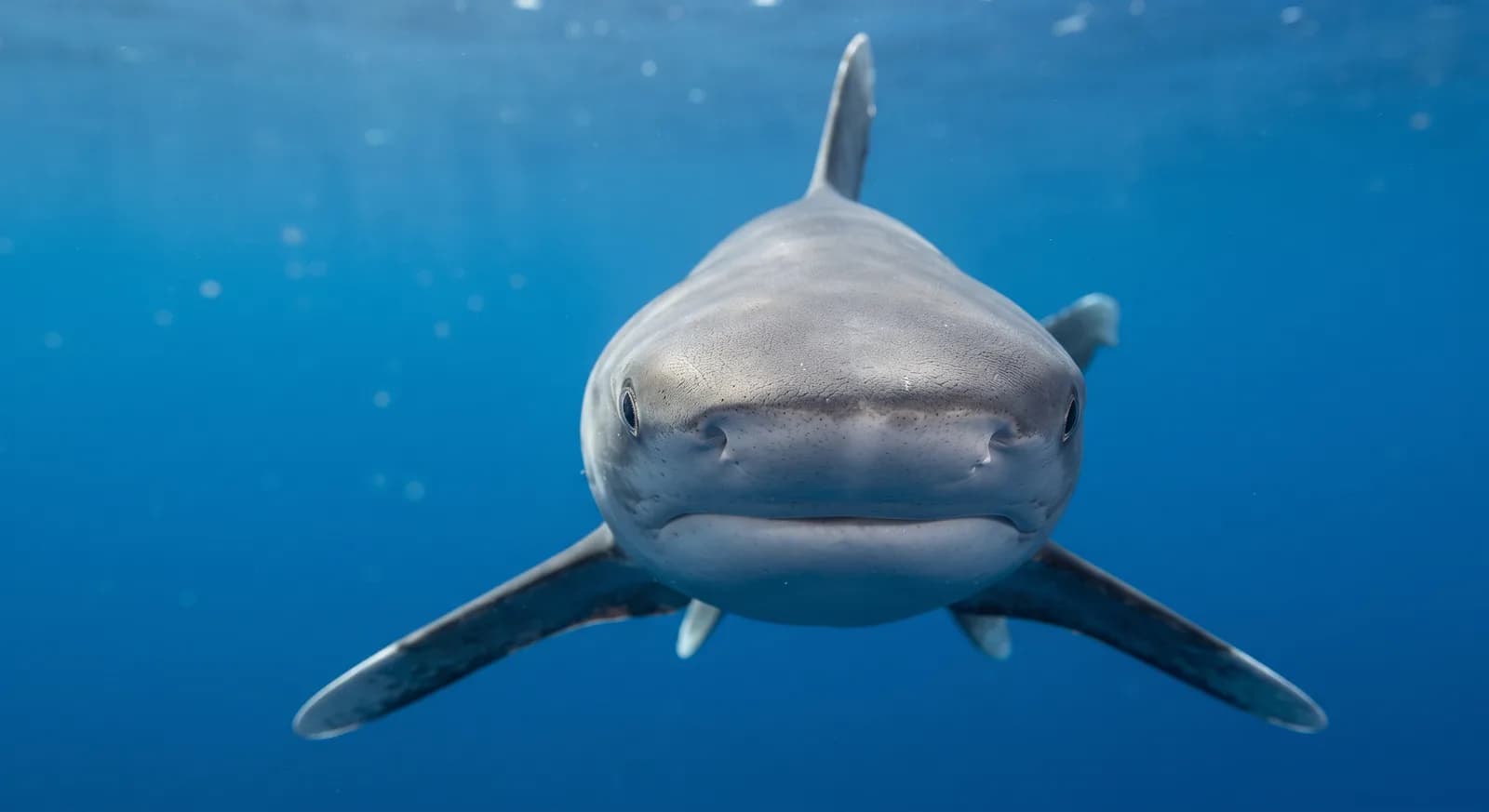
Carcharhinus longimanus

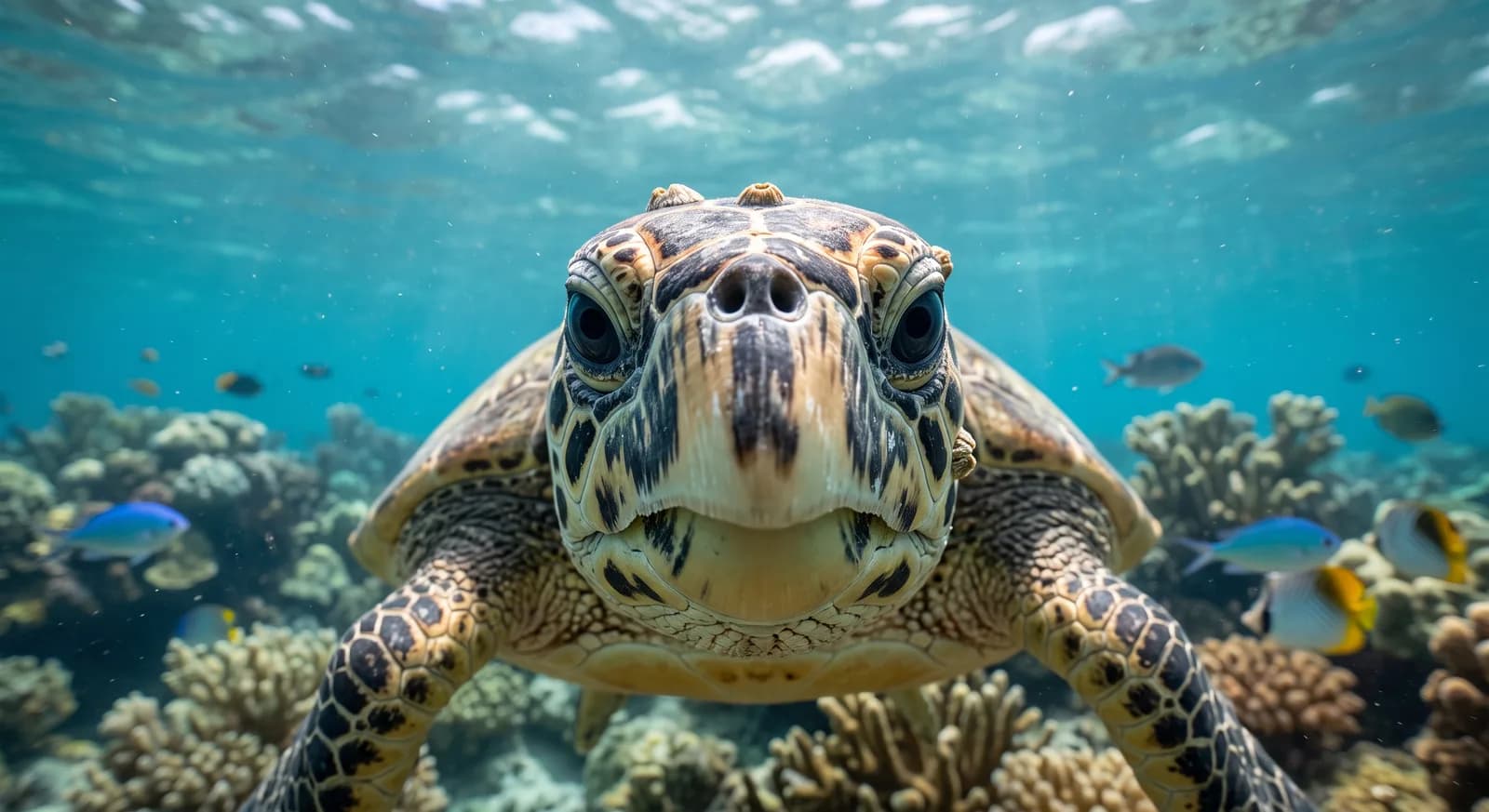
Hawksbill TurtleCritically Endangered

Hawksbill Turtle

Eretmochelys imbricata

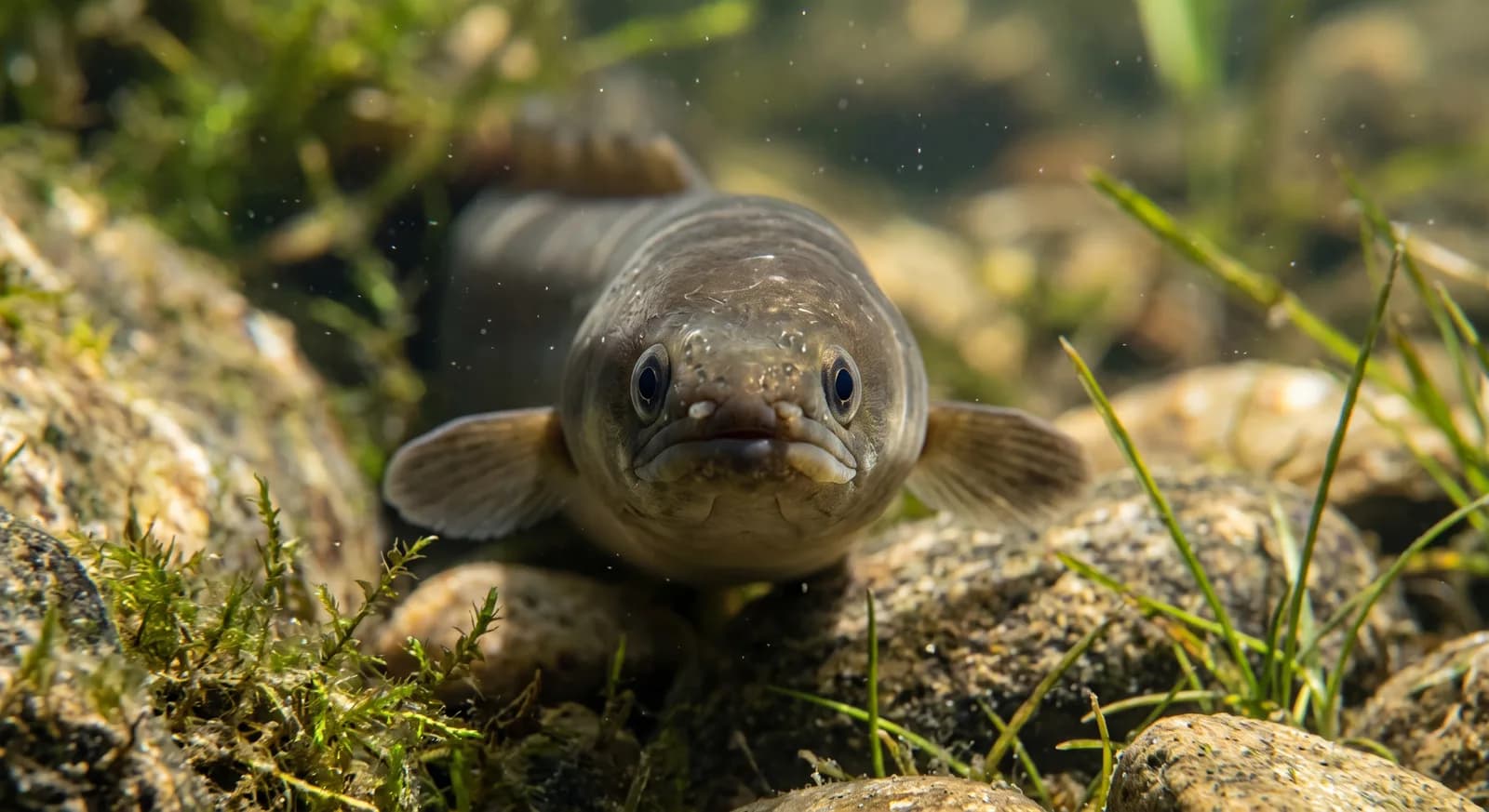
American EelEndangered

American Eel

Anguilla rostrata

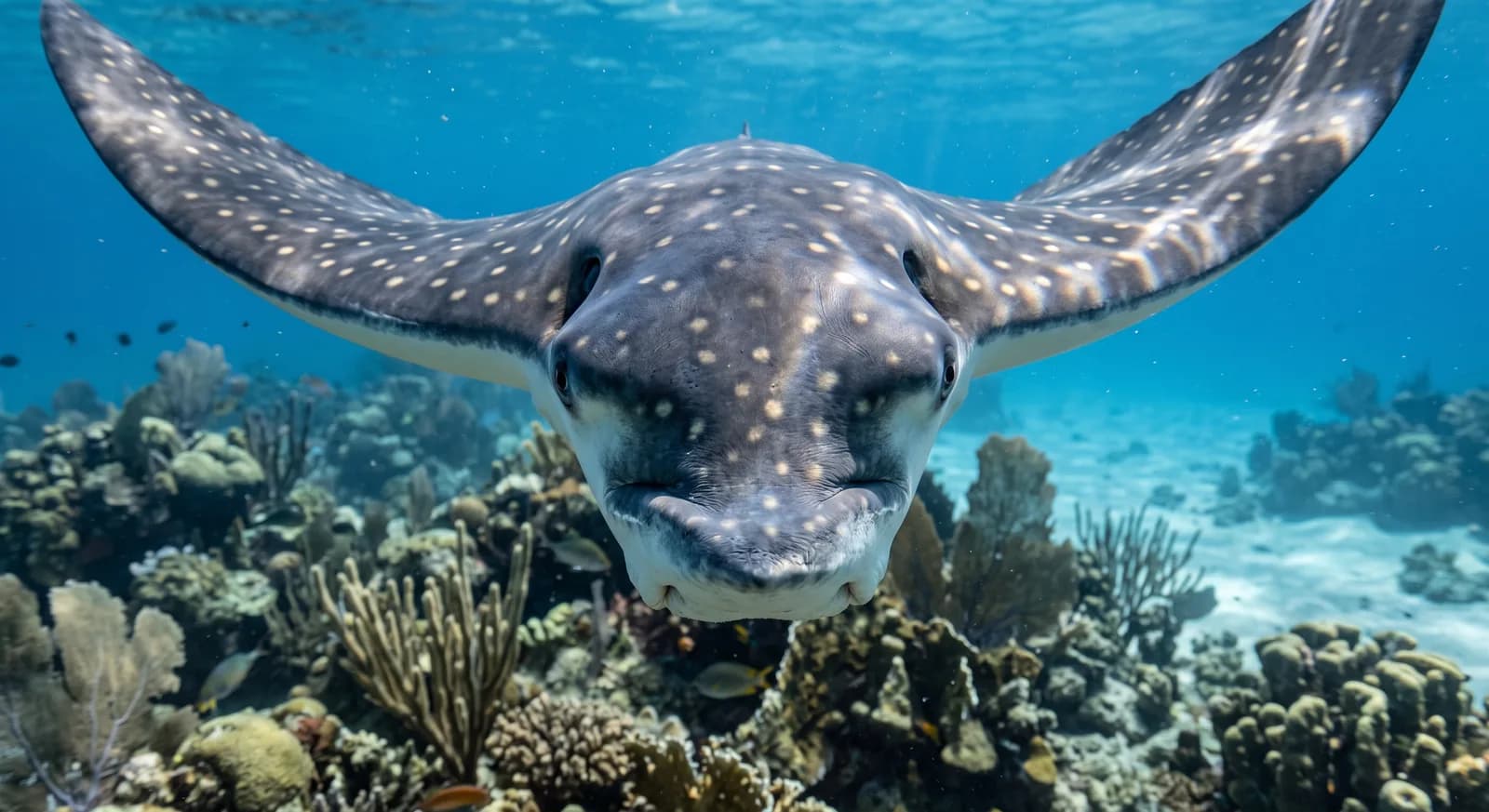
Spotted Eagle RayEndangered

Spotted Eagle Ray

Aetobatus narinari

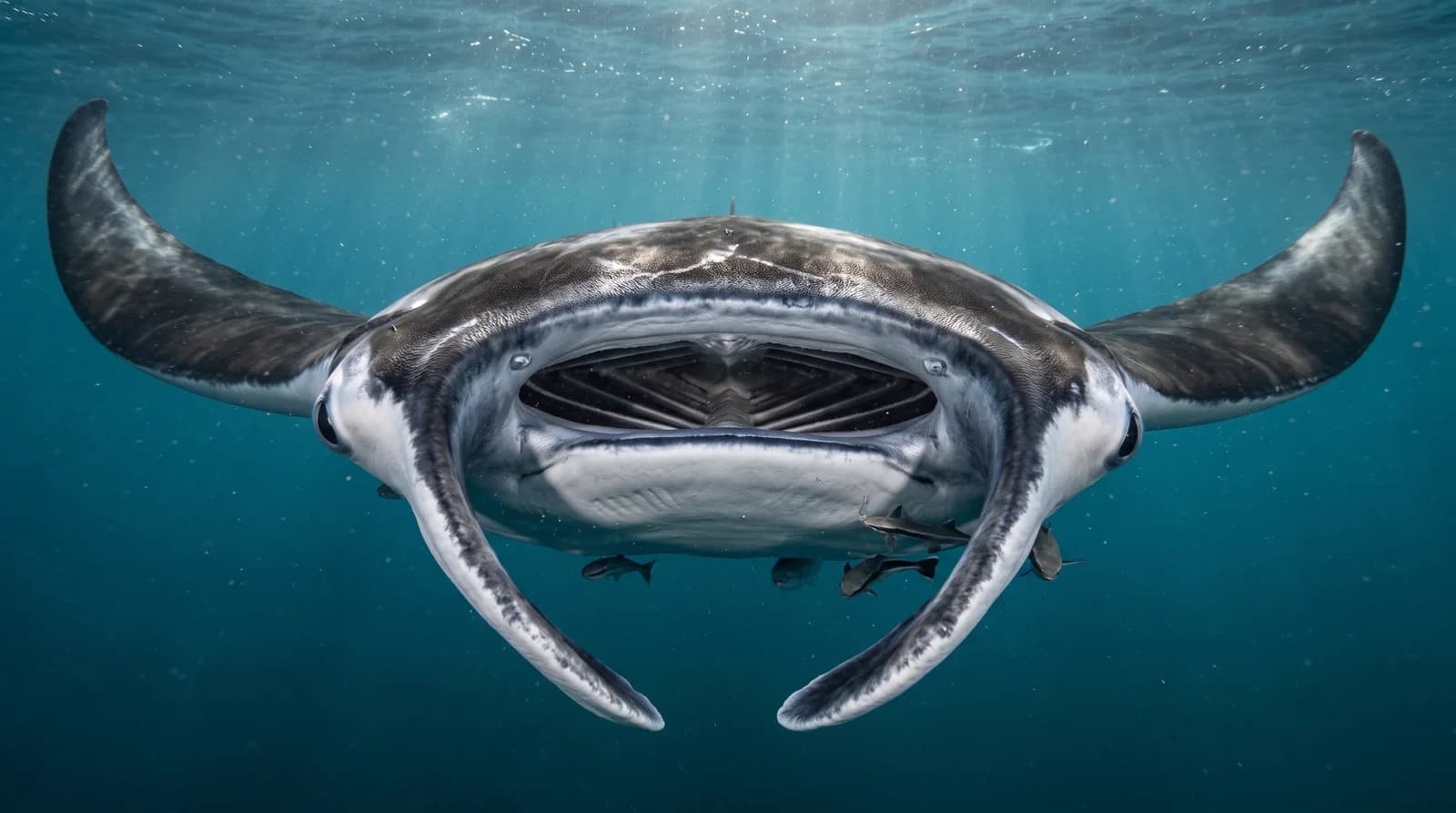
Giant MantaEndangered

Giant Manta

Mobula birostris

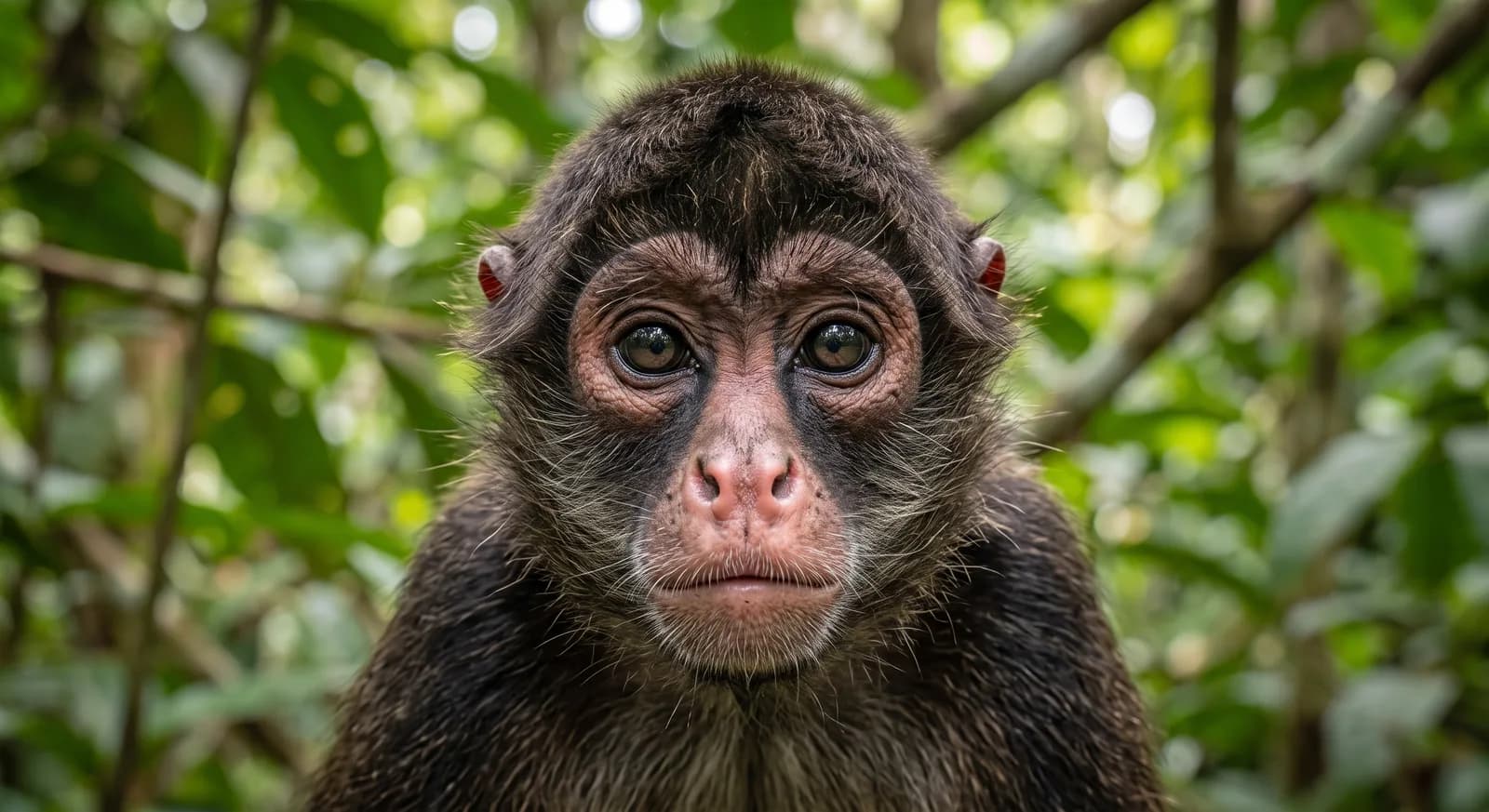
Central American Spider MonkeyEndangered

Central American Spider Monkey

Ateles geoffroyi

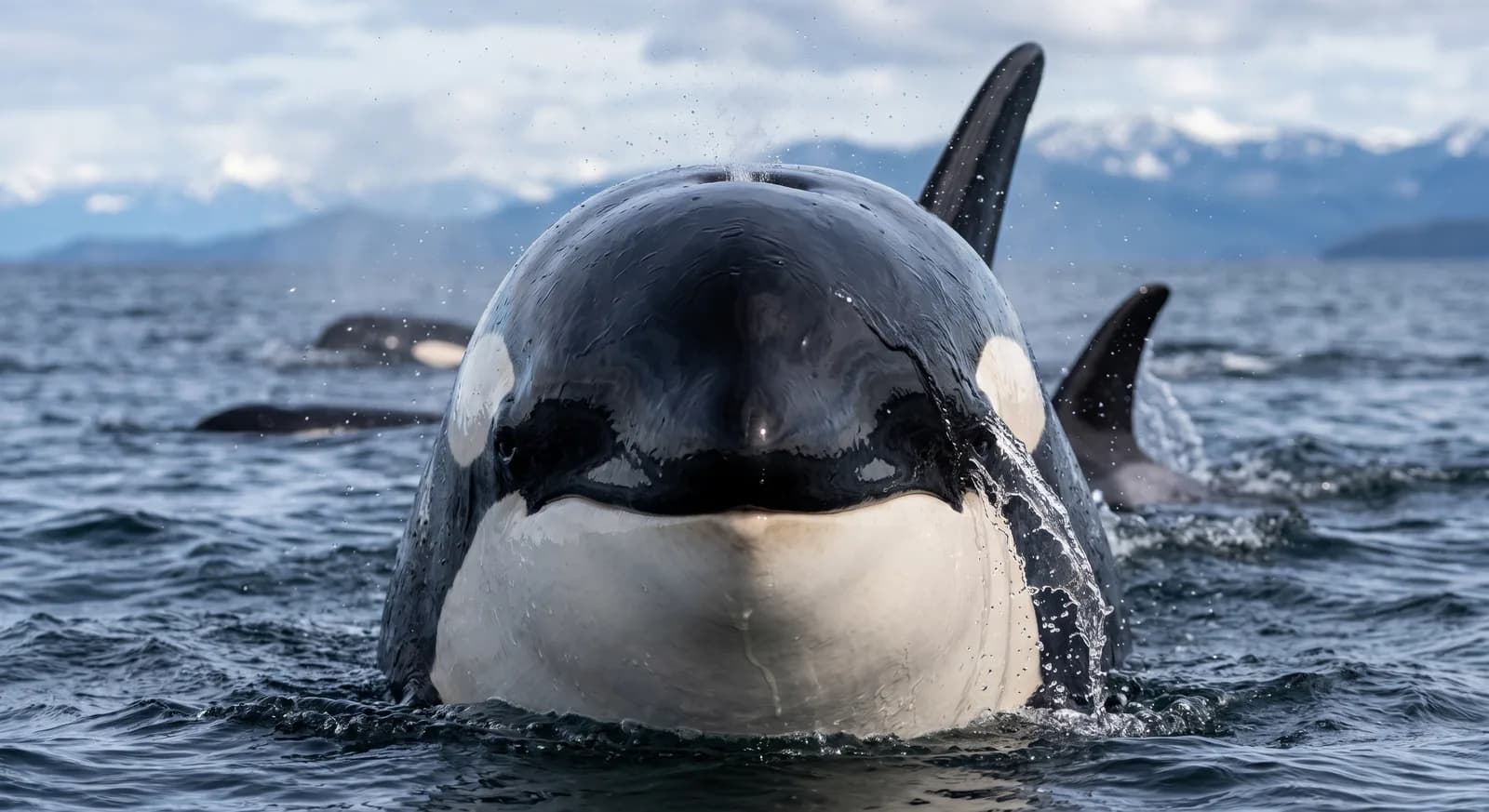
Killer WhaleEndangered

Killer Whale

Orcinus orca

Page 1 of 22
Rainforest
Freshwater
Ocean