 Critically Endangered
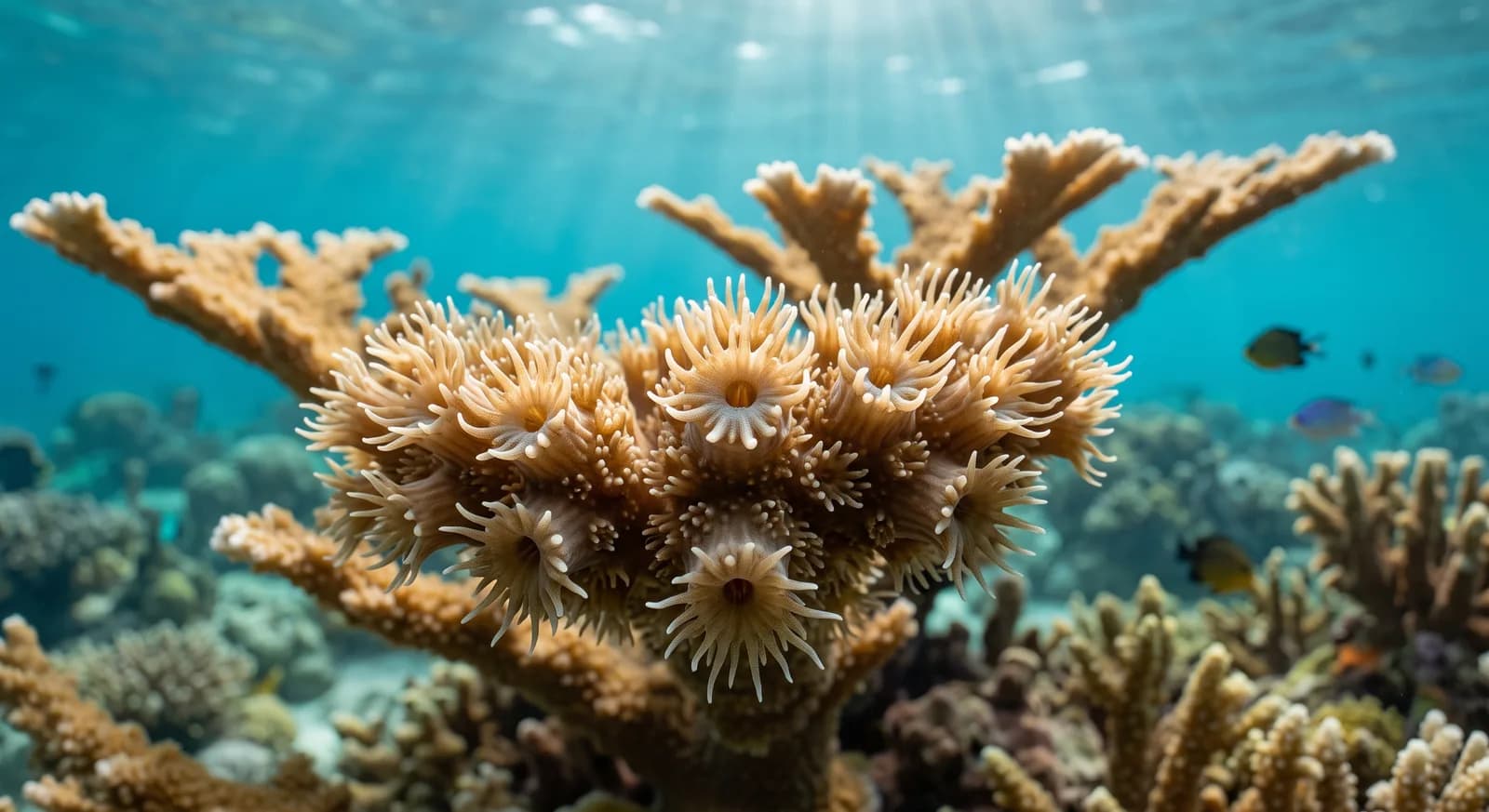
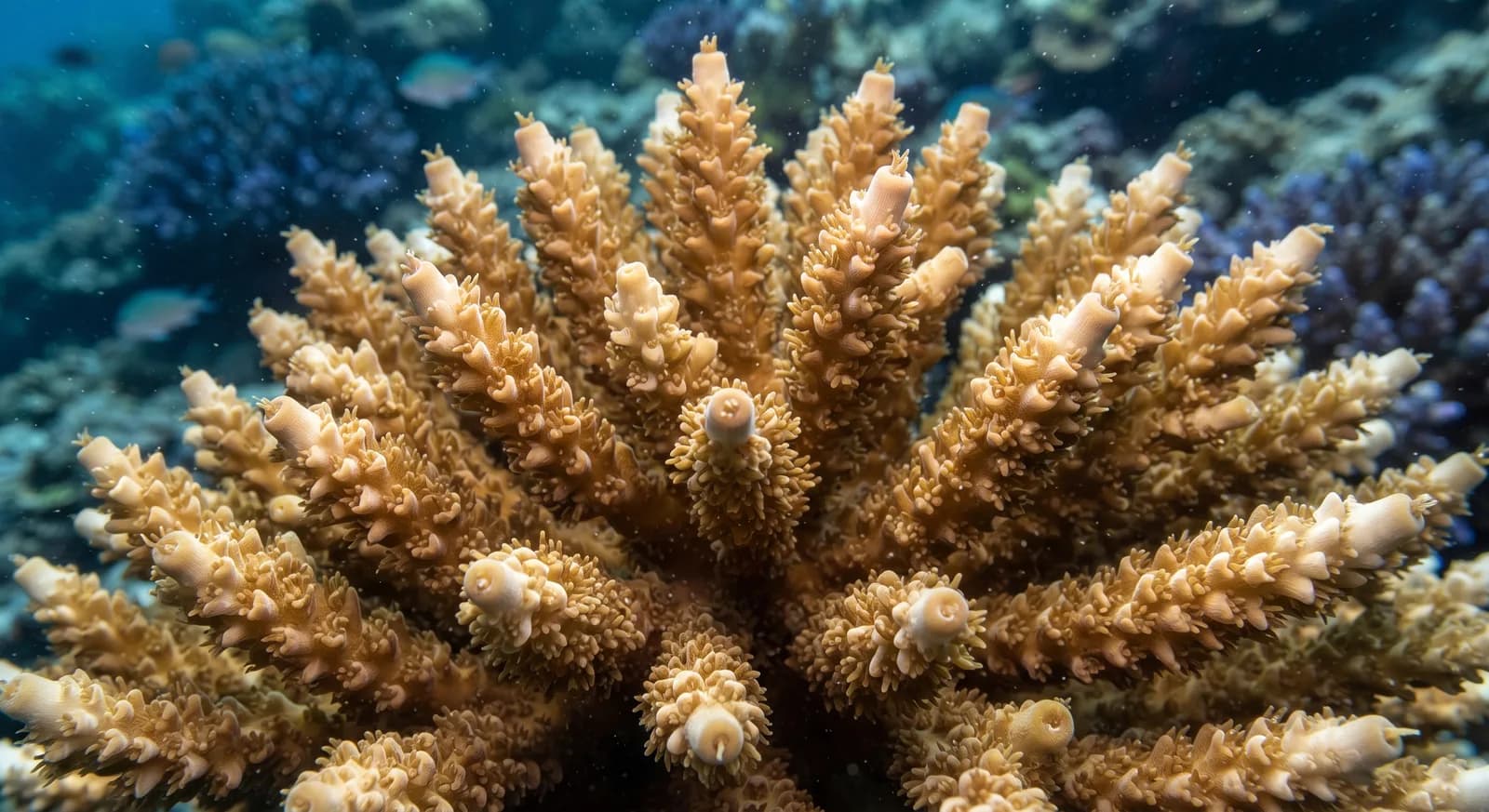
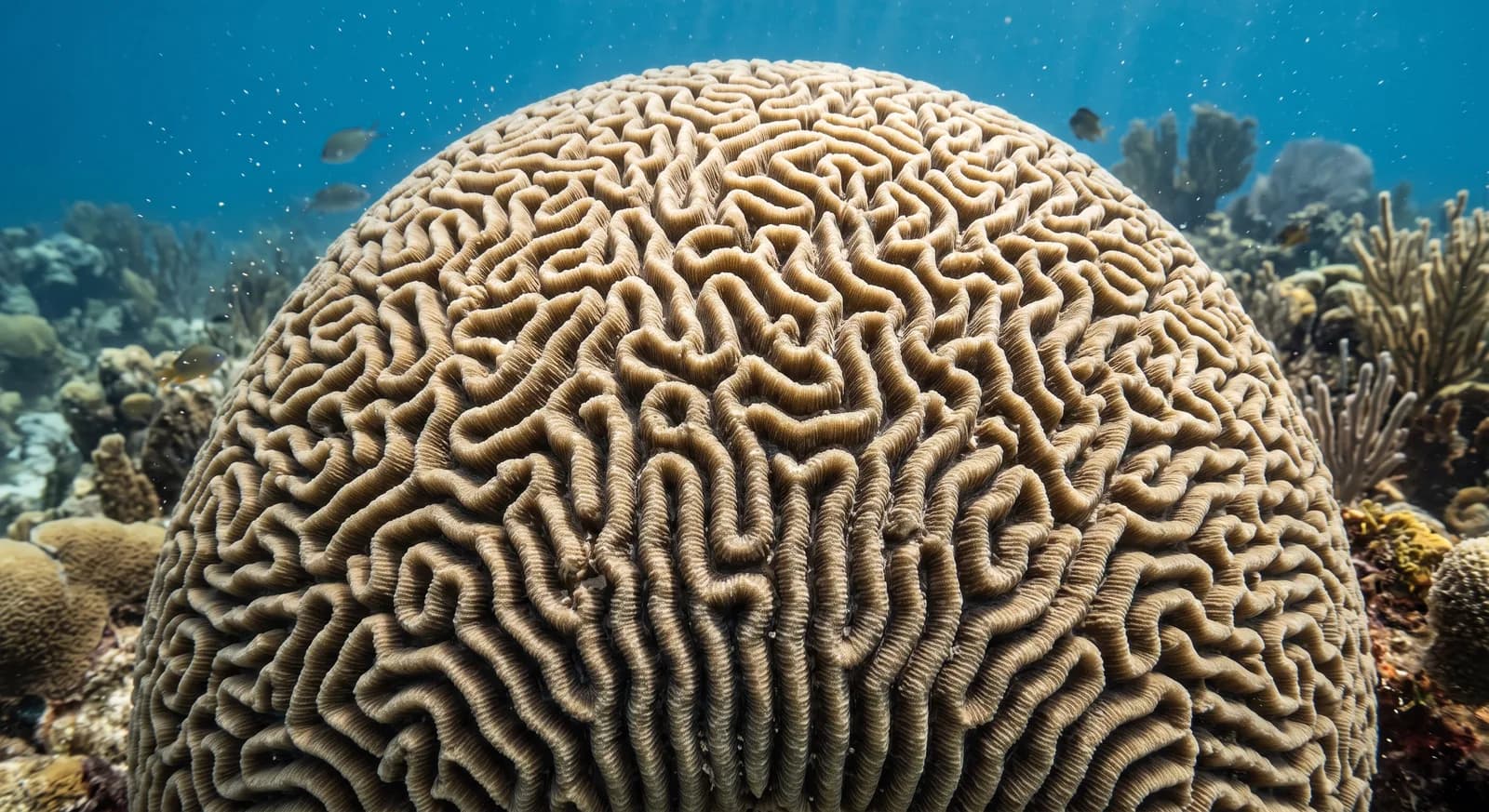
Grooved Brain Coral
Diploria labyrinthiformis
North America
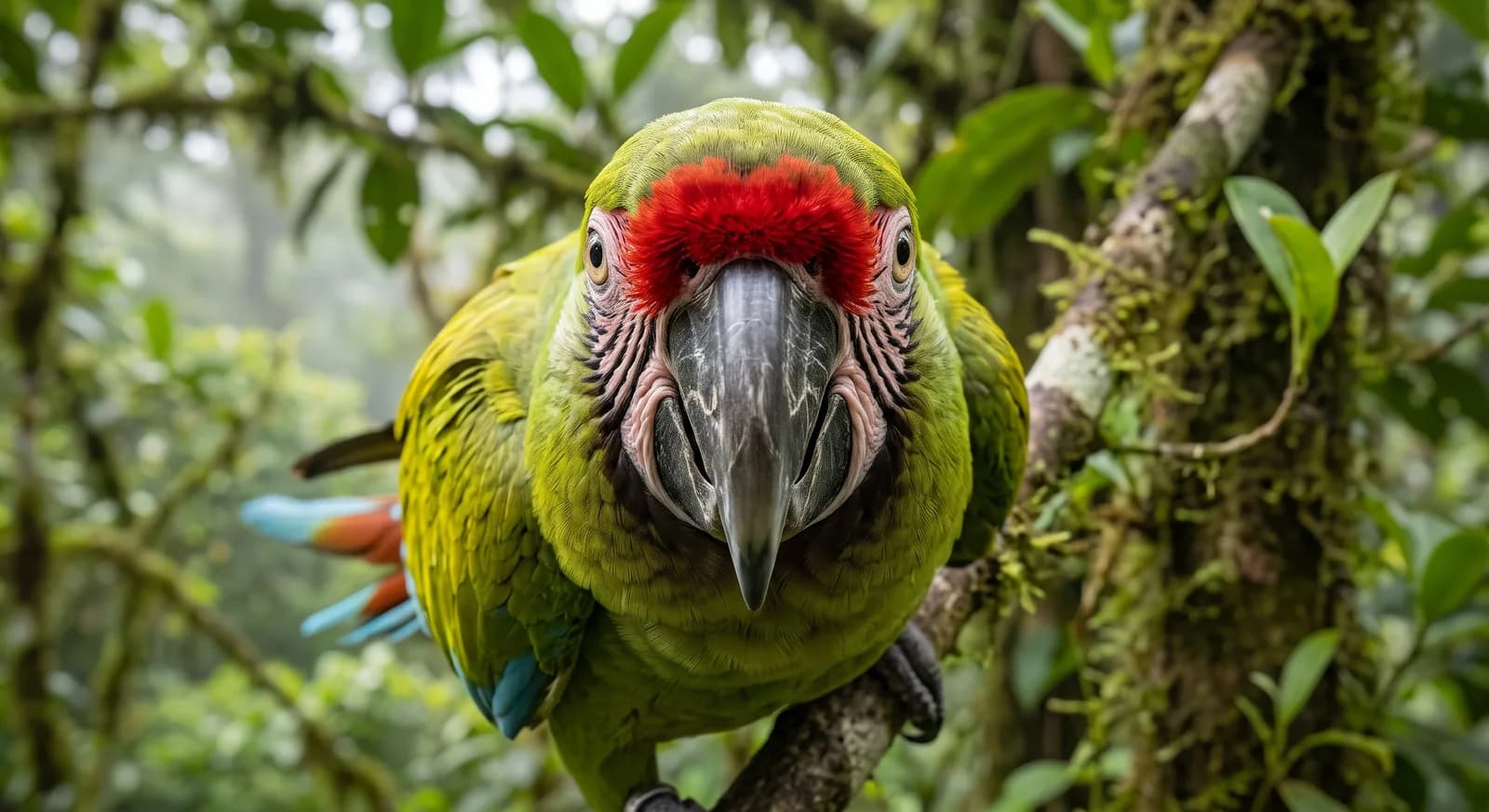
Panama is the narrow land bridge joining North and South America, and its nature is defined by that role as a corridor. In barely eighty kilometres of width it brings together rainforest, cloud forest in the highlands of Chiriquí, mangroves on both coasts and reefs in the Caribbean and the Pacific. The Darién Gap, on the Colombian border, is forest so dense and impenetrable that it breaks the Pan-American Highway. Barro Colorado Island, formed when the Chagres valley was flooded to build the canal, became a biological laboratory where tropical forest has been studied continuously for a century, which has probably made it the best-known rainforest in the world.
National animal: The harpy eagle, the country's national bird
When the isthmus of Panama closed some three million years ago, two continents that had been separated for tens of millions of years were connected and their faunas mixed in what is called the Great American Interchange. Cats, dogs, bears and deer moved south; armadillos, opossums, porcupines and giant ground sloths moved north. That bridge reorganised life across half the planet and also redirected the ocean currents.
The Panamanian golden frog, a national symbol, is considered extinct in the wild because of the chytrid fungus that swept through highland amphibians, and survives only in breeding centres within the country. Coiba, a former penal colony, kept its forests and reefs precisely because it was closed to the public for decades.
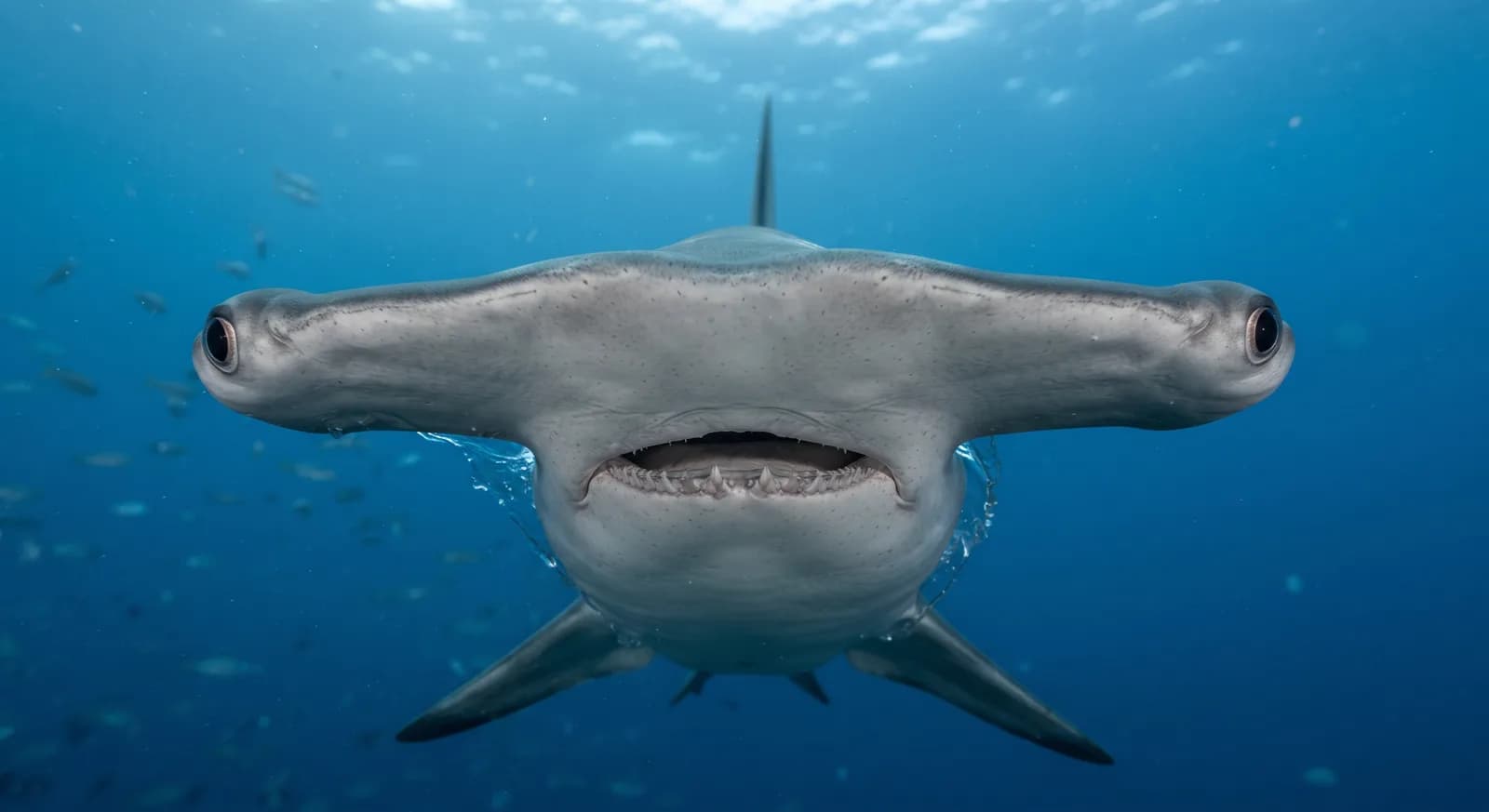
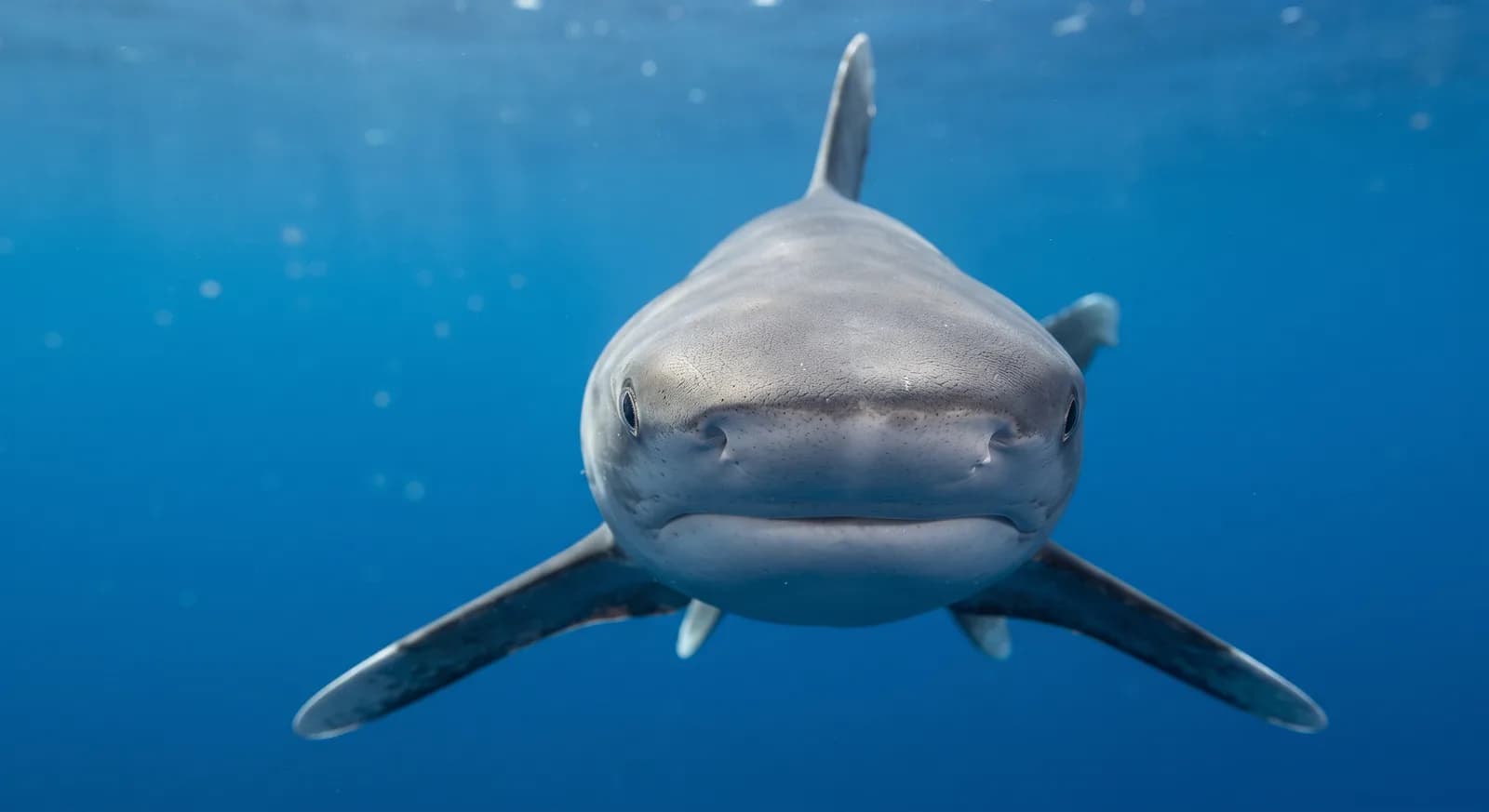
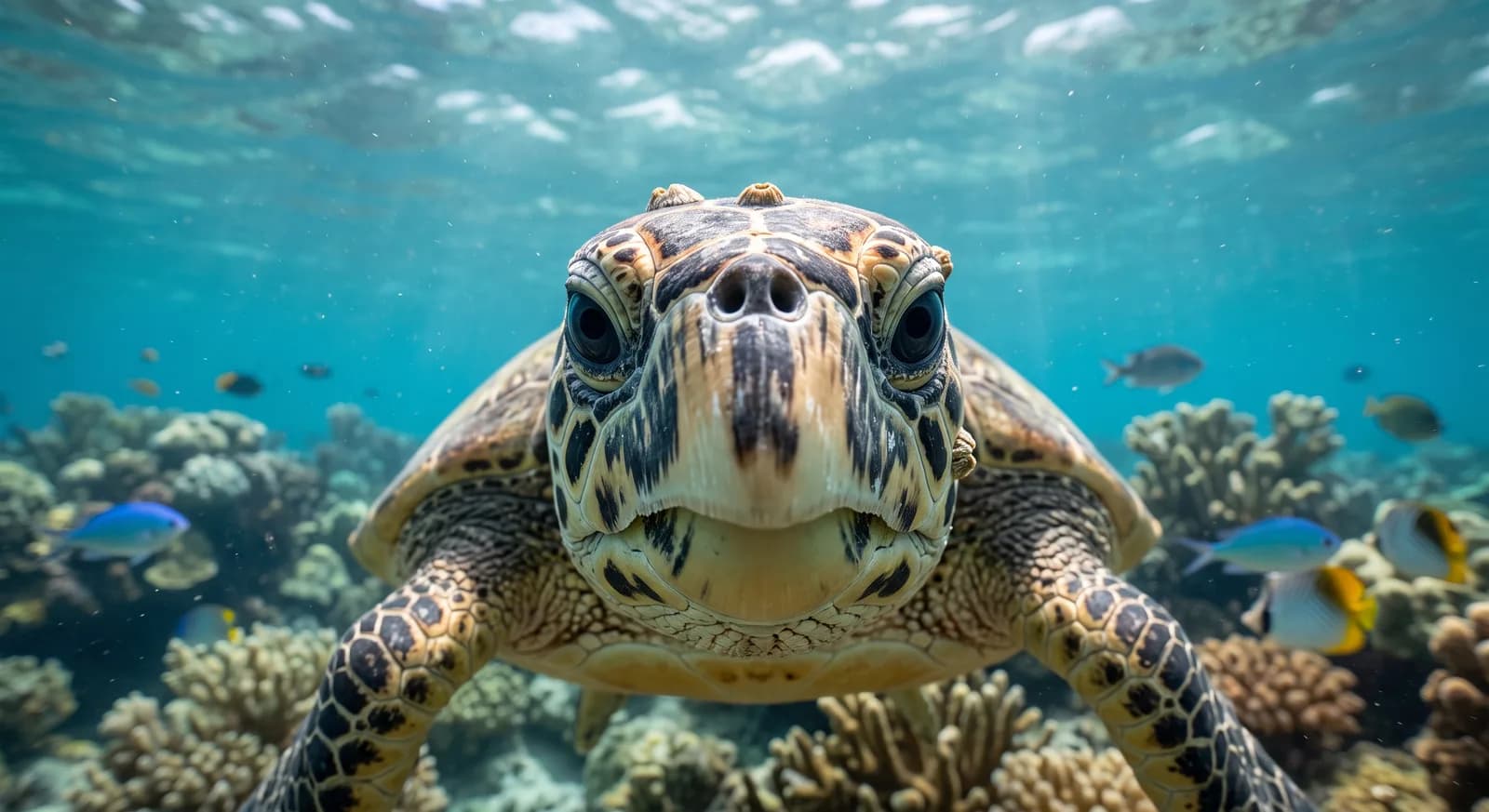
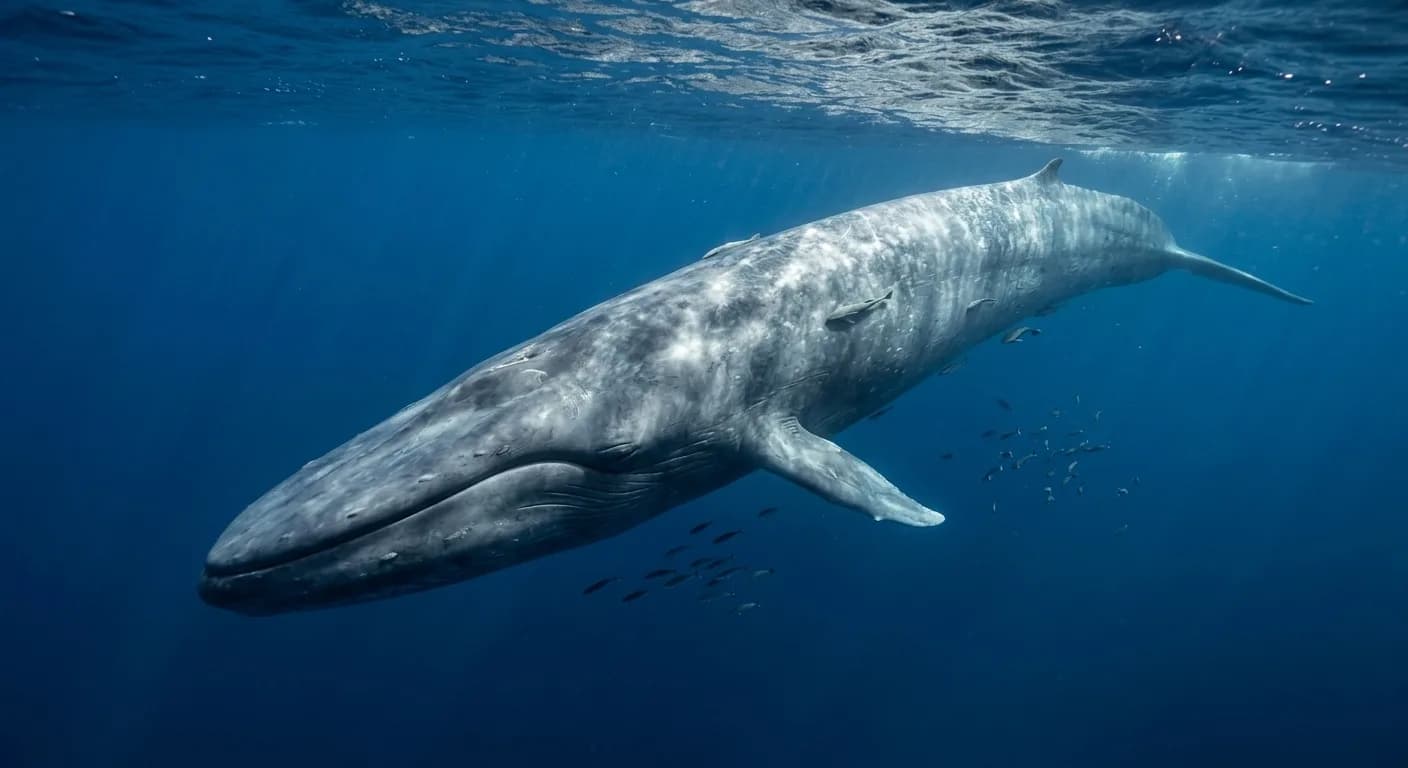
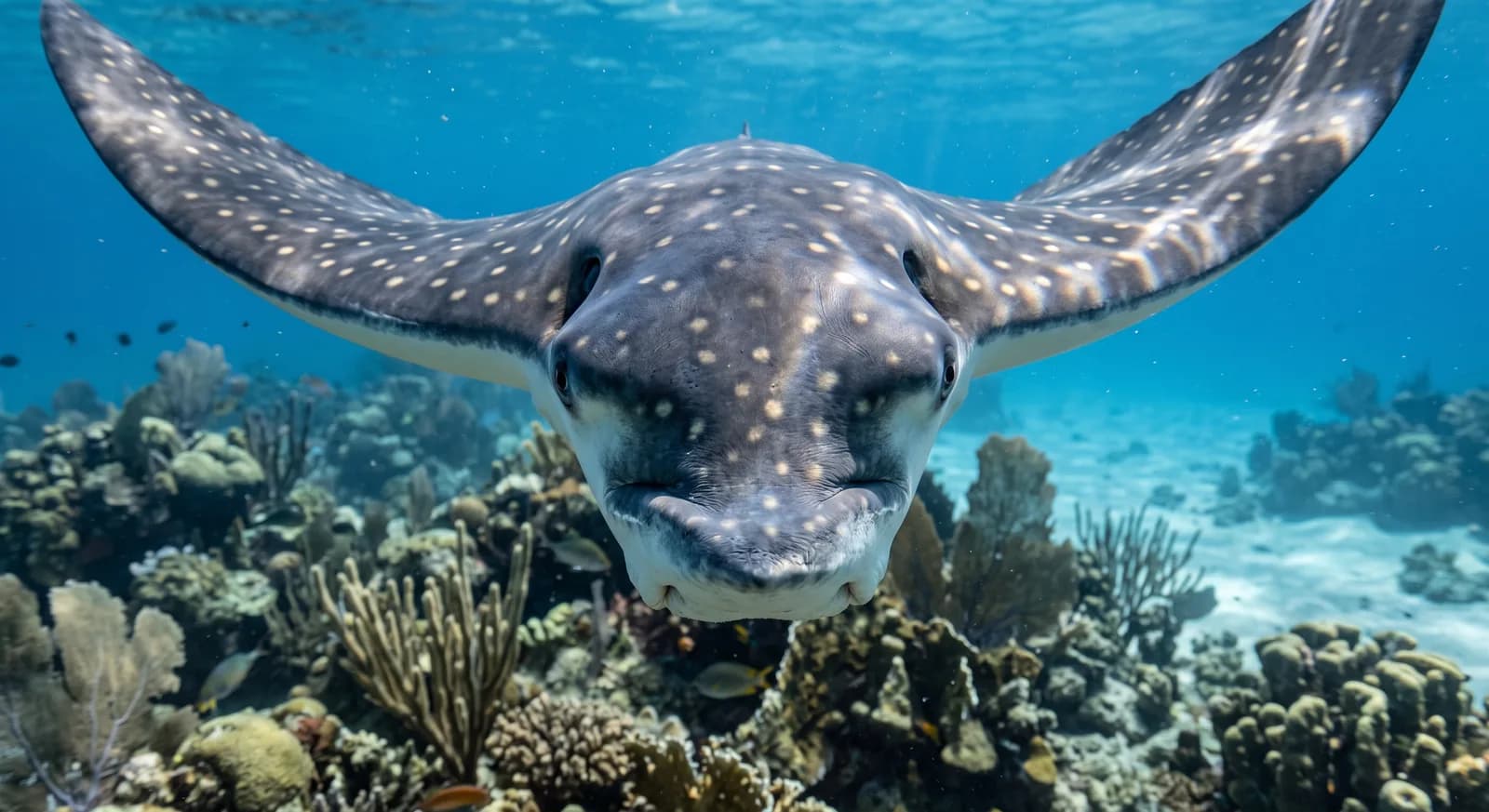
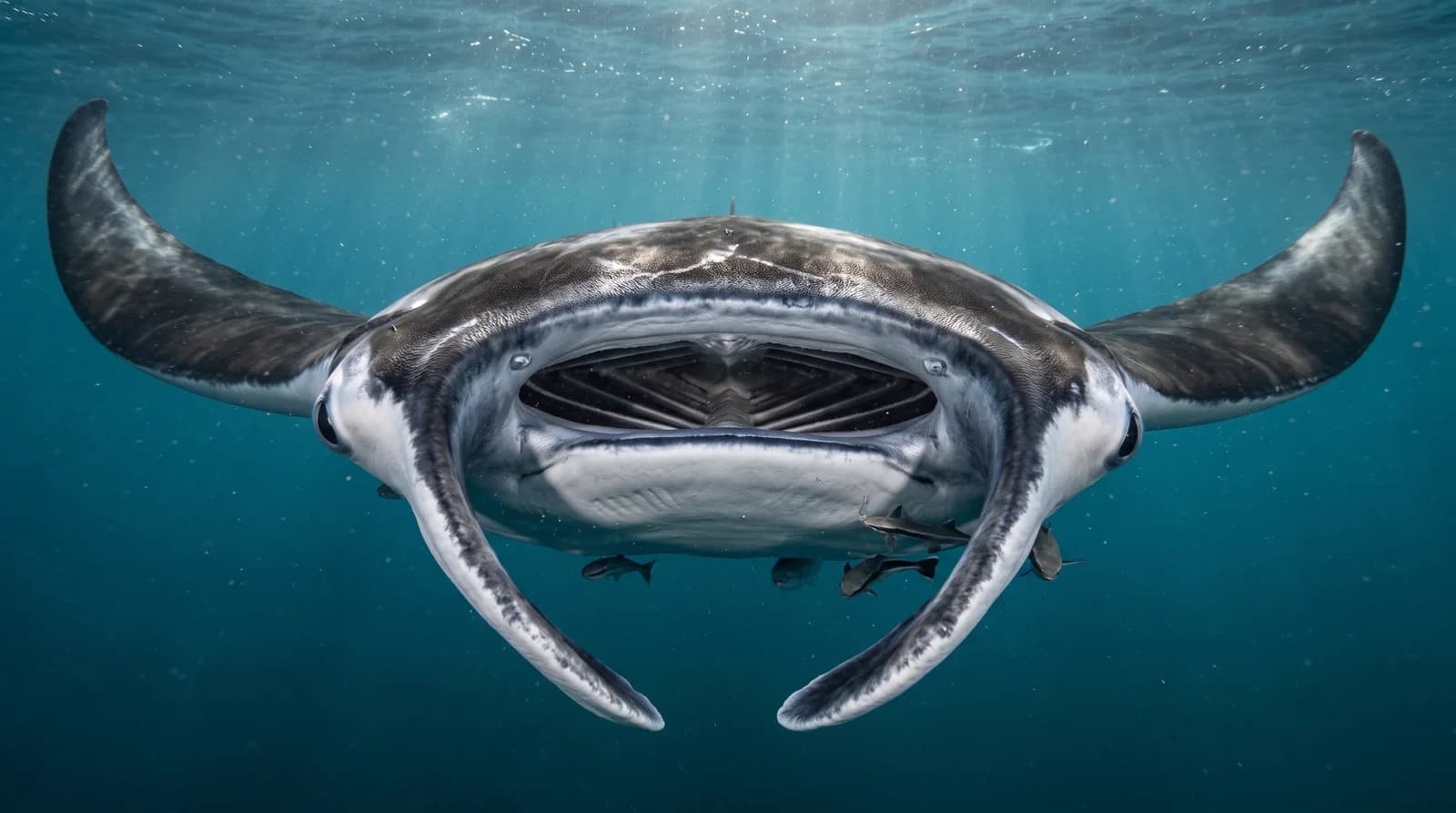
Soberanía and Pipeline Road at dawn for birds. Coiba between December and April for reefs and sharks. The Gulf of Chiriquí between July and October for humpback whales.
Where else might I want to travel?
Same region: Central America and the Caribbean
Same region: Central America and the Caribbean
Same region: Central America and the Caribbean
Same region: Central America and the Caribbean
308 species found
Based on what we already know about Panama.