 Critically Endangered
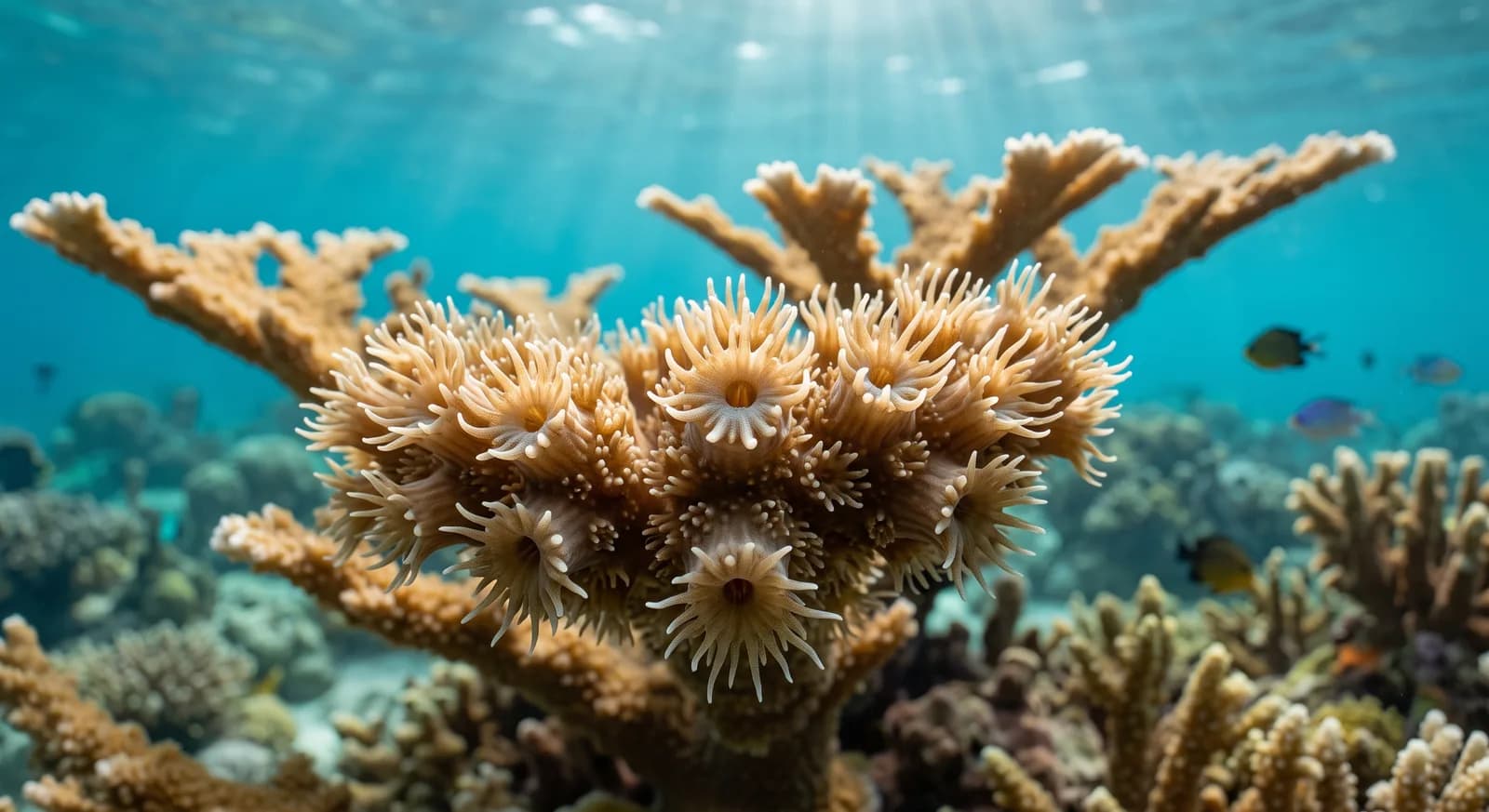
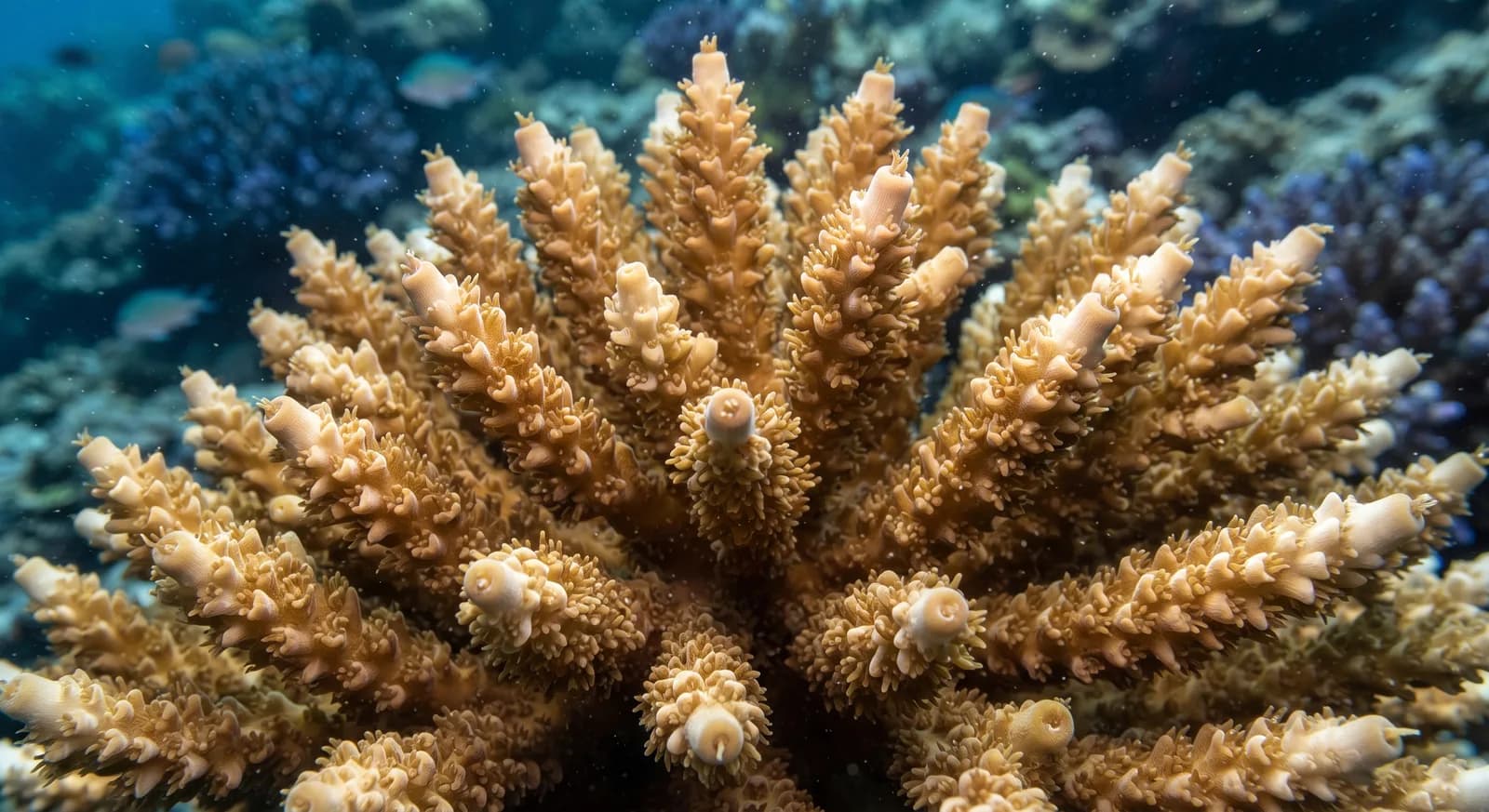
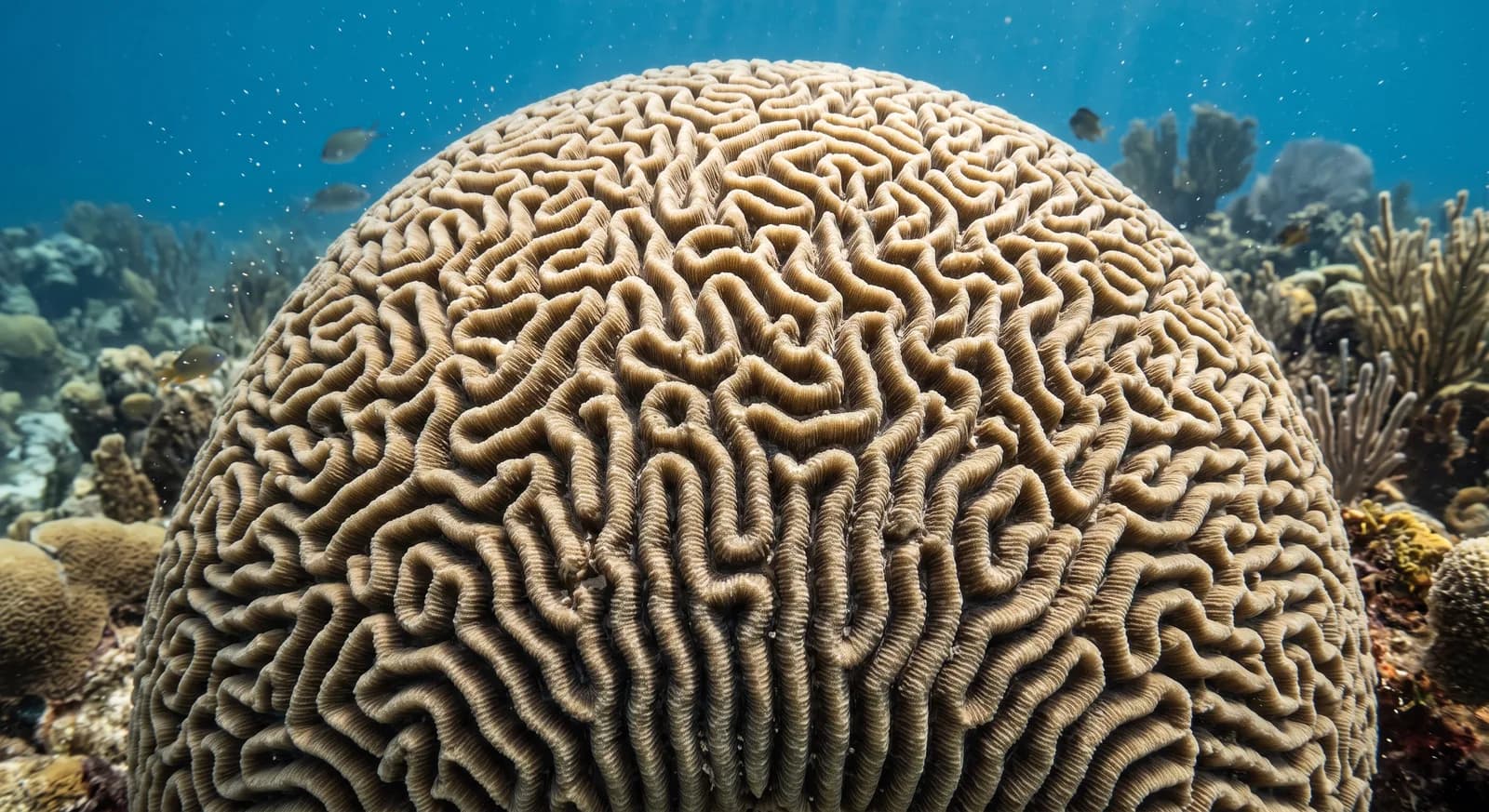
Grooved Brain Coral
Diploria labyrinthiformis
North America
Haiti occupies the western third of Hispaniola and is an intensely mountainous country, with two main ranges separated by the plain of the Artibonite. Its forest cover has been reduced to a minimal fraction by felling for charcoal and by farming pressure on very steep slopes, which has caused severe erosion. Even so, the La Hotte and La Selle massifs keep pine forests and relict cloud forests that hold an astonishing concentration of species found nowhere else, above all amphibians: those mountains rank among the places on the planet with the most threatened frog species per unit of area. The coast contributes mangroves, reefs and wetlands such as Trou Caïman.
National animal: The Hispaniolan trogon, the country's national bird
The Hispaniolan solenodon is one of the very few venomous mammals in the world: it injects its toxin through a groove in the second lower incisor, a mechanism similar to that of a snake but in a small nocturnal insectivore with a flexible snout. Its lineage separated from the rest of the mammals more than seventy million years ago, so its ancestors were already living on the island when the asteroid that wiped out the dinosaurs struck.
The La Hotte massif is considered one of the most critical places in the world for amphibian conservation, with dozens of frog species that live nowhere else and that depend on a few square kilometres of forest. Charcoal production is the main driver of deforestation.
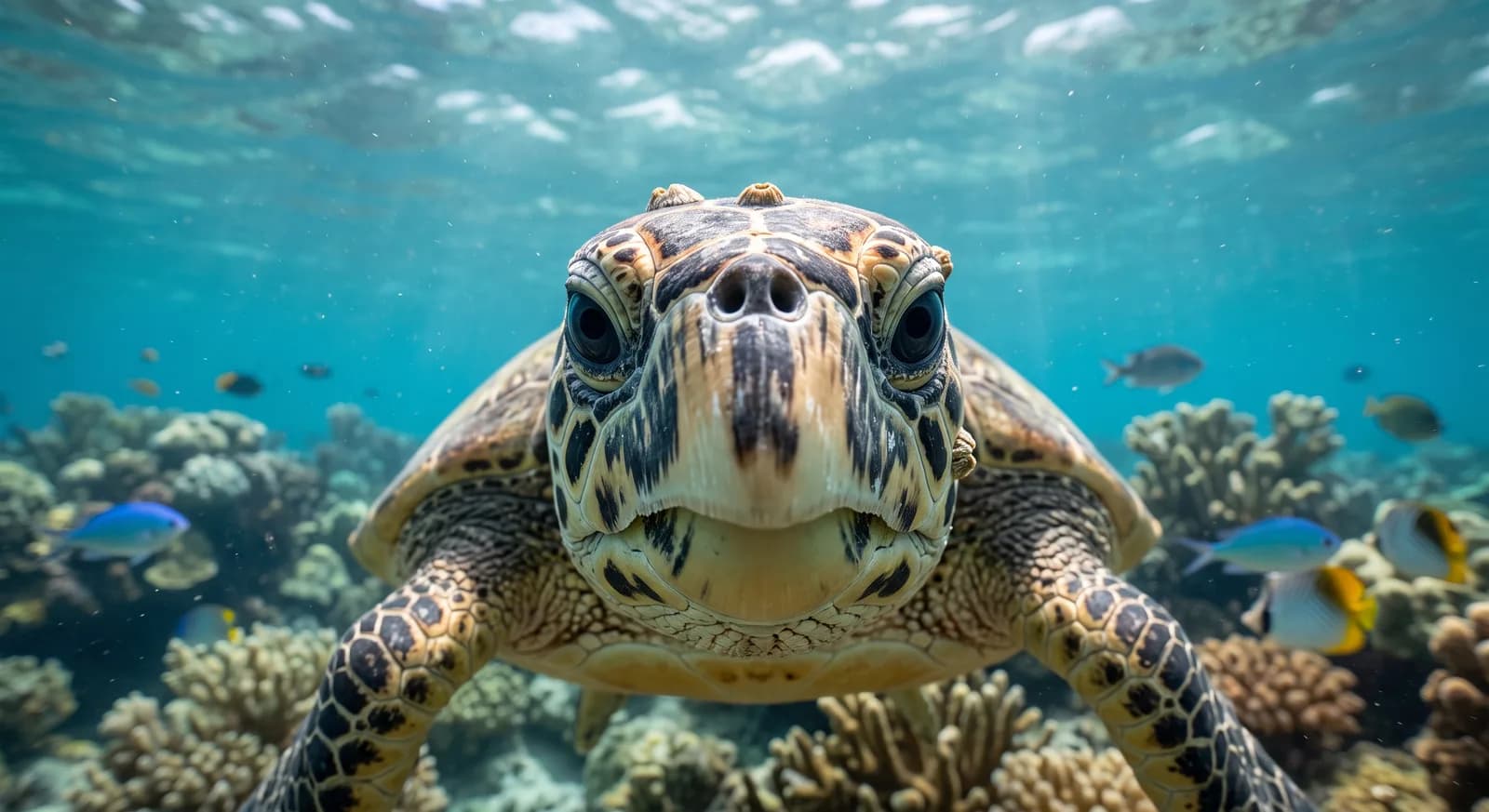
Pic Macaya and La Visite in the wet season for endemic amphibians. Trou Caïman between November and March for flamingos and waterbirds. The south coast for reefs and turtles.
Where else might I want to travel?
Same region: Central America and the Caribbean
Same region: Central America and the Caribbean
Same region: Central America and the Caribbean
Same region: Central America and the Caribbean
143 species found
Based on what we already know about Haiti.