 Critically Endangered
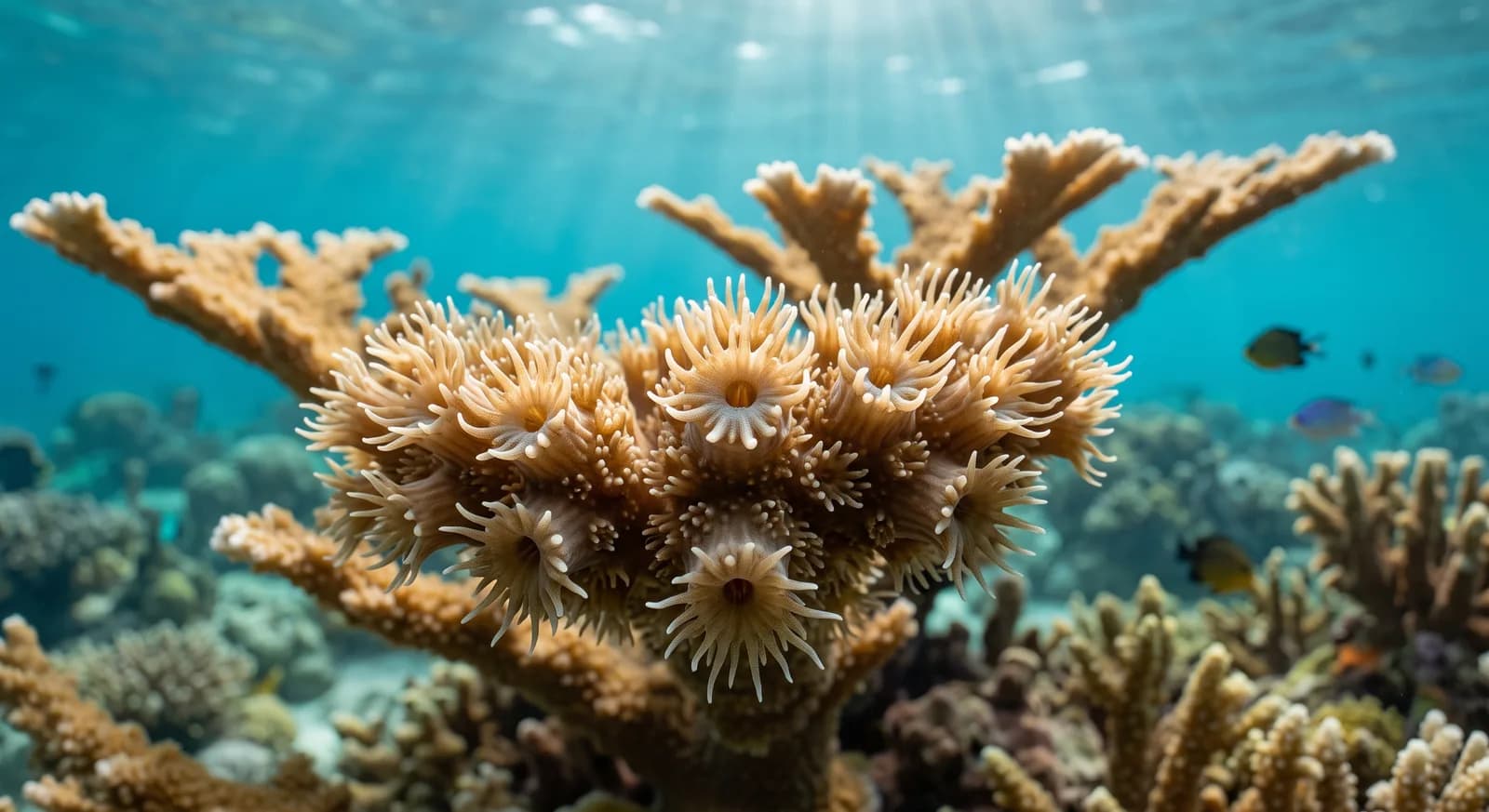
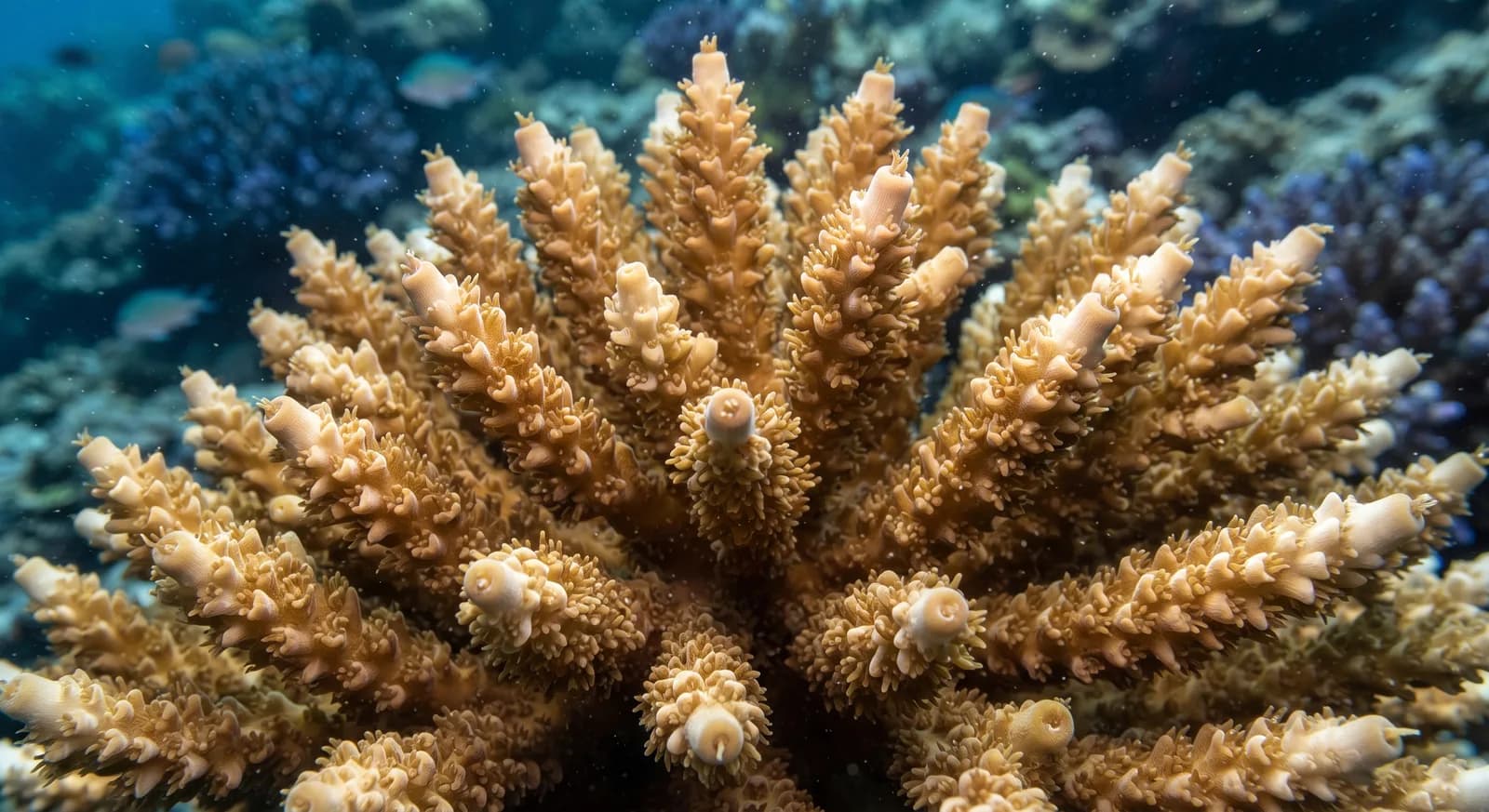
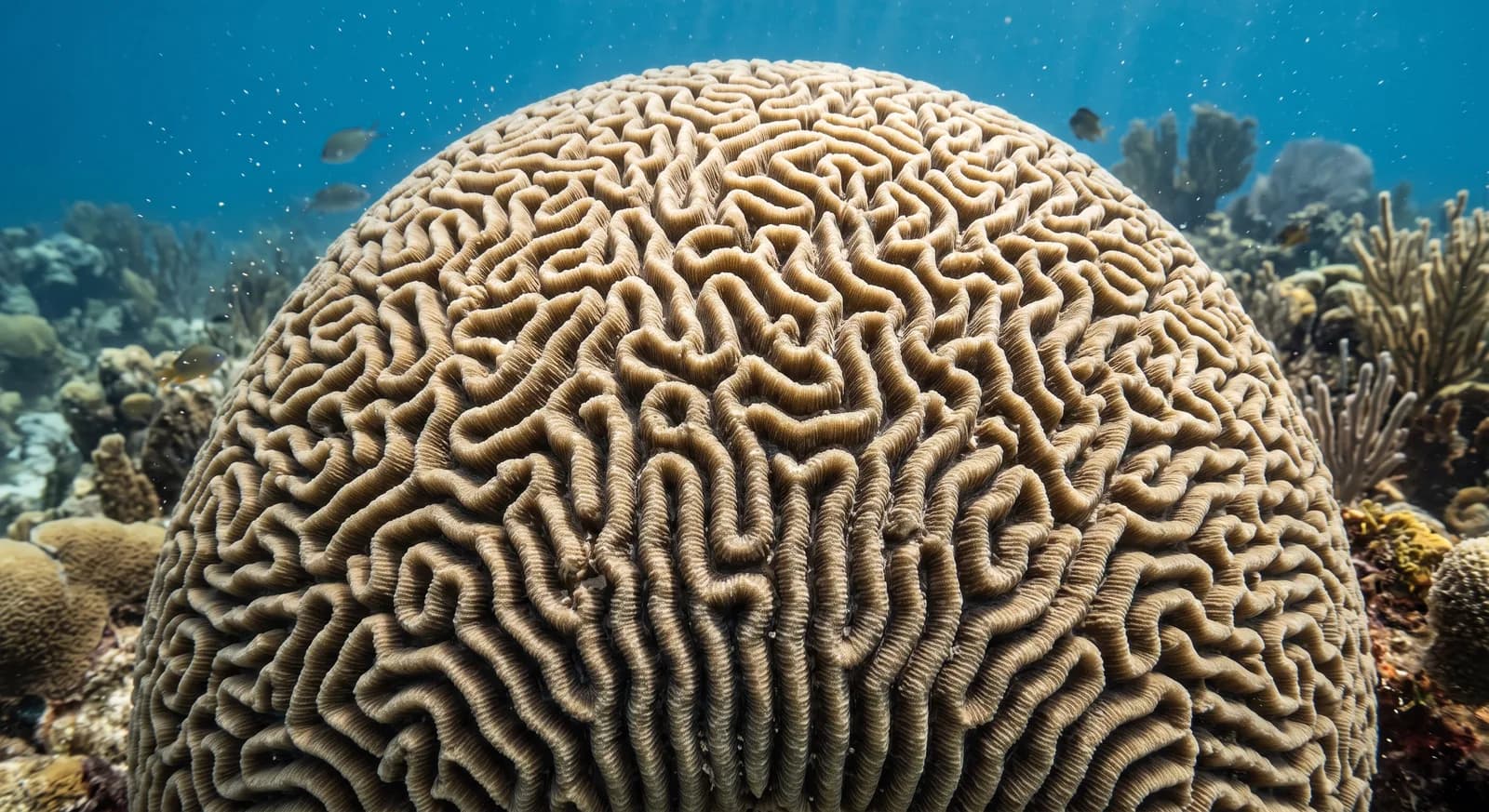
Grooved Brain Coral
Diploria labyrinthiformis
North America
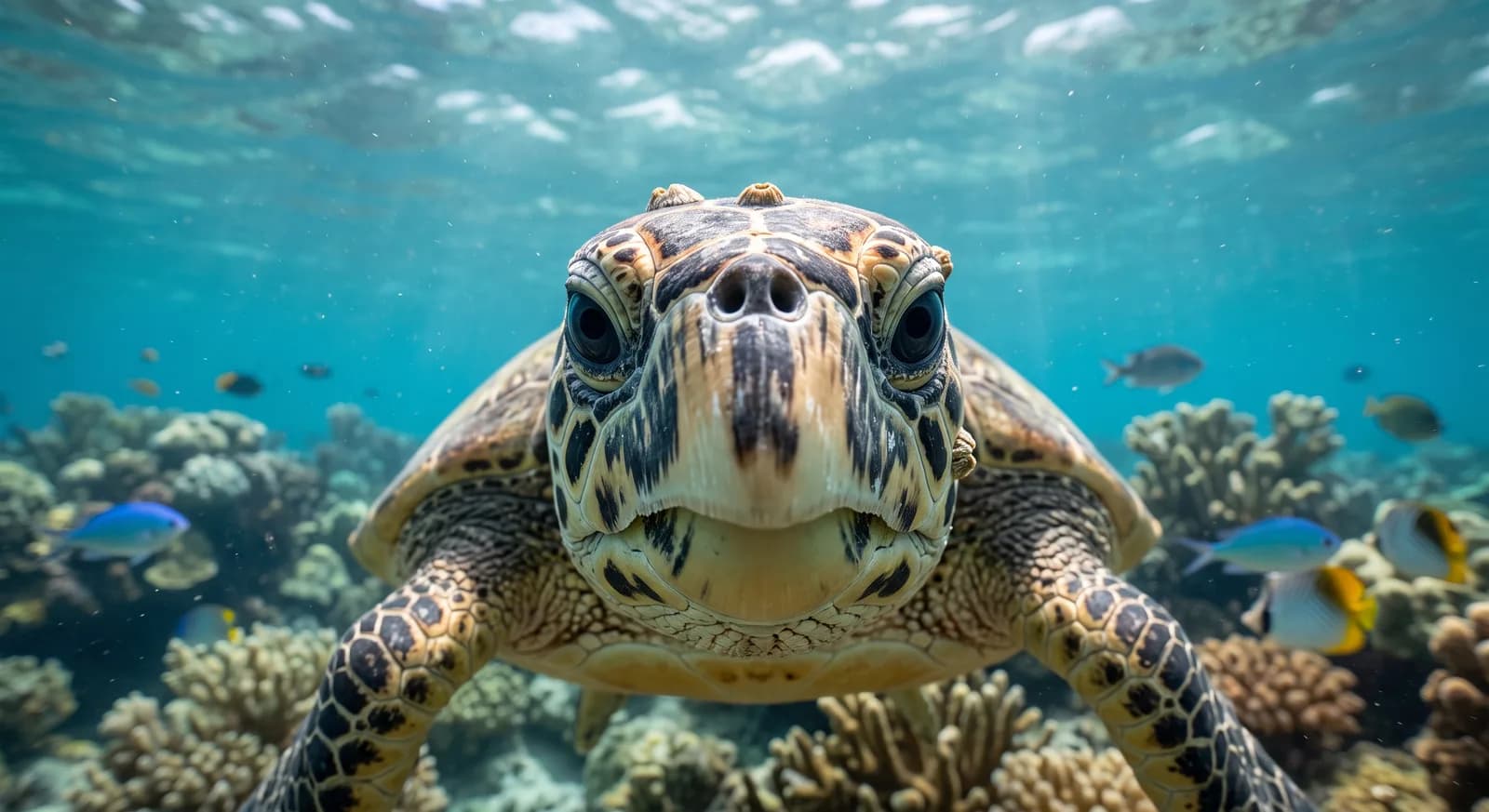
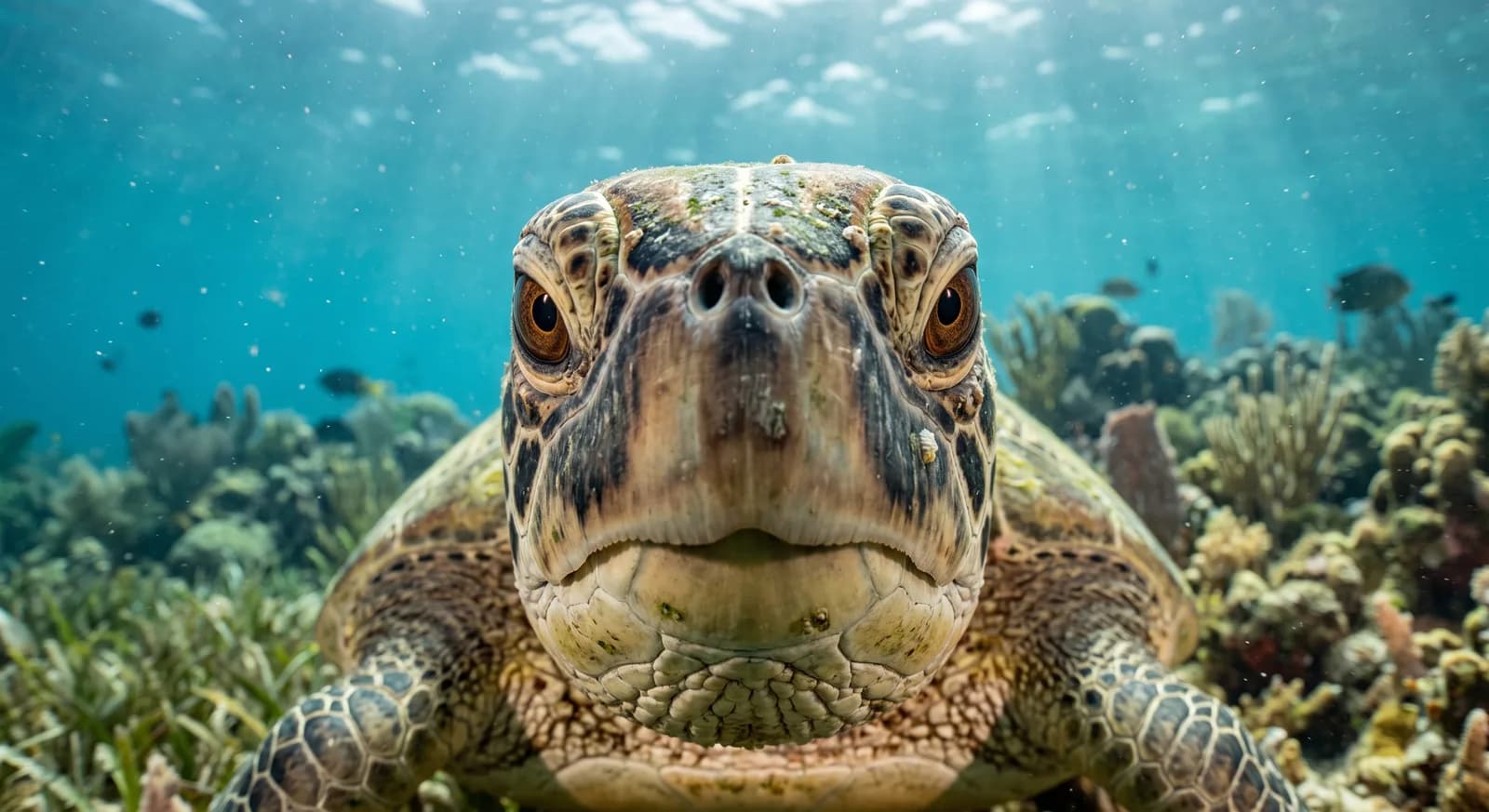
Saint Kitts and Nevis is the smallest country in the Americas and is made up of two volcanic islands separated by a narrow channel. Saint Kitts is dominated by the Liamuiga massif, a dormant volcano with a vegetation-covered crater, on whose slopes the largest expanse of rainforest in the country survives, protected as a national park. Nevis, smaller and almost circular in shape, has a central peak wrapped almost permanently in cloud, which is what gives it its name. Both islands keep mangroves, reefs and seagrass meadows, and leatherback and hawksbill turtles nest on their beaches. The drier southeast peninsula of Saint Kitts holds salt ponds and lagoons frequented by waterbirds.
National animal: The brown pelican, the country's national bird
The green monkeys that populate the islands today arrived with the French colonists some three hundred and fifty years ago from West Africa and have multiplied until they outnumber the human population. Their abundance and their habit of stealing drinks from tourists on the beaches have made them, paradoxically, the subjects of scientific studies on alcohol consumption, as well as a serious problem for local crops.
The mongoose, introduced to control the rats of the cane fields, and the green monkeys are the two exotic species that put the most pressure on native wildlife. The marine protected area created around Saint Kitts regulates fishing and anchoring over reefs and seagrass meadows.
The Central Forest Reserve at dawn for monkeys and forest birds. The southeastern salt ponds in winter for waterbirds. The northern beaches between March and August for turtles.
Where else might I want to travel?
Same region: Central America and the Caribbean
Same region: Central America and the Caribbean
Same region: Central America and the Caribbean
Same region: Central America and the Caribbean
111 species found
Based on what we already know about Saint Kitts and Nevis.