Skip to content
WAnimals
  • Map
  • Species
  • Parks
  • Diving
Log inCreate account
WAnimals

The guide for travellers and animal lovers: discover, plan and share your wild adventures around the world.

Discover wildlife

  • Species
  • Ecosystems
  • Glossary
  • Tags

Explore places

  • Map
  • Countries
  • Parks
  • Diving

Plan experiences

  • Guides

Learn

  • Blog

Resources

  • Help centre
  • Contact
  • Install the app

Follow us

Account

  • Log in
  • Create account

© 2026 WAnimals. All rights reserved.

About usHow we build our profilesTerms of servicePrivacyLegal notice
MapSpeciesParksDiving
  1. Home
  2. Species
  3. Tarpon
Tarpon (Megalops atlanticus)

Bony fish · Elopiformes · Megalopidae

Tarpon

Megalops atlanticus

Vulnerable

At high risk of extinction in the wild over the medium term.

Spotted something wrong?

The tarpon is an elopiform bony fish of the family Megalopidae.

Weight

88.6 kg on average

Size

up to 2.5 m

Life expectancy

78 years
Diet

Carnivore

Feeds mainly on other animals.

Sighting difficulty

Moderate

OceanFreshwater
50countries29parks24dive sites

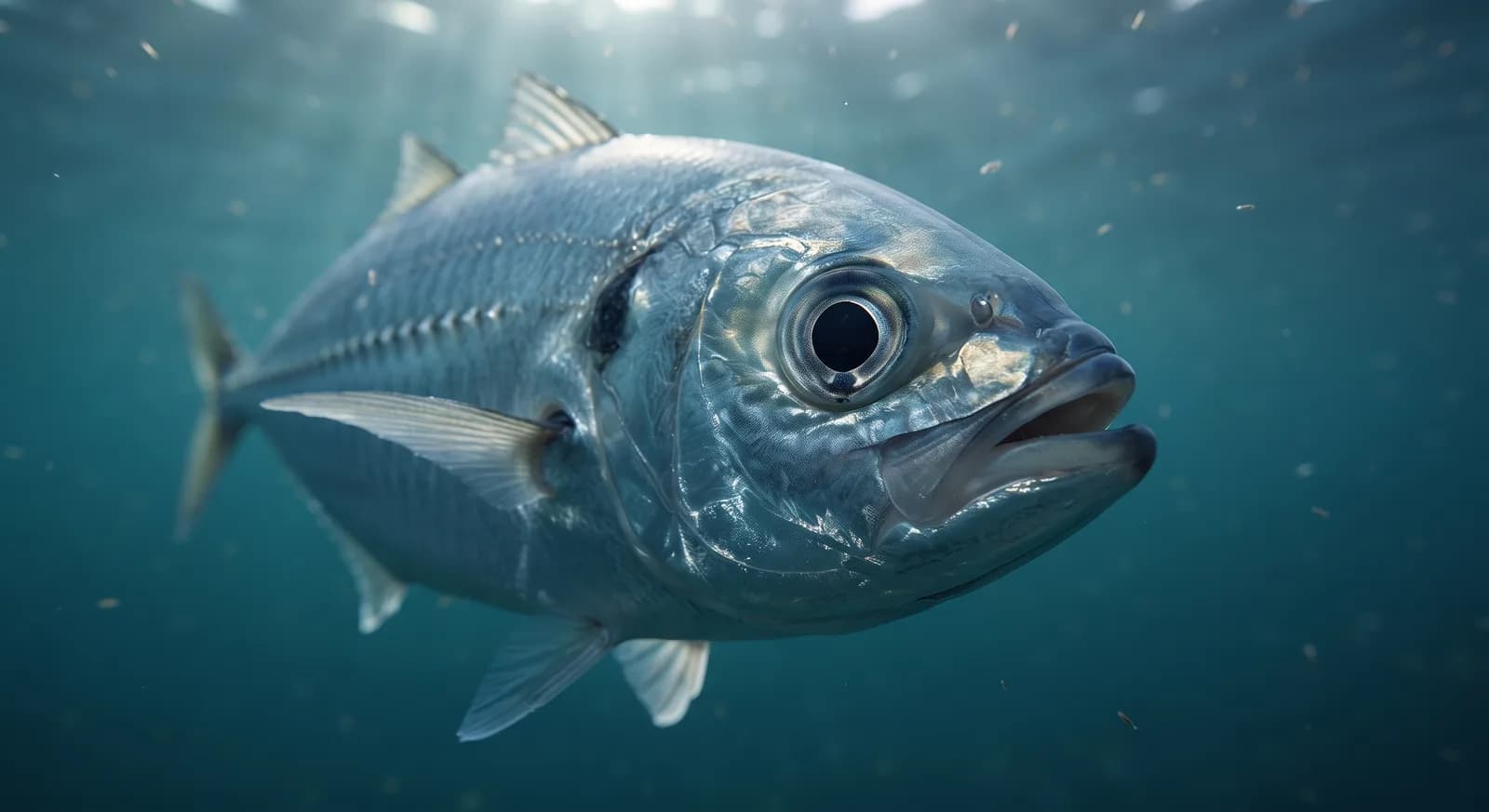
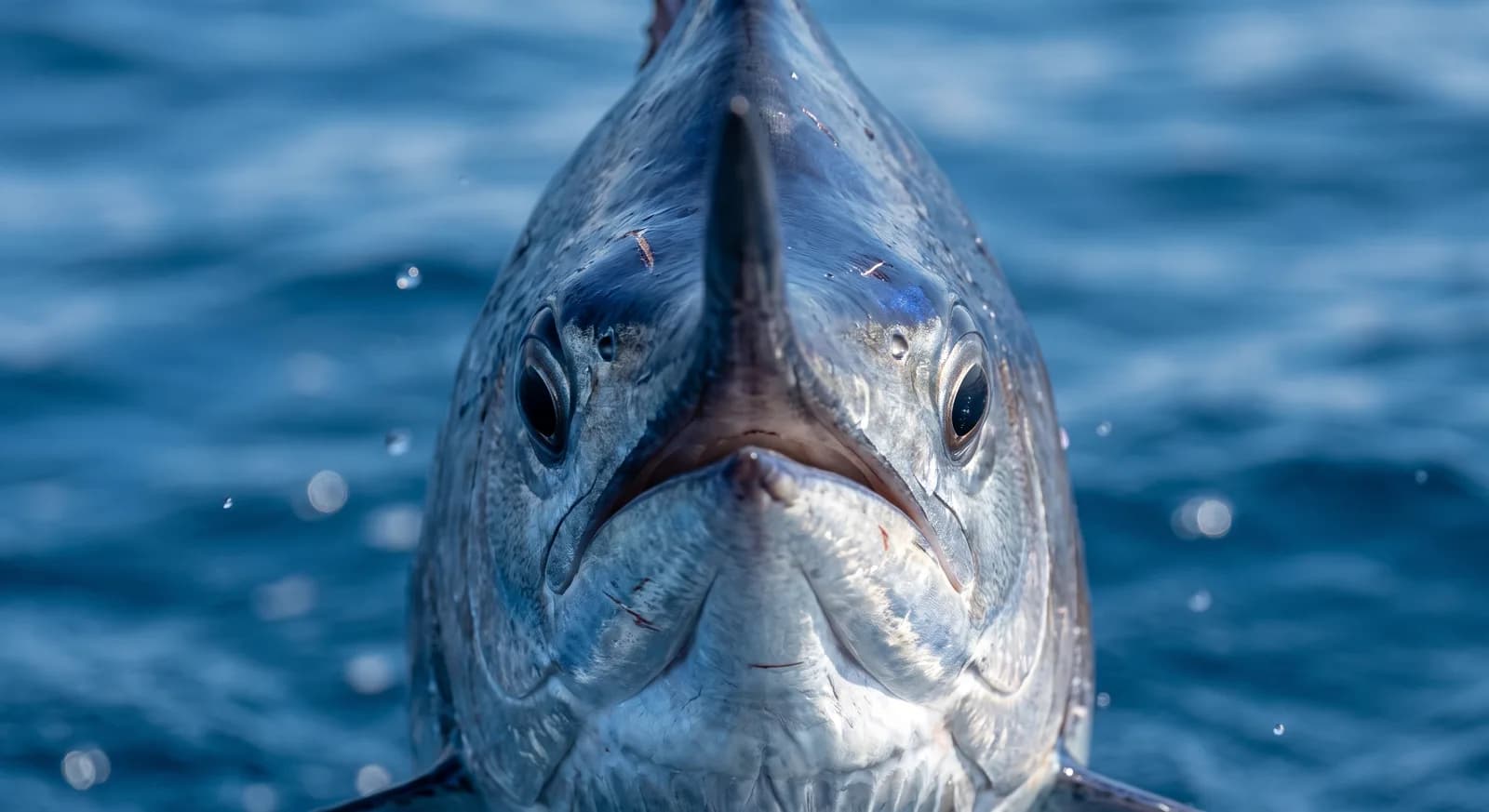
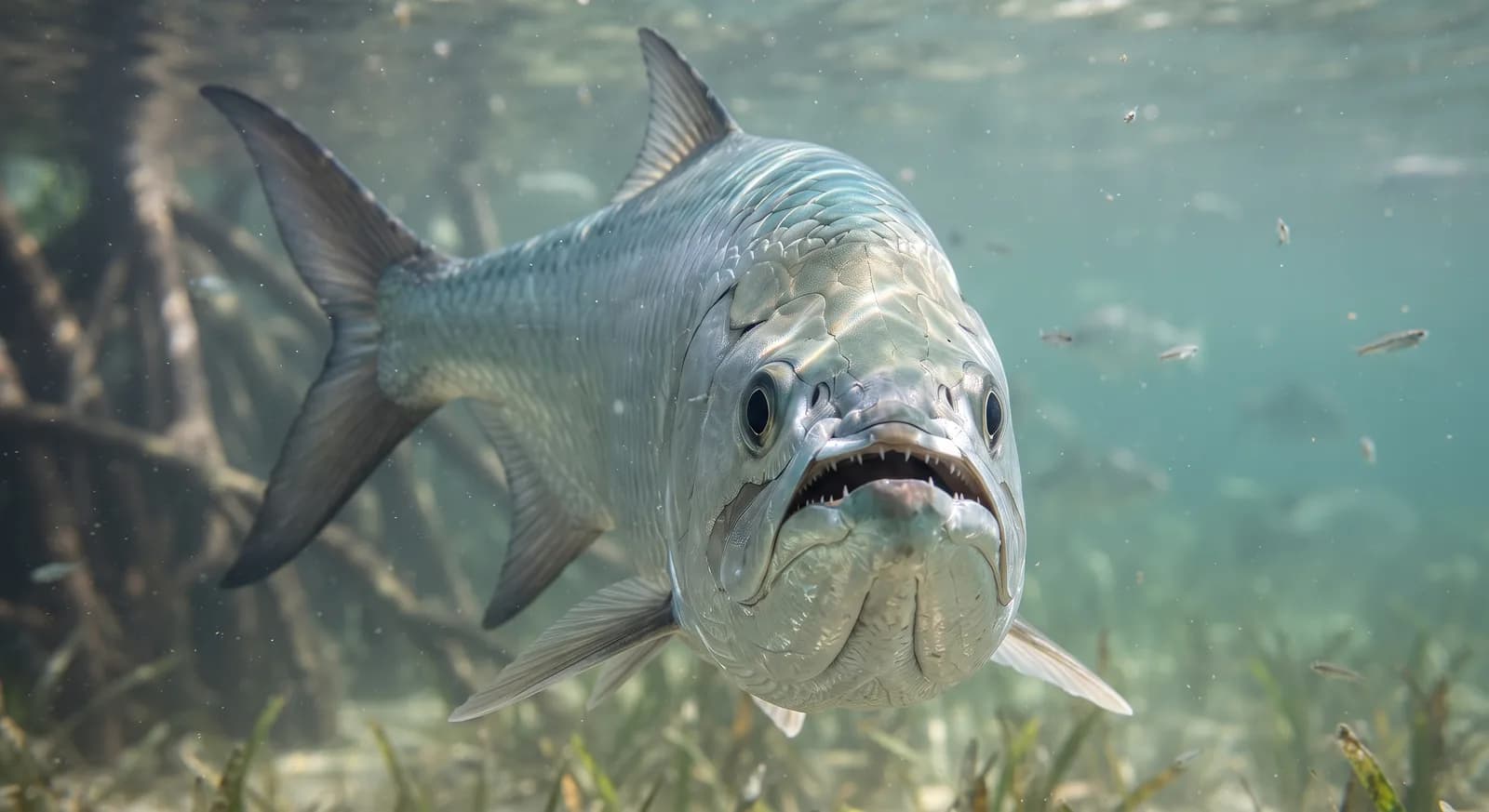
AI-generated images: illustrations, not photographs.

Fun facts

  • GeneralIt leaps several metres clear of the water when hooked, and can breathe air with its swim bladder.
  • It fills its swim bladder with air as if it were a primitive lung, which lets it live in oxygen-poor water and gives it an edge as a predator.
  • Its larva is a transparent, ribbon-like leptocephalus, like that of eels, which drifts with the plankton before transforming.
  • Its scales, more than 7 cm across, have been used in ornamental work and in making artificial pearls.

Life cycle and biology

Skeleton type
Vertebrate - internal bony skeleton (bony fish)
Habitat and environment
Estuaries, mangroves and shallow coastal waters
Sexual maturity
8.5 years

Sources consulted: https://es.wikipedia.org/wiki/Megalops_atlanticus

Where to find it

Loading map…

Where to see it

Parks and dive sites where this species has been documented — showing 20 of 53.

Related species

Other species in the catalogue with the most in common with Tarpon — same habitat, park, country, tags or family.

Shares a park
Shares a park
Shares a park
Shares a park
Shares a park
Shares a park

How to help

The tarpon is classified as vulnerable. Organisations such as the IUCN, WWF and the Wildlife Conservation Society work specifically on its conservation and that of its habitat; looking into their programmes is a good starting point if you want to get involved.

It's documented in 11 protected areas — one reason why protecting these places matters for its conservation.

Keep exploring

Based on what we already know about tarpon.

Comments

Share an experience, a fun fact or a tip for seeing the tarpon.

Be the first to comment.

See full glossary
This page in other languages: Español · Deutsch · Français · Português · Italiano

The pins mark the parks and dive sites where its presence is documented.

See its range on the interactive map→
EvergladesUnited States
Sian Ka'anMexico
Bacalar ChicoBelize
GuanicaPuerto Rico
JaraguaDominican Republic
Virgin Islands (St John)U.S. Virgin Islands
Tobago Main RidgeTrinidad and Tobago
Exuma Cays Land and Sea ParkBahamas
TayronaColombia
Los RoquesVenezuela
Turneffe AtollBelize
Isla Mujeres (whale shark)Mexico
Jardines de la ReinaCuba
Saona IslandDominican Republic
Molasses ReefUnited States
Blue Heron BridgeUnited States
Cenote Casa CenoteMexico
Ambergris CayeBelize
Bocas del ToroPanama
Los RoquesVenezuela
See all 29 parks
See all 24 dive sites
Vulnerable

Diamondback Terrapin

Malaclemys terrapin

American CrocodileVulnerable

American Crocodile

Crocodylus acutus

Vulnerable

Atlantic Goliath Grouper

Epinephelus itajara

Horse MackerelVulnerable

Horse Mackerel

Trachurus trachurus

Blue MarlinVulnerable

Blue Marlin

Makaira nigricans

Vulnerable

Red Snapper

Lutjanus campechanus

CountriesUnited States
ParksEvergladesUnited States
TagsCarnivore
Carnivore
Vulnerable
Fish
Ocean
Freshwater

North America31

Africa12

South America6

Europe1

United States
Mexico
Belize
Venezuela
Dominican Republic
Panama
Anguilla
Antigua and Barbuda
Aruba
Bahamas
Barbados
Belize
Bermuda
British Virgin Islands
Cayman Islands
Costa Rica
Cuba
Curaçao
Dominica
Dominican Republic
Grenada
Guadeloupe
Haiti
Honduras
Jamaica
Martinique
Mexico
Nicaragua
Panama
Puerto Rico
Saint Kitts and Nevis
Saint Lucia
Saint Vincent and Grenadines
Trinidad and Tobago
Turks and Caicos Islands
U.S. Virgin Islands
United States
Angola
Cameroon
Côte d’Ivoire
Gabon
Gambia
Ghana
Guinea
Liberia
Mauritania
Nigeria
Senegal
Sierra Leone
Brazil
Colombia
French Guiana
Guyana
Suriname
Venezuela
Portugal