 Critically Endangered
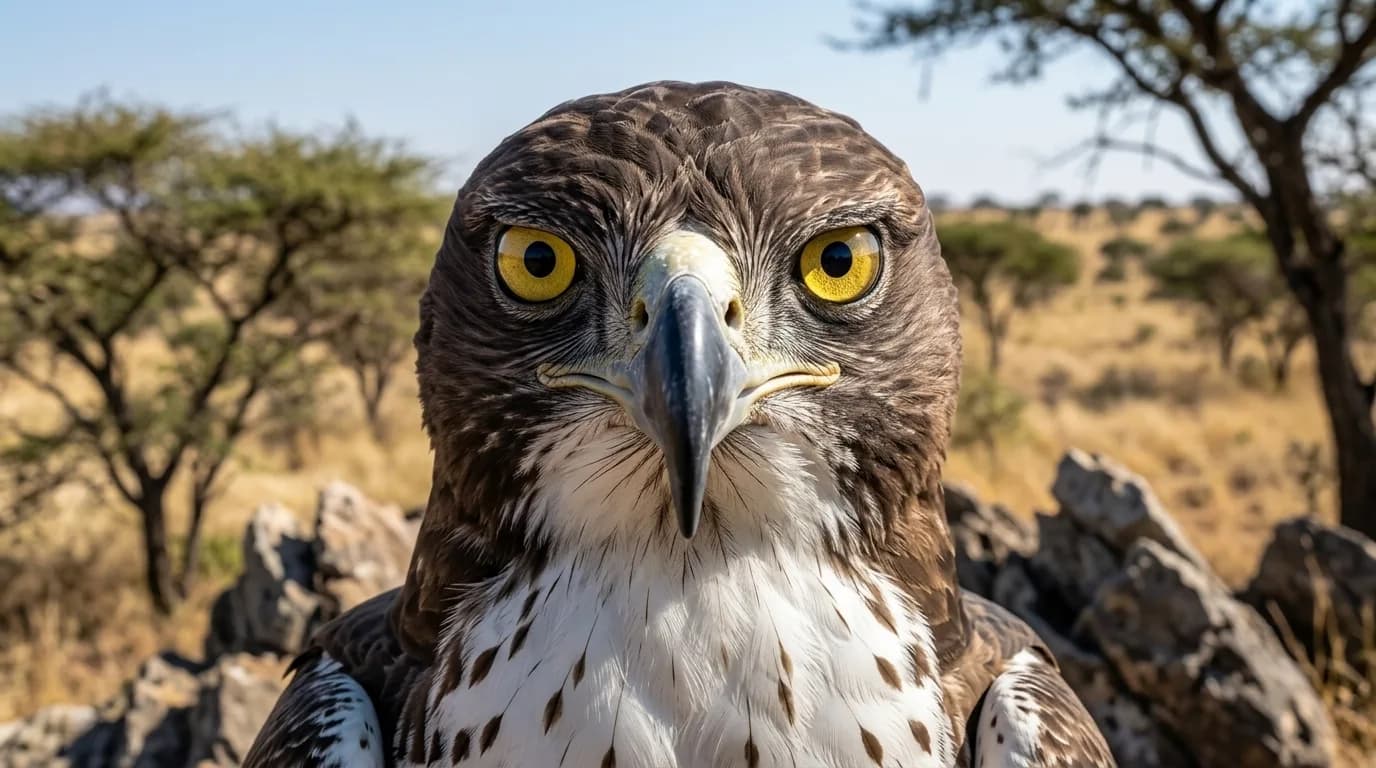
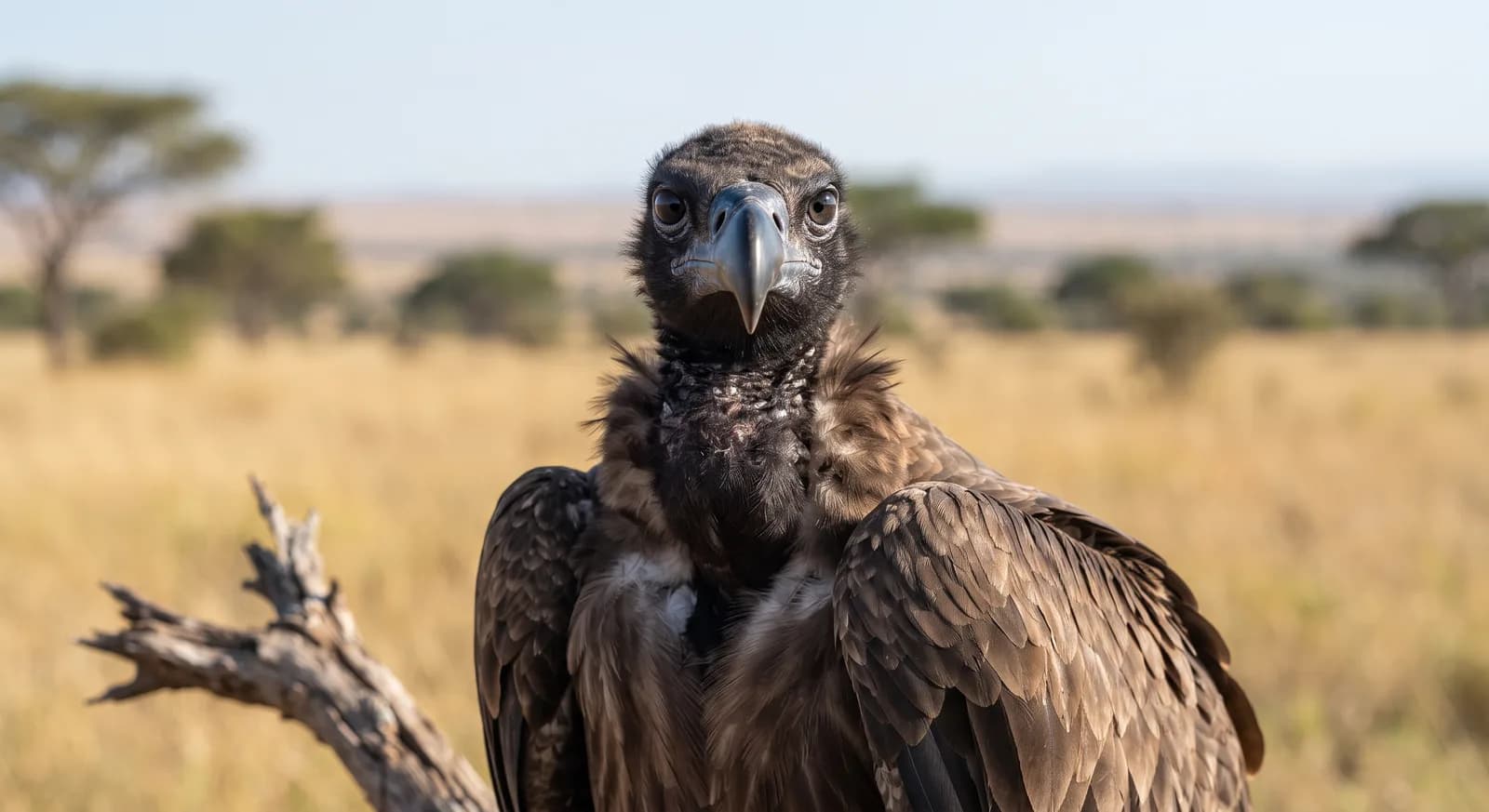
White-backed Vulture
Gyps africanus
Africa
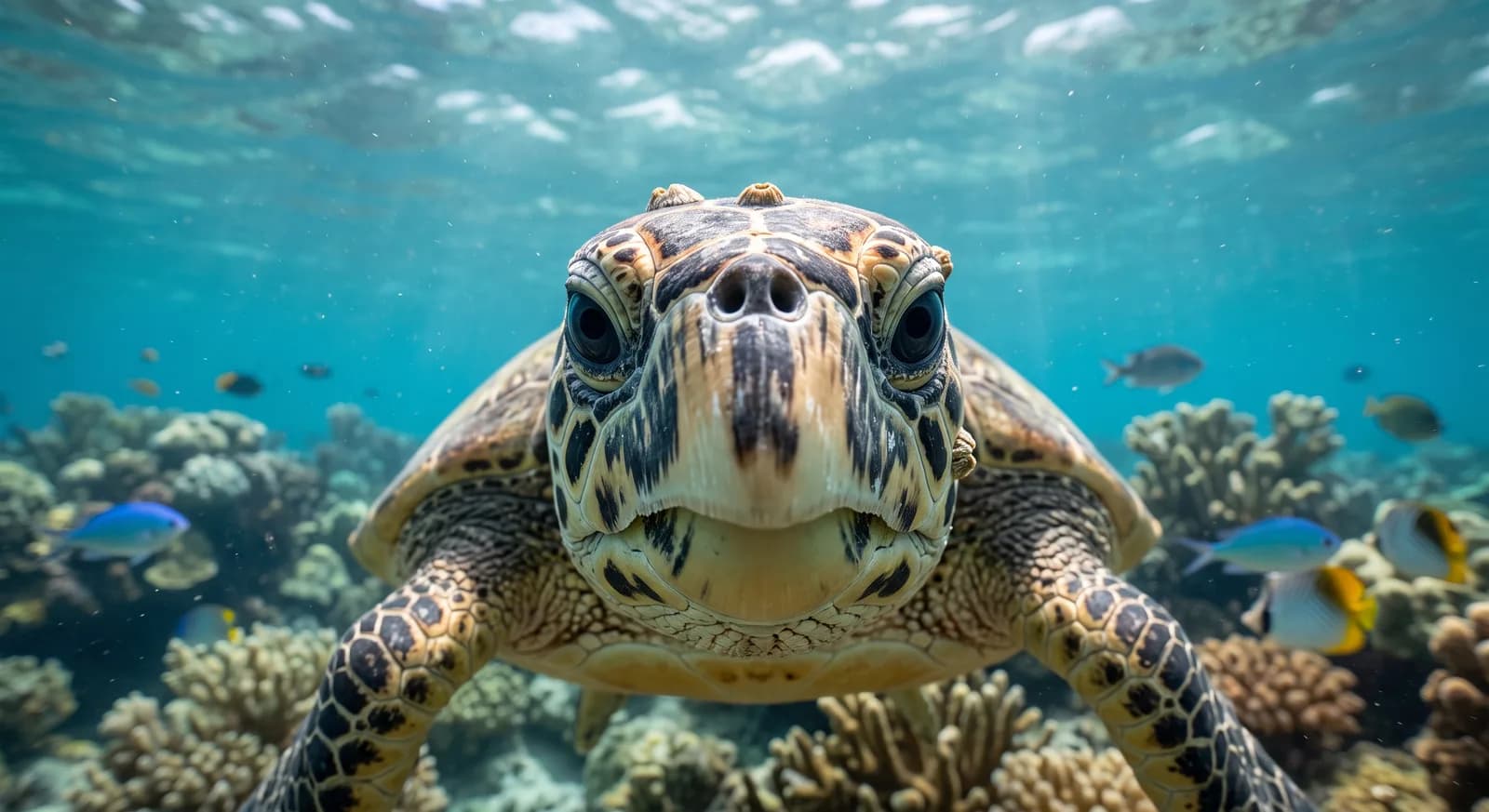
Angola is one of the countries with the greatest variety of environments in southern Africa: in the north, the Maiombe rainforest, an extension of the Congo basin; in the centre, a high plateau of savannah and miombo woodland; in the south, the aridity of the Namibe desert, where the welwitschia grows, a plant that can live more than a thousand years with only two leaves that never stop growing. In the eastern highlands rise the rivers that feed the Okavango delta, so that the conservation of those headwaters determines the future of one of the most famous wetlands on the continent. The Atlantic coast is bathed by the cold and highly productive Benguela Current, with sea turtles, humpback whales and seabird colonies. Kissama and Iona are its most emblematic parks.
National animal: The giant sable antelope, an antelope exclusive to the country and a national symbol
The giant sable antelope, with enormous horns curving backwards and a glossy black coat, exists only in Angola and is the country's national symbol. After decades of civil war it was feared to have disappeared, until in 2004 camera traps set in Cangandala photographed several females and confirmed its survival. Since then it has been managed with protective enclosures and translocations to reinforce the few remaining populations.
The civil war decimated the wildlife of Angola's parks and left mined areas that still condition their management. The Okavango headwaters, in Cuando Cubango, are the subject of an international protection programme because of their role in the Botswanan delta.
Cangandala and Luando for the giant sable antelope, with very restricted access. Iona in the austral winter for welwitschias and desert wildlife. The Namibe coast between July and October for whales.
Where else might I want to travel?
Same region: Southern Africa
Same region: Southern Africa
Same region: Southern Africa
Same region: Southern Africa
323 species found
Based on what we already know about Angola.