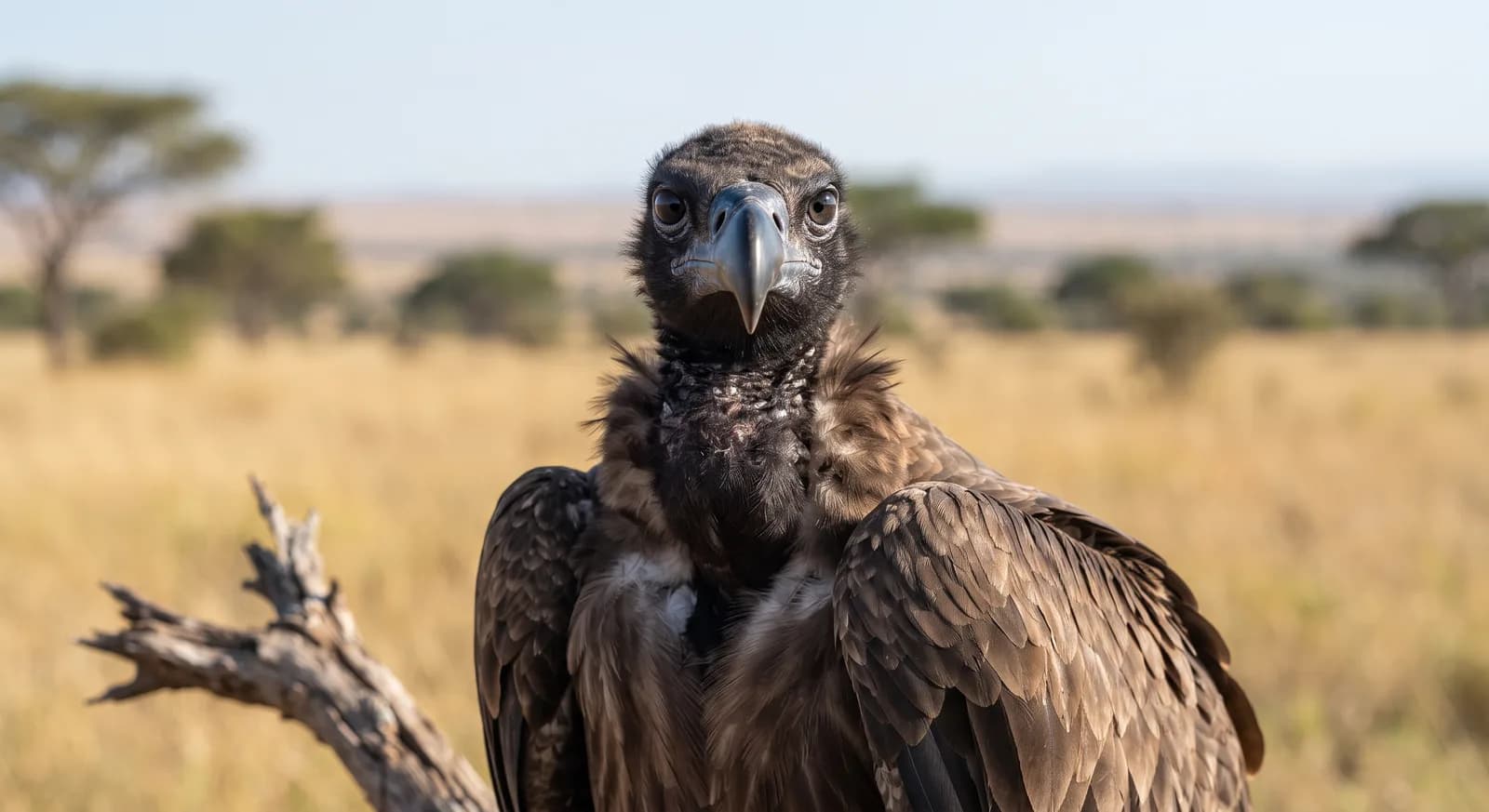
 Critically Endangered
White-backed Vulture
Gyps africanus
Africa
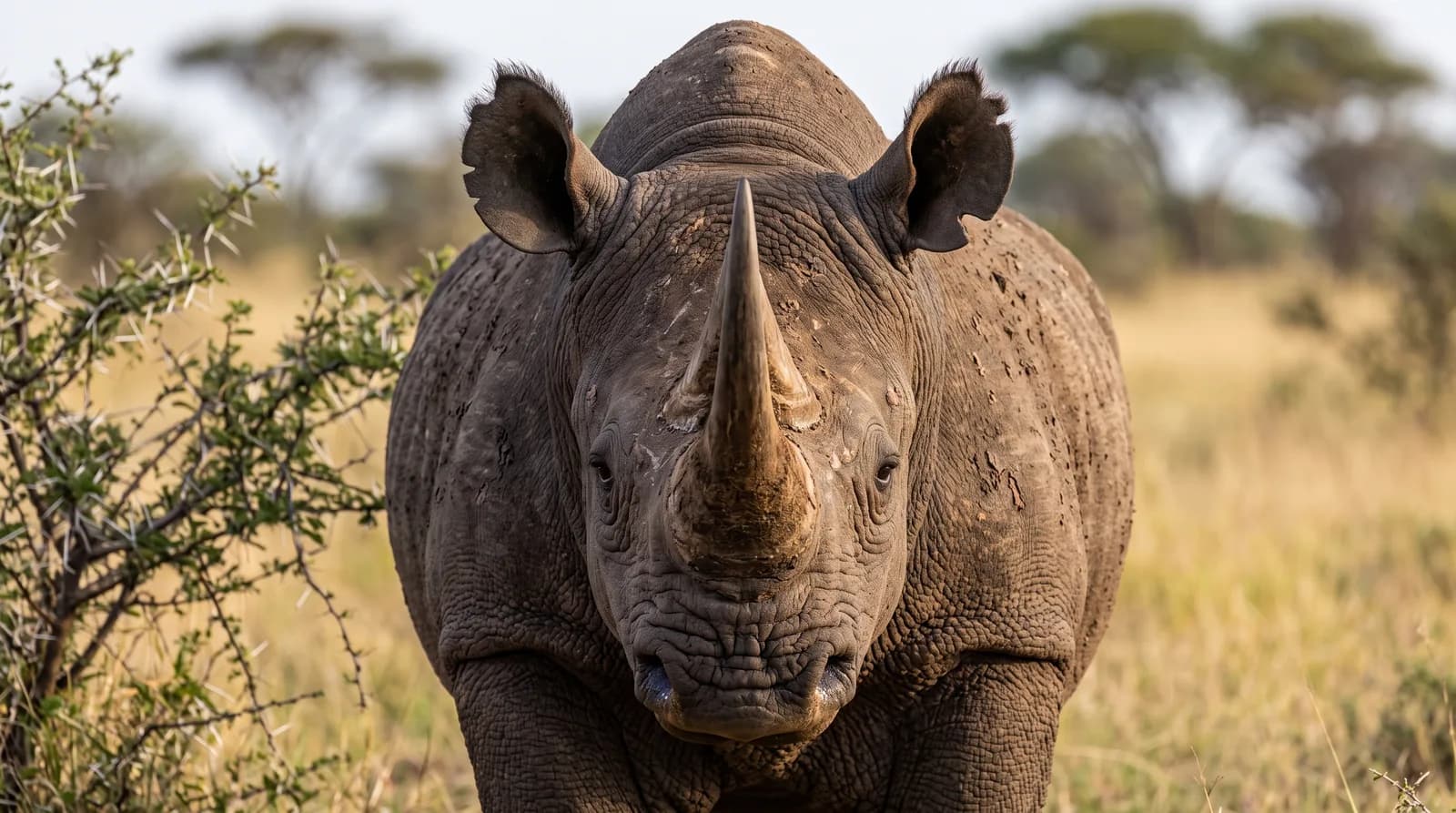
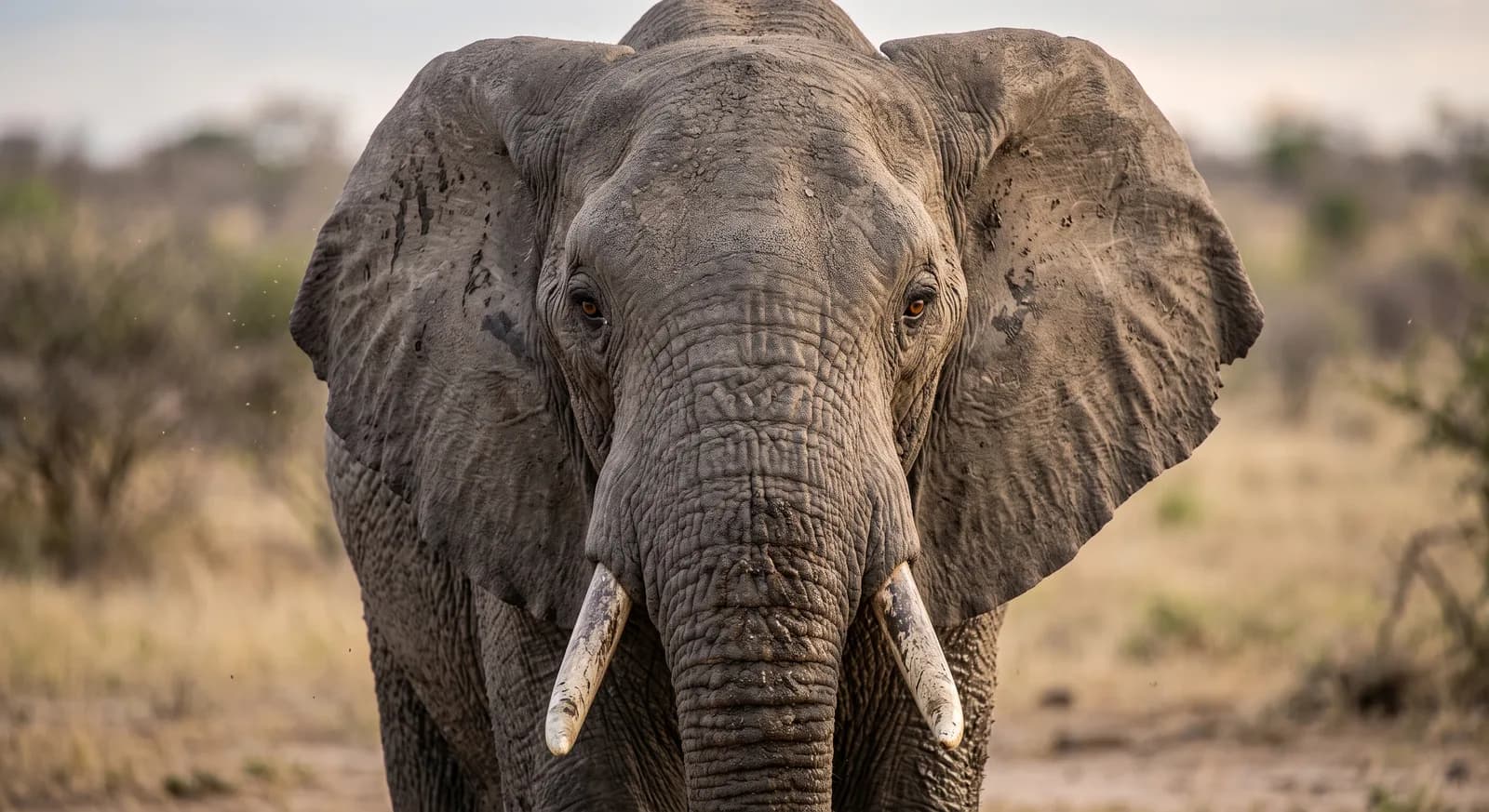
Namibia is dominated by two deserts: the Namib, a coastal belt considered the oldest desert in the world, with red sand dunes falling straight into the Atlantic, and the Kalahari in the eastern interior. Between them rises the central plateau, with granite massifs and shrub savannah. The cold Benguela Current generates a persistent fog that pushes inland and is the only reliable source of water for the Namib's wildlife. In the north, the Etosha salt pan concentrates wildlife around springs during the dry season, and in the northwest, in Damaraland and Kaokoveld, desert-adapted populations of elephant and black rhinoceros survive, covering enormous distances between dry riverbeds. The Skeleton Coast adds immense Cape fur seal colonies.
National animal: The gemsbok oryx, on the national coat of arms
A beetle of the Namib dunes has solved the problem of drinking where it never rains: at dawn it climbs to the crest of the dune, turns its body into the fog and stands on its head, so that the moisture condenses on its shell and the drops run down the grooves of its wing cases into its mouth. The design of its surface has inspired artificial materials for harvesting water from fog.
Namibia was the first African country to write environmental protection into its constitution and has developed a system of communal conservancies that manages an enormous share of the territory and has allowed the largest free-ranging black rhinoceros population in the world to recover.
Etosha between July and October at the waterholes. Sossusvlei at dawn for dunes and desert wildlife. Cape Cross between November and December for the fur seal colony with pups.
Where else might I want to travel?
Same region: Southern Africa
Same region: Southern Africa
Same region: Southern Africa
Same region: Southern Africa
238 species found
Based on what we already know about Namibia.