Skip to content
WAnimals
  • Map
  • Species
  • Parks
  • Diving
Log inCreate account
WAnimals

The guide for travellers and animal lovers: discover, plan and share your wild adventures around the world.

Discover wildlife

  • Species
  • Ecosystems
  • Glossary
  • Tags

Explore places

  • Map
  • Countries
  • Parks
  • Diving

Plan experiences

  • Guides

Learn

  • Blog

Resources

  • Help centre
  • Contact
  • Install the app

Follow us

Account

  • Log in
  • Create account

© 2026 WAnimals. All rights reserved.

About usHow we build our profilesTerms of servicePrivacyLegal notice
MapSpeciesParksDiving
  1. Home
  2. countries
  3. Madagascar

Madagascar

Africa

Capital: AntananarivoApril to November

193

Documented species

12

Parks and reserves

2

Dive sites

Madagascar has been separated from Africa for some one hundred and sixty million years and from the Indian subcontinent for about eighty-eight, an isolation so prolonged that around ninety per cent of its fauna and flora exists nowhere else in the world. The island strings together rainforest on the eastern slope, deforested highlands in the centre, dry deciduous woodland and baobabs in the west, and in the south a surreal spiny forest of succulents adapted to extreme drought. The lemurs, which here fill the niches of primates, squirrels and even woodpeckers, have diversified into more than a hundred species. To them are added half the world's chameleons, tenrecs that recall hedgehogs and shrews without being either, and the fossa, the island's largest carnivore.

Nature in Madagascar

National animal: No official national animal; the lemur is the island's natural emblem and the zebu its cultural animal

Did you know?

The aye-aye is a nocturnal lemur with a skeletal, greatly elongated middle finger that it uses as a tool: it taps the wood and listens with its enormous ears for the echo that reveals grub tunnels, gnaws the bark with rodent-like incisors and hooks the prey out with that finger. In doing so it fills the role played on other continents by woodpeckers, which are absent from Madagascar.

Biodiversity profile

Conservation

Deforestation through slash-and-burn agriculture and rosewood extraction has drastically reduced the original forest. The ploughshare tortoise, of which very few remain in the wild, is one of the most trafficked species in the world among collectors.

Where and when to watch wildlife

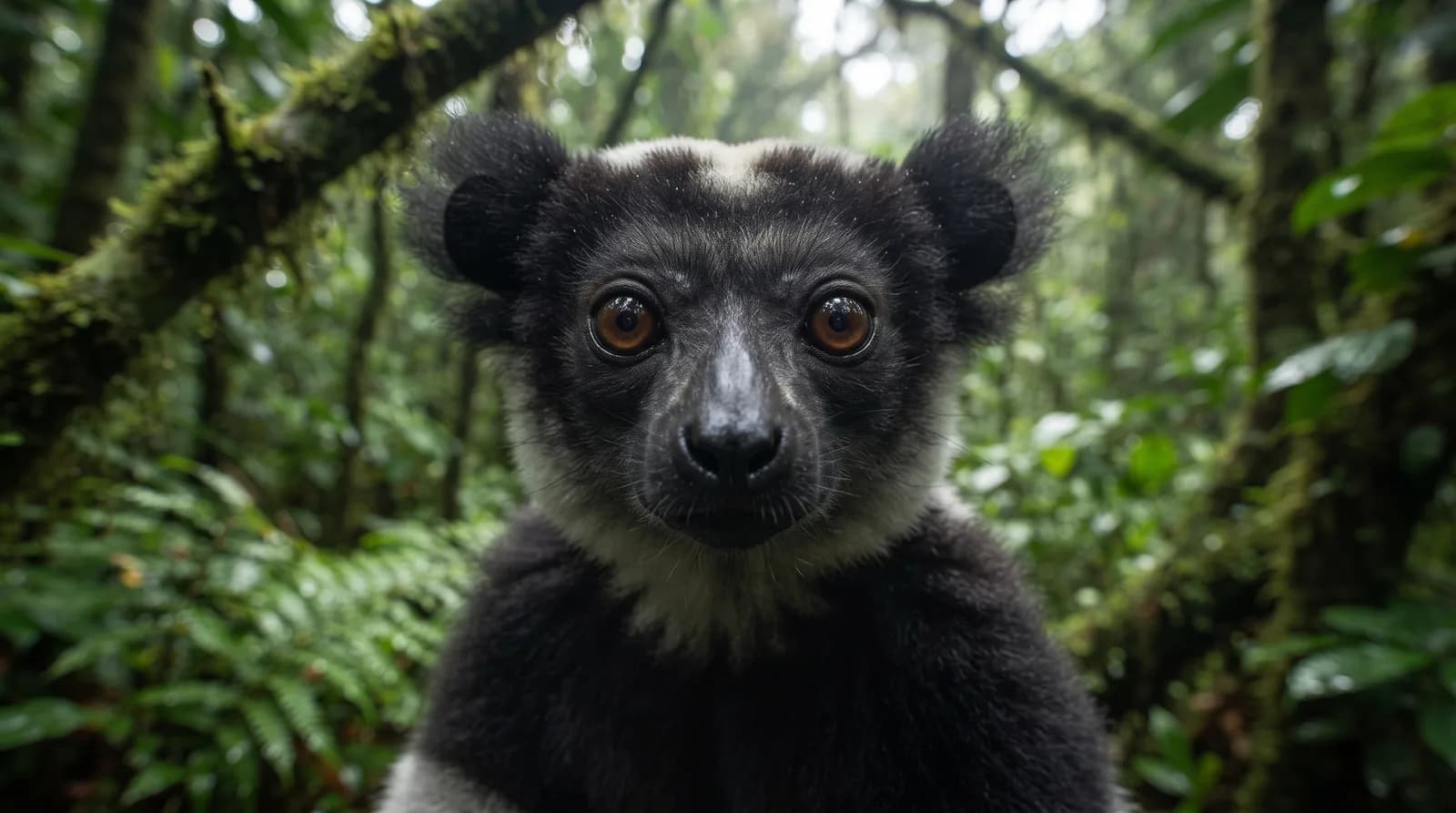
Andasibe year-round to hear the indri's song at dawn. Berenty and Isalo in the dry season for ring-tailed lemurs. Tsingy de Bemaraha between April and November.

Natural phenomena in Madagascar

  • Humpback whales off Sainte-Marie Island — June to September (peak in July and August)

Parks and reserves

National Park

Andohahela

The only park in Madagascar that protects both rainforest and spiny forest, a few kilometres apart.

See park
National Park

Andringitra

A granite massif in southern Madagascar with the country's second-highest summit and ring-tailed lemurs living at altitude.

See park
National Park

Marojejy

A montane rainforest massif in north-eastern Madagascar, the last refuge of the silky sifaka.

See park
National Park

Masoala

Madagascar's largest national park, where lowland rainforest reaches the sea, together with three marine parks.

See park
National Park

Tsingy de Bemaraha

A stone forest of limestone needles honed razor-sharp by water over millions of years

See park
National Park

Zahamena

Rainforest on the eastern escarpment of Madagascar, with one of the richest lemur communities in the country.

See park
National Park

Andasibe-Mantadia

The best place to hear and watch the indri, the largest living lemur and one of the most vocal primates in the world

See park
National Park

Ankarafantsika

One of the last great dry deciduous forests of Madagascar, around Lake Ravelobe.

See park
Special Reserve

Ankarana

A limestone tsingy massif riddled with caves and canyons, in northern Madagascar.

See park
National Park

Isalo

Eroded sandstone formations reminiscent of the Grand Canyon, with natural turquoise pools inside

See park
National Park

Montagne d'Ambre

An island of rainforest on a volcanic massif, surrounded by the dry lands of northern Madagascar.

See park
National Park

Ranomafana

Its declaration followed directly from the scientific discovery in 1986 of a lemur species believed extinct

See park

Diving and snorkelling

Reef/Volcanic

Nosy Be

A volcanic archipelago off northern Madagascar with barely exploited marine biodiversity.

See dive site
Marine reserve

Nosy Tanikely

A small island marine reserve with one of the best-protected reefs in northern Madagascar.

See dive site

Similar countries

Where else might I want to travel?

Namibia

Same region: Southern Africa

Mozambique

Same region: Southern Africa

Angola

Same region: Southern Africa

Mauritius

Same region: Southern Africa

Species documented in Madagascar

Filter
Class
Family
Habitat
Diet
Conservation

193 species found

Related guides

  • Threatened primates of Madagascar9 species
  • Mammals in Madagascar5 species

Keep exploring

Based on what we already know about Madagascar.
ParkAndohahelaDivingNosy Be

Explore on the map

Interactive map

This page in other languages: Español · Deutsch · Français · Português · Italiano
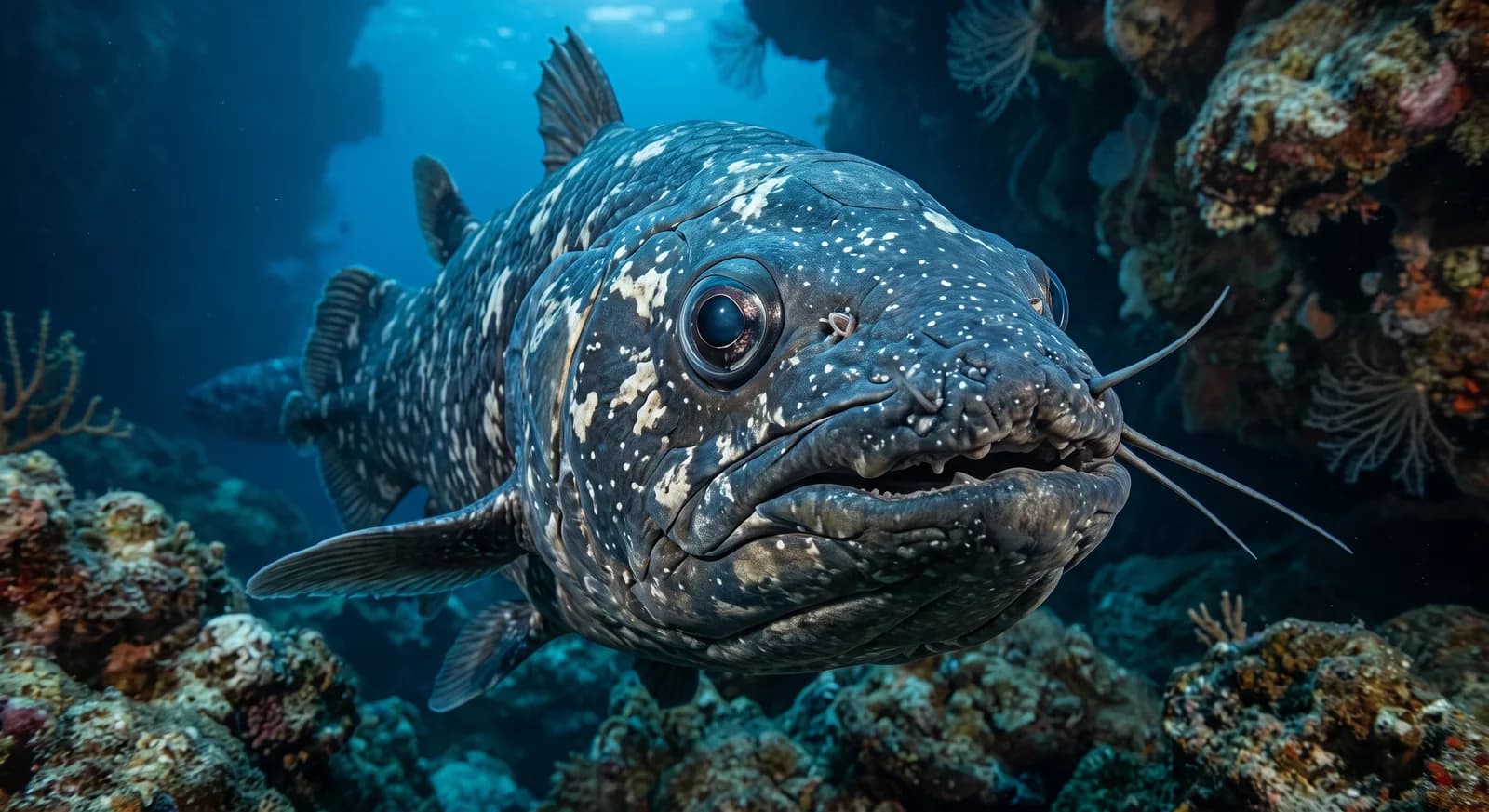
CoelacanthCritically Endangered

Coelacanth

Latimeria chalumnae

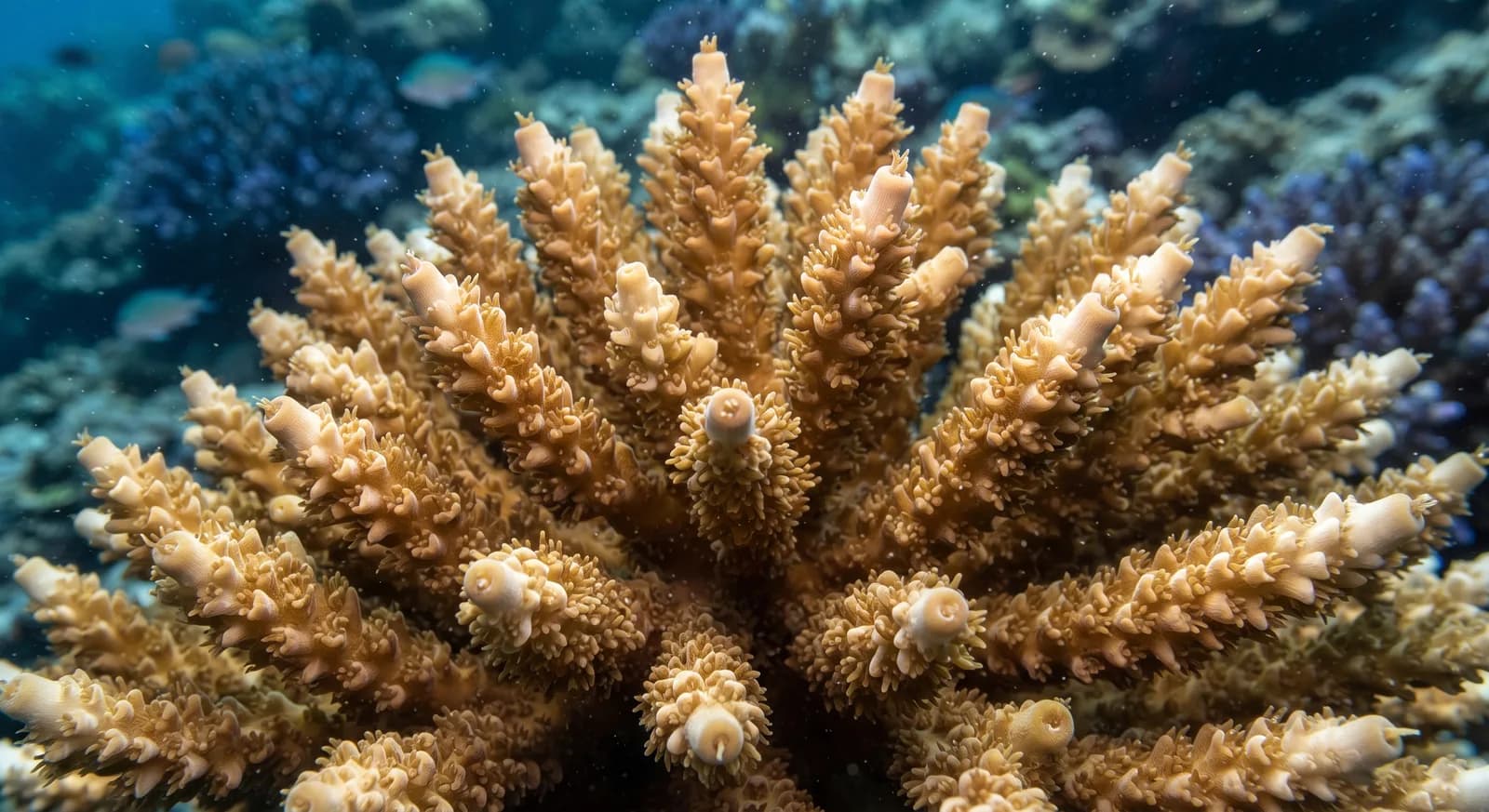
Staghorn CoralCritically Endangered

Staghorn Coral

Acropora cervicornis

IndriCritically Endangered

Indri

Indri indri

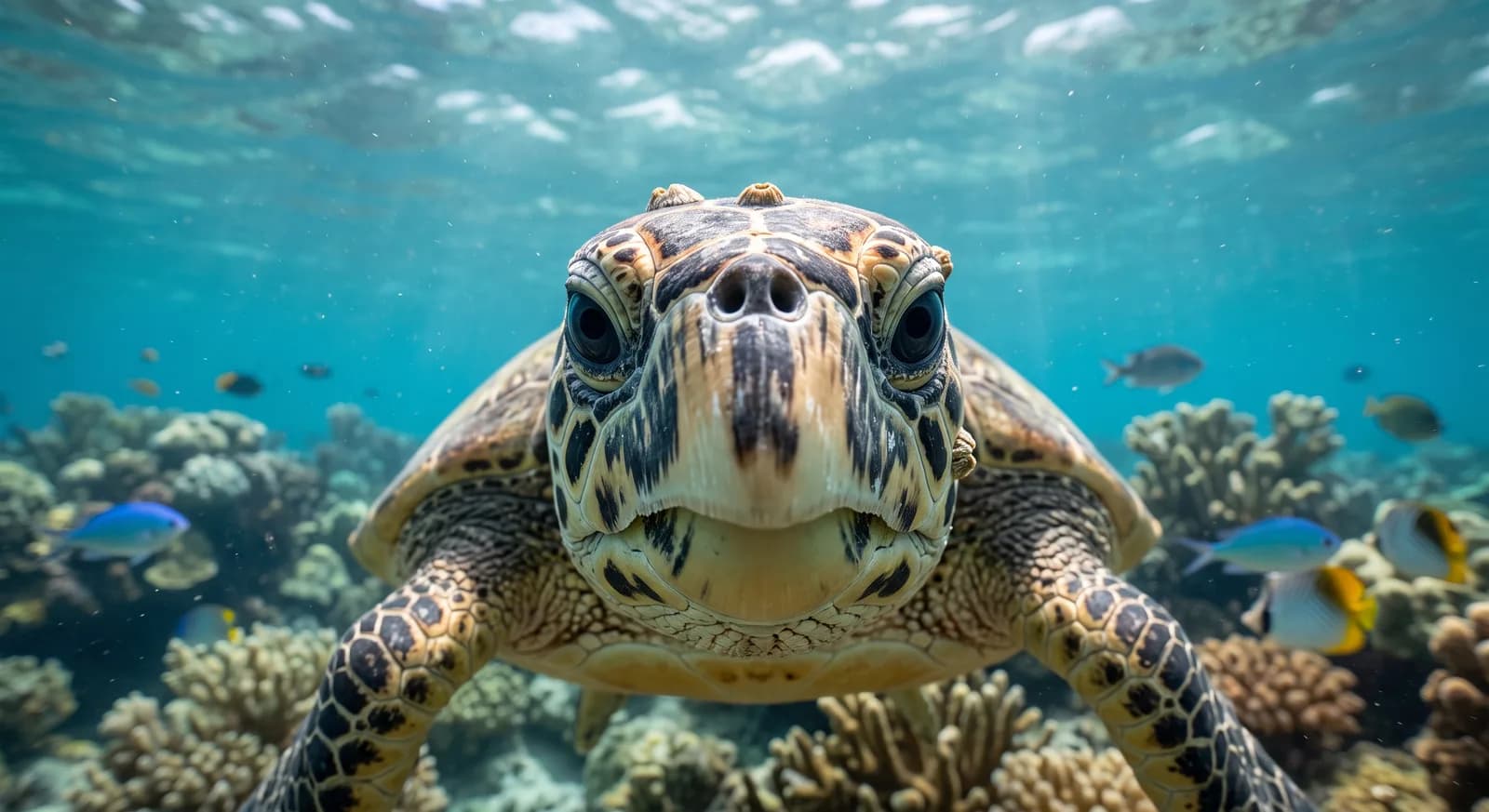
Hawksbill TurtleCritically Endangered

Hawksbill Turtle

Eretmochelys imbricata

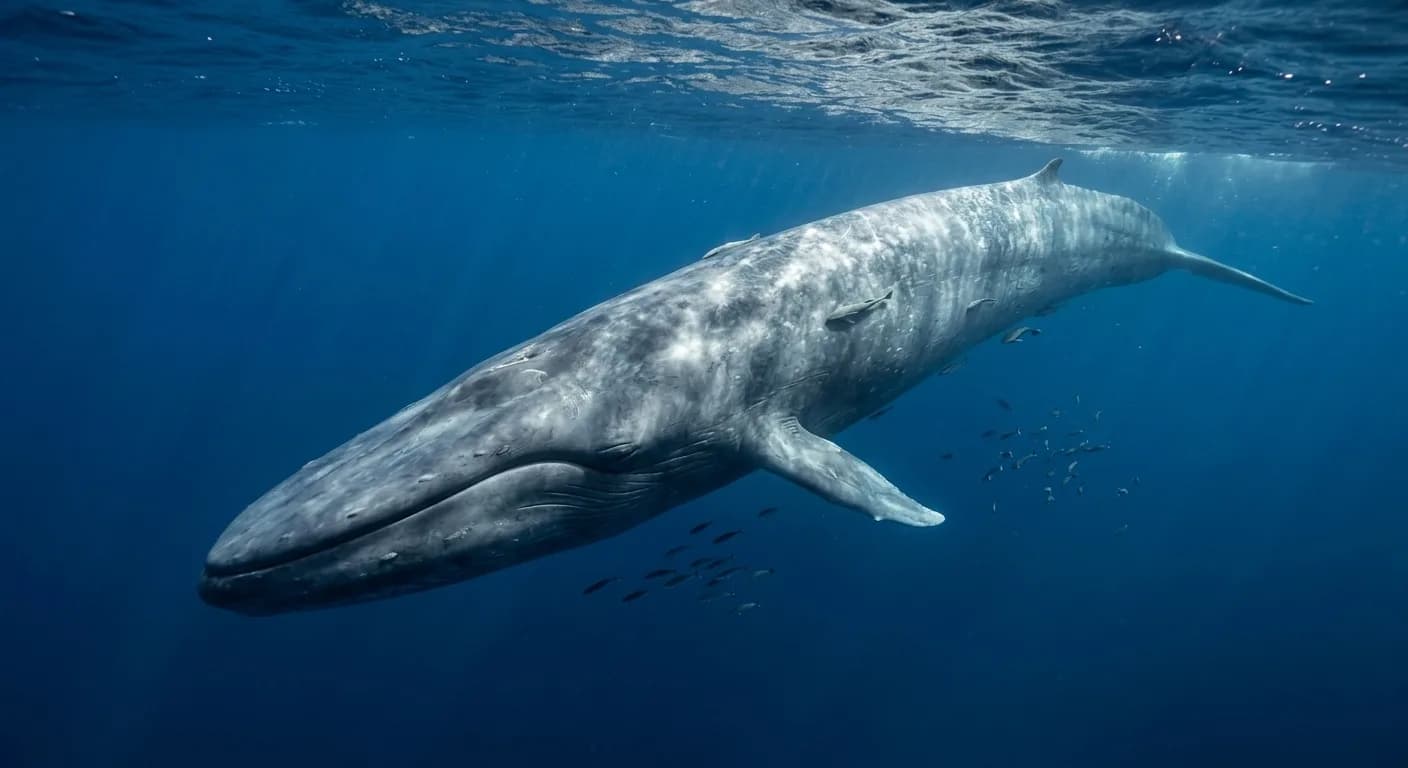
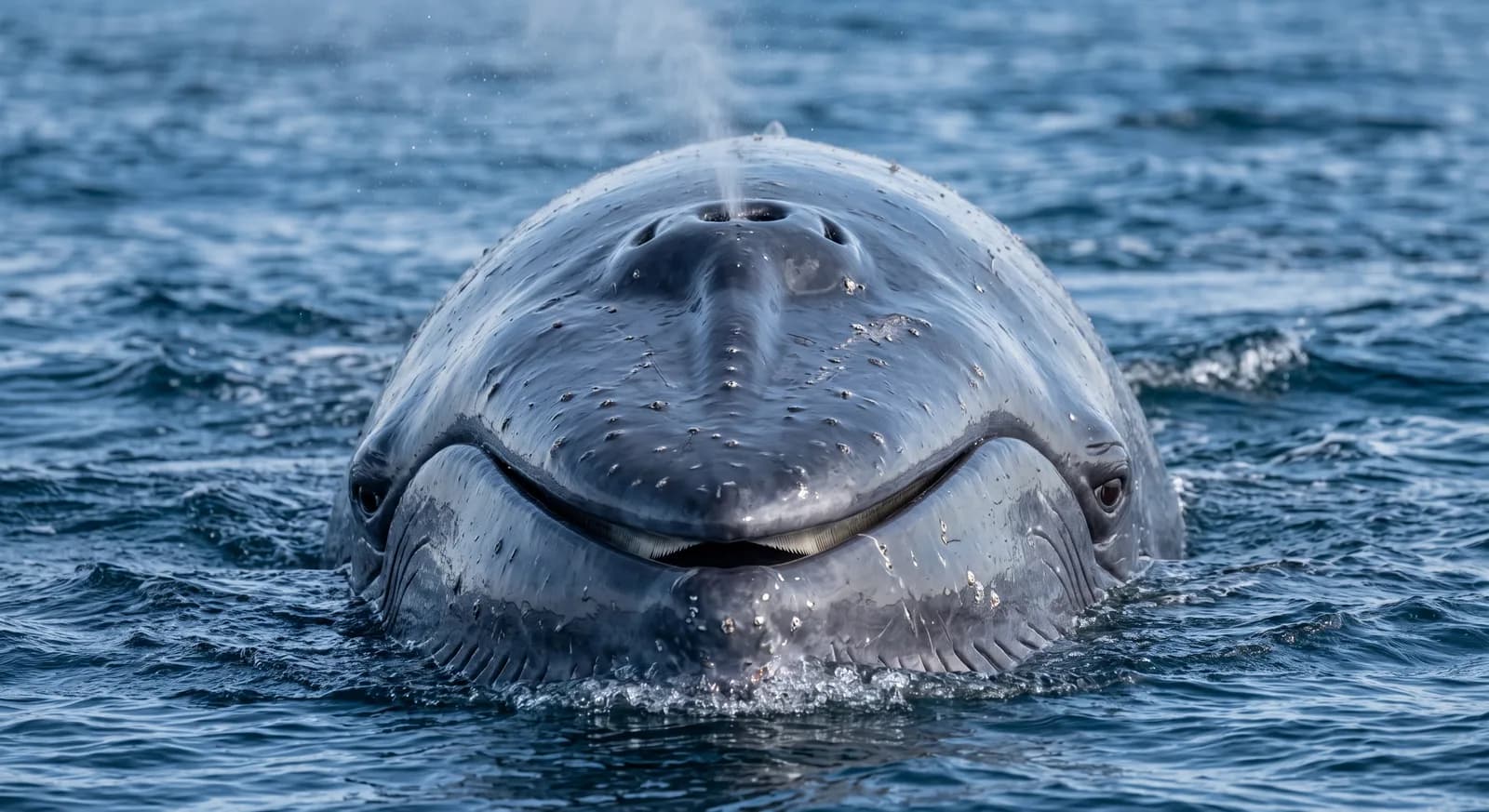
Blue WhaleEndangered

Blue Whale

Balaenoptera musculus

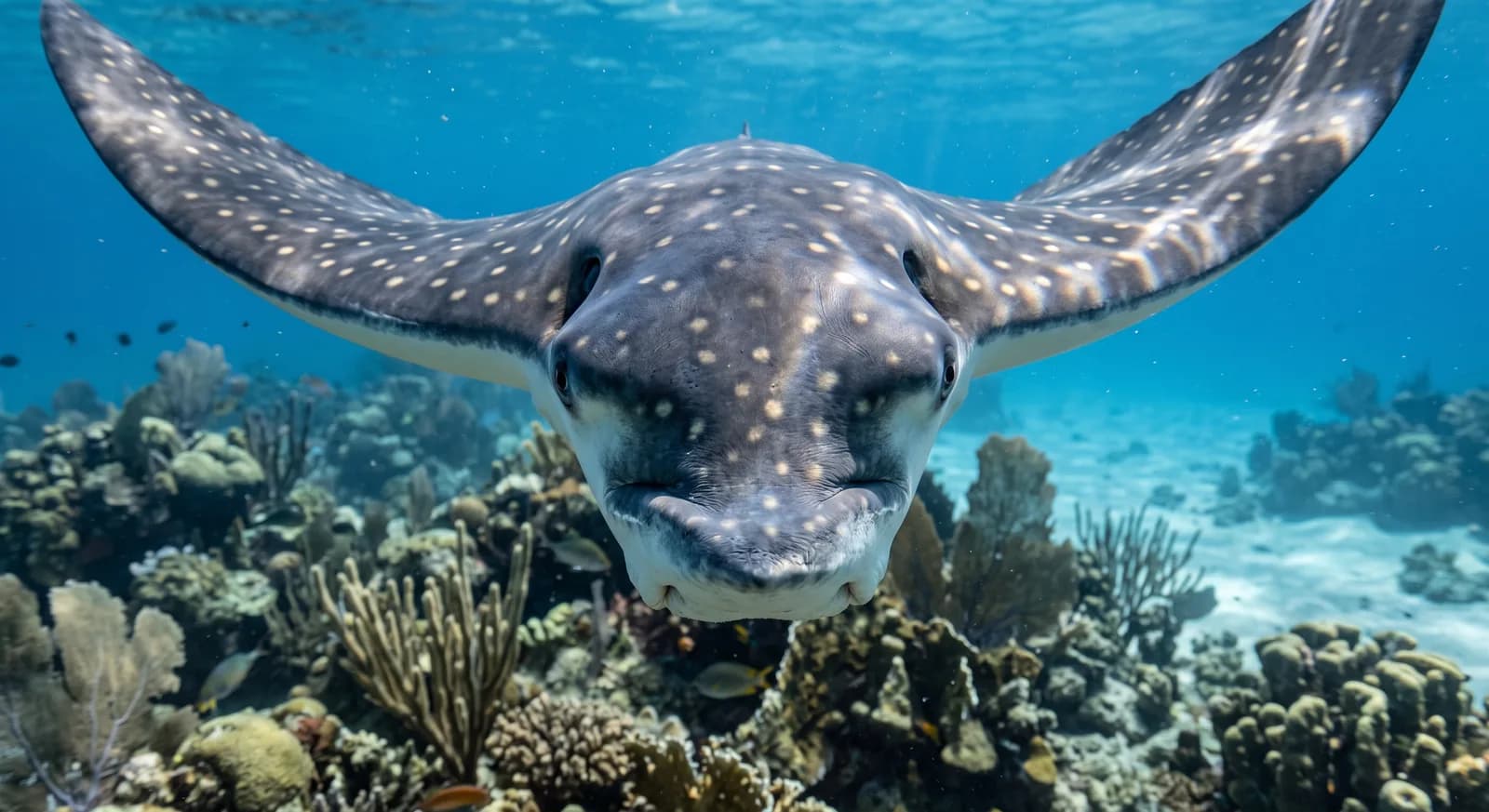
Spotted Eagle RayEndangered

Spotted Eagle Ray

Aetobatus narinari

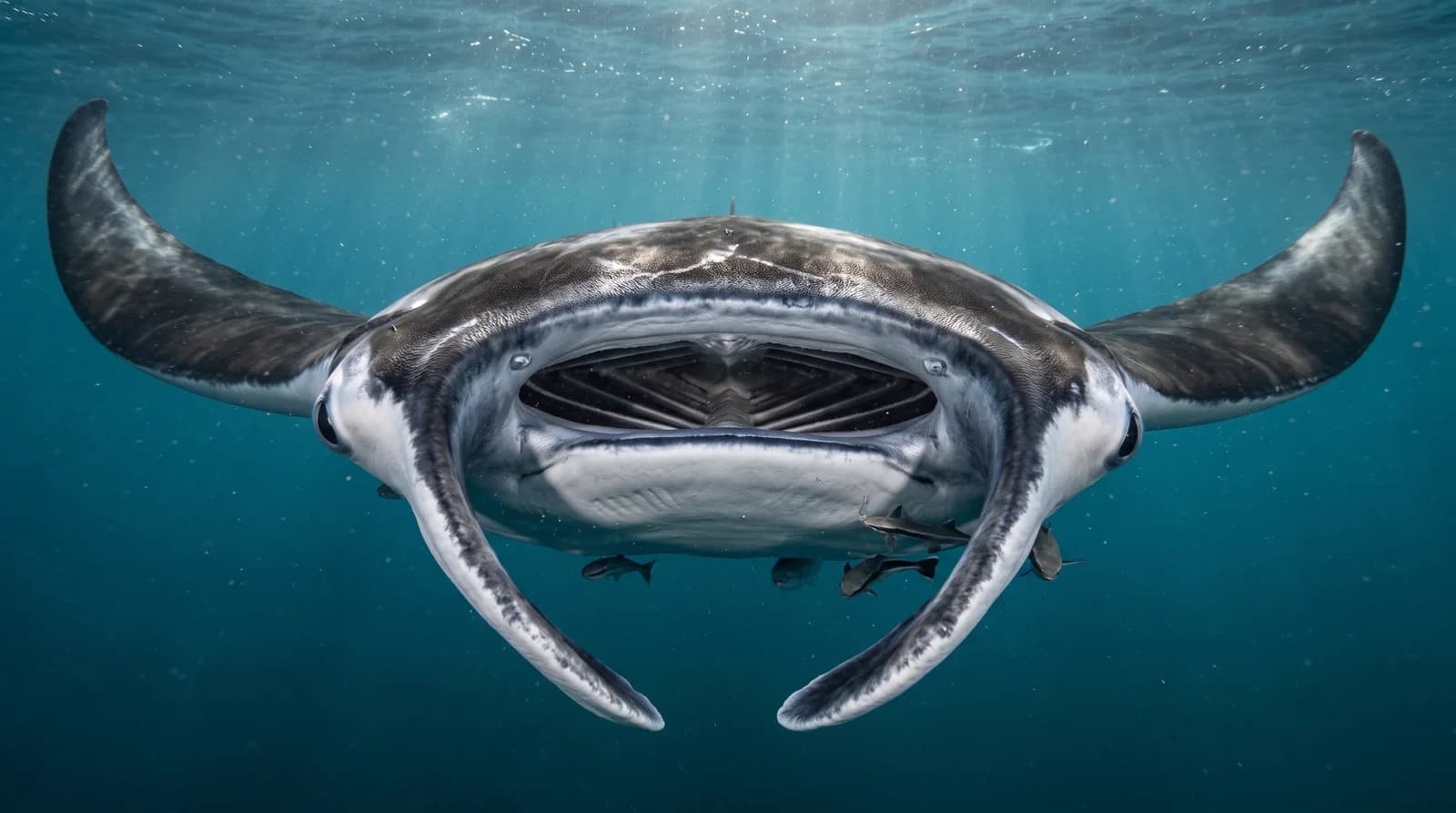
Giant MantaEndangered

Giant Manta

Mobula birostris

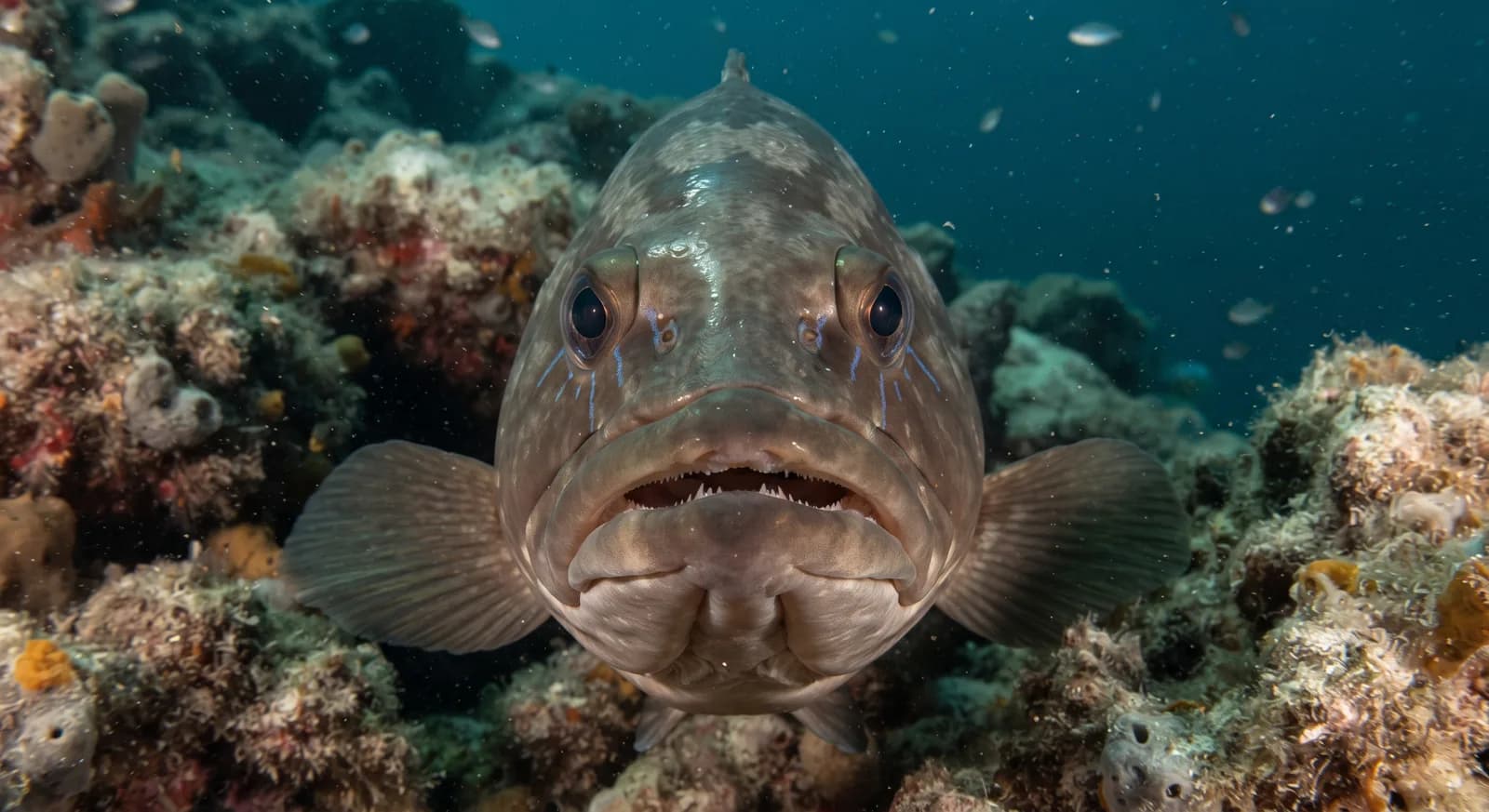
Dusky PerchEndangered

Dusky Perch

Epinephelus marginatus

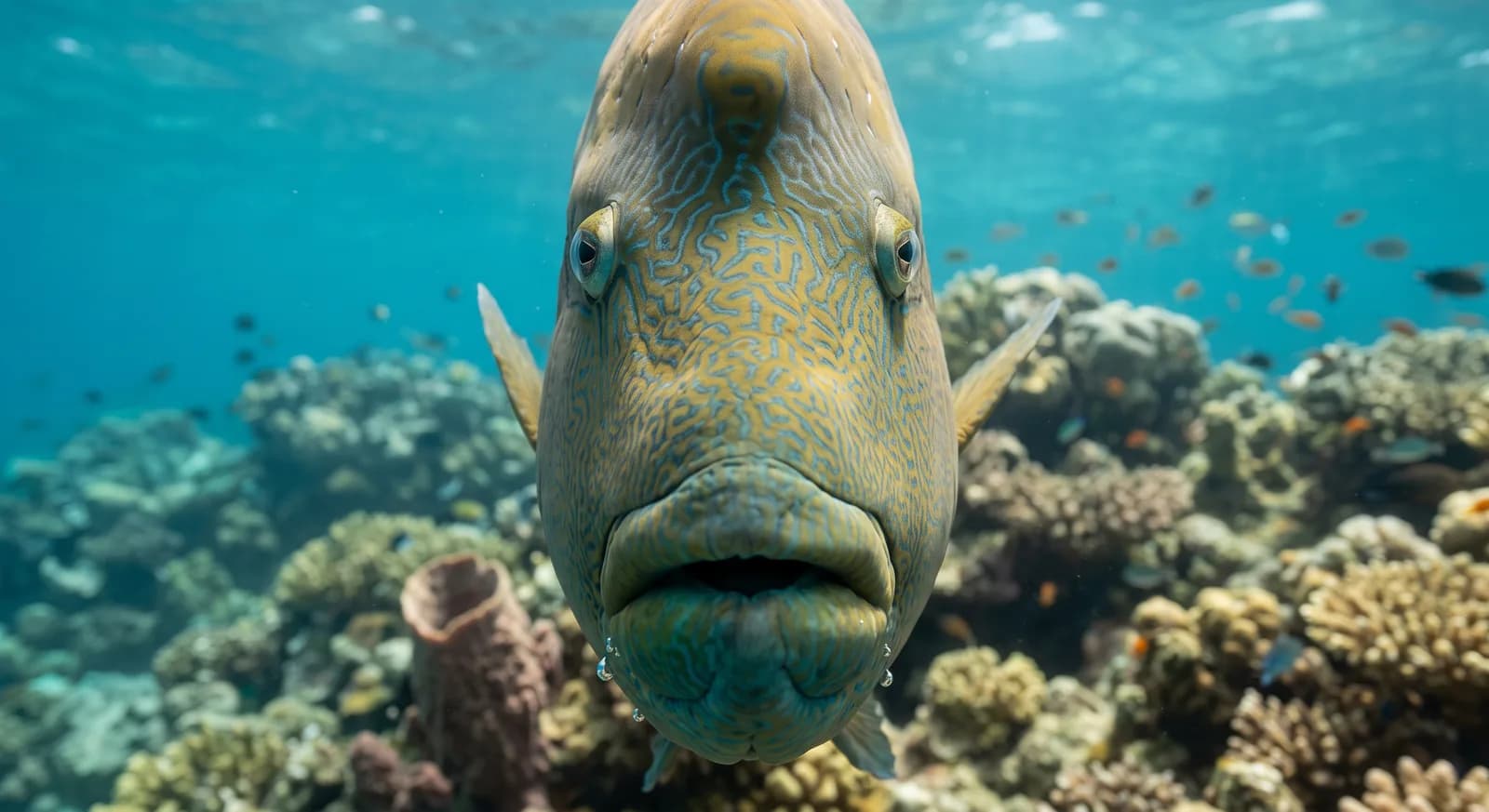
Humphead WrasseEndangered

Humphead Wrasse

Cheilinus undulatus

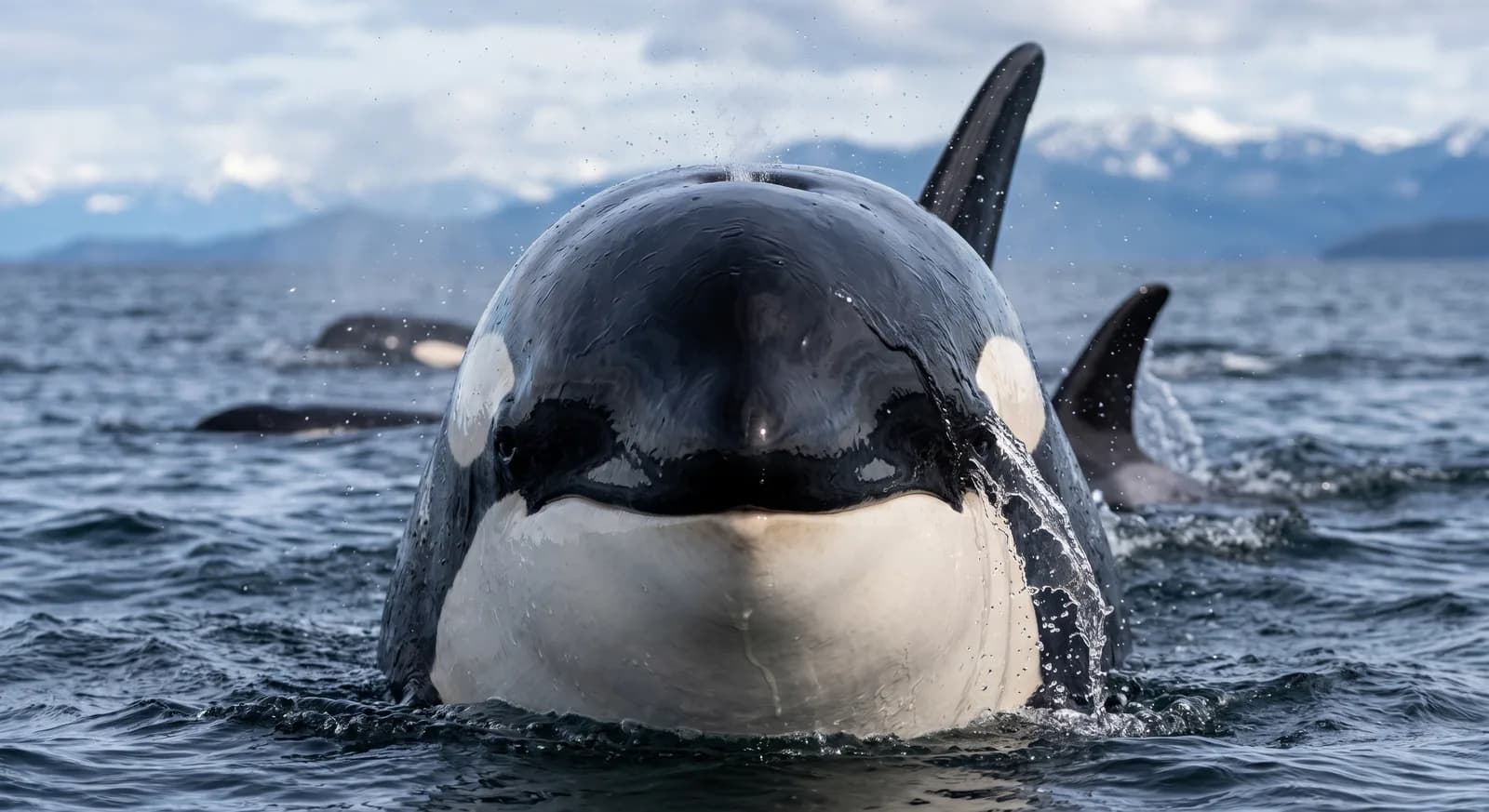
Killer WhaleEndangered

Killer Whale

Orcinus orca

Sei WhaleEndangered

Sei Whale

Balaenoptera borealis

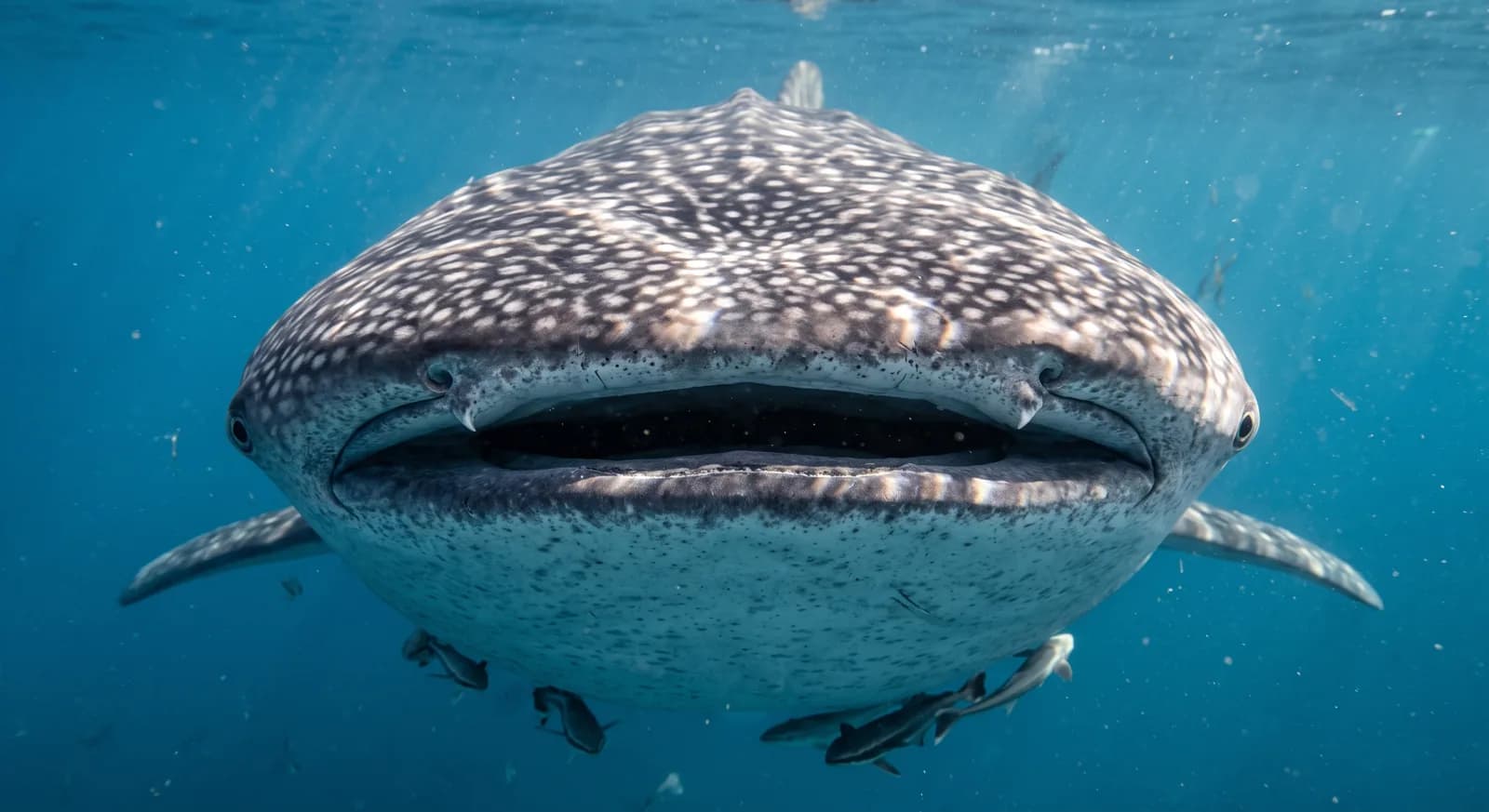
Whale SharkEndangered

Whale Shark

Rhincodon typus

Page 1 of 17
Savanna
Rainforest
Grassland
Ocean