Skip to content
WAnimals
  • Map
  • Species
  • Parks
  • Diving
Log inCreate account
WAnimals

The guide for travellers and animal lovers: discover, plan and share your wild adventures around the world.

Discover wildlife

  • Species
  • Ecosystems
  • Glossary
  • Tags

Explore places

  • Map
  • Countries
  • Parks
  • Diving

Plan experiences

  • Guides

Learn

  • Blog

Resources

  • About us
  • How we build our profiles
  • Help centre
  • Contact
  • Install the app

Follow us

Account

  • Log in
  • Create account

© 2026 WAnimals. All rights reserved.

Terms of servicePrivacyCookiesLegal notice
MapSpeciesParksDiving
  1. Home
  2. Parks
  3. Namibia
  4. Namib Sand Sea
World Heritage Site (Natural)UNESCO World Heritage

Namib Sand Sea

Southern AfricaDesignated in 201330,777 km²
Spotted something wrong?

The only coastal desert in the world with extensive dune fields shaped by fog.

Area

30,777 km²

Designated in

2013

Region

Southern Africa

Highlight

A sand sea fed by fog off the Atlantic

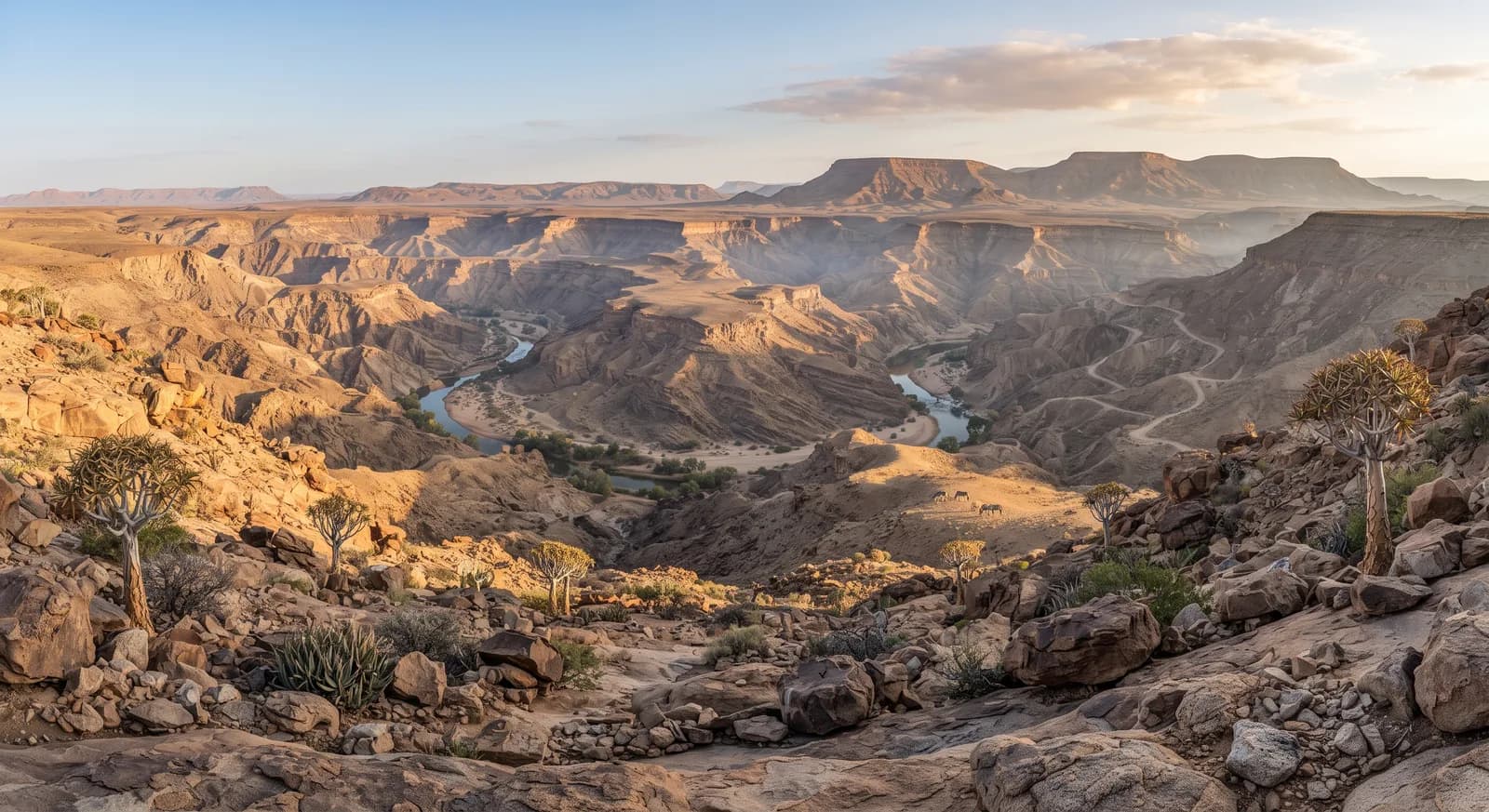
The Namib Sand Sea was inscribed on the World Heritage List in 2013 and covers some 30,777 km² of the Namib Desert, on the Atlantic coast of Namibia, within the Namib-Naukluft National Park.

It is the only coastal desert on the planet with extensive dune fields shaped by fog. The cold Benguela Current, rising from the Antarctic along the coast, condenses the moisture in the air and produces a dense fog that penetrates tens of kilometres inland. That fog is the only significant source of water in a region where it hardly ever rains, and it has determined the evolution of the entire ecosystem.

The dunes are among the highest in the world, with crests exceeding three hundred metres at Sossusvlei, and their orange colour comes from the oxidation of the iron in sand carried thousands of kilometres by the Orange River and returned to land by wind and currents. The fauna has developed extraordinary adaptations for capturing water from the fog: tenebrionid beetles that stand head-down on the dune crests so that the droplets run into their mouths, geckos that lick their own eyes, and plants such as Welwitschia mirabilis, which can live more than a thousand years with only two leaves. The Namib is also the oldest desert in the world, with at least fifty-five million years of continuous aridity.

Location

Loading map…

Namib Sand Sea: 4 documented species

Mammals3Birds1

Threatened:

Flora and ecosystems

Ecosystems found in Namibia, where Namib Sand Sea lies.

SavannahDesertMarine / coastal

Experiences in this park

Birdwatching

Similar parks

Which other parks are like this one?

Same country: Namibia

Same country: Namibia

Same country: Namibia

Same country: Namibia

Keep exploring

Based on what we already know about this park.

Share your experience visiting Namib Sand Sea, or a tip for other travellers.

Climate

Arid / desert

Best season

May to October
Plan your visit

Best season
May to October
Area
30,777 km²
See location
Namibia · Southern Africa
See on the interactive map→
Mountain Zebra
Mountain ZebraVulnerable

Mountain Zebra

Equus zebra

Least Concern

Rosy-faced Lovebird

Agapornis roseicollis

Least Concern

South African Ground Squirrel

Xerus inauris

Least Concern

Southern African Springhare

Pedetes capensis

Fish River Canyon
Nature Reserve

Fish River Canyon

Namibia

Hartmann's mountain zebra · ostrich

May to October

See park
National Park

Ai-Ais Hot Springs

Namibia

Hartmann's mountain zebra · gemsbok

May to October

See park
National Park

Bwabwata

Namibia

African savanna elephant · sitatunga

May to October

See park
National Park

Dorob

Namibia

Damara tern · flamingo

May to October

See park
CountryNamibia
This page in other languages: Español · Deutsch · Français · Português · Italiano
More places in Namibia
Desert
Polar
World Heritage