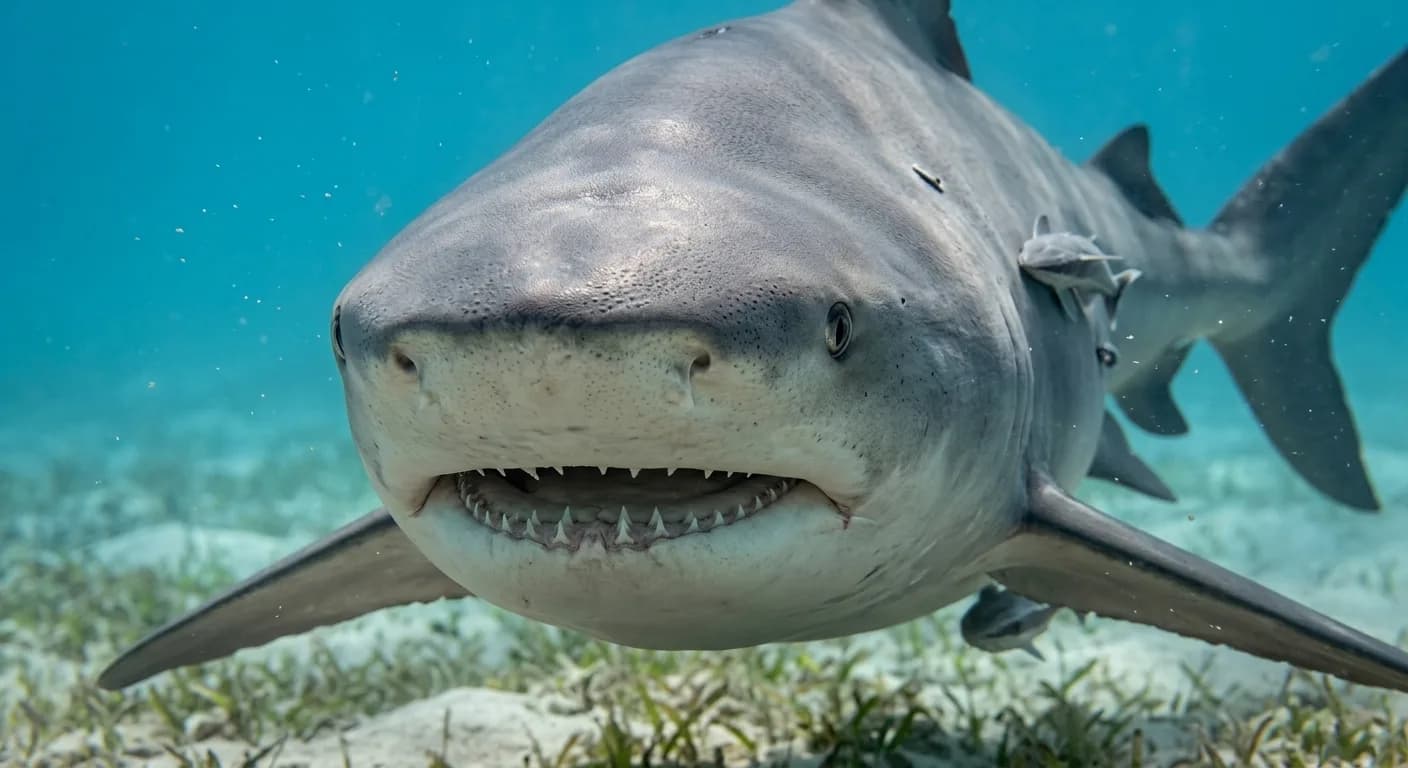
One of the 17 dolphins on WAnimals
Mammals · Artiodactyla · Delphinidae
Sousa teuszii
At extremely high risk of imminent extinction in the wild.
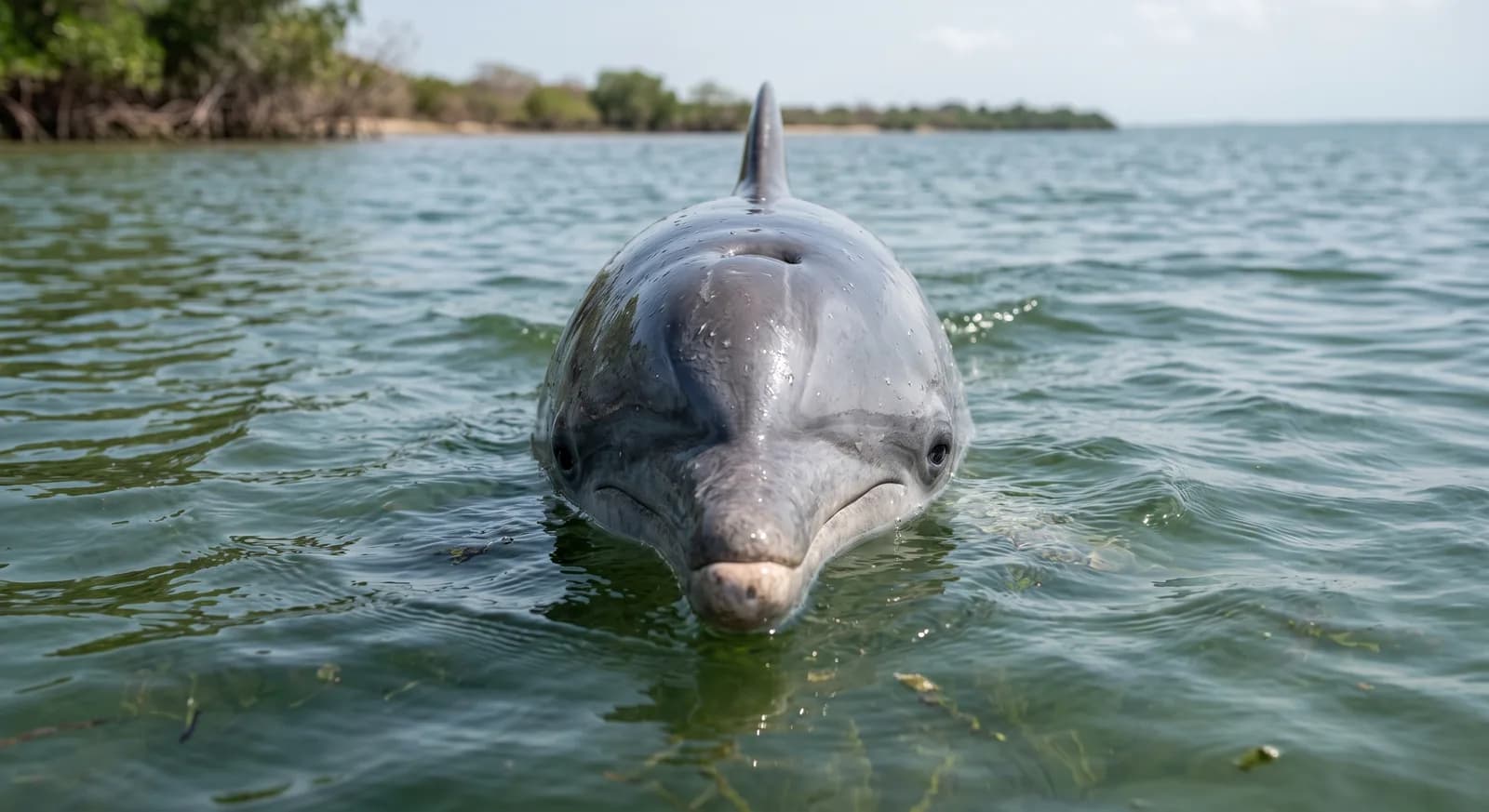
The Atlantic humpback dolphin is one of the most threatened cetaceans in the world. It lives hard against the West African coast, almost always less than three kilometres from land and in water under twenty metres deep, which exposes it directly to artisanal fishing nets. It owes its name to an elongated hump on the back on which a small dorsal fin sits. Its subpopulations are highly fragmented and some are already down to a few dozen animals.
Weight
100 kg – 150 kg
Size
2 m – 2.5 m
Life expectancy
40 years
Diet
Carnivore
Feeds mainly on other animals.
Activity
Diurnal
Active mainly during the day.
Estimated population
Fewer than 1,500 mature individuals, spread across very small, isolated subpopulations
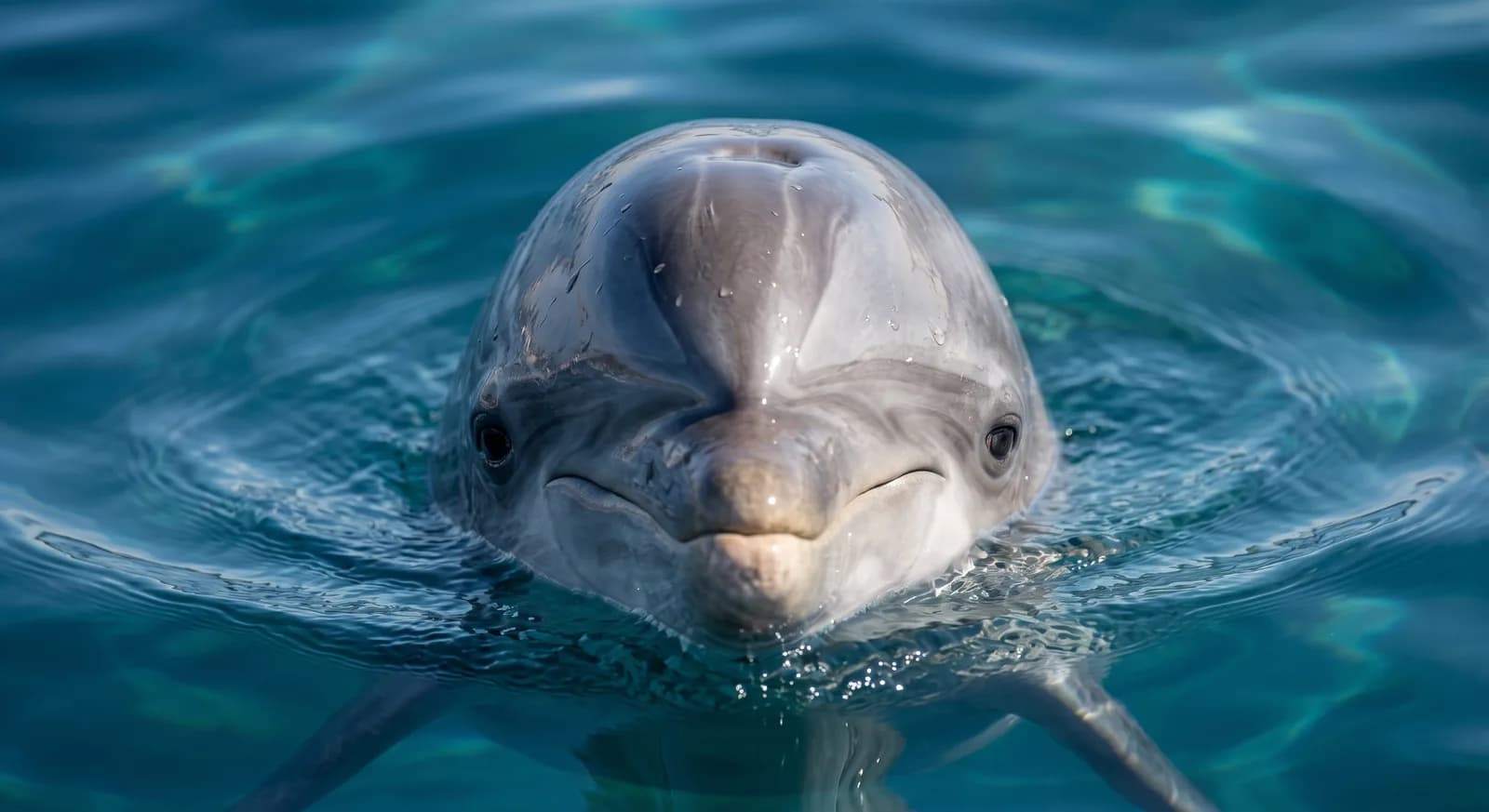
AI-generated images: illustrations, not photographs.
Sources consulted: IUCN Red List · Animal Diversity Web · Wikipedia (es)
The pins mark the parks and dive sites where its presence is documented.
Parks and dive sites where this species has been documented.
Other species in the catalogue with the most in common with Atlantic Humpback Dolphin — same habitat, park, country, tags or family.
The atlantic humpback dolphin is classified as critically endangered. Organisations such as the IUCN, WWF and the Wildlife Conservation Society work specifically on its conservation and that of its habitat; looking into their programmes is a good starting point if you want to get involved.
It's documented in 4 protected areas — one reason why protecting these places matters for its conservation.
Based on what we already know about atlantic humpback dolphin.