 Critically Endangered
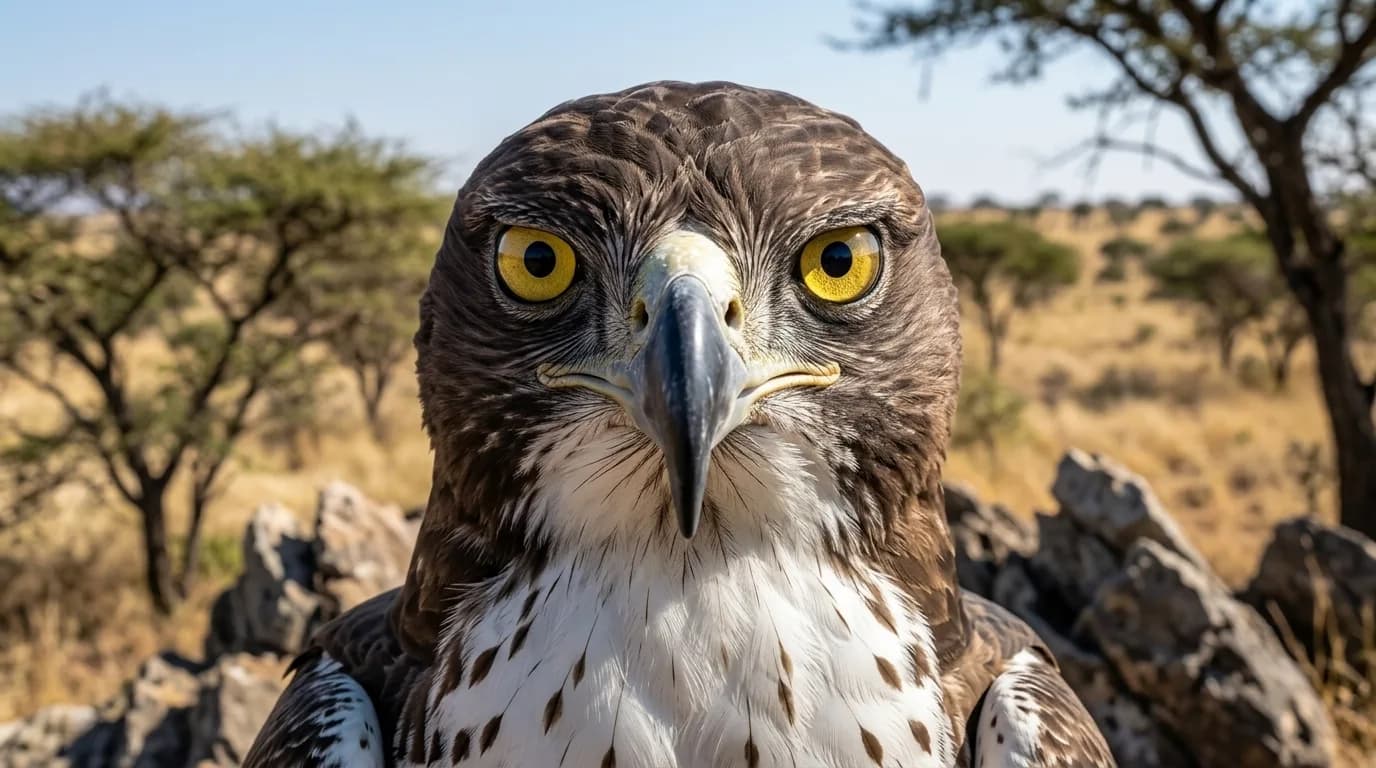
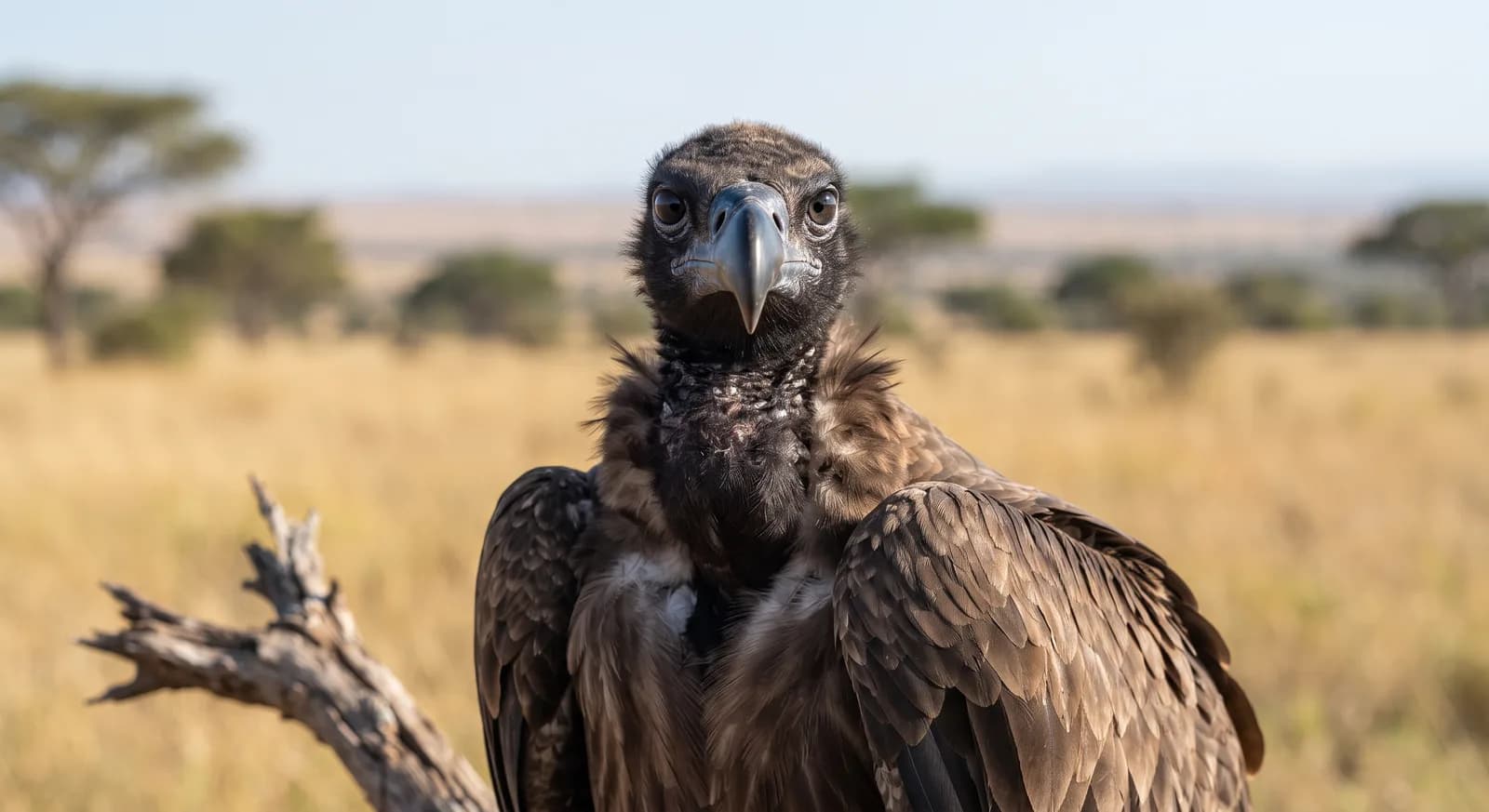
White-backed Vulture
Gyps africanus
Africa
Guinea is known as the water tower of West Africa because three of the region's great rivers rise in its highlands: the Niger, the Senegal and the Gambia. The Fouta Djallon massif, a sandstone plateau cut by canyons and waterfalls, holds back the monsoon moisture and feeds those rivers. Towards the southeast, Forest Guinea keeps remnants of the Guinean rainforest at Ziama and Diécké, with forest elephants, chimpanzees and a flora of equatorial affinity. In the far south rises Mount Nimba, an isolated massif shared with Liberia and Côte d'Ivoire that combines high-altitude grassland over iron ore with forest on its slopes, and that concentrates a very uncommon density of species found nowhere else. The coast contributes extensive mangroves and rich estuaries.
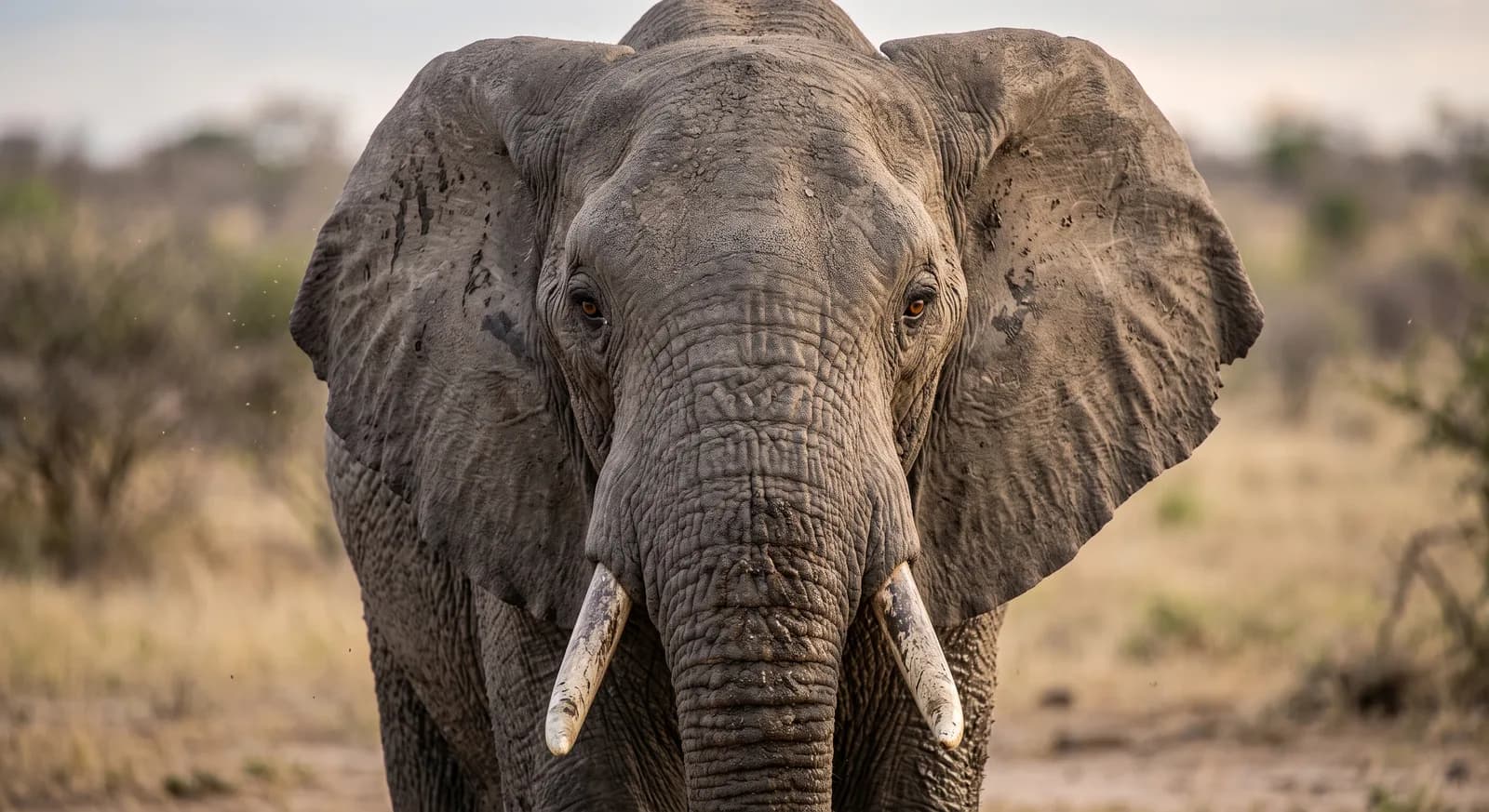
National animal: The elephant, present in the country's historic symbolism
In the high grasslands of Mount Nimba lives a tiny toad that breaks every rule of its group: it lays no eggs and has no tadpole stage, but gestates its young for some nine months and gives birth to fully formed little toads. It is one of the very few truly viviparous amphibians in the world and exists only in a few square kilometres of that mountain, threatened by iron mining.
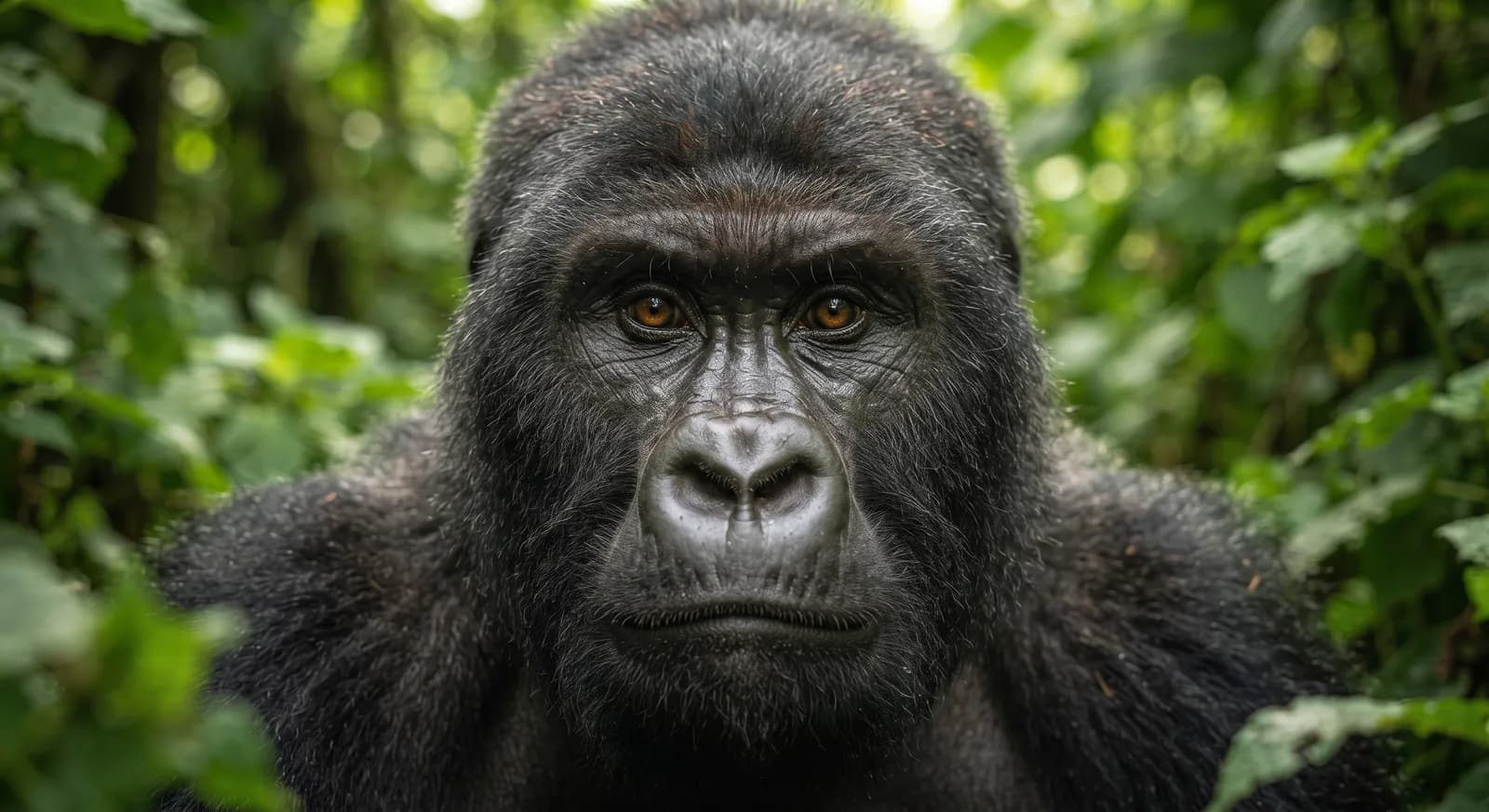
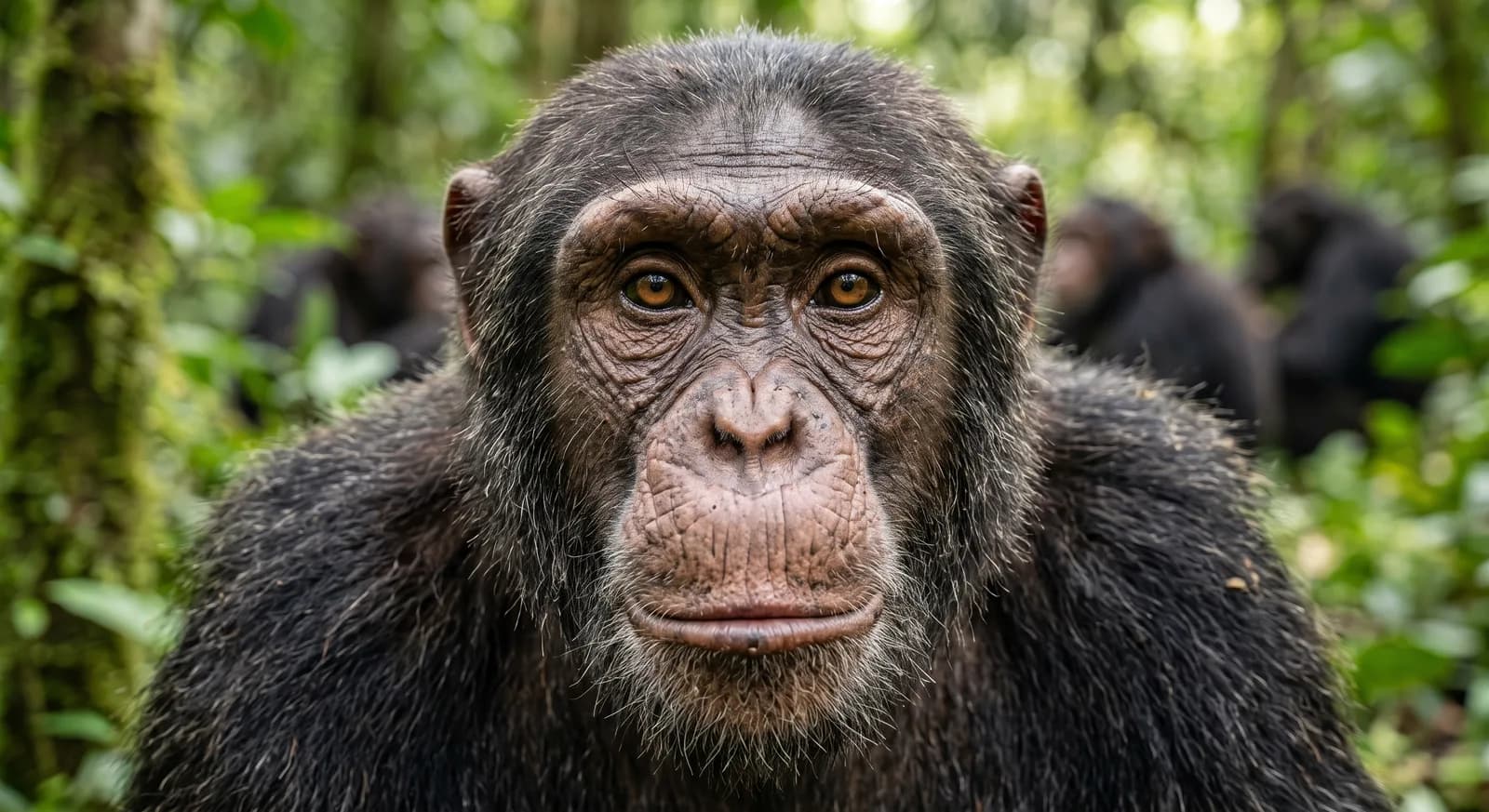
Nimba is a World Heritage Site and at the same time one of the largest iron deposits on the planet, a conflict that has shaped its management for decades. The country's chimpanzees are among the most important populations in West Africa.
Nimba in the dry season for high-altitude flora and fauna. Ziama and Diécké for primates and forest birds. The Upper Niger between December and April for savannah wildlife.
Where else might I want to travel?
Same region: West Africa
Same region: West Africa
Same region: West Africa
Same region: West Africa
223 species found
Based on what we already know about Guinea.