The United States runs from the Arctic of Alaska to the tropical reefs of Florida and Hawaii, and that range takes in deserts, prairies, temperate forests, subtropical wetlands and some of the highest mountains in North America. In 1872 it created Yellowstone, the world's first national park, launching a model of protection since copied on every continent. California's redwood forests hold the tallest trees on the planet, the Everglades form a river of grass kilometres wide and a few centimetres deep, and the Pacific kelp forests are among the most productive marine ecosystems in existence. The Great Plains still keep fragments of the prairie that once supported immense herds of bison.
Nature in the United States
National animal: The bald eagle is the national bird and the American bison the national mammal, designated in 2016
Did you know?
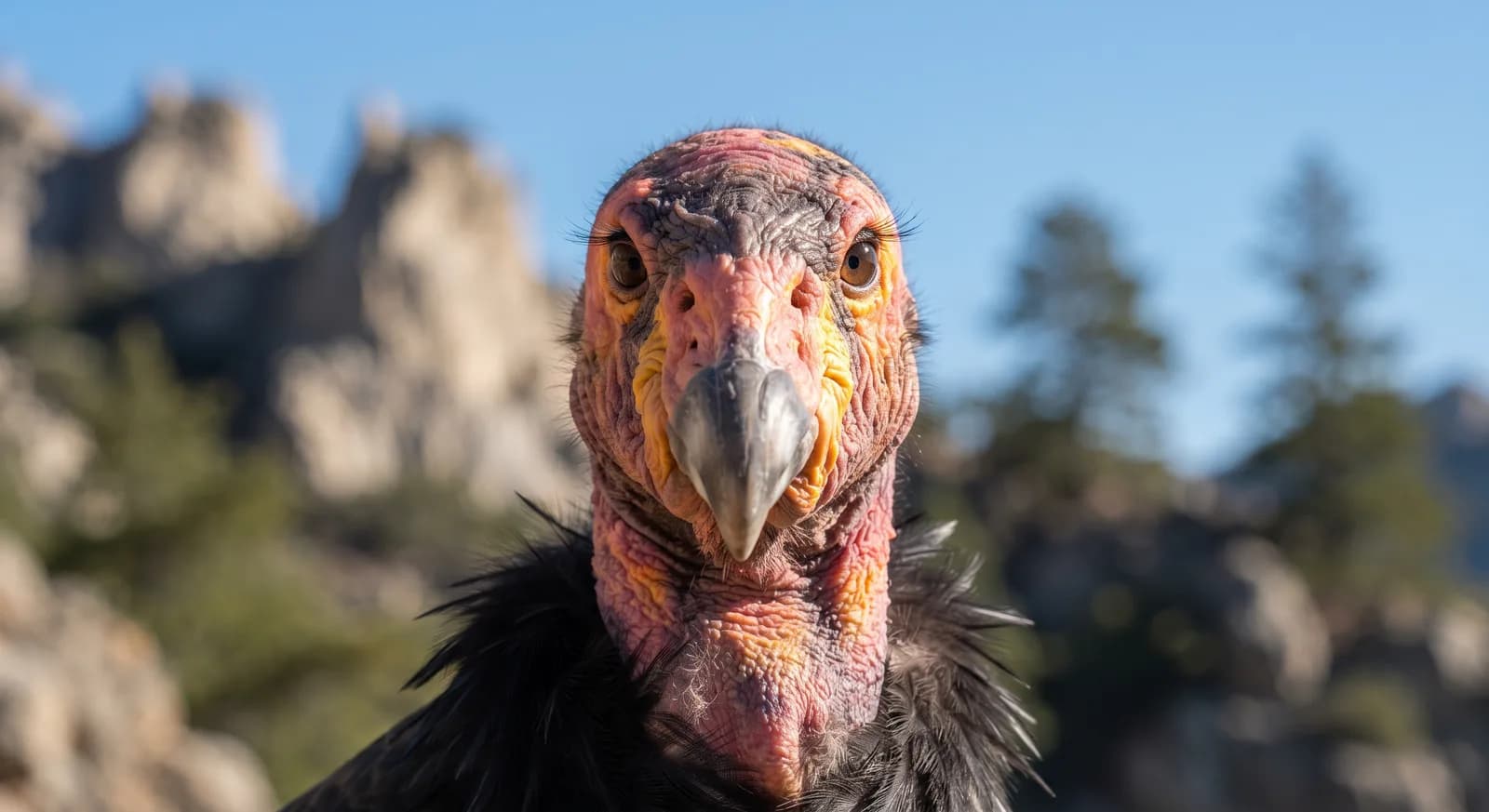
In 1987 there were twenty-two California condors left in the world, and a drastic decision was taken: to capture every last wild bird and breed them in captivity. The gamble paid off, and more than five hundred fly again today, many of them free. Their main threat is still the lead from ammunition they swallow while feeding on carrion, so many birds are caught periodically for treatment.
Biodiversity profile
Conservation
The reintroduction of the wolf to Yellowstone in 1995, after seventy years of absence, changed elk behaviour, allowed riverside willows and cottonwoods to regenerate, and has become the most cited trophic cascade in the world. The black-footed ferret was rediscovered in 1981 after being given up as extinct.
Where and when to watch wildlife
Yellowstone in May and June for wolves and bison calves. The Everglades between December and April for waterbirds and alligators. The California coast between December and April for grey whales.
Natural phenomena in the United States
Manatee wintering at Crystal River — 15 November to 31 March
Crane and goose wintering at Bosque del Apache — November to February
Calving and migration of the Porcupine caribou herd — May to July (calving in the first week of June; post-calving aggregations in July)
Humpback whale season in Hawaii — Mid-Dec to mid-April (peak Jan-Mar)
Synchronous fireflies in the Great Smoky Mountains — Late May to early June
Brown bears fishing for salmon at Brooks Falls — June to September (peak in July)
Elephant seal breeding season in California — December to March (peak in January)
Sandhill crane migration on the Platte River — February to April (peak mid-to-late March)
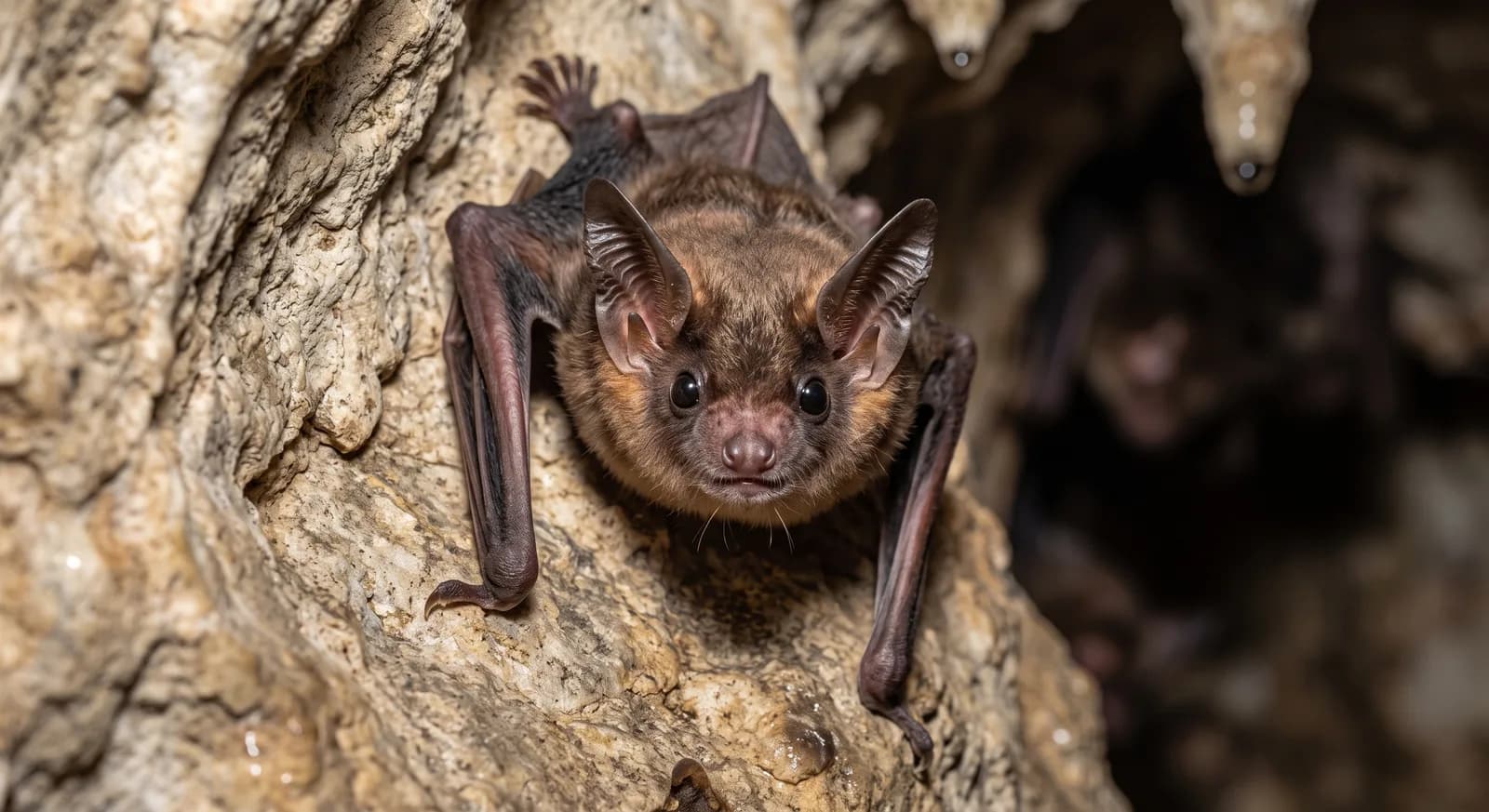
Urban bat colony under Congress Avenue Bridge — March to November (peak in summer)
Desert wildflower superbloom at Anza-Borrego — February to April (peak in March)
American alligator mating season — April to June
Horseshoe crab spawning and red knot arrival in Delaware Bay — Late April to early June (peak in May)
Walrus haulout on Round Island — May to August (permits until 15 August)
North Atlantic right whales feeding in Cape Cod Bay — January to May (peak Feb-Apr)
Ruby-throated hummingbird migration — March to May (spring migration)
 Least Concern