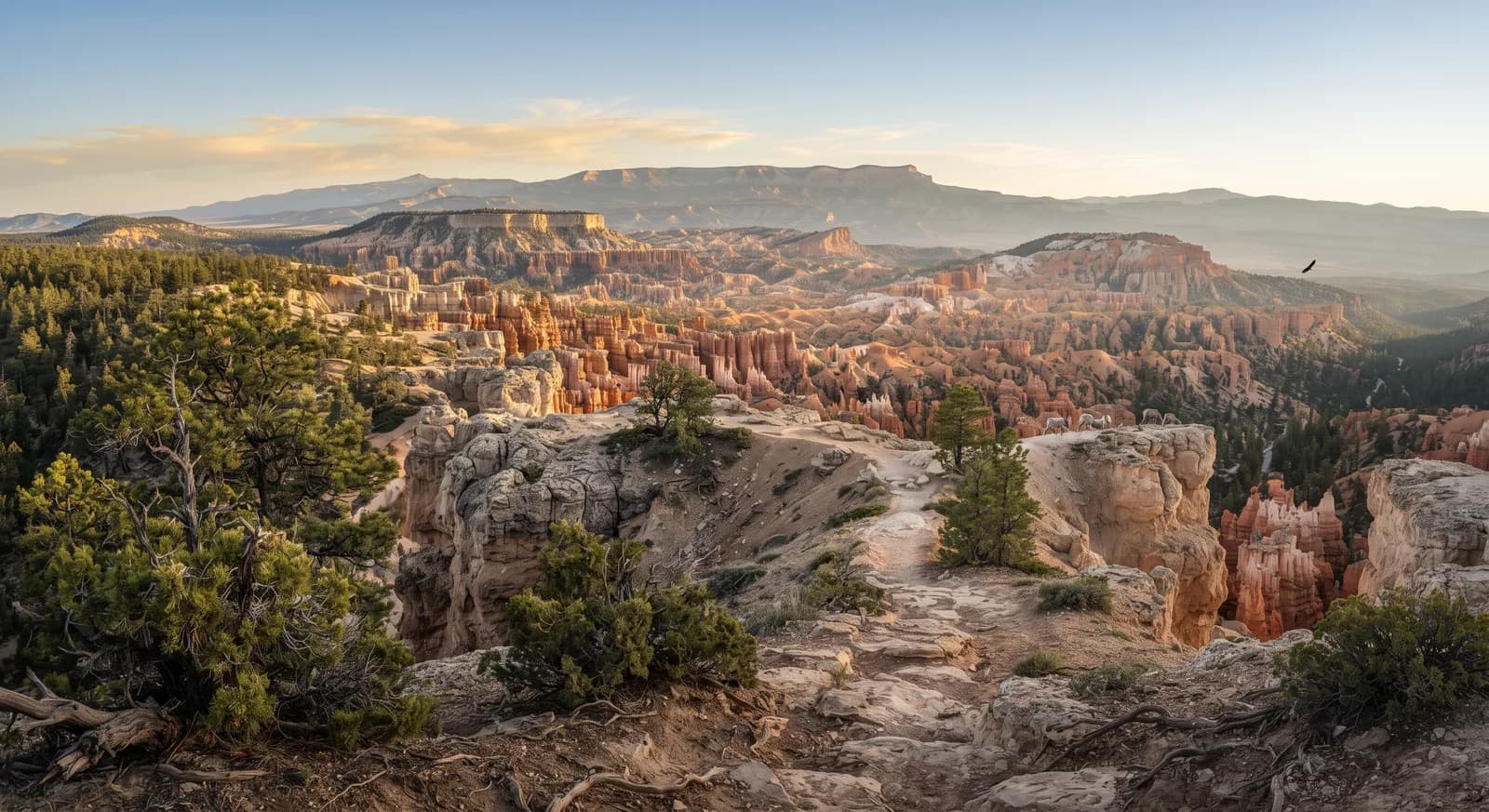
The greatest concentration of hoodoos in the world, rock columns sculpted by the freeze-thaw cycle
Area
145 km²
Protection category
IUCN II
Parque nacional —
Designated in
1928
Declared in 1928, Bryce Canyon is not technically a canyon but a series of natural amphitheatres cut into the eastern edge of the Paunsaugunt plateau, celebrated for holding the greatest concentration of hoodoos in the world — slender columns of reddish and orange sedimentary rock sculpted by the repeated freezing and thawing of water seeping into their cracks, a process that works some 200 nights a year in this high-altitude region.
Location
Loading map…
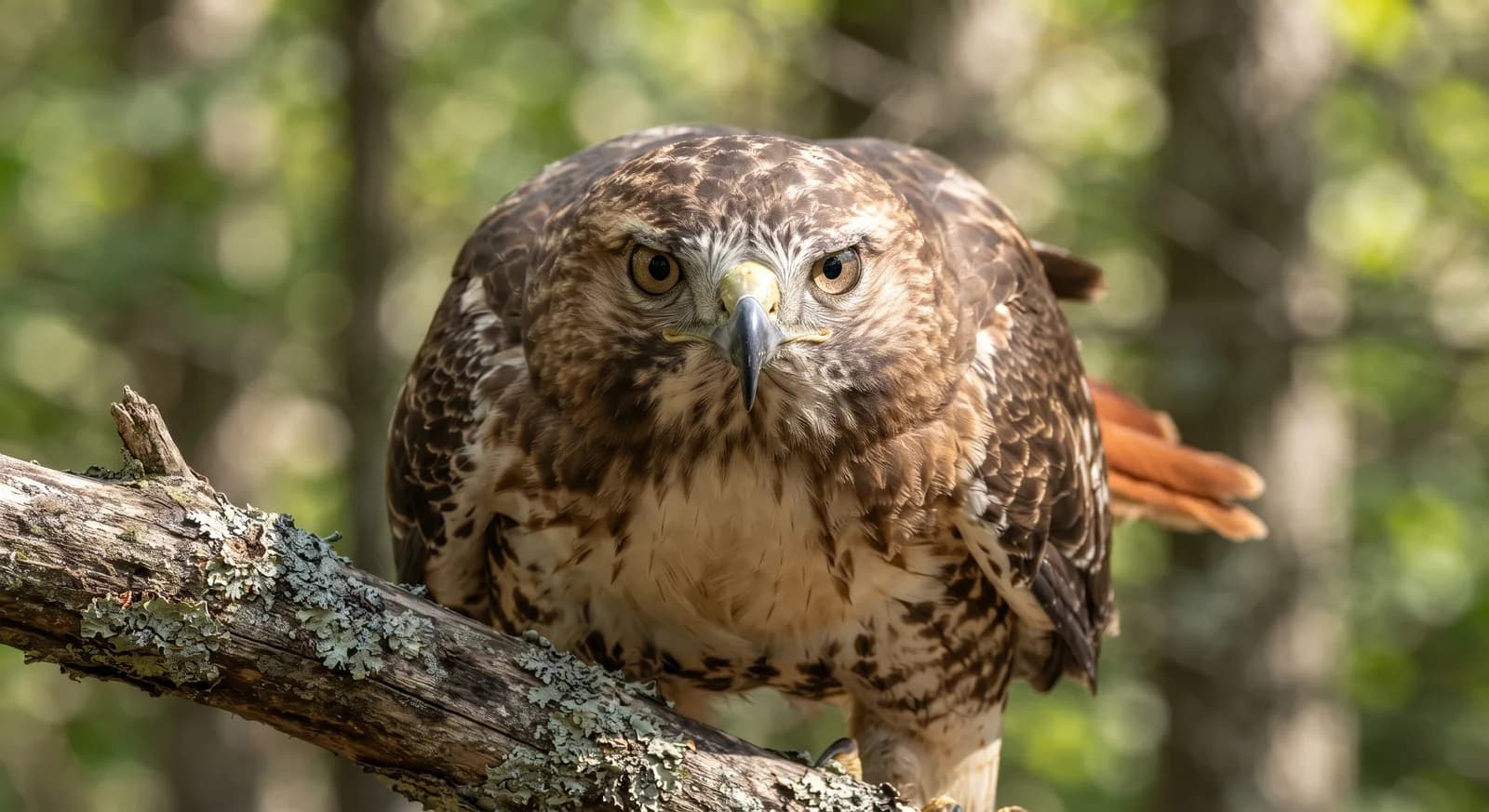
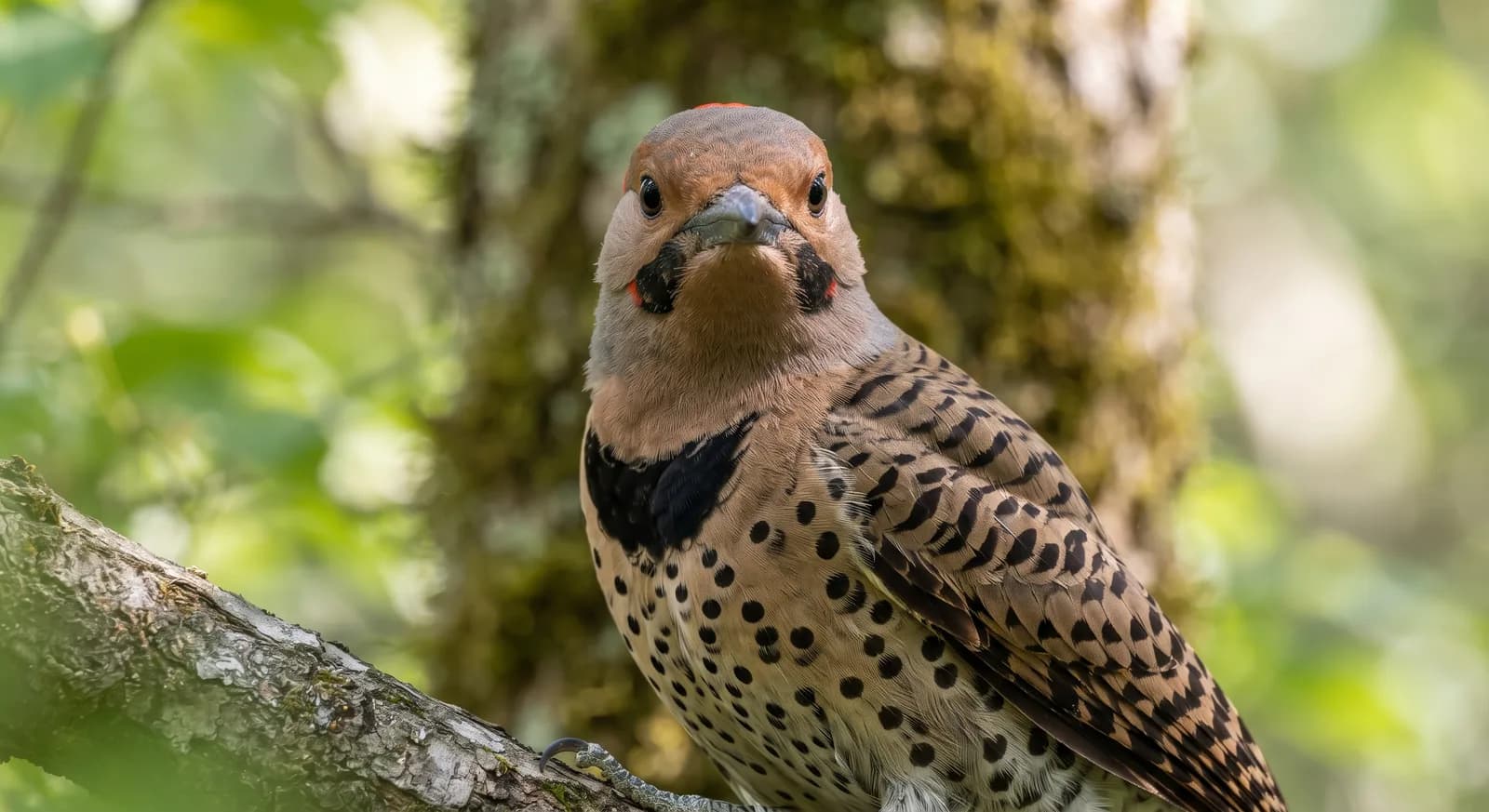
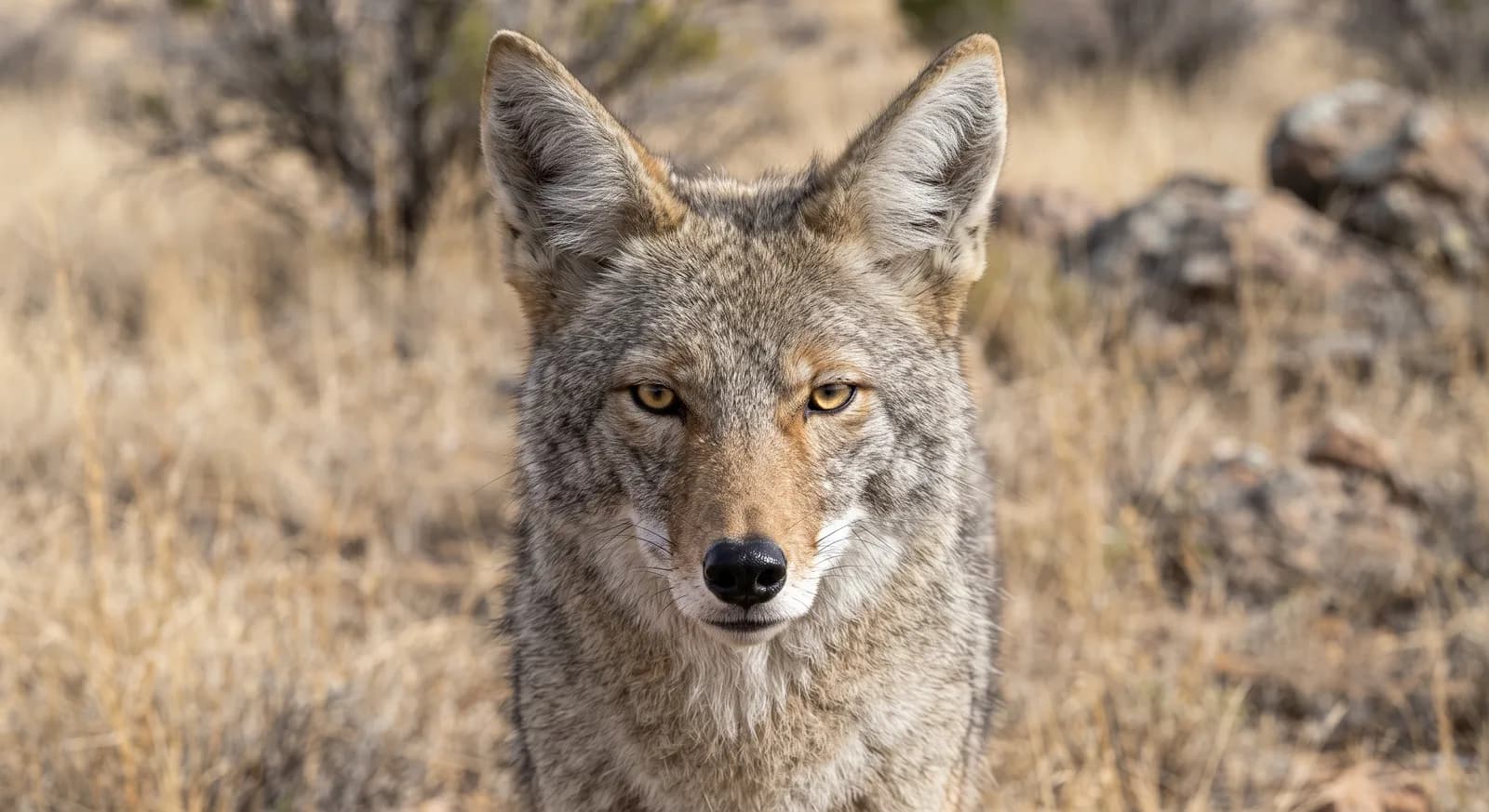
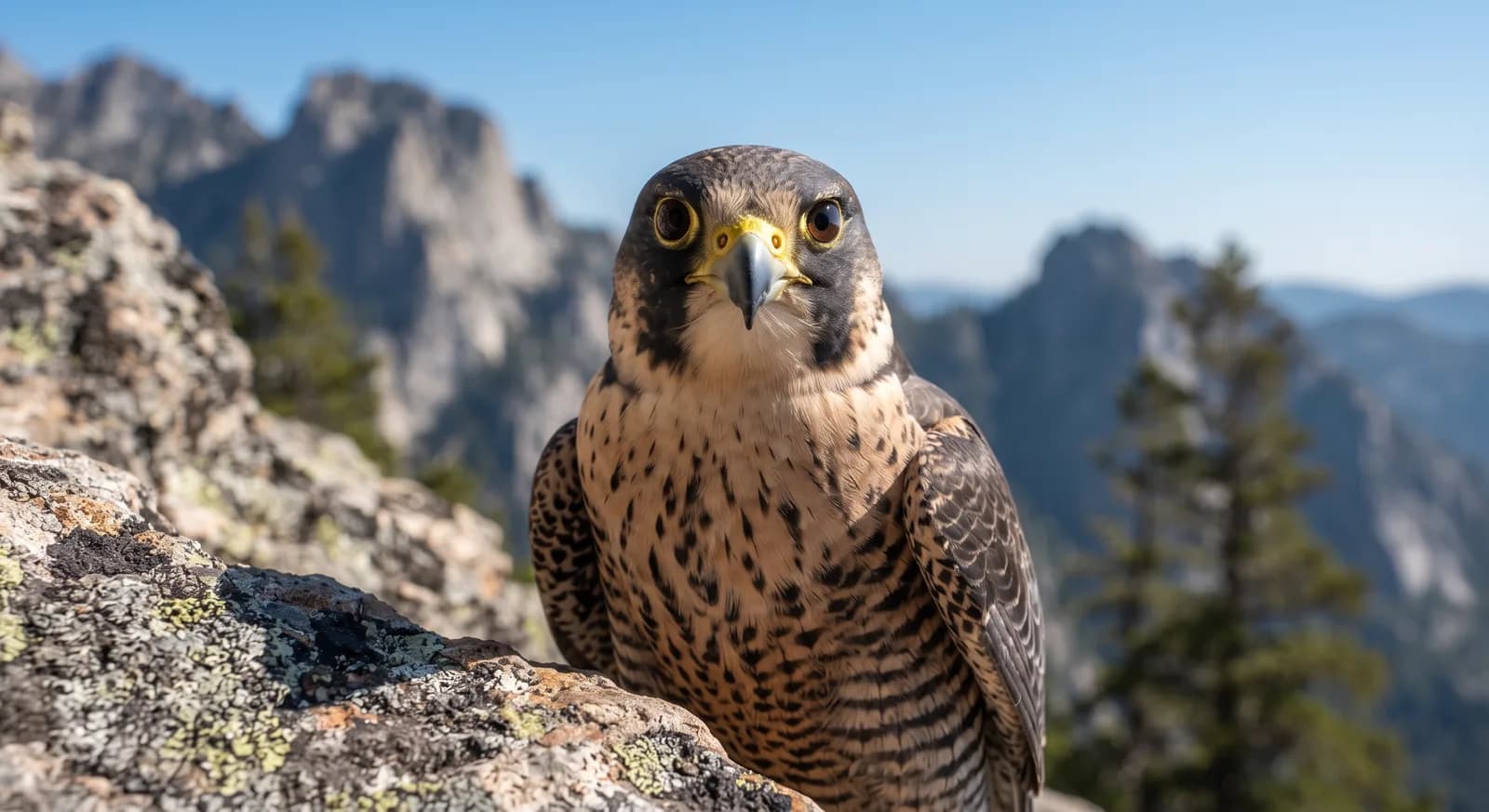
Bryce Canyon: 25 documented species
Mammals8Birds9Reptiles1Insecta
Flora and ecosystems
Ecosystems found in the United States, where Bryce Canyon lies.
DesertTemperate forestTundra / polarWetland
Experiences in this park
Birdwatching
Wildlife you can see now
What is worth looking out for this month in the United States?
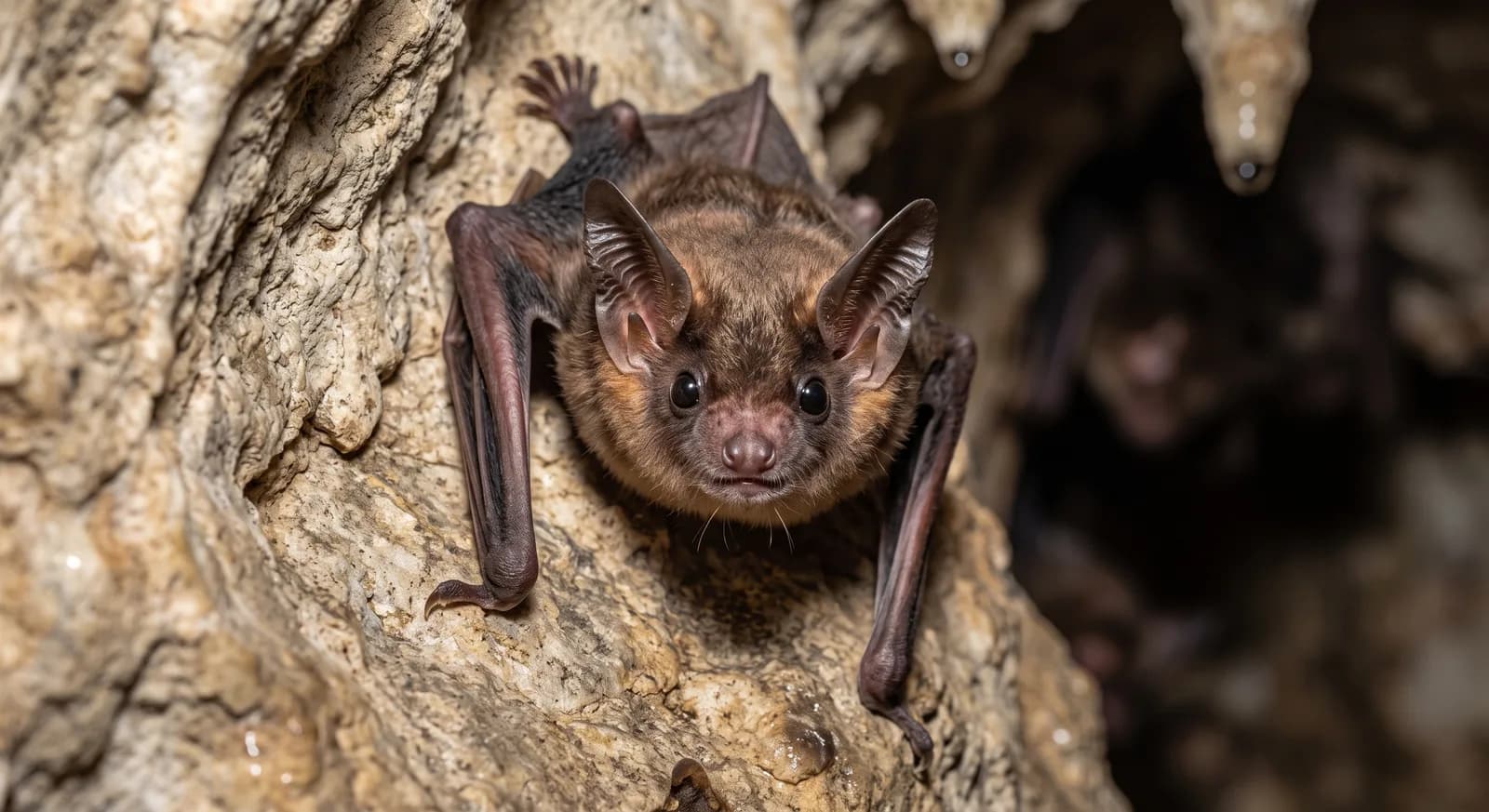
Now is a good time: Urban bat colony under Congress Avenue Bridge (March to November (peak in summer))
Similar parks
Which other parks are like this one?
Same country: United States
Same country: United States
Same country: United States
Same country: United States
Keep exploring
Based on what we already know about this park.
Comments
Share your experience visiting Bryce Canyon, or a tip for other travellers.
Be the first to comment.
 United States