Skip to content
WAnimals
  • Map
  • Species
  • Parks
  • Diving
Log inCreate account
WAnimals

The guide for travellers and animal lovers: discover, plan and share your wild adventures around the world.

Discover wildlife

  • Species
  • Ecosystems
  • Glossary
  • Tags

Explore places

  • Map
  • Countries
  • Parks
  • Diving

Plan experiences

  • Guides

Learn

  • Blog

Resources

  • Help centre
  • Contact
  • Install the app

Follow us

Account

  • Log in
  • Create account

© 2026 WAnimals. All rights reserved.

About usHow we build our profilesTerms of servicePrivacyLegal notice
MapSpeciesParksDiving
  1. Home
  2. Species
  3. Clark's Nutcracker

One of the 2 nutcrackers on WAnimals

Clark's Nutcracker (Nucifraga columbiana)

Birds · Passeriformes · Corvidae

Clark's Nutcracker

Nucifraga columbiana

Least Concern

The species is abundant and widely distributed; it faces no significant short-term risk.

Spotted something wrong?

Clark's nutcracker is a grey corvid with black and white wings, found in the high-altitude coniferous forests of western North America. Its whole life revolves around pine seeds: in autumn it collects tens of thousands of them and buries them in caches spread over kilometres of mountainside, which it later recovers beneath the snow with extraordinary spatial memory.

Weight

123 g – 137 g

Size

27 cm – 30 cm

Life expectancy

17 years
Diet

Herbivore

Feeds mainly on plants.

Activity

Diurnal

Active mainly during the day.

Sighting difficulty

Easy

Temperate forestMountain
3countries24parks12same family

AI-generated images: illustrations, not photographs.

Fun facts

  • It can bury more than thirty thousand pine seeds in a single autumn, spread across thousands of caches kilometres apart, and recover most of them months later beneath a metre of snow, guided by landmarks.
  • It has a sublingual pouch, a cavity beneath the tongue unique to its genus, in which it carries as many as a hundred pine seeds at once over several kilometres.
  • The whitebark pine depends almost entirely on it to reproduce: its seeds do not fly, and without the nutcracker's forgotten caches that high-altitude forest would not regenerate.

Life cycle and biology

Skeleton type
Vertebrate - internal bony skeleton (bird)
Habitat and environment
High-altitude coniferous forest of the Rockies and the Californian Sierra Nevada
Sexual maturity
12 months
Gestation / incubation
18 days
Litter / clutch size
2.5 (average)

Sources consulted: https://es.wikipedia.org/wiki/Nucifraga_columbiana

Where to find it

Loading map…

The pins mark the parks where its presence is documented.

Where to see it

Parks and dive sites where this species has been documented — showing 10 of 24.

Related species

Other species in the catalogue with the most in common with Clark's Nutcracker — same habitat, park, country, tags or family.

Same taxonomic family
Shares a park

Keep exploring

Based on what we already know about clark's nutcracker.

Comments

Share an experience, a fun fact or a tip for seeing the clark's nutcracker.

Be the first to comment.

See full glossary
This page in other languages: Español · Deutsch · Français · Português · Italiano
See its range on the interactive map→
Yellowstone National ParkUnited States
YosemiteUnited States
Grand CanyonUnited States
GlacierUnited States
ZionUnited States
OlympicUnited States
Grand TetonUnited States
Crater LakeUnited States
BanffCanada
JasperCanada
See all 24 parks
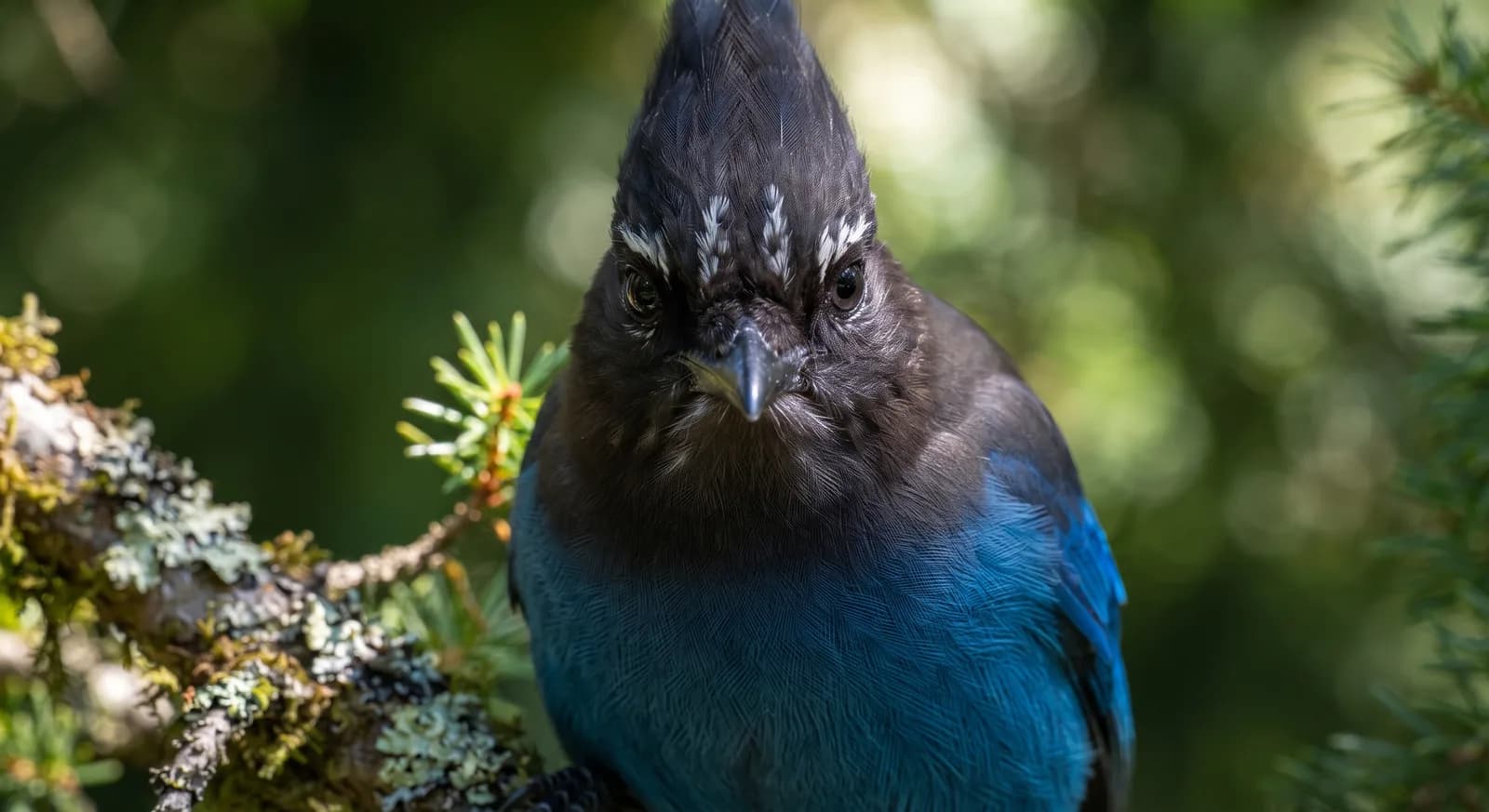
Steller's JayLeast Concern

Steller's Jay

Cyanocitta stelleri

Least Concern

Blue Jay

Cyanocitta cristata

Least Concern

Green Jay

Cyanocorax yncas

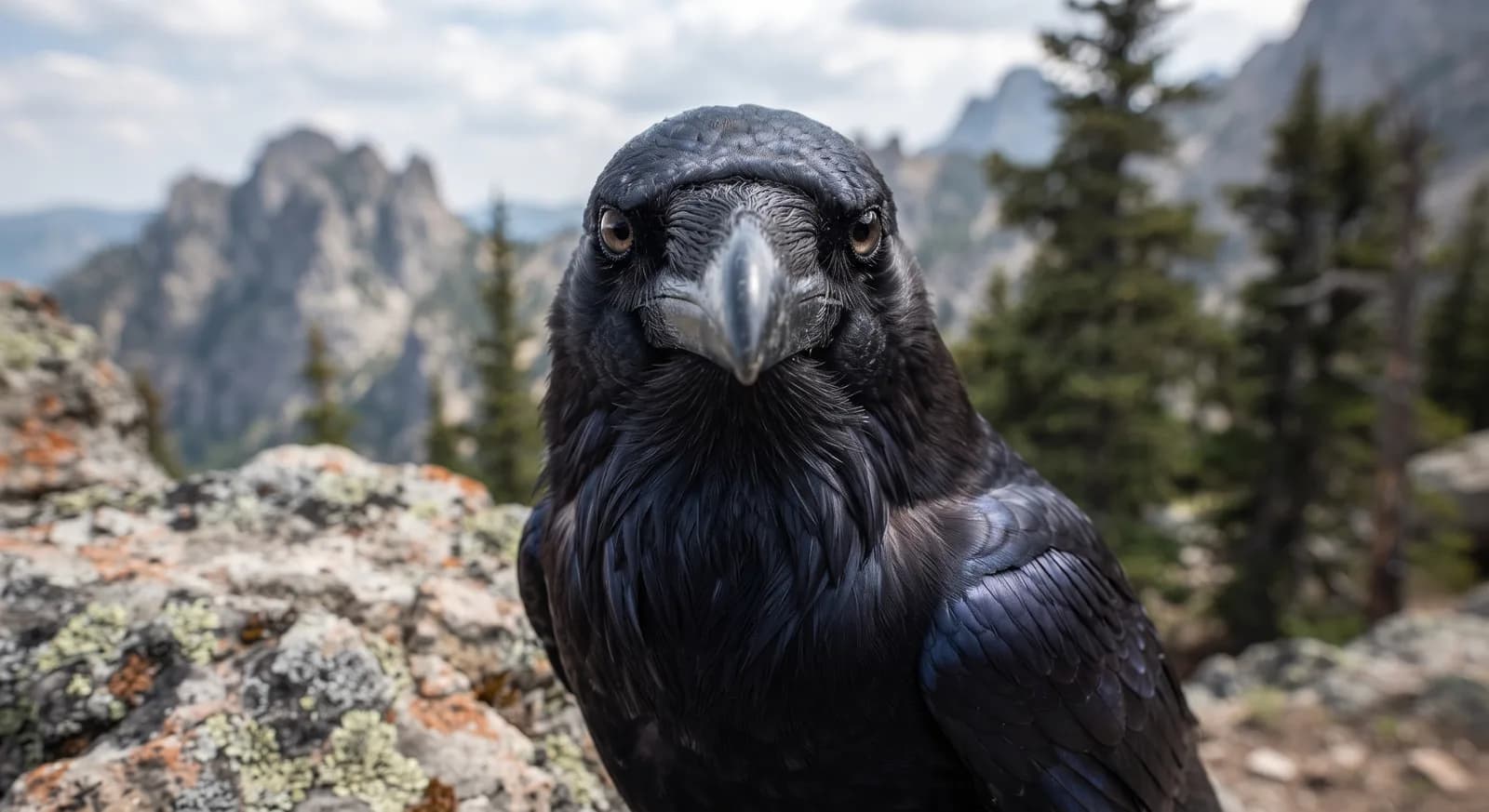
Common RavenLeast Concern

Common Raven

Corvus corax

Least Concern

Canada Jay

Perisoreus canadensis

Least Concern

Wood Duck

Aix sponsa

CountriesUnited States
ParksYellowstone National ParkUnited States
TagsHerbivore
Herbivore
Omnivore
Diurnal
Bird
Temperate forest
Mountain
United States
Canada
Mexico