National ParkUNESCO World Heritage
Grand Canyon
Desert South-West (USA)Designated in 19194,926 km²
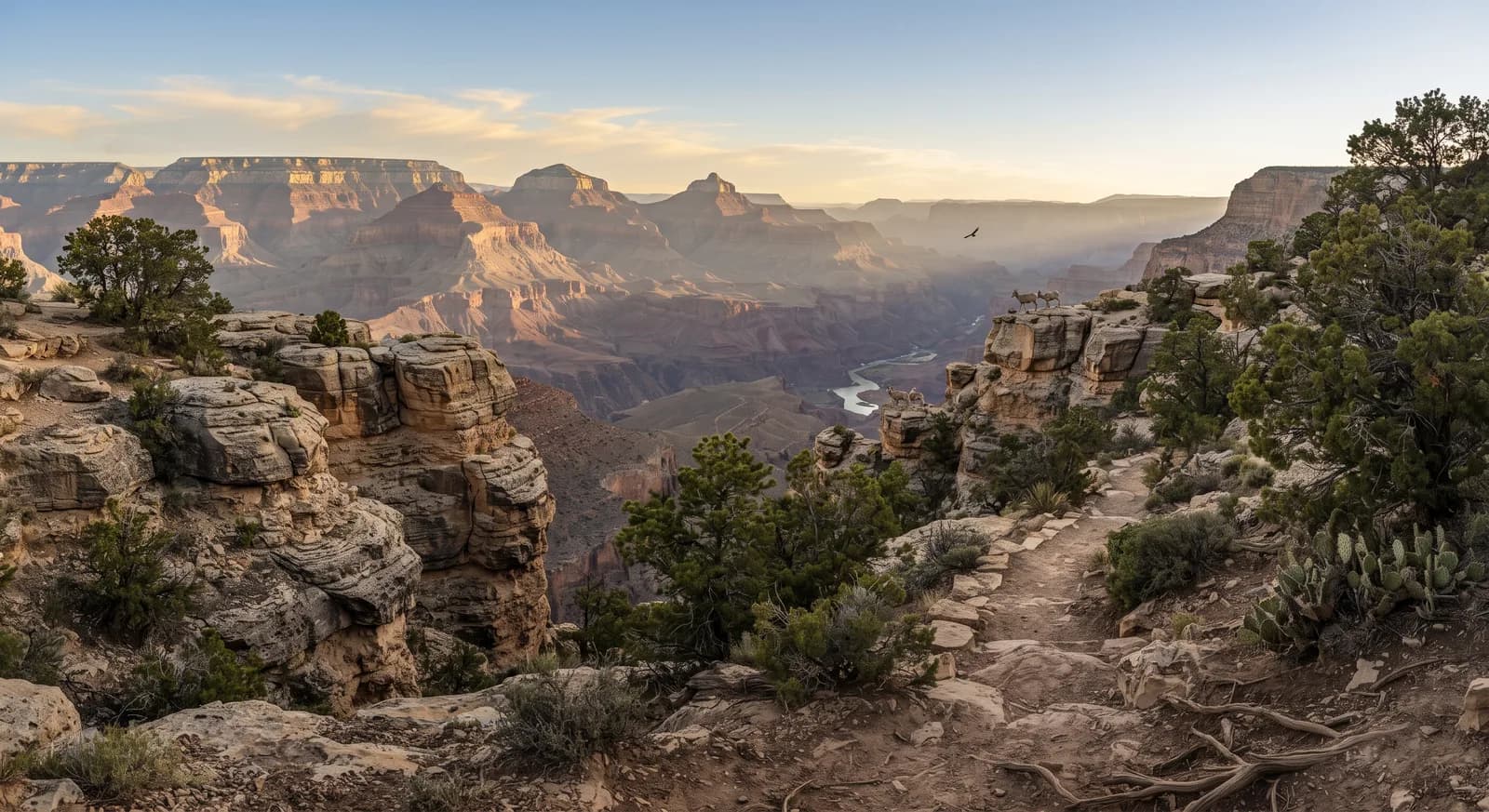
A gorge almost two kilometres deep carved by the Colorado River, laying bare close to two billion years of geological history.
Area
4,926 km²
Protection category
IUCN II
Parque nacional —
Designated in
1919
Highlight
A canyon almost 2,000 metres deep that exposes nearly 2 billion years of geological history
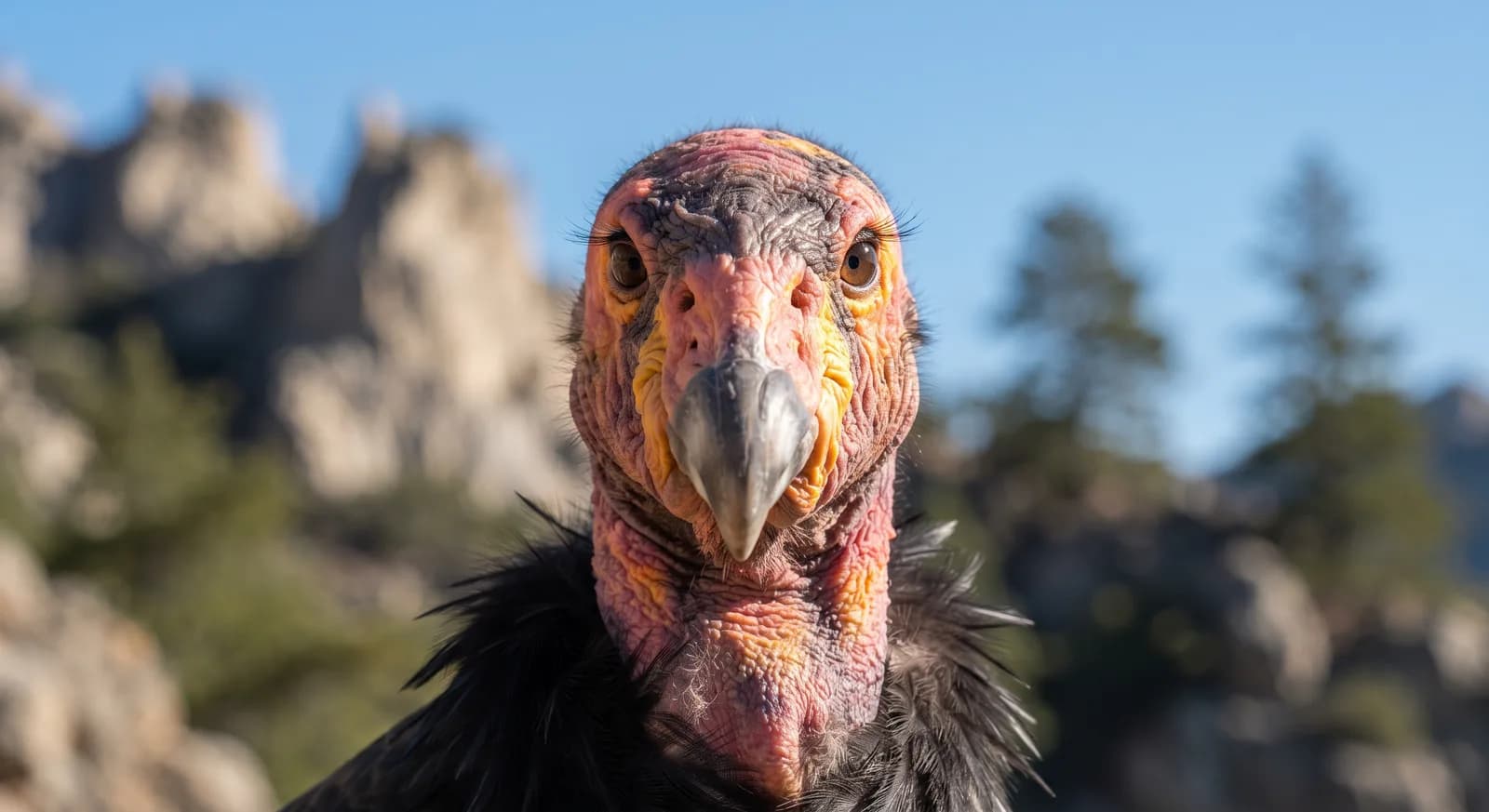
The Grand Canyon cuts across the Colorado Plateau in northern Arizona for more than three hundred kilometres. Its value lies not only in its scale but in what it exposes: the progressive incision of the Colorado River has sliced through an almost continuous succession of strata reaching from Precambrian metamorphic rocks, at the bottom of the gorge, to Permian limestones at the rim. It is one of the most complete and most accessible geological sections on the planet. The difference in altitude between the north rim and the canyon floor creates a staircase of environments running from conifer forest to desert scrub, with plant communities that horizontally would require travelling thousands of kilometres. Its wildlife includes the California condor, reintroduced to the region after coming close to extinction. The canyon is part of the ancestral territory of several Native nations, among them the Havasupai and the Hualapai, who maintain a presence there.
Location
Loading map…
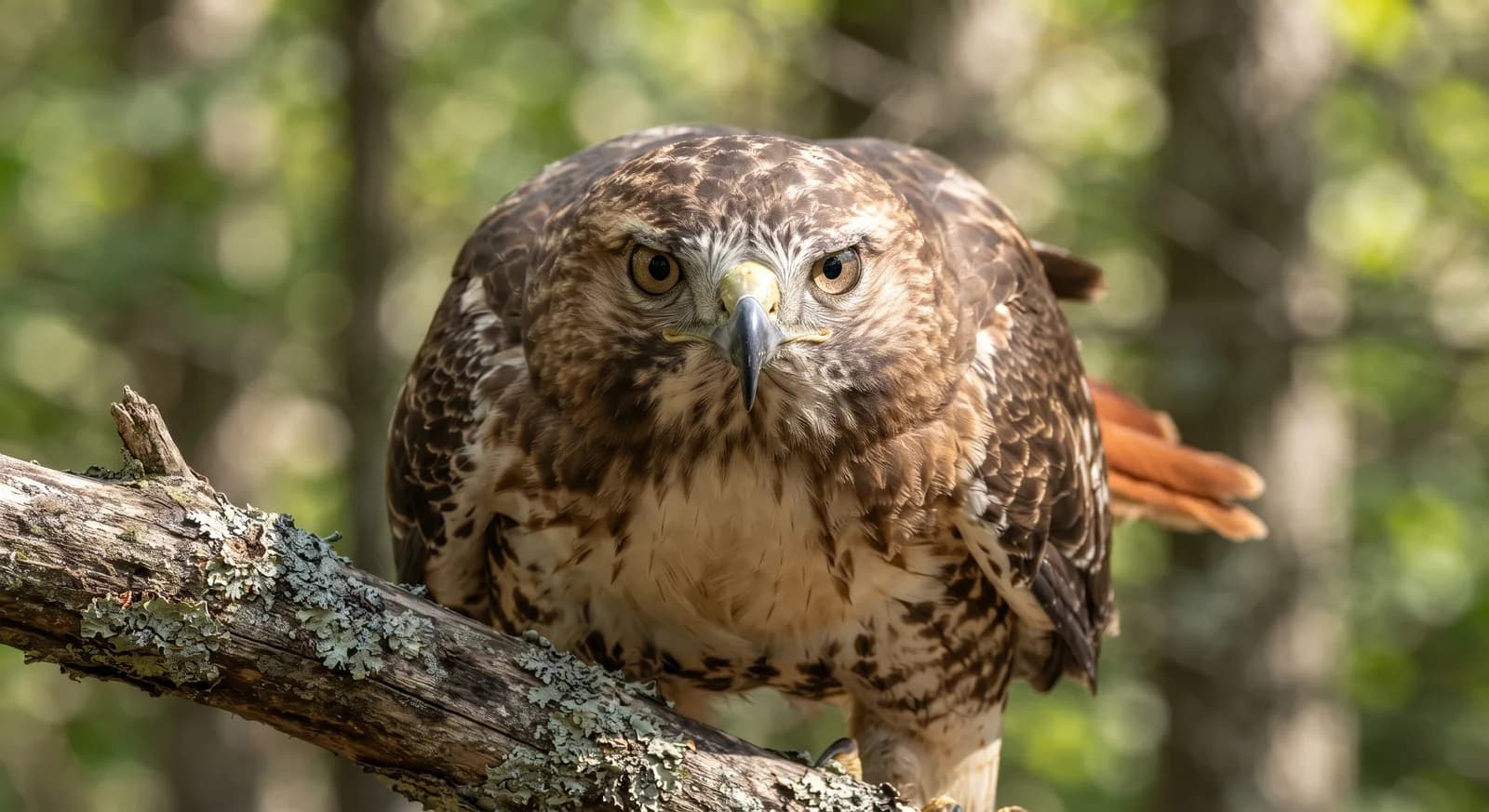
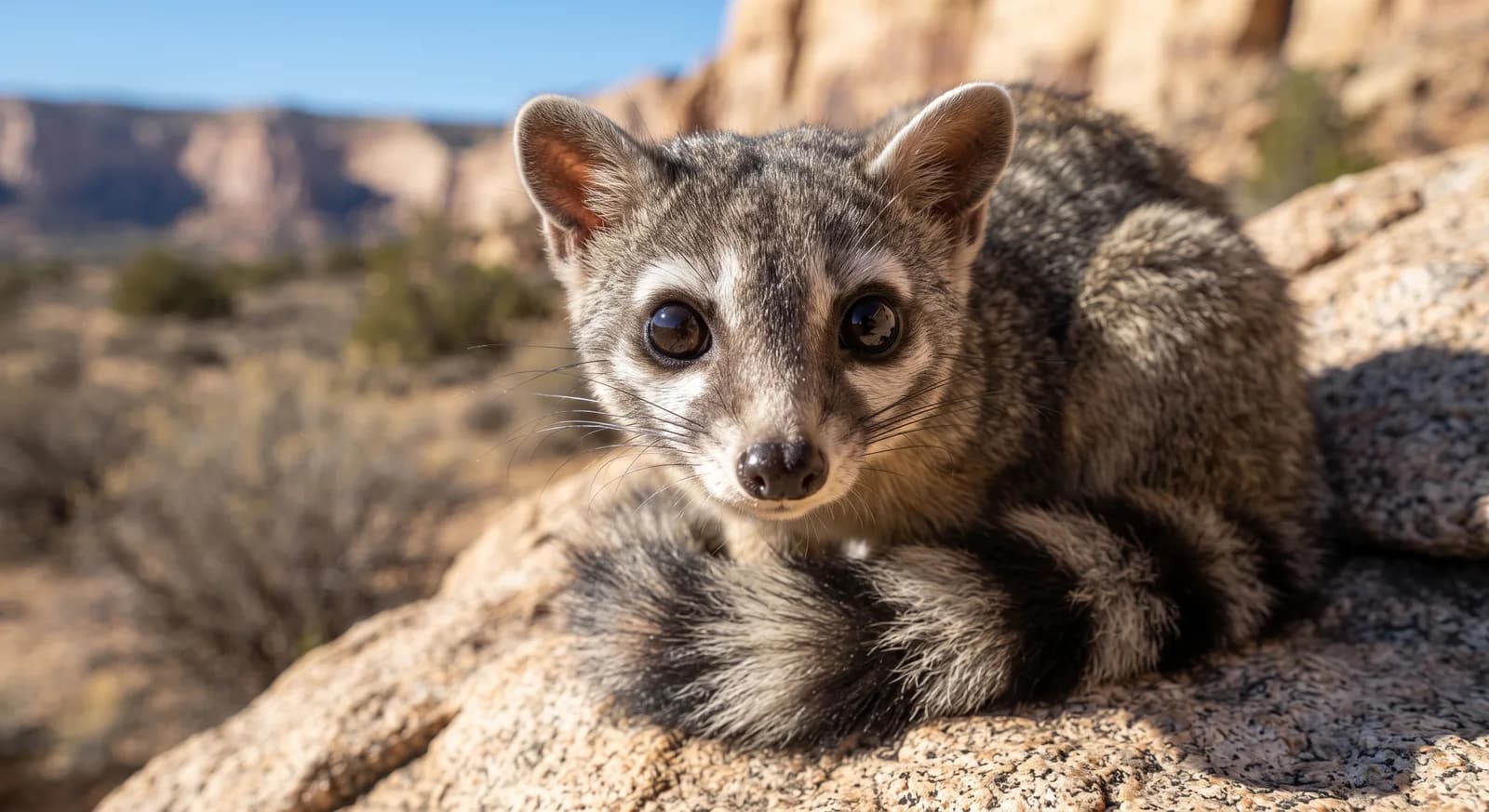
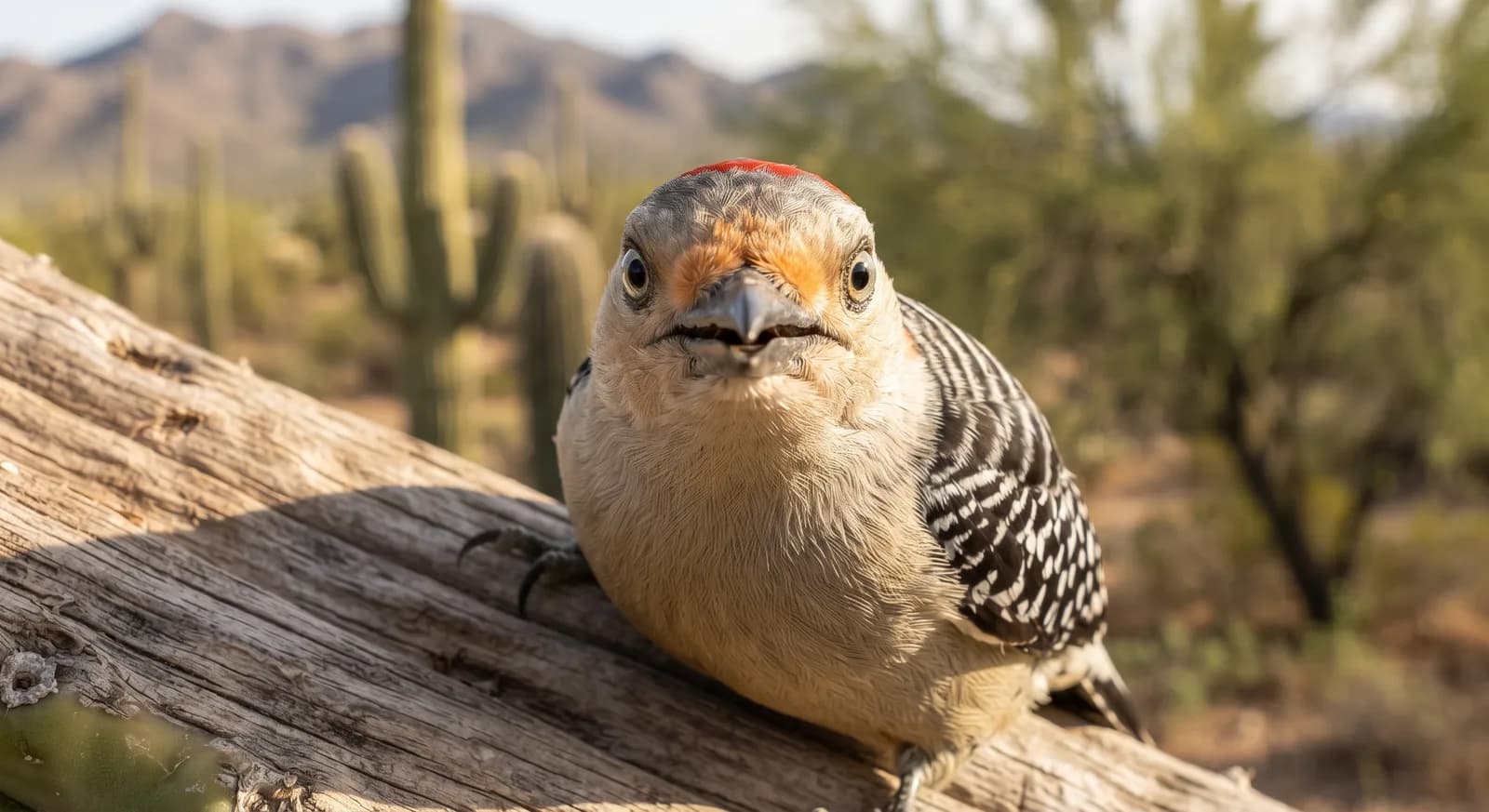
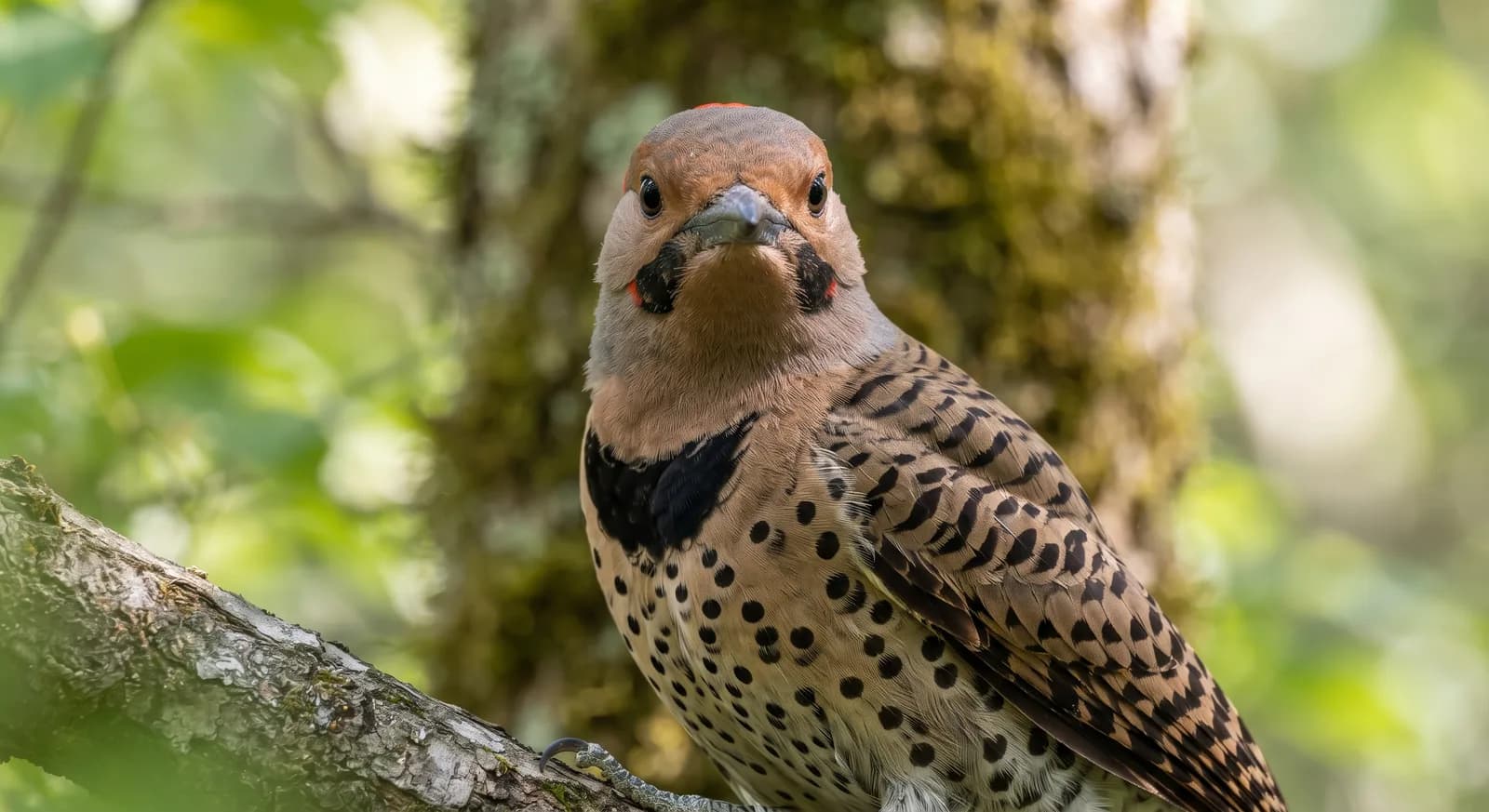
Grand Canyon: 47 documented species
Mammals13Birds16Reptiles8Amphibians
Flora and ecosystems
Ecosystems found in the United States, where Grand Canyon lies.
DesertTemperate forestTundra / polarWetland
Experiences in this park
Birdwatching
Wildlife you can see now
What is worth looking out for this month in the United States?
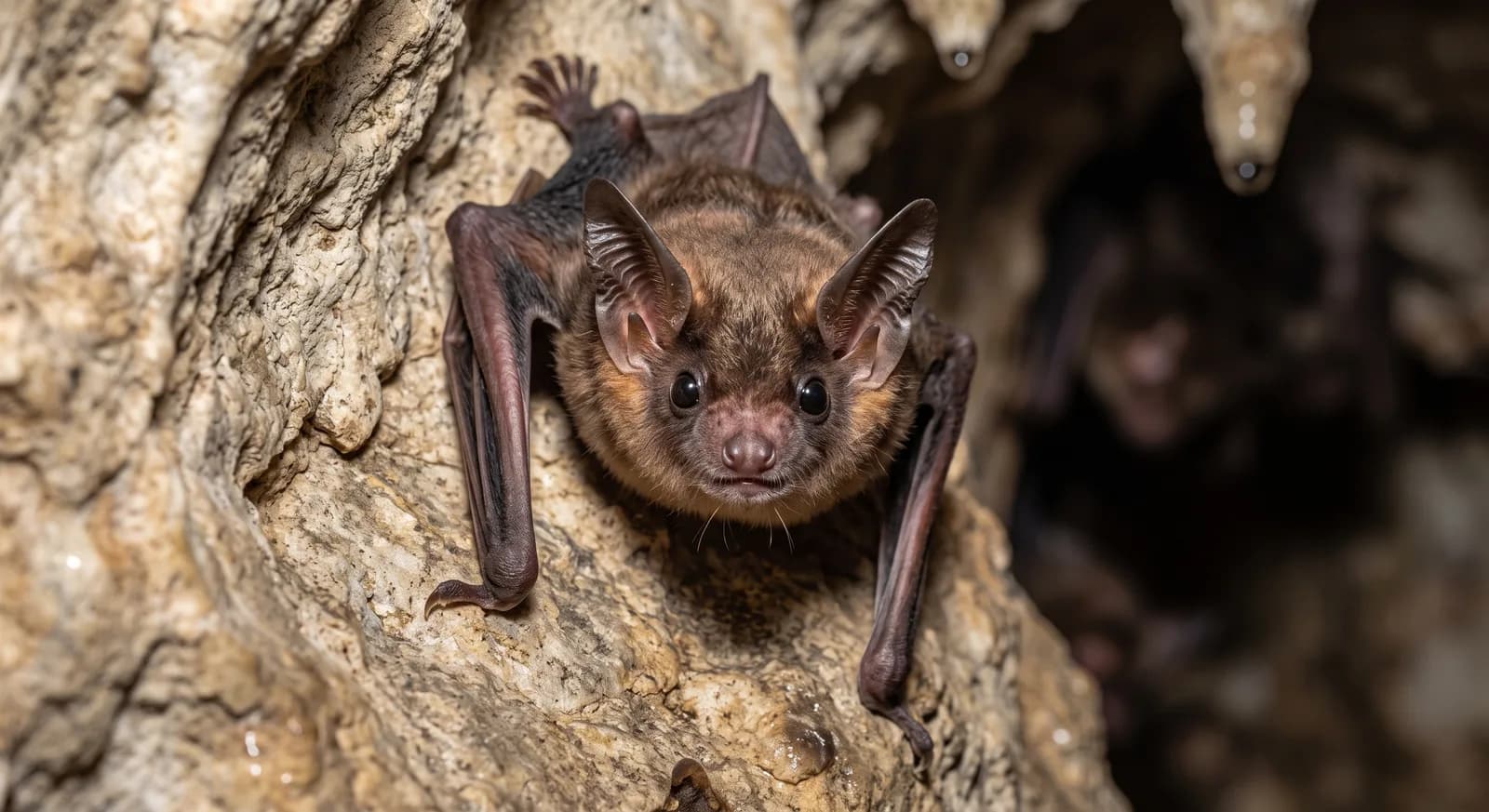
Now is a good time: Urban bat colony under Congress Avenue Bridge (March to November (peak in summer))
Similar parks
Which other parks are like this one?
Same country: United States
Same country: United States
Same country: United States
Same country: United States
Keep exploring
Based on what we already know about this park.
Comments
Share your experience visiting Grand Canyon, or a tip for other travellers.
Be the first to comment.
 United States