Skip to content
WAnimals
  • Map
  • Species
  • Parks
  • Diving
Log inCreate account
WAnimals

The guide for travellers and animal lovers: discover, plan and share your wild adventures around the world.

Discover wildlife

  • Species
  • Ecosystems
  • Glossary
  • Tags

Explore places

  • Map
  • Countries
  • Parks
  • Diving

Plan experiences

  • Guides

Learn

  • Blog

Resources

  • About us
  • How we build our profiles
  • Help centre
  • Contact
  • Install the app

Follow us

Account

  • Log in
  • Create account

© 2026 WAnimals. All rights reserved.

Terms of servicePrivacyCookiesLegal notice
MapSpeciesParksDiving
  1. Home
  2. Species
  3. Gila Woodpecker

One of the 5 woodpeckers on WAnimals
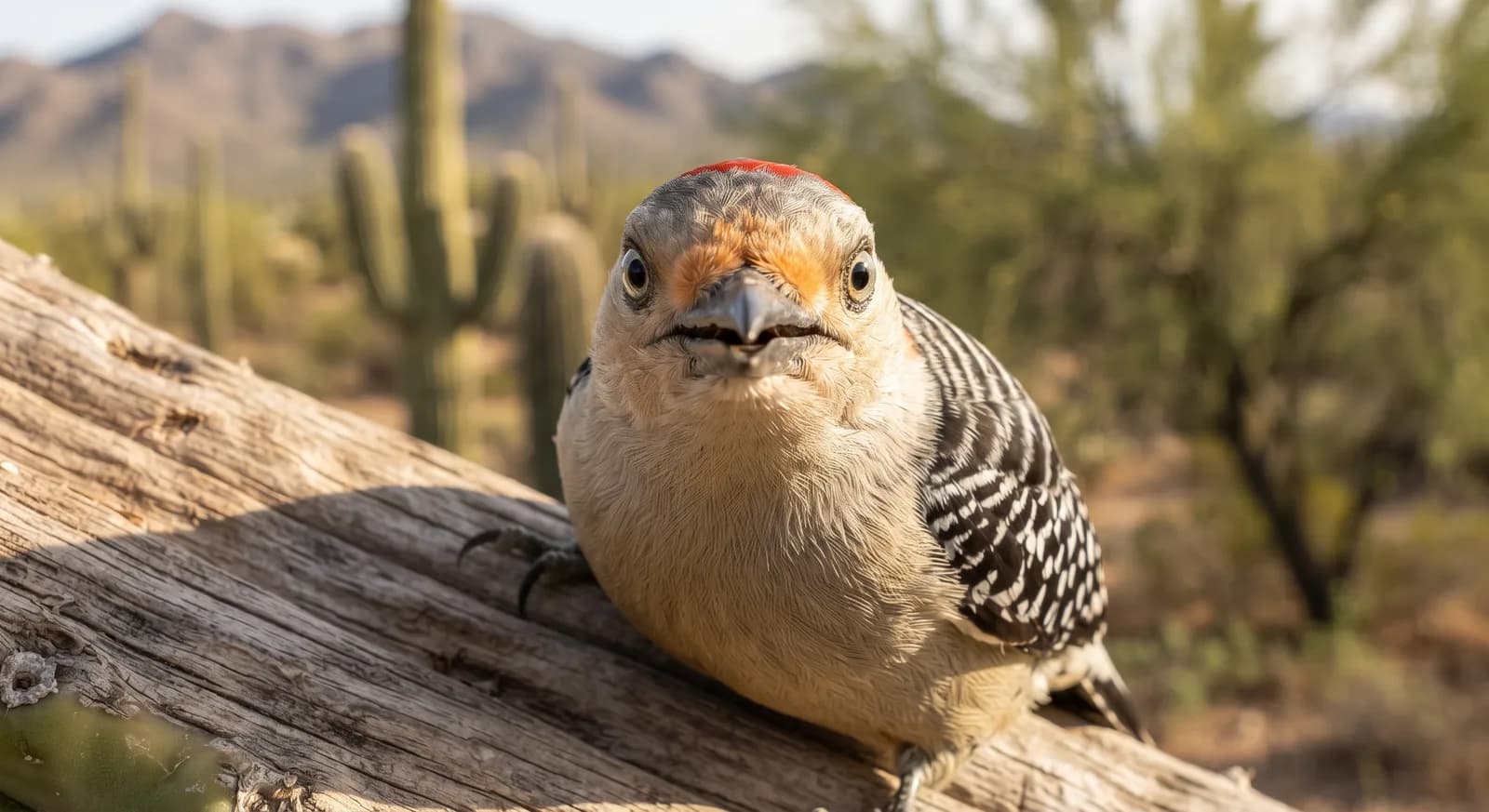
Gila Woodpecker (Melanerpes uropygialis)

Birds · Piciformes · Picidae

Gila Woodpecker

Melanerpes uropygialis

Least Concern

The species is abundant and widely distributed; it faces no significant short-term risk.

Spotted something wrong?

A medium-sized woodpecker with the back and wings barred in black and white, in a pattern reminiscent of a zebra. The neck, throat, belly and head are greyish brown or pale beige, and the nape entirely brown. Only the adult male wears a small red cap on the crown. In flight the white wing patches and the barred rump stand out.

Weight

65 g on average

Size

20 cm – 25 cm

Diet

Omnivore

Combines animal and plant food depending on availability.
Activity

Diurnal

Active mainly during the day.

Social structure

Solitary

Lives and hunts alone, joining others only to breed.

Estimated population

About 1.5 million breeding birds

Desert
3countries13parks14same family

AI-generated images: illustrations, not photographs.

Fun facts

  • It excavates its nests in the saguaro, the giant cactus of the Sonoran Desert; the abandoned cavities are later reused by elf owls, bats and other birds.
  • Unlike the acorn woodpecker, with which it shares a genus, it is a solitary bird and does not form cooperative groups.
  • It is diurnal: it spends much of the day foraging and retires at nightfall.
  • It excavates its nests inside living saguaros; the cavity, which the cactus lines with a hard crust known as a "boot", is later reused by elf owls, kestrels and many other birds.

Life cycle and biology

Skeleton type
Vertebrate - internal bony skeleton (bird)
Habitat and environment
Deserts of Aridoamerica with large cacti or large trees, in southern Arizona and western Mexico. It nests in cavities, and visits feeders and suburban areas
Size at birth
Altricial chicks, blind and helpless, which stay about four weeks in the cavity before flying
Gestation / incubation
14 days
Litter / clutch size
4

Sources consulted: IUCN Red List · eBird (Cornell Lab) · Animalia.bio · CONABIO/EncicloVida · Baird 1854

Where to find it

Best time: All year round in the deserts of the North American south-west

Loading map…

The pins mark the parks where its presence is documented.

Where to see it

Parks and dive sites where this species has been documented — showing 10 of 13.

Related species

Other species in the catalogue with the most in common with Gila Woodpecker — same habitat, park, country, tags or family.

Same taxonomic family
Shares a park
Shares a park
Shares a park
Shares a park

Keep exploring

Based on what we already know about gila woodpecker.

Share an experience, a fun fact or a tip for seeing the gila woodpecker.
See full glossary
This page in other languages: Español · Deutsch · Français · Português · Italiano
See its range on the interactive map→
Grand CanyonUnited States
Death ValleyUnited States
Big BendUnited States
El VizcainoMexico
El Pinacate and Gran Desierto de AltarMexico
Joshua TreeUnited States
SaguaroUnited States
Petrified ForestUnited States
Loreto BayMexico
Constitución de 1857Mexico
See all 13 parks
Least Concern

Acorn Woodpecker

Melanerpes formicivorus

Northern FlickerLeast Concern

Northern Flicker

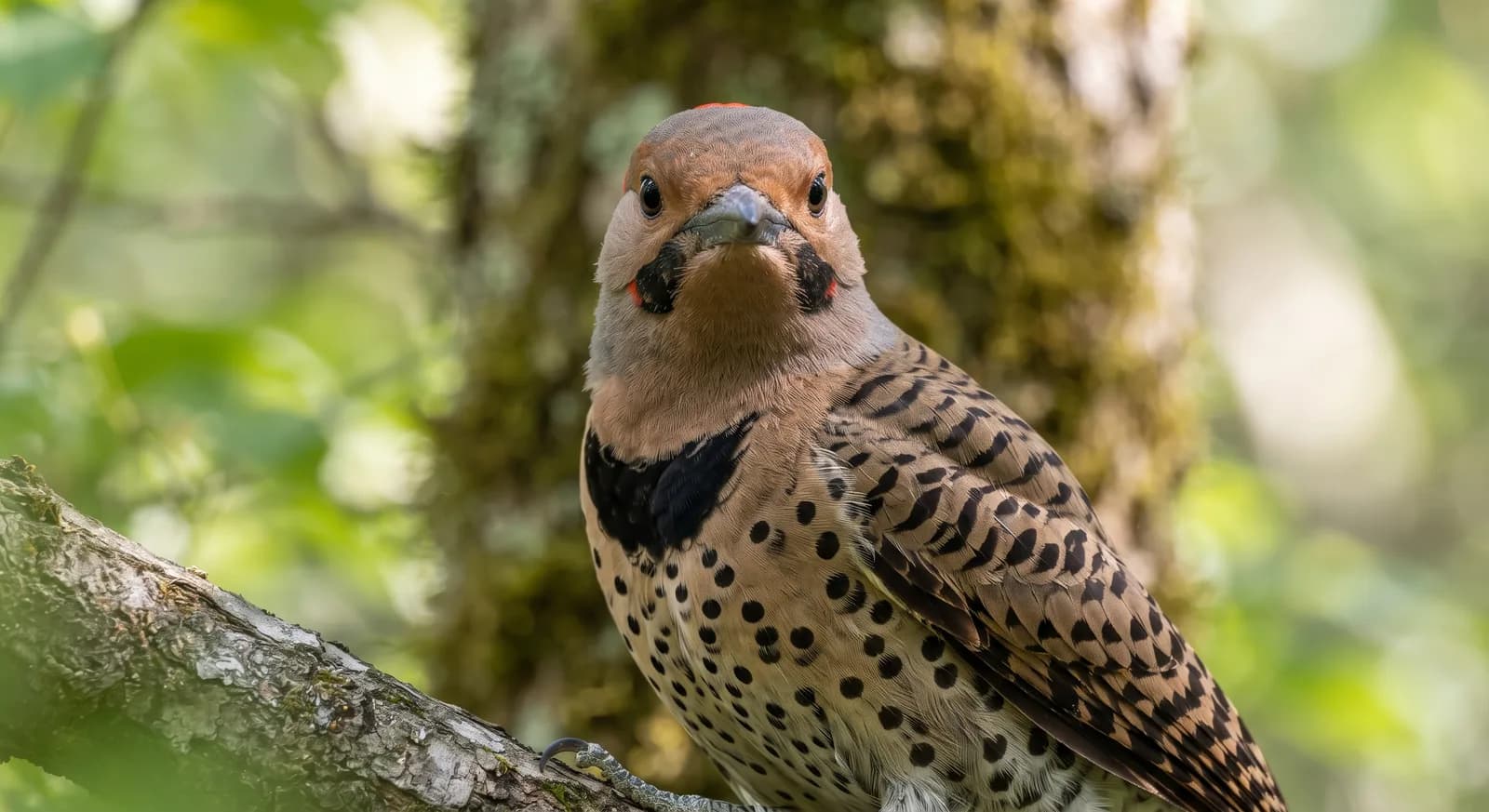
Colaptes auratus

Greater RoadrunnerLeast Concern

Greater Roadrunner

Geococcyx californianus

Least Concern

Anna's Hummingbird

Calypte anna

Least Concern

Lucifer Hummingbird

Calothorax lucifer

Least Concern

Mourning Dove

Zenaida macroura

CountriesMexico
ParksGrand CanyonUnited States
TagsOmnivore
Omnivore
Diurnal
Solitary
Bird
Desert
Mexico
United States
Canada