Biosphere ReserveUNESCO World HeritageBiosphere Reserve
El Pinacate and Gran Desierto de Altar
Sonoran DesertDesignated in 19937,150 km²
A volcanic landscape NASA used to train the Apollo astronauts before they went to the Moon
Area
7,150 km²
Designated in
1993
Region
Sonoran Desert
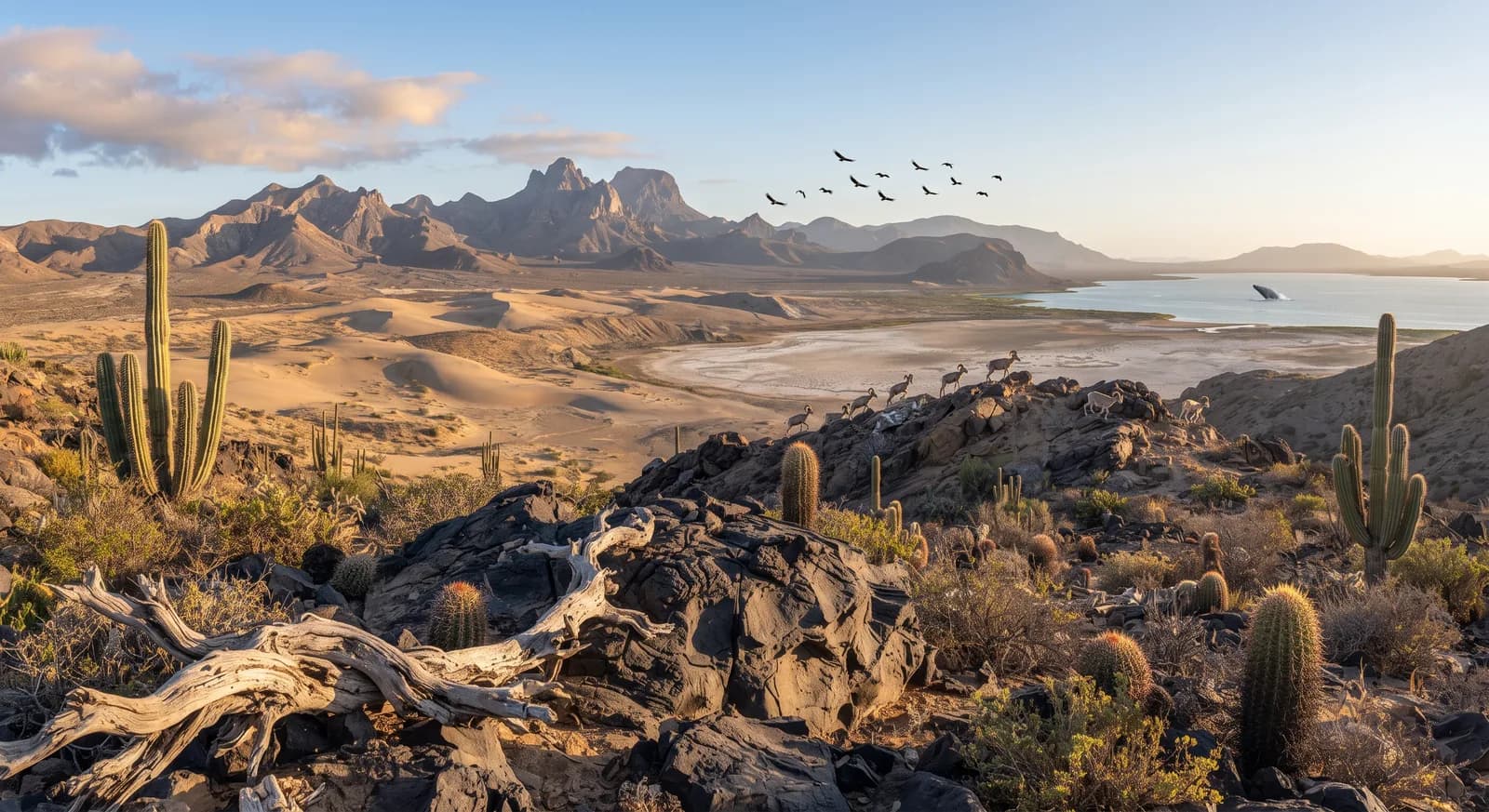
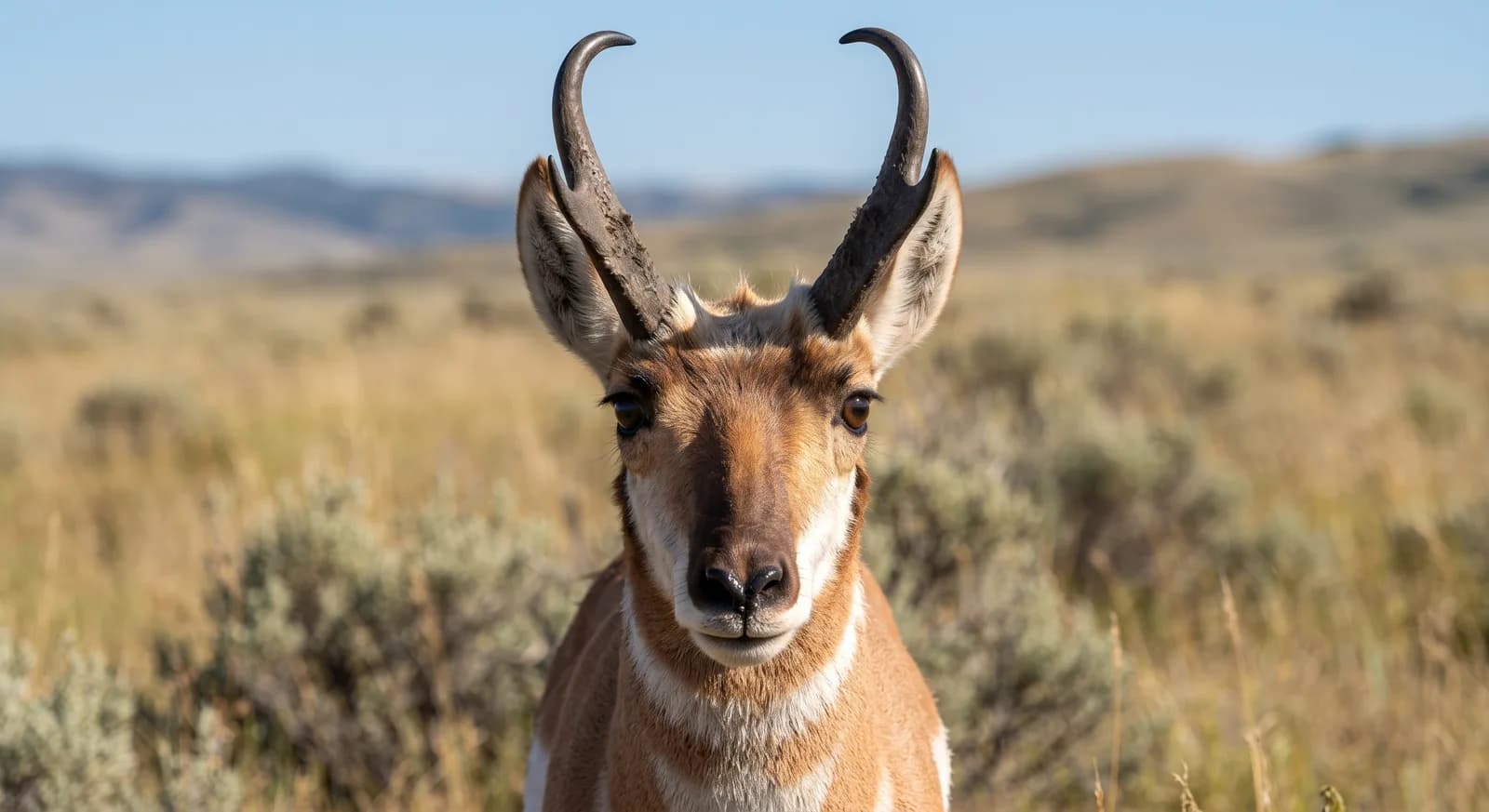
Declared a reserve in 1993 and a UNESCO World Heritage Site in 2013, it combines a volcanic field of more than 400 cinder cones and enormous explosion craters (maars) with the highest active dunes in North America, in the neighbouring Gran Desierto de Altar. Its landscape proved so like the lunar surface that NASA used it in 1965 and 1966 to give the Apollo astronauts geological training before their missions to the Moon. It is also one of the last refuges of the Sonoran pronghorn, the most threatened subspecies of pronghorn on the continent, with barely a few hundred animals left.
Location
Loading map…
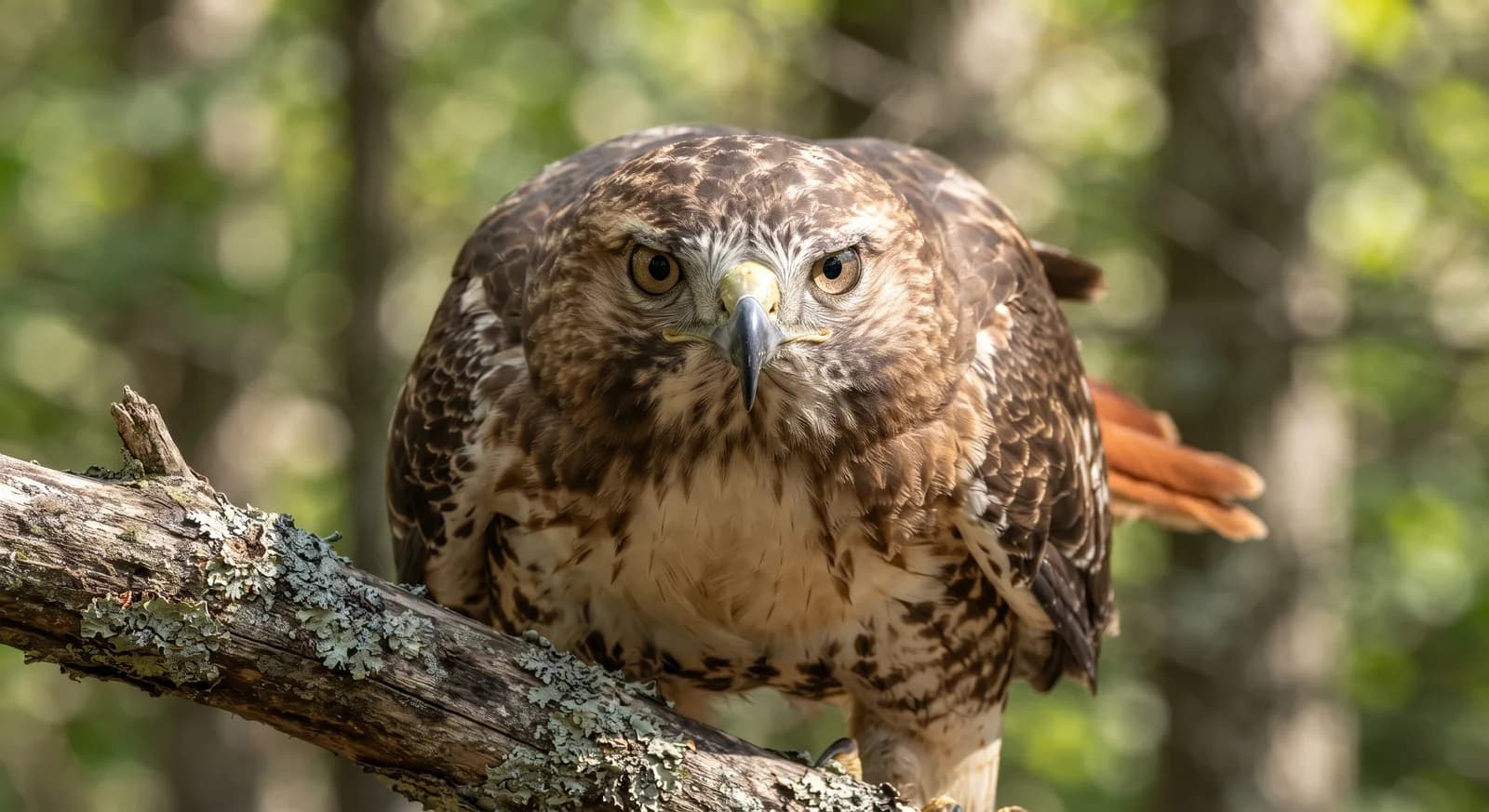
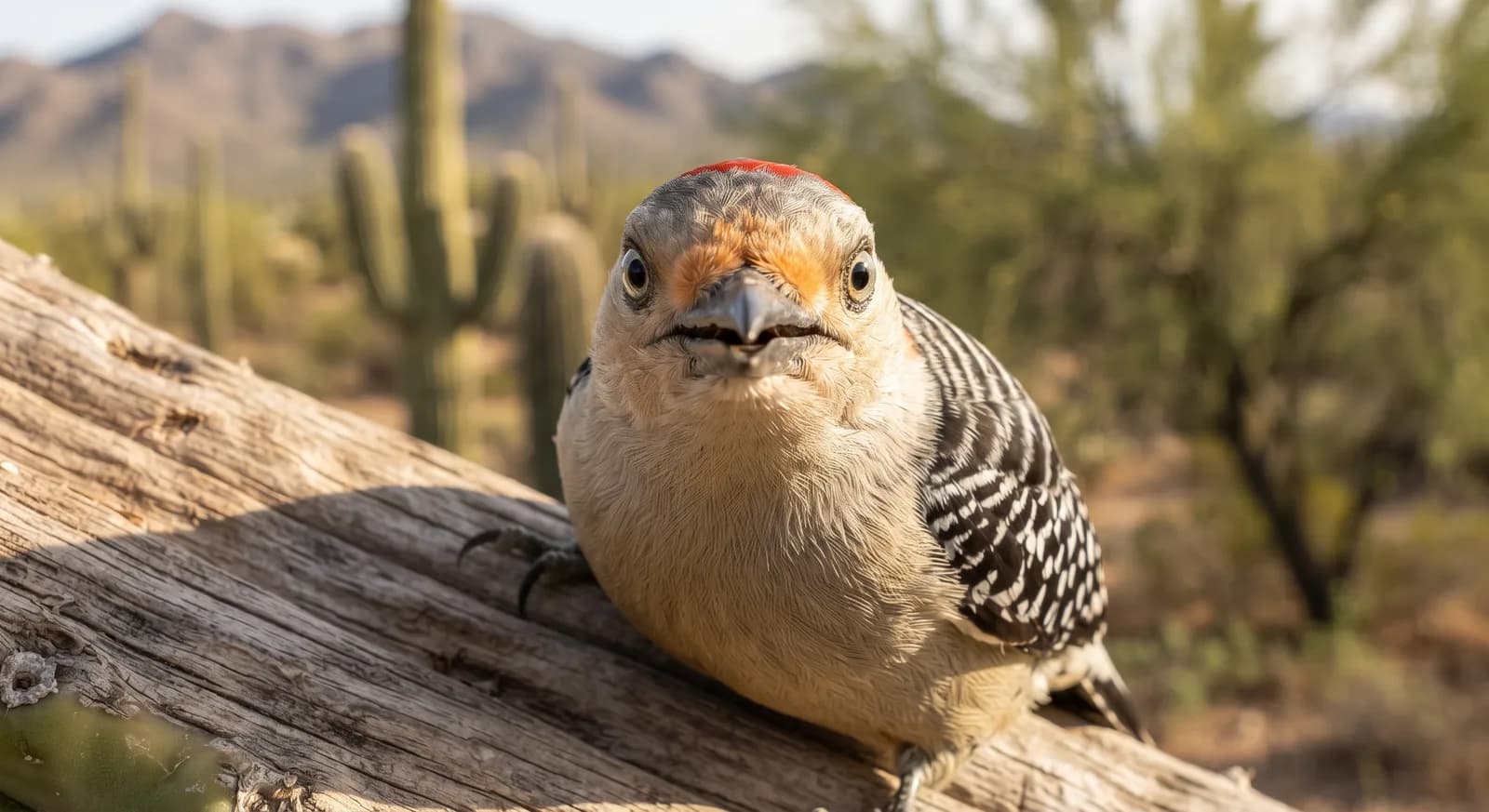
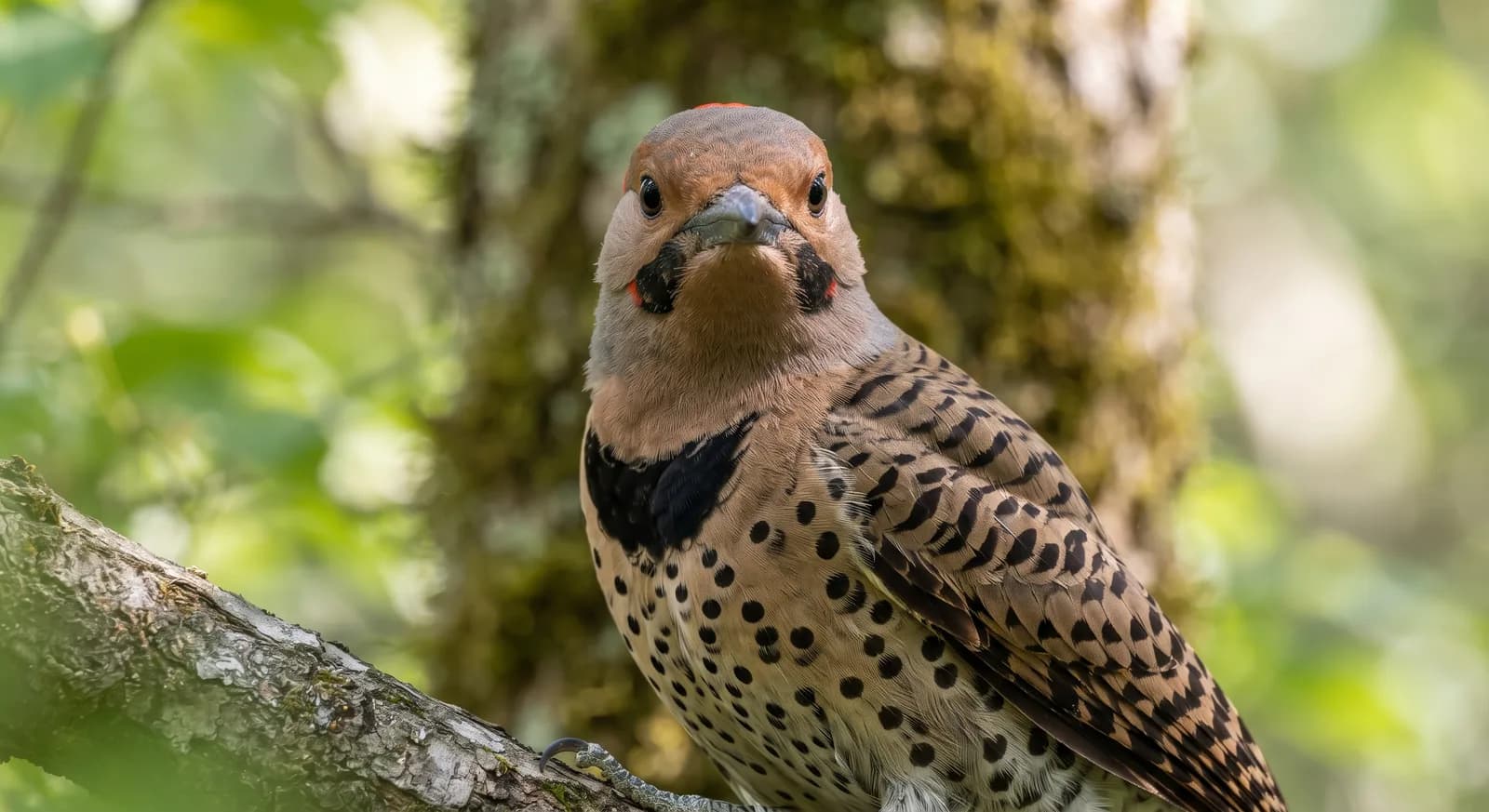
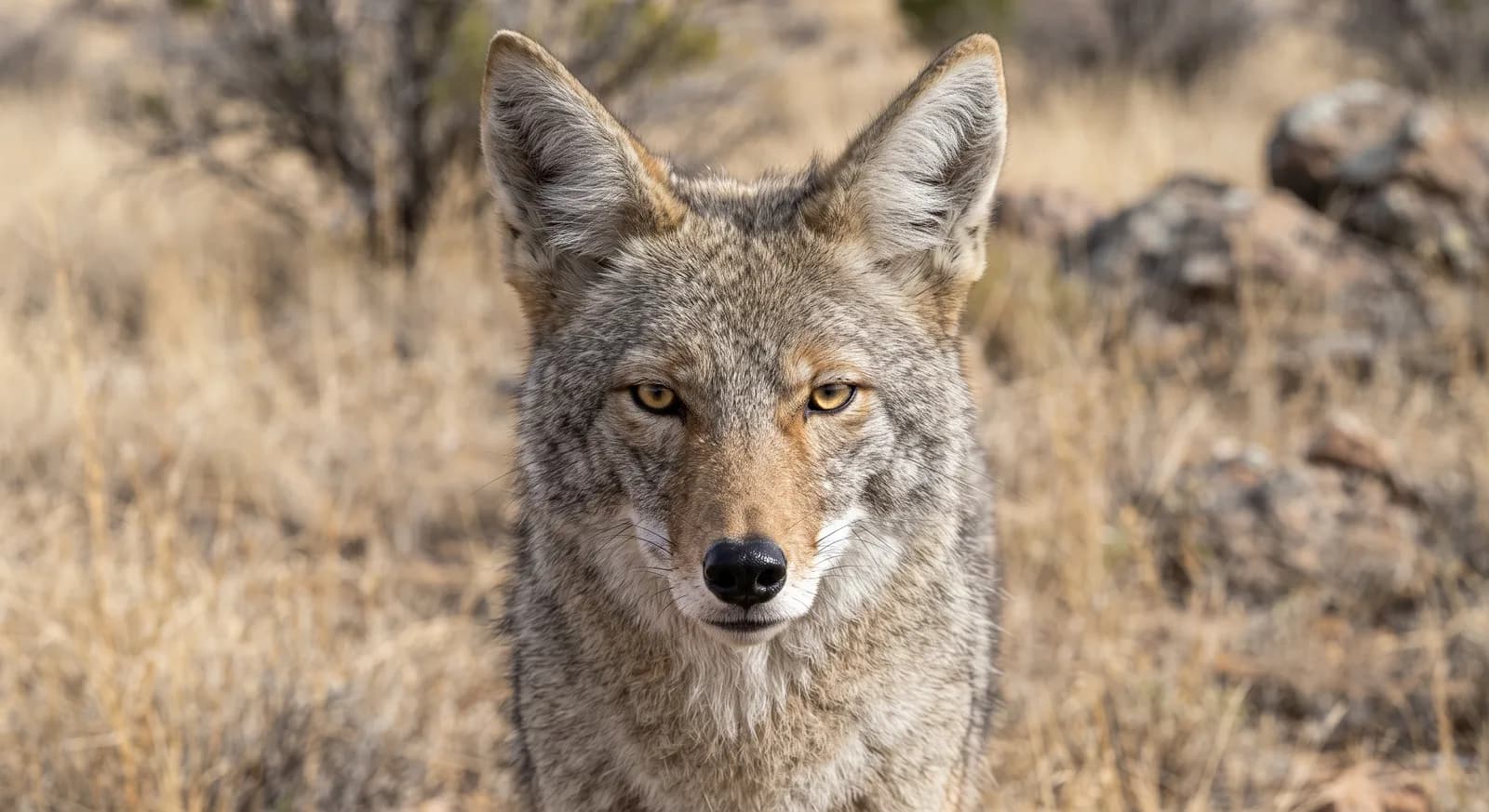
El Pinacate and Gran Desierto de Altar: 47 documented species
Mammals10Birds16Reptiles9Amphibians
Flora and ecosystems
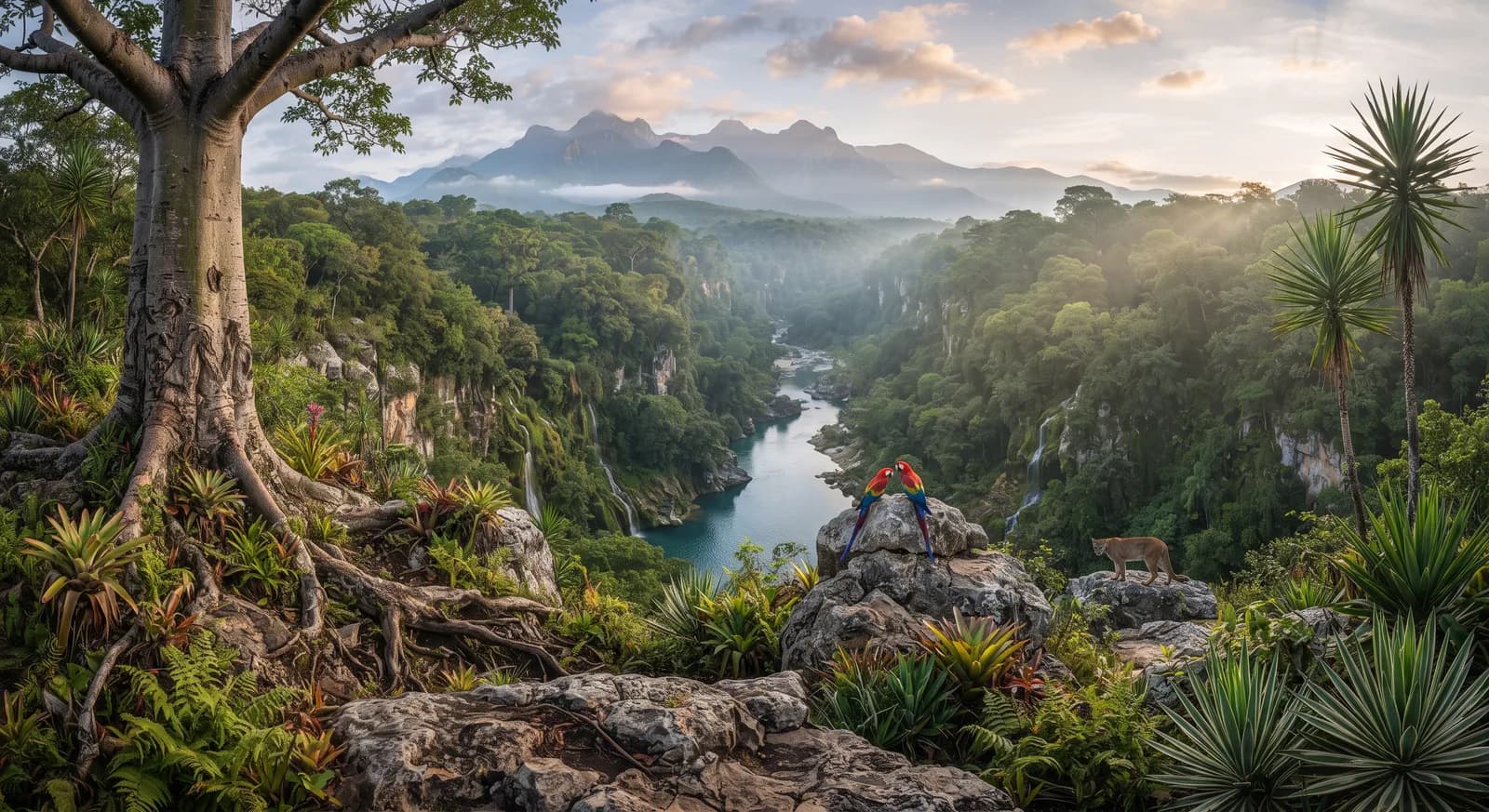
Ecosystems found in Mexico, where El Pinacate and Gran Desierto de Altar lies.
Tropical rainforestDesertMarine / coastal
Experiences in this park
Birdwatching
Wildlife you can see now
What is worth looking out for this month in Mexico?
Now is a good time: Veracruz River of Raptors (20 August to 20 November (peak in the first two weeks of October))
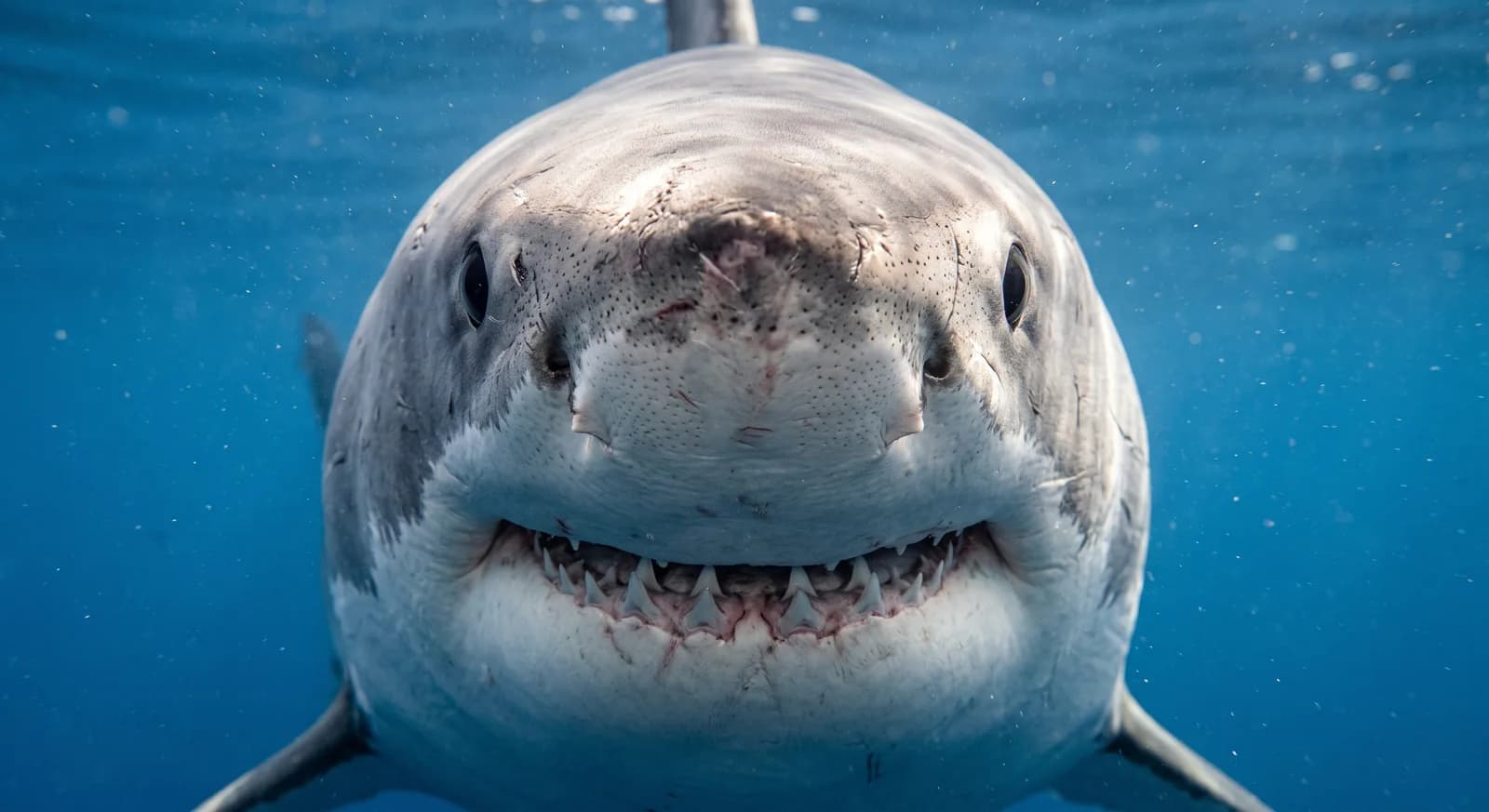
Now is a good time: Great white shark aggregation at Guadalupe Island (July to November (some years into January))
Similar parks
Which other parks are like this one?
Same country: Mexico
Same country: Mexico
Same country: Mexico
Same country: Mexico
Keep exploring
Based on what we already know about this park.
 Mexico