Skip to content
WAnimals
  • Map
  • Species
  • Parks
  • Diving
Log inCreate account
WAnimals

The guide for travellers and animal lovers: discover, plan and share your wild adventures around the world.

Discover wildlife

  • Species
  • Ecosystems
  • Glossary
  • Tags

Explore places

  • Map
  • Countries
  • Parks
  • Diving

Plan experiences

  • Guides

Learn

  • Blog

Resources

  • Help centre
  • Contact
  • Install the app

Follow us

Account

  • Log in
  • Create account

© 2026 WAnimals. All rights reserved.

About usHow we build our profilesTerms of servicePrivacyLegal notice
MapSpeciesParksDiving
  1. Home
  2. Species
  3. Striped Skunk

One of the 2 skunks on WAnimals

Mammals · Carnivora · Mephitidae

Striped Skunk

Mephitis mephitis

Not Evaluated

It has not yet been assessed against the IUCN criteria.

Spotted something wrong?

Its iconic defence — an extremely foul-smelling spray from glands near the base of the tail — can carry as far as 14 metres.

Weight

700 g – 6.3 kg

Size

46.5 cm – 81.5 cm

Life expectancy

4 years

Diet

Omnivore

Combines animal and plant food depending on availability.

Activity

Nocturnal

Active mainly at night.

Social structure

Solitary

Lives and hunts alone, joining others only to breed.

Sighting difficulty

Unknown

Temperate forestGrassland
3countries79parks3same family

Fun facts

  • People can smell it from as far as 1.6 km downwind, and it is used only as a last resort, after an elaborate warning display.
  • It eats insects, small vertebrates, fruit and carrion.
  • It lives in woodland, grassland and towns across much of North America.

Life cycle and biology

Skeleton type
Vertebrate - internal bony skeleton (mammal)
Habitat and environment
Woodland, grassland and towns across much of North America
Birth weight
32-35 g at birth, its markings already visible before birth
Size at birth
32-35 g at birth
Sexual maturity
10 months
Gestation / incubation
59-77 days, with up to 19 days of delayed implantation
Litter / clutch size
2 to 10 young per litter (average 6-7)
Life expectancy in captivity
Documented record of up to 10 years

Sources consulted: Animal Diversity Web; Vermont Fish & Wildlife Department; BioKIDS; Smithsonian National Zoo; Squam Lakes Natural Science Center; Animalia.bio

Where to find it

Loading map…

Where to see it

Parks and dive sites where this species has been documented — showing 10 of 79.

Related species

Other species in the catalogue with the most in common with Striped Skunk — same habitat, park, country, tags or family.

Same taxonomic family
Shares a park
Shares a park
Shares a park
Shares a park
Shares a park

Keep exploring

Based on what we already know about striped skunk.

Comments

Share an experience, a fun fact or a tip for seeing the striped skunk.

Be the first to comment.

See full glossary
This page in other languages: Español · Deutsch · Français · Português · Italiano

The pins mark the parks where its presence is documented.
See its range on the interactive map→
Yellowstone National ParkUnited States
YosemiteUnited States
Grand CanyonUnited States
EvergladesUnited States
Great Smoky MountainsUnited States
RedwoodUnited States
Death ValleyUnited States
ZionUnited States
AcadiaUnited States
Big BendUnited States
See all 79 parks
Least Concern

Eastern Spotted Skunk

Spilogale putorius

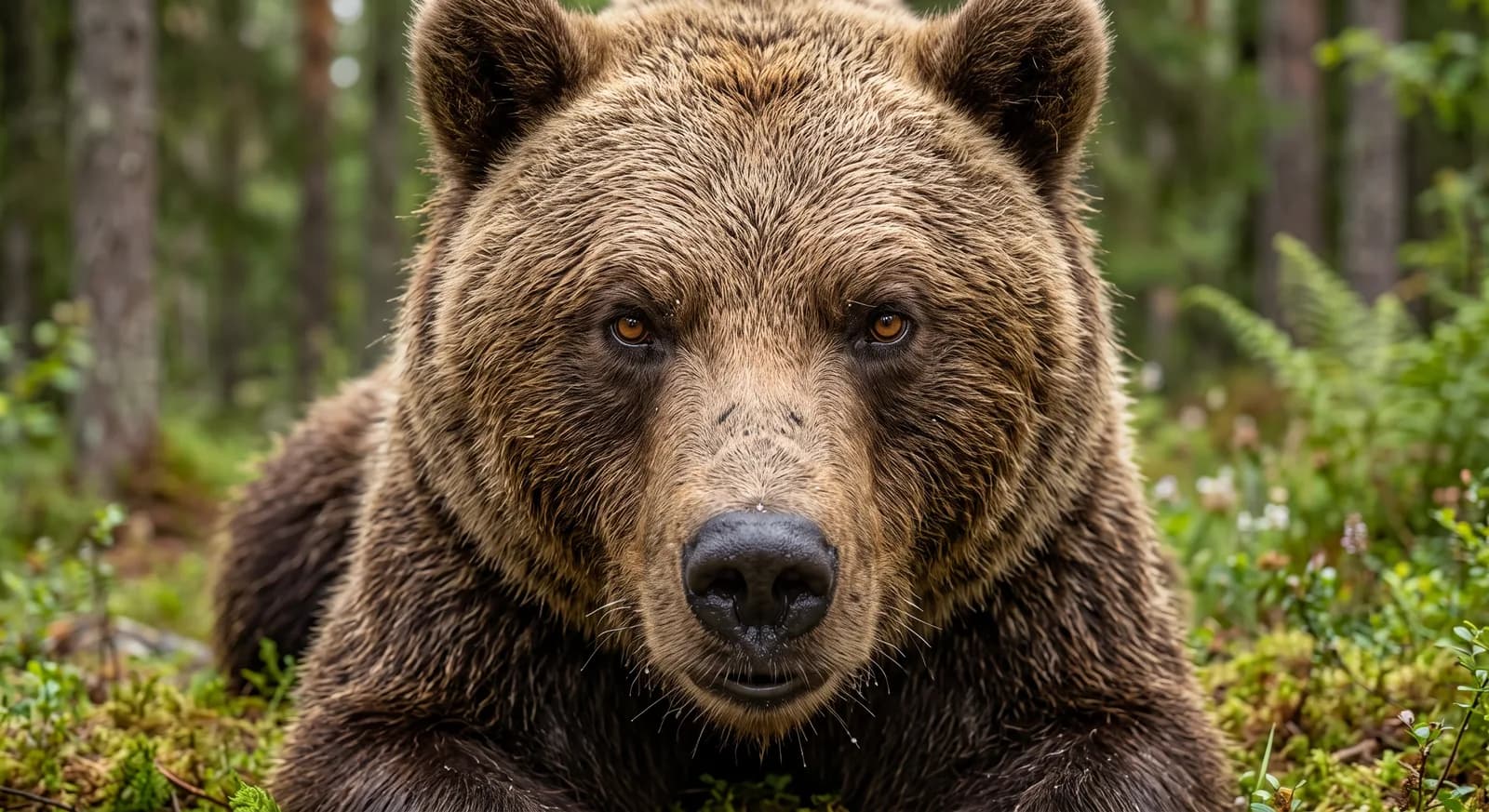
Brown BearLeast Concern

Brown Bear

Ursus arctos

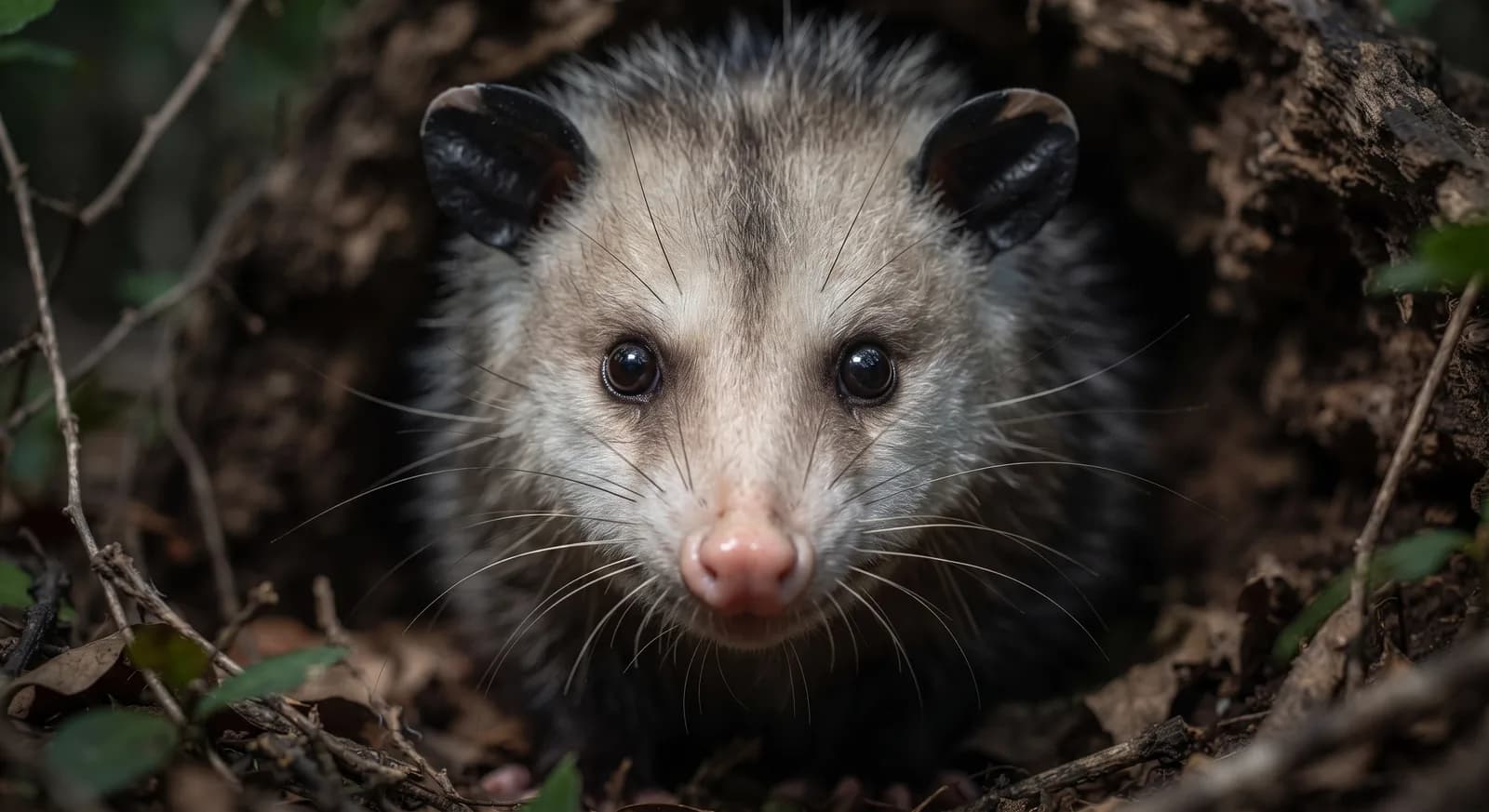
Virginia OpossumLeast Concern

Virginia Opossum

Didelphis virginiana

Least Concern

Mexican Mouse Opossum

Marmosa mexicana

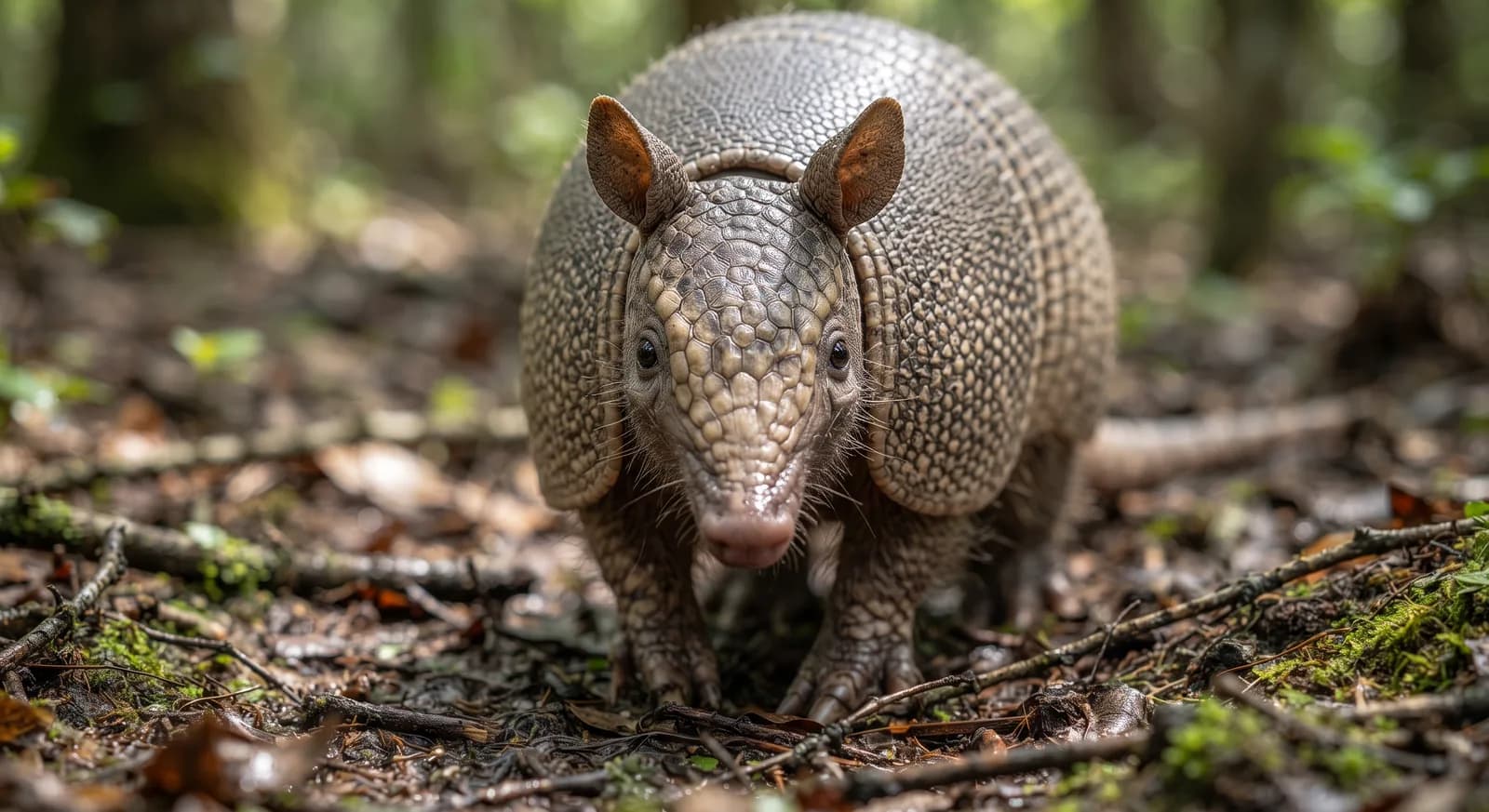
Nine-banded ArmadilloLeast Concern

Nine-banded Armadillo

Dasypus novemcinctus

Least Concern

Eastern Mole

Scalopus aquaticus

CountriesUnited States
ParksYellowstone National ParkUnited States
TagsOmnivore
Omnivore
Nocturnal
Solitary
Temperate forest
Grassland
Mammal
United States
Canada
Mexico