Skip to content
WAnimals
  • Map
  • Species
  • Parks
  • Diving
Log inCreate account
WAnimals

The guide for travellers and animal lovers: discover, plan and share your wild adventures around the world.

Discover wildlife

  • Species
  • Ecosystems
  • Glossary
  • Tags

Explore places

  • Map
  • Countries
  • Parks
  • Diving

Plan experiences

  • Guides

Learn

  • Blog

Resources

  • Help centre
  • Contact
  • Install the app

Follow us

Account

  • Log in
  • Create account

© 2026 WAnimals. All rights reserved.

About usHow we build our profilesTerms of servicePrivacyLegal notice
MapSpeciesParksDiving
  1. Home
  2. countries
  3. Canada

Canada

North America

Capital: OttawaJune to September

435

Documented species

49

Parks and reserves

7

Dive sites

Canada holds the largest expanse of intact boreal forest on the planet, an unbroken belt of conifers, peatlands and lakes that crosses the country from coast to coast and stores gigantic amounts of carbon. To the north, the Arctic tundra and the polar archipelago hold polar bears, muskoxen, Arctic foxes and the caribou herds behind one of the last great land migrations in the northern hemisphere. To the west, the Rockies and the temperate rainforest of the Pacific coast, with Douglas firs and thousand-year-old cedars, support brown bears that feed on salmon and carry their nutrients deep into the forest. In the east, the Bay of Fundy records the highest tides in the world and feeds a tidal mudflat ecosystem that sustains millions of migrating shorebirds.

Nature in Canada

National animal: The North American beaver, an official national animal since 1975, alongside the Canadian horse

Did you know?

Every autumn, the polar bears of Hudson Bay gather near the town of Churchill waiting for the sea to freeze again so they can hunt seals. Their presence is so routine that the town keeps a compound known as the bear jail, where problem animals are held temporarily before being flown out by helicopter well away from the houses, and where they are deliberately not fed so they never learn to associate people with food.

Biodiversity profile

Conservation

Wood Buffalo, the country's largest park, protects the last natural breeding ground of the whooping crane, which was down to fifteen or so birds in the 1940s and has been recovering ever since. Woodland caribou populations are declining as the taiga becomes fragmented.

Where and when to watch wildlife

Churchill between October and November for polar bears. The British Columbia coast between August and October for brown bears fishing salmon. The Bay of Fundy in August for migrating shorebirds.

Natural phenomena in Canada

  • Polar bear gathering at Churchill — October to November
  • Summer beluga gathering in the Churchill River estuary — June to August
  • Calving and migration of the Porcupine caribou herd — May to July (calving in the first week of June; post-calving aggregations in July)
  • Narwhal migration to Baffin Bay — May to August
  • The capelin roll in Newfoundland — Mid-June to July

Parks and reserves

National Park

Waterton Lakes

With Glacier in the United States it forms the world's first International Peace Park, declared in 1932

See park
World Heritage Site (Natural)

Joggins Fossil Cliffs

The "Galápagos of the Carboniferous": Bay of Fundy cliffs holding a 310-million-year-old fossil forest still standing upright.

See park
World Heritage Site (Natural)

Anticosti

The island with the most complete fossil record of the first mass extinction of animal life, 447-437 million years ago.

See park
National Park

Banff

Canada's first national park and the third in the world, after Yellowstone and Mackinac

See park
National Park

Gros Morne

It exposes the Earth's mantle at the surface in the Tablelands, key evidence for plate tectonics

See park
National Park

Jasper

The largest national park in the Canadian Rockies; the Icefields Parkway looks out over the Columbia Icefield

See park
National Park and Reserve

Kluane

It holds Mount Logan, the highest mountain in Canada, and the largest non-polar icefield on the planet

See park
National Park

Kootenay

From glacier to desert: a Canadian Rockies park running from frozen summits to the warm canyons of the Columbia valley.

See park
World Heritage Site (Natural)

Miguasha

The world's finest site of the "Age of Fishes", documenting the step from fish to the first land vertebrates.

See park
World Heritage Site (Natural)

Mistaken Point

The oldest fossils in the world of large, complex organisms, on an Ediacaran cliff in Newfoundland.

See park
National Park

Nahanni

One of the first four natural UNESCO World Heritage Sites on the planet, declared in 1978

See park
World Heritage Site (Natural)

Dinosaur Provincial Park

Red Deer River badlands that have yielded more than fifty species of Late Cretaceous dinosaurs.

See park
World Heritage Site (Mixed)

Pimachiowin Aki

"The land that gives life": 29,000 km² of boreal forest under Anishinaabe custodianship, Canada's first mixed property.

See park
National Park

Wood Buffalo

Canada's largest national park; the largest free-roaming herd of wood bison in the world

See park
National Park

Yoho

It holds the Burgess Shale fossil beds, one of the most important palaeontological finds in the world

See park
National Park

Riding Mountain

One of the last semi-managed free-ranging plains bison herds in central Canada

See park
National Park

Fundy

The Bay of Fundy has the highest tides in the world, with a range of up to 16 metres

See park
National Park

Point Pelee

One of Canada's smallest national parks; the country's southernmost mainland point and a key bird migration route

See park
National Park Reserve

Mingan Archipelago

Canada's greatest concentration of erosion monoliths, on a string of limestone islands in the Gulf of St Lawrence.

See park
National Park

Aulavik

Arctic lowlands in the north of Banks Island, the place on Earth with the highest density of muskoxen.

See park
National Park

Auyuittuq

Its Inuit name means "the land that never melts"; the Penny Ice Cap

See park
National Park

Cape Breton Highlands

Crossed by the Cabot Trail, reckoned one of the most spectacular coastal drives in the world

See park
National Park

Elk Island

Fenced all round since its founding; one of the oldest and most continuously maintained bison sanctuaries in the world

See park
National Park

Forillon

The tip of the Gaspé peninsula, where the Appalachians sink into the sea among cliffs and bird colonies.

See park
National Park

Glacier (British Columbia)

Interior rainforest and glaciers of the Columbia Mountains, born with the transcontinental railway at Rogers Pass.

See park
National Park

Grasslands

One of the last remnants of unploughed native prairie in North America; the setting of the exile of chief Sitting Bull after the Battle of the Little Bighorn

See park
National Park Reserve

Gulf Islands

Canada's only Mediterranean climate, spread across fifteen islands in the Salish Sea with Garry oak woodland.

See park
National Park Reserve

Gwaii Haanas

Co-managed by Parks Canada and the Haida Nation under a pioneering model of shared governance

See park
National Park

Prince Edward Island

A narrow strip of beaches, red sandstone cliffs and parabolic dunes on the island's north shore.

See park
National Park Reserve

Sable Island

Nicknamed "the graveyard of the Atlantic" for its more than 350 documented wrecks; it has held wild horses since the 18th century

See park
National Park

Georgian Bay Islands

It protects the southern edge of the Canadian Shield, one of the oldest exposed rock formations on the planet, more than 3,000 million years old

See park
National Park

Ivvavik

The first national park in Canada created as the direct result of an indigenous land claim agreement (Inuvialuit, 1984)

See park
National Park

Kejimkujik

Acadian forest, lakes and rivers in Nova Scotia with Mi'kmaq petroglyphs: the only national park that is also a national historic site.

See park
National Park

Kouchibouguac

Barrier islands, golden dunes and lagoons in eastern New Brunswick, a refuge for the piping plover.

See park
National Park

La Mauricie

A maze of lakes and forested hills on the southern edge of the Canadian Shield, between Montreal and Quebec City.

See park
National Park

Torngat Mountains

Managed jointly with the local Inuit; its name comes from Torngak, a powerful spirit of Inuit mythology associated with these mountains

See park
National Park

Mount Revelstoke

The only mountain in the Canadian park system whose summit can almost be reached by car, with subalpine meadows in bloom.

See park
National Park Reserve

Nááts'ihch'oh

Headwaters of the South Nahanni River in the Mackenzie Mountains, on the traditional lands of the Shúhtaot'ine.

See park
National Park Reserve

Pacific Rim

It takes in the legendary West Coast Trail, a shipwreck rescue route built in the early 20th century

See park
National Park

Bruce Peninsula

The Grotto, a coastal cave of turquoise water, has become one of the most shared images of Ontario on social media

See park
National Park

Prince Albert

The British naturalist Grey Owl lived here for seven years, passing himself off as indigenous to promote beaver conservation

See park
National Park

Pukaskwa

Ontario's only wilderness national park; its Lake Superior shore is so remote that it can only be reached on multi-day trails or by boat

See park
National Park

Quttinirpaaq

The "top of the world": the second most northerly park on the planet, at the north-eastern tip of Ellesmere Island.

See park
National Park

Sirmilik

Mountains, glaciers and seabird colonies on Bylot Island and the Borden Peninsula, north of Baffin Island.

See park
National Park

Terra Nova

Canada's most easterly national park, with fjord-like inlets on Bonavista Bay.

See park
National Park

Thousand Islands

Canada's smallest national park: a constellation of granite islands in the St Lawrence, on the Frontenac Arch.

See park
National Park

Tuktut Nogait

Rolling tundra cut by canyons north of the Arctic Circle, created by the Inuit of Paulatuk to protect caribou calving.

See park
National Park

Vuntut

"Among the lakes": wetlands and mountains in northern Yukon never covered by ice, in the heart of Gwich'in country.

See park
National Park

Wapusk

Peatlands and tundra on Hudson Bay holding one of the largest polar bear denning areas in the world.

See park

Diving and snorkelling

Extreme tidal current

Bay of Fundy

Home to the highest tides on the planet (a range of up to 16 m), which makes for unique and demanding diving currents.

See dive site
Second World War wreck

Bell Island Wrecks

Second World War wrecks sunk by German submarines in 1942, at one of the few places in North America directly attacked by Germany.

See dive site
Cold-water wall

Browning Pass (Vancouver Island)

Reckoned one of the finest cold-water wall dives in the world for its explosion of colourful invertebrates.

See dive site
Wreck/Cold water

Fathom Five National Marine Park (Tobermory)

The crystalline fresh water of Lake Huron with more than 20 historic wrecks well preserved by the cold.

See dive site
Cold-water fjord

Saguenay Fjord (belugas)

A fjord where fresh and salt water mix, in the Saguenay–St Lawrence Marine Park, with a resident population of beluga whales.

See dive site
Temperate fjord

Great Bear Rainforest

The largest temperate rainforest in the world with remote shores; barely commercialised diving with invertebrates of extraordinary size and colour.

See dive site
Wreck

HMCS Nanaimo Wreck

A former Canadian frigate deliberately sunk in 1996 as an artificial reef near Nanaimo.

See dive site

Wildlife you can see now

What is worth looking out for this month in Canada?
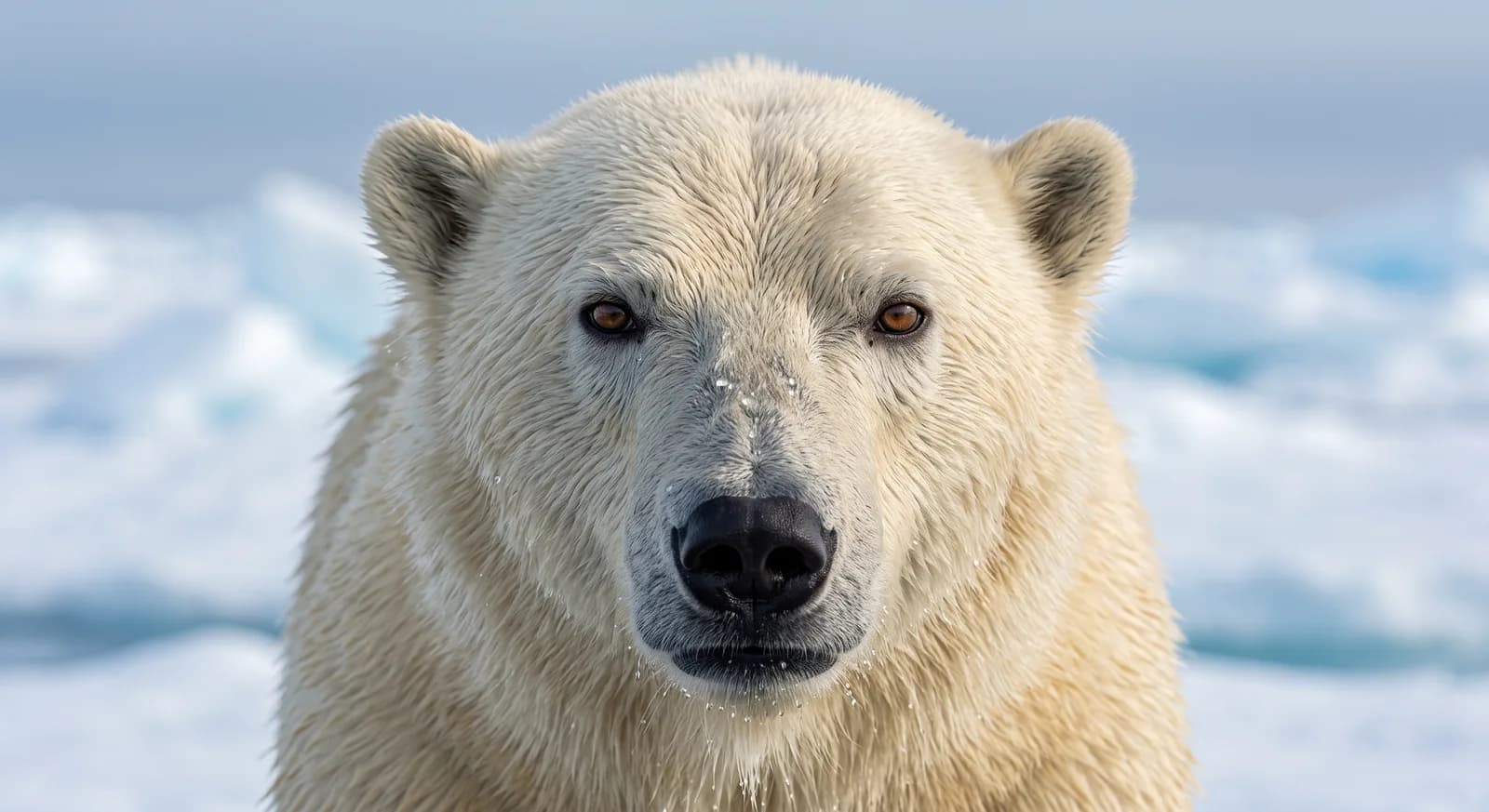
Polar BearVulnerable

Polar Bear

Ursus maritimus

Now is a good time: Polar bear gathering at Churchill (October to November)

Similar countries

Where else might I want to travel?

United States

Same region: North America

Mexico

Same region: North America

Species documented in Canada

Filter
Class
Family
Habitat
Diet
Conservation

435 species found

Related guides

  • Where to see Bears in Canada19 species
  • Where to see Whales in Canada10 species
  • Threatened birds of Canada9 species
  • Fish in Canada7 species
  • Molluscs in Canada5 species

Keep exploring

Based on what we already know about Canada.
ParkWaterton LakesDivingBay of Fundy

Explore on the map

Interactive map

This page in other languages: Español · Deutsch · Français · Português · Italiano
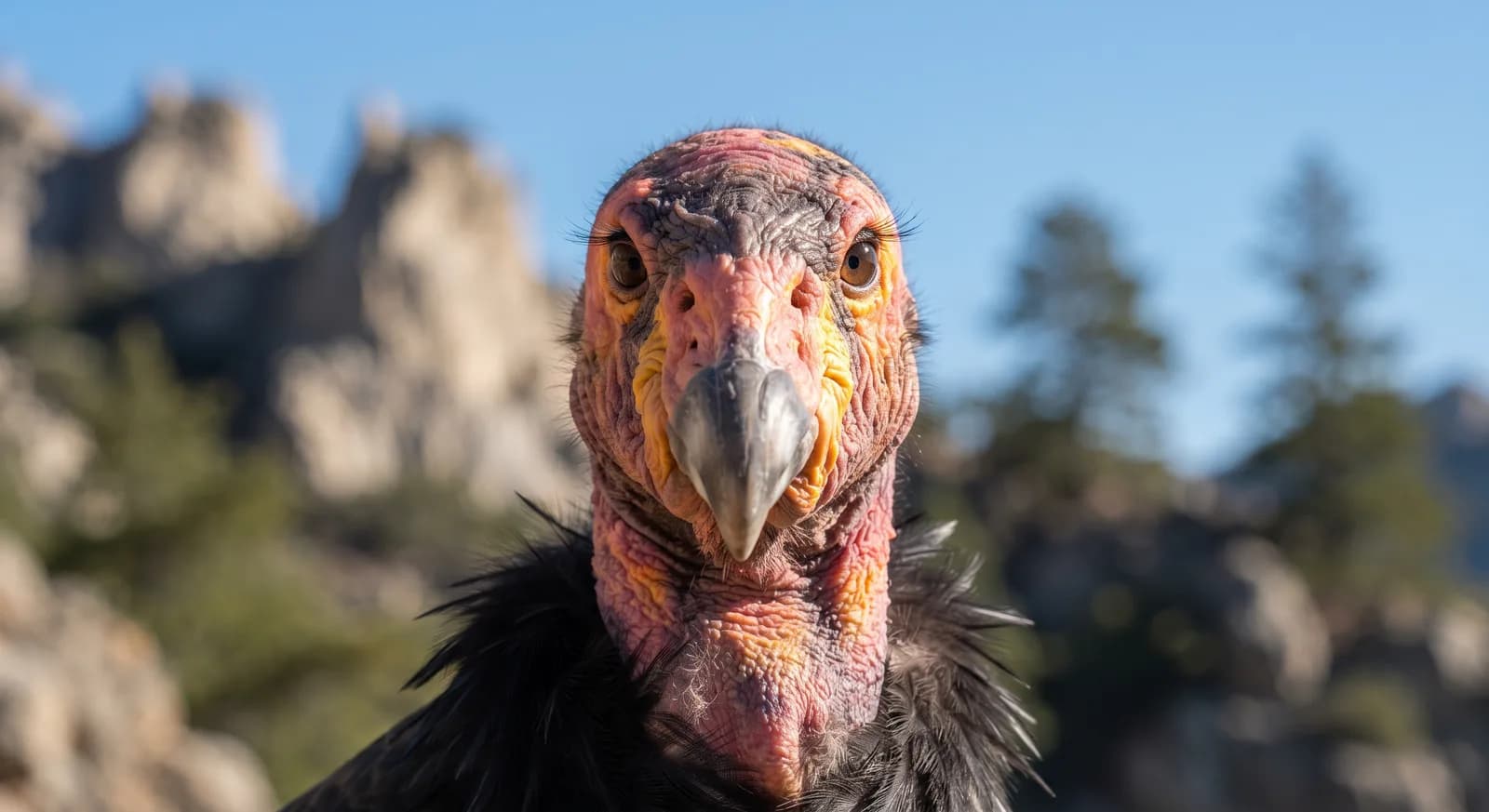
California CondorCritically Endangered

California Condor

Gymnogyps californianus

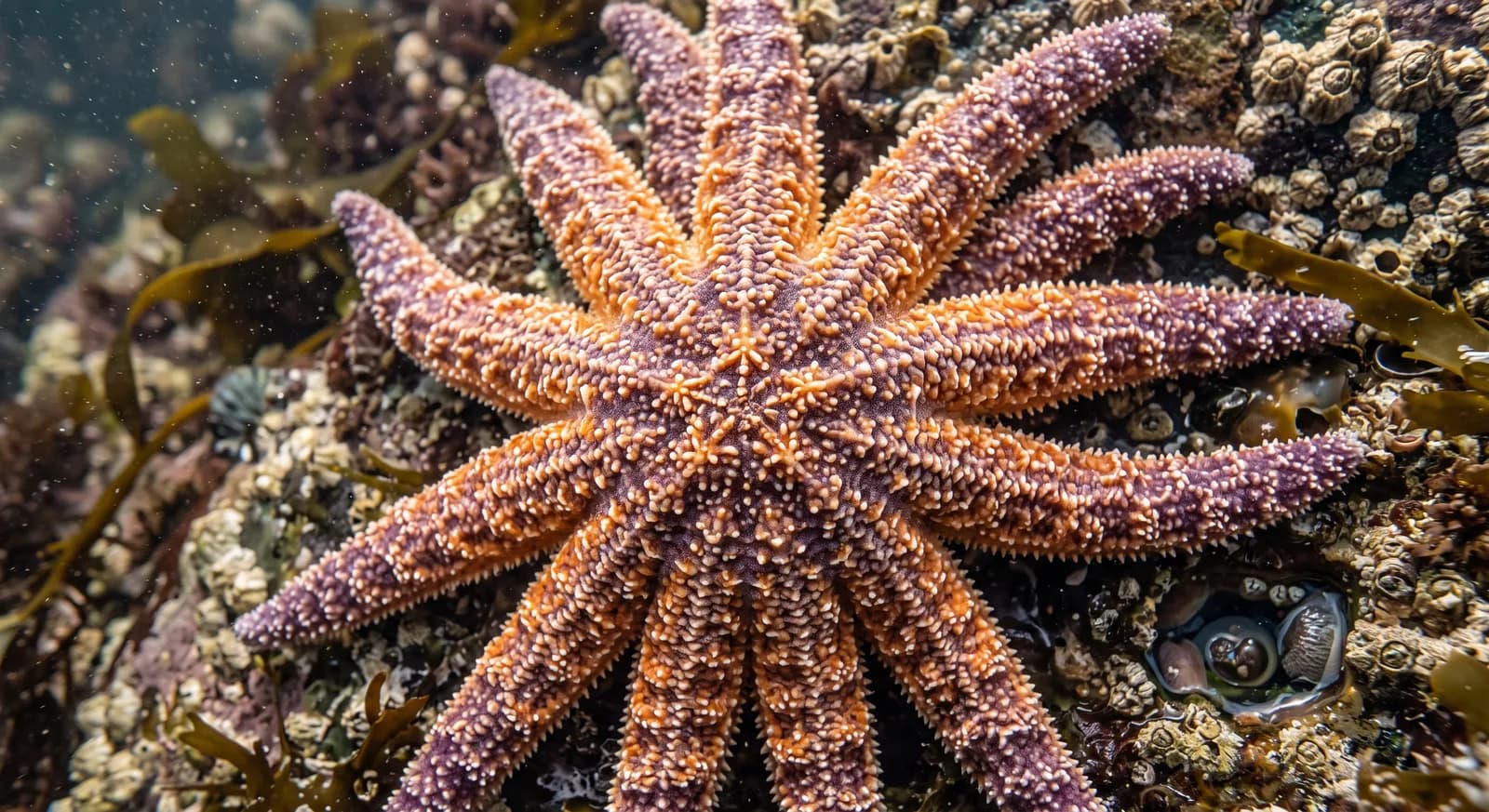
Sunflower Sea StarCritically Endangered

Sunflower Sea Star

Pycnopodia helianthoides

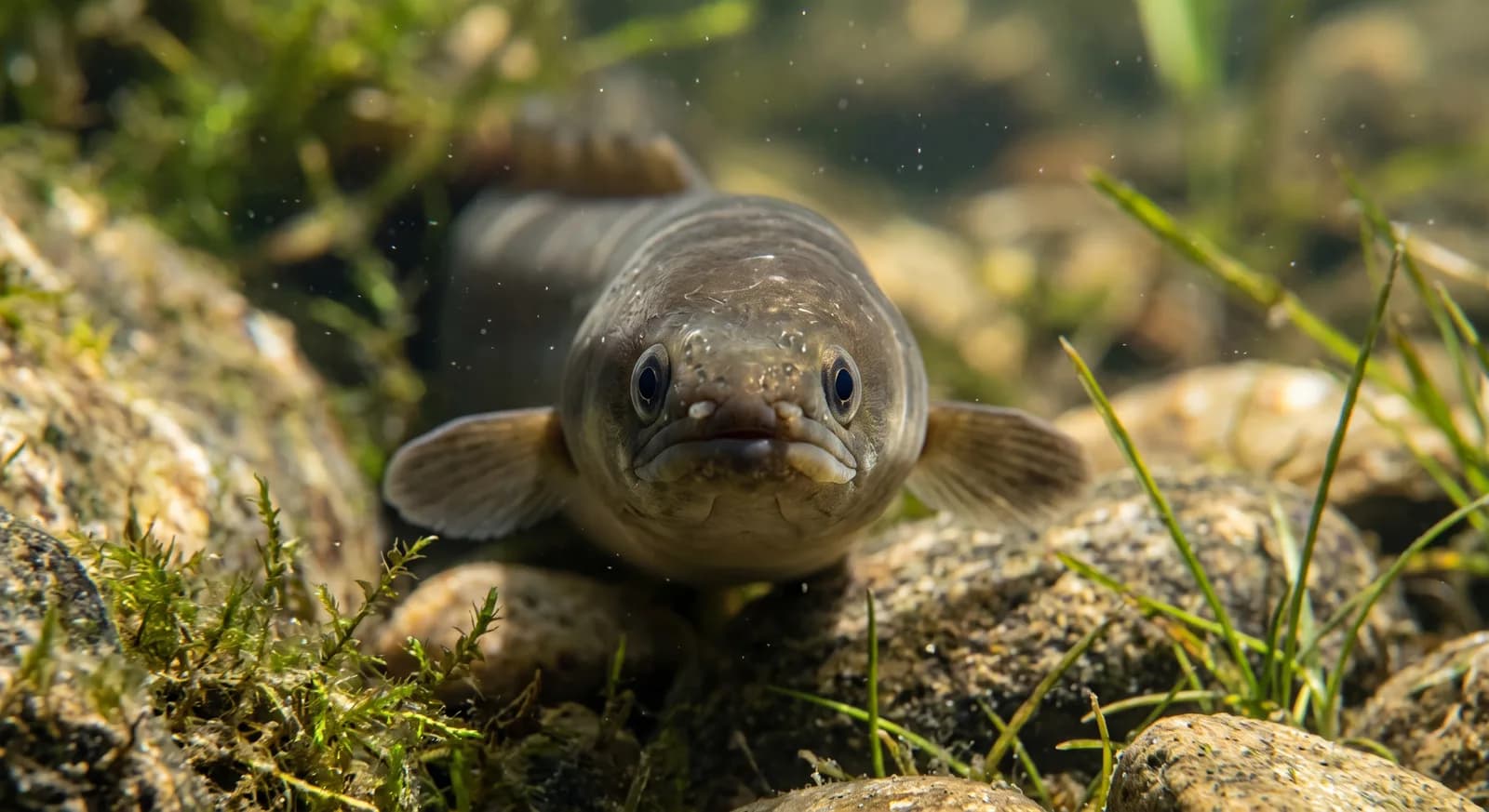
American EelEndangered

American Eel

Anguilla rostrata

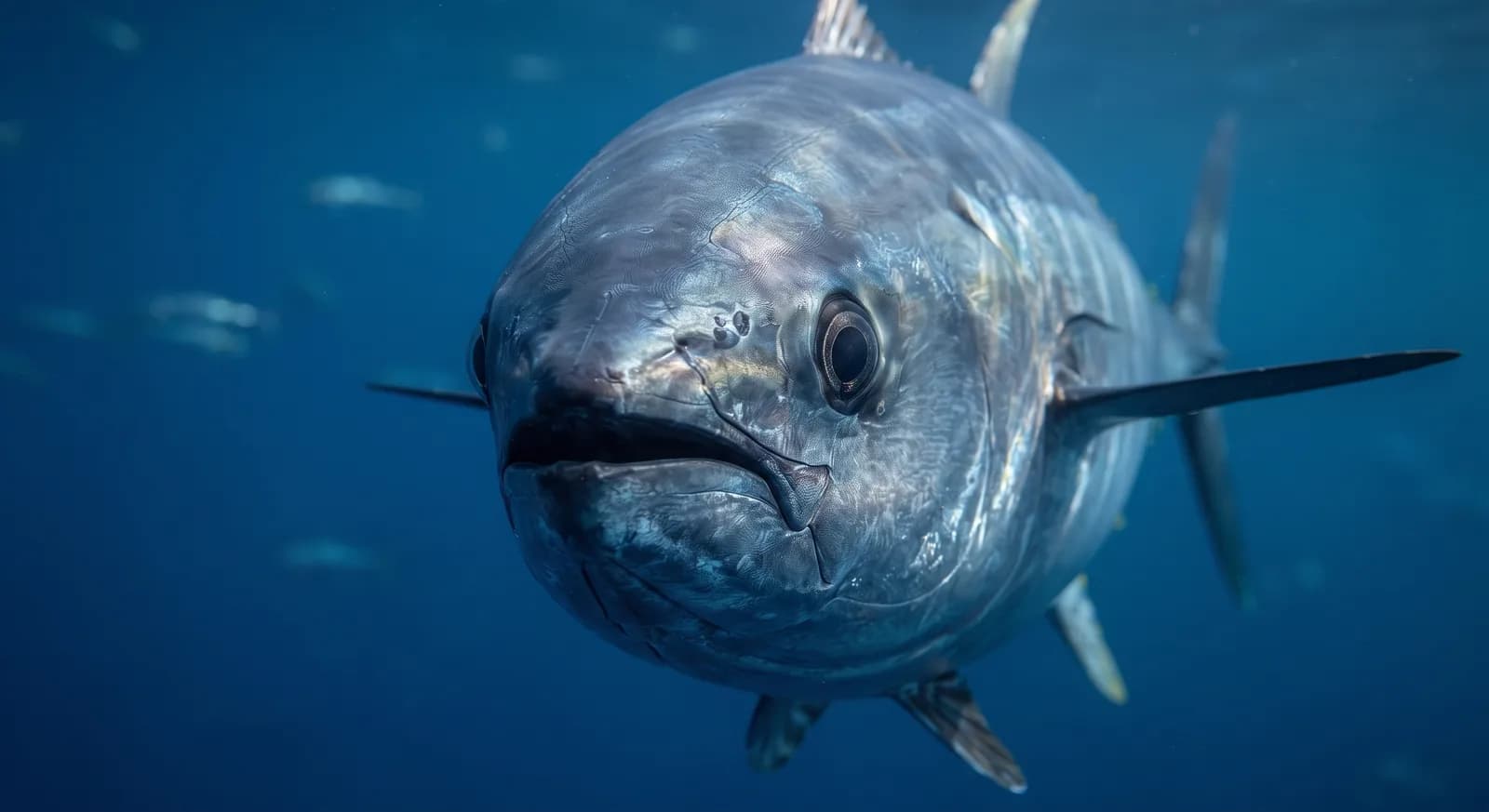
Atlantic Bluefin TunaEndangered

Atlantic Bluefin Tuna

Thunnus thynnus

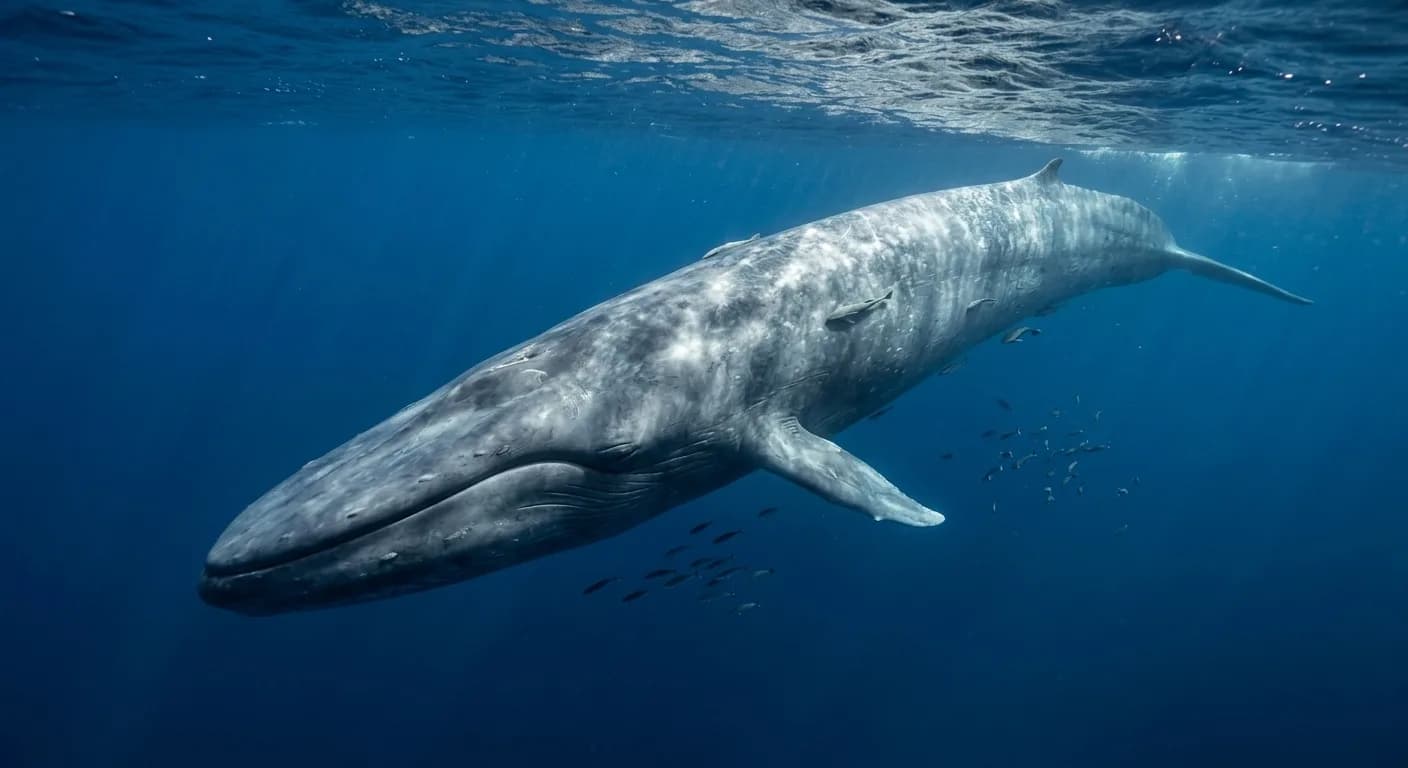
Blue WhaleEndangered

Blue Whale

Balaenoptera musculus

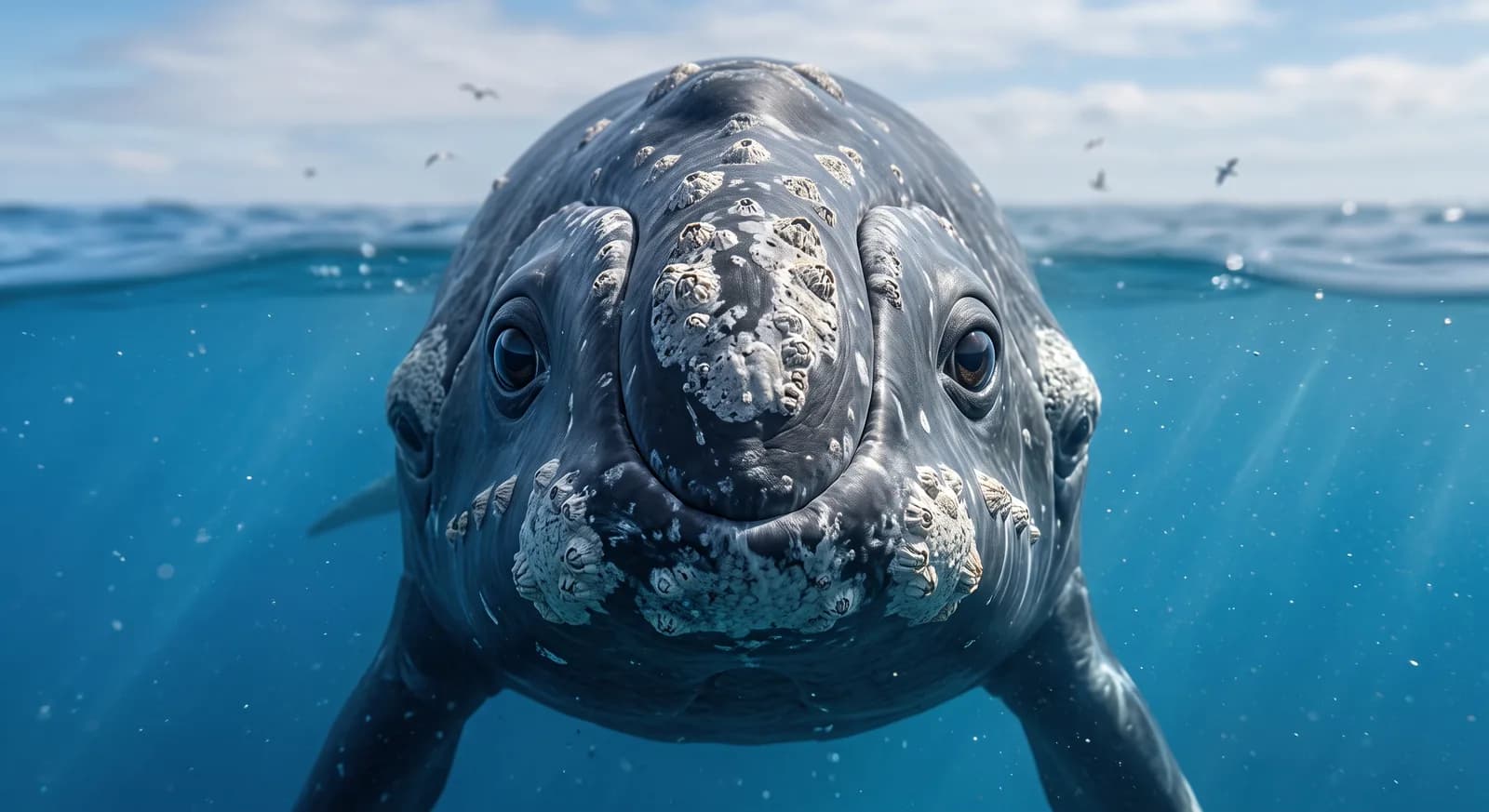
North Atlantic Right WhaleEndangered

North Atlantic Right Whale

Eubalaena glacialis

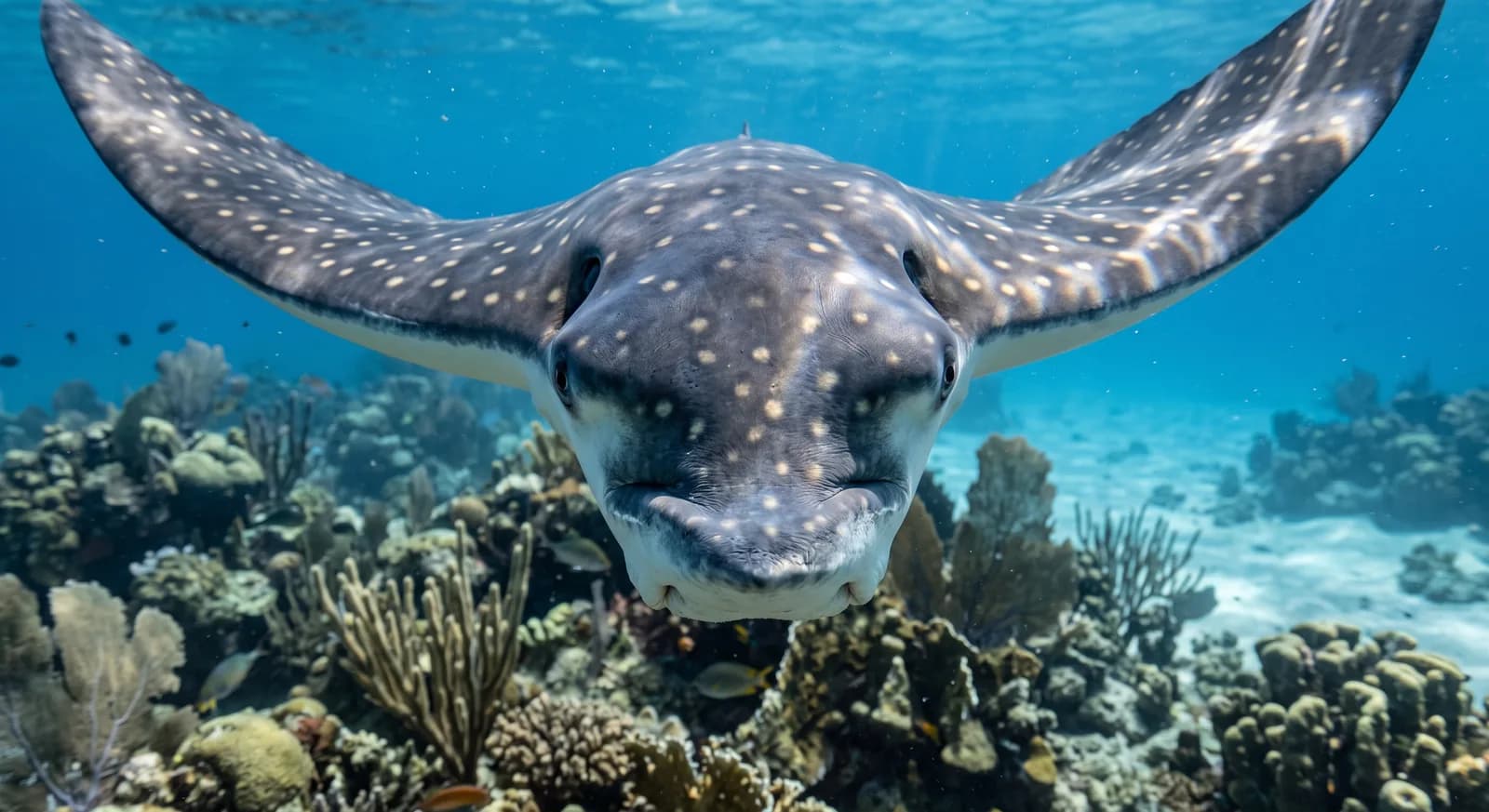
Spotted Eagle RayEndangered

Spotted Eagle Ray

Aetobatus narinari

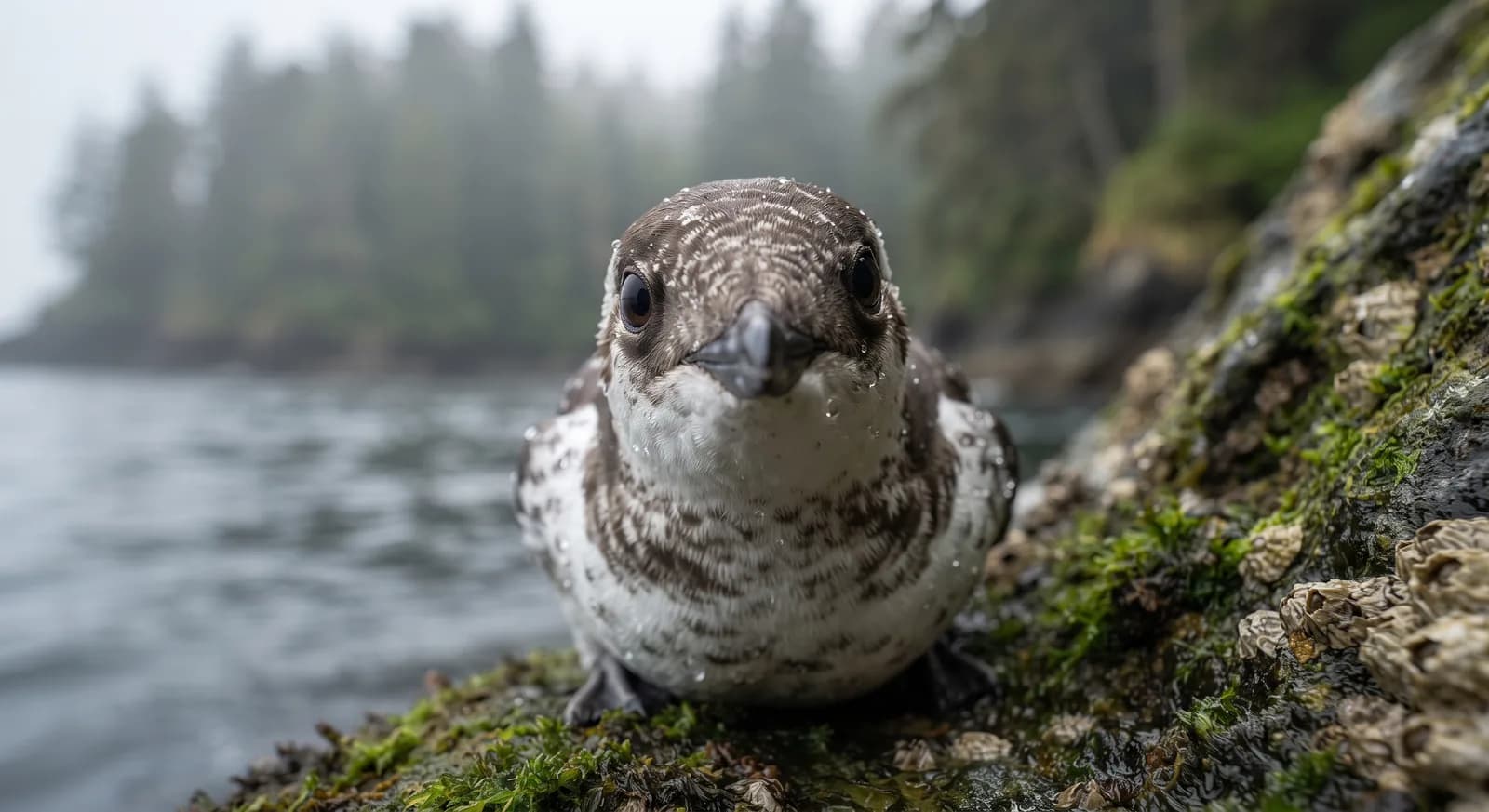
Marbled MurreletEndangered

Marbled Murrelet

Brachyramphus marmoratus

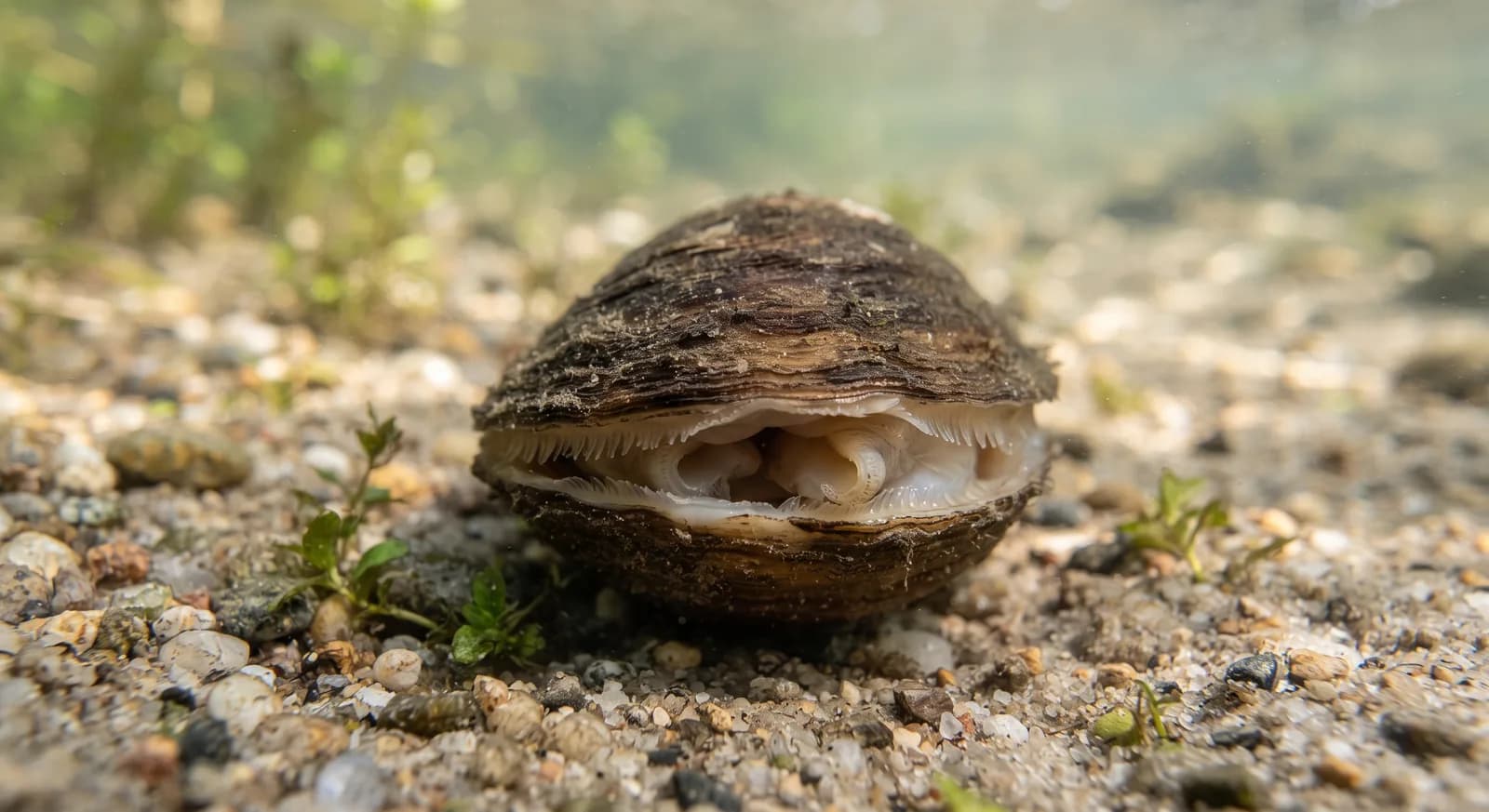
Freshwater Pearl MusselEndangered

Freshwater Pearl Mussel

Margaritifera margaritifera

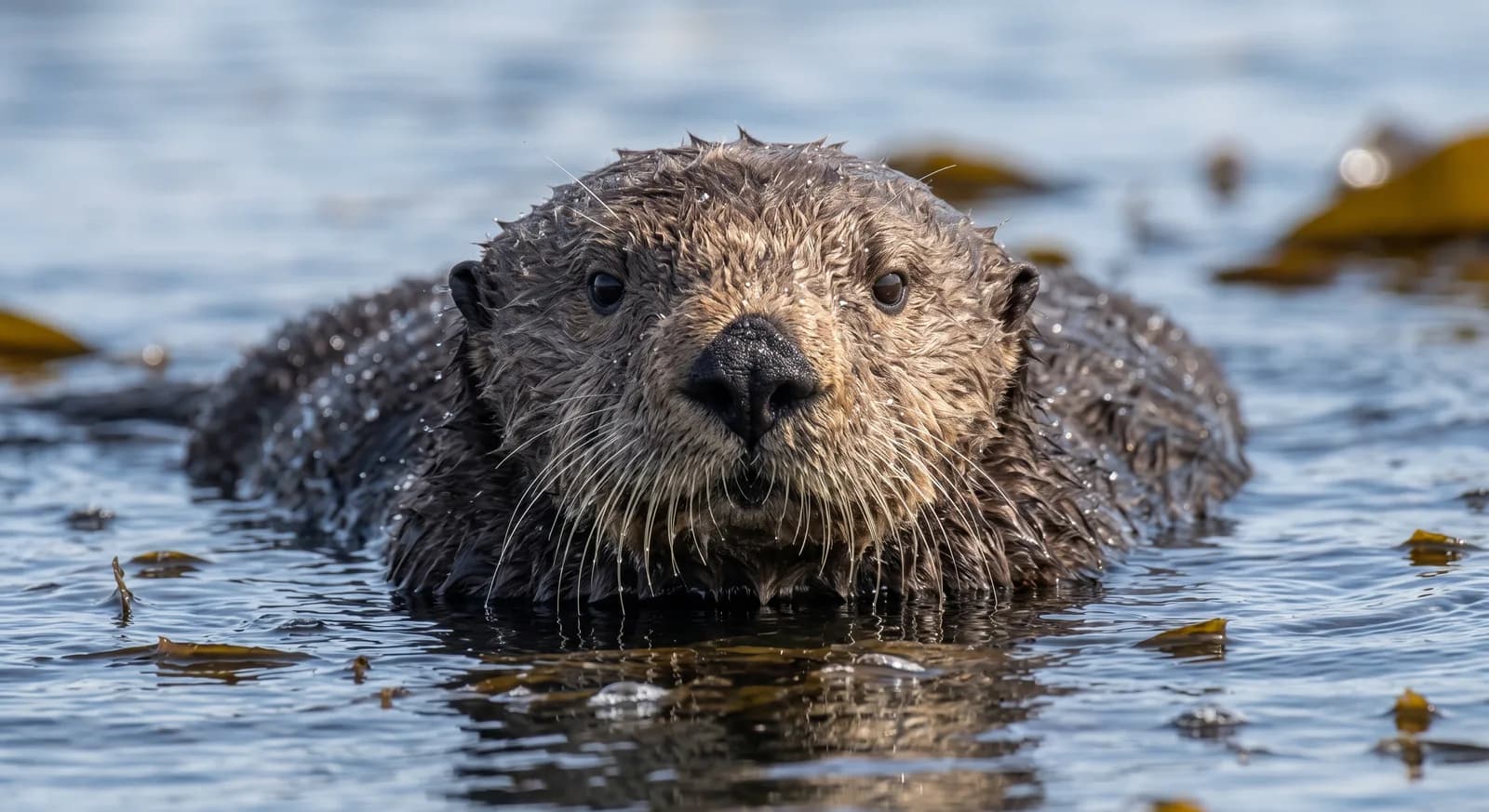
Sea OtterEndangered

Sea Otter

Enhydra lutris

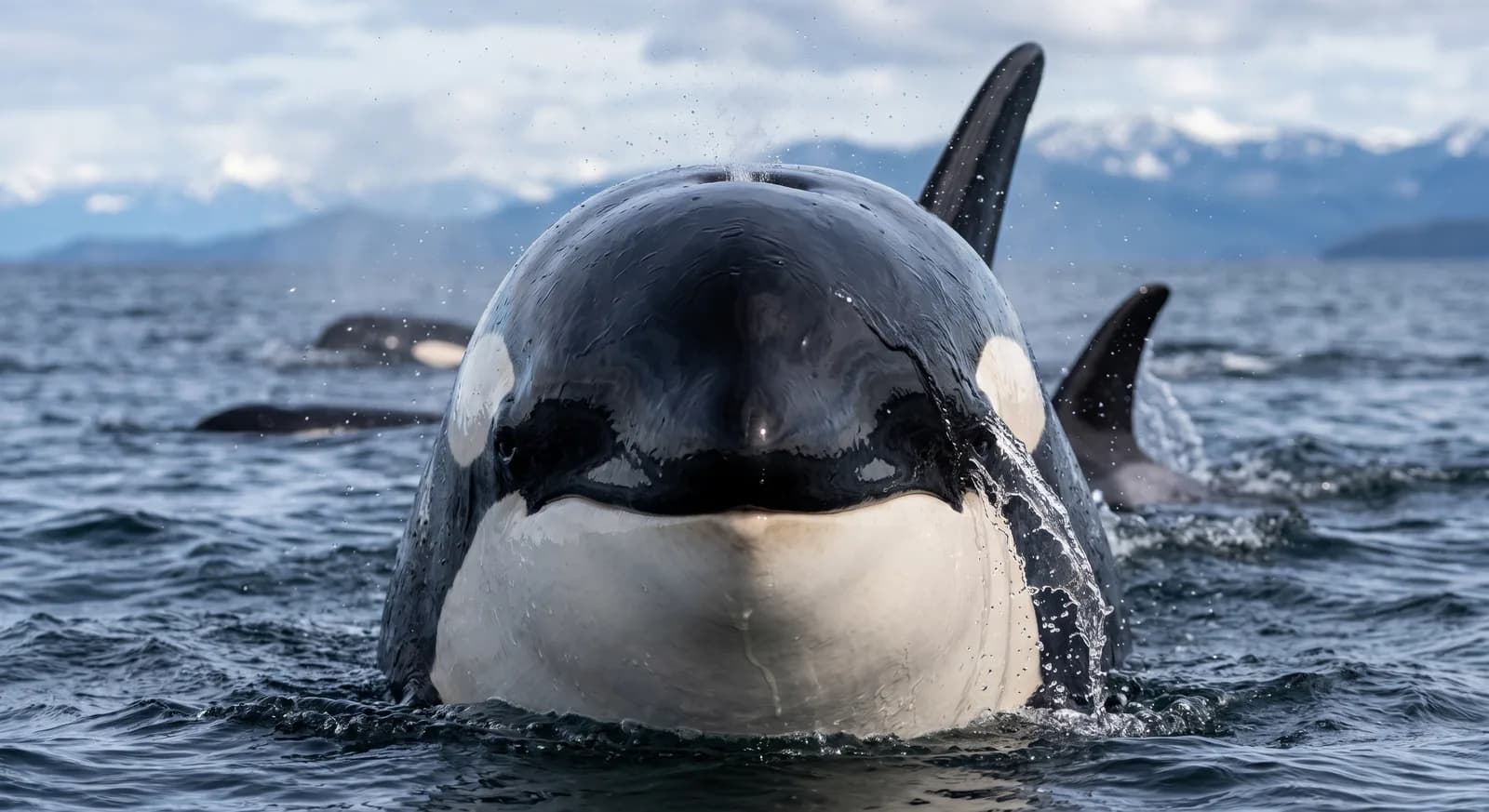
Killer WhaleEndangered

Killer Whale

Orcinus orca

Sei WhaleEndangered

Sei Whale

Balaenoptera borealis

Page 1 of 37
Temperate forest
Grassland
Polar
Tundra