Skip to content
WAnimals
  • Map
  • Species
  • Parks
  • Diving
Log inCreate account
WAnimals

The guide for travellers and animal lovers: discover, plan and share your wild adventures around the world.

Discover wildlife

  • Species
  • Ecosystems
  • Glossary
  • Tags

Explore places

  • Map
  • Countries
  • Parks
  • Diving

Plan experiences

  • Guides

Learn

  • Blog

Resources

  • About us
  • How we build our profiles
  • Help centre
  • Contact
  • Install the app

Follow us

Account

  • Log in
  • Create account

© 2026 WAnimals. All rights reserved.

Terms of servicePrivacyCookiesLegal notice
MapSpeciesParksDiving
  1. Home
  2. Parks
  3. Canada
  4. Pimachiowin Aki
World Heritage Site (Mixed)UNESCO World Heritage

Pimachiowin Aki

North AmericaDesignated in 201829,040 km²
Spotted something wrong?

"The land that gives life": 29,000 km² of boreal forest under Anishinaabe custodianship, Canada's first mixed property.

Area

29,040 km²

Designated in

2018

Region

North America

Highlight

Intact Shield boreal forest under Indigenous stewardship

Pimachiowin Aki means "the land that gives life" in Anishinaabemowin (Ojibwe). It is 2,904,000 hectares — 29,040 km² — of boreal forest, wetlands, lakes and free-flowing rivers straddling the border between Manitoba and Ontario, east of Lake Winnipeg. It was inscribed on the World Heritage List on 1 July 2018 and is Canada's first and only mixed property, that is, recognised for its natural and cultural values alike, which here are held to be indivisible.

The territory comprises the traditional lands of four Anishinaabe First Nations — Bloodvein River, Little Grand Rapids, Pauingassi and Poplar River — who have lived there for at least 7,000 years, plus several adjoining protected areas: the Atikaki and South Atikaki provincial parks in Manitoba, and Woodland Caribou Provincial Park and the Eagle-Snowshoe conservation reserve in Ontario. Four small permanent communities live within the property and move through a complex network of waterways, routes and seasonal camps to fish, hunt and gather according to their traditional practices. The cultural value recognised by UNESCO is the living tradition of Ji-ganawendamang Gidakiiminaan, "keeping the land": honouring the Creator's gifts, respecting all forms of life and maintaining harmonious relations with others, in a worldview that ascribes animacy to natural elements.

In natural terms, it is one of the last great ecologically intact fragments of the southern boreal forest, a biome heavily fragmented across the rest of the planet. Its size and continuity allow the processes that structure it to keep working at full scale: the natural fire regime, the flow of nutrients, the movements of species and the predator-prey relationships between wolf, moose and woodland caribou, or between lynx and snowshoe hare. It is home to woodland caribou — a threatened species — wolverine, lake sturgeon, leopard frog, loon and Canada warbler, and within it rise the Berens, Bloodvein, Pigeon and Poplar rivers. Traditional Anishinaabe use, including sustainable fishing, hunting and trapping, is recognised as an integral part of the ecosystem itself.

Location

Loading map…

Pimachiowin Aki: 31 documented species

Mammals9Birds17Reptiles1Amphibians

Flora and ecosystems

Ecosystems found in Canada, where Pimachiowin Aki lies.

Tropical rainforestTemperate forestTundra / polar

Experiences in this park

Birdwatching

Wildlife you can see now

What is worth looking out for this month in Canada?

Now is a good time: Polar bear gathering at Churchill (October to November)

Similar parks

Which other parks are like this one?

Same country: Canada

Same country: Canada

Same country: Canada

Same country: Canada

Keep exploring

Based on what we already know about this park.

Share your experience visiting Pimachiowin Aki, or a tip for other travellers.

Climate

Temperate, Polar / cold

Best season

June to September

Plan your visit

Best season
June to September
Area
29,040 km²
More places in CanadaSee location
3
Fish1
Eastern ChipmunkLeast Concern

Eastern Chipmunk

Tamias striatus

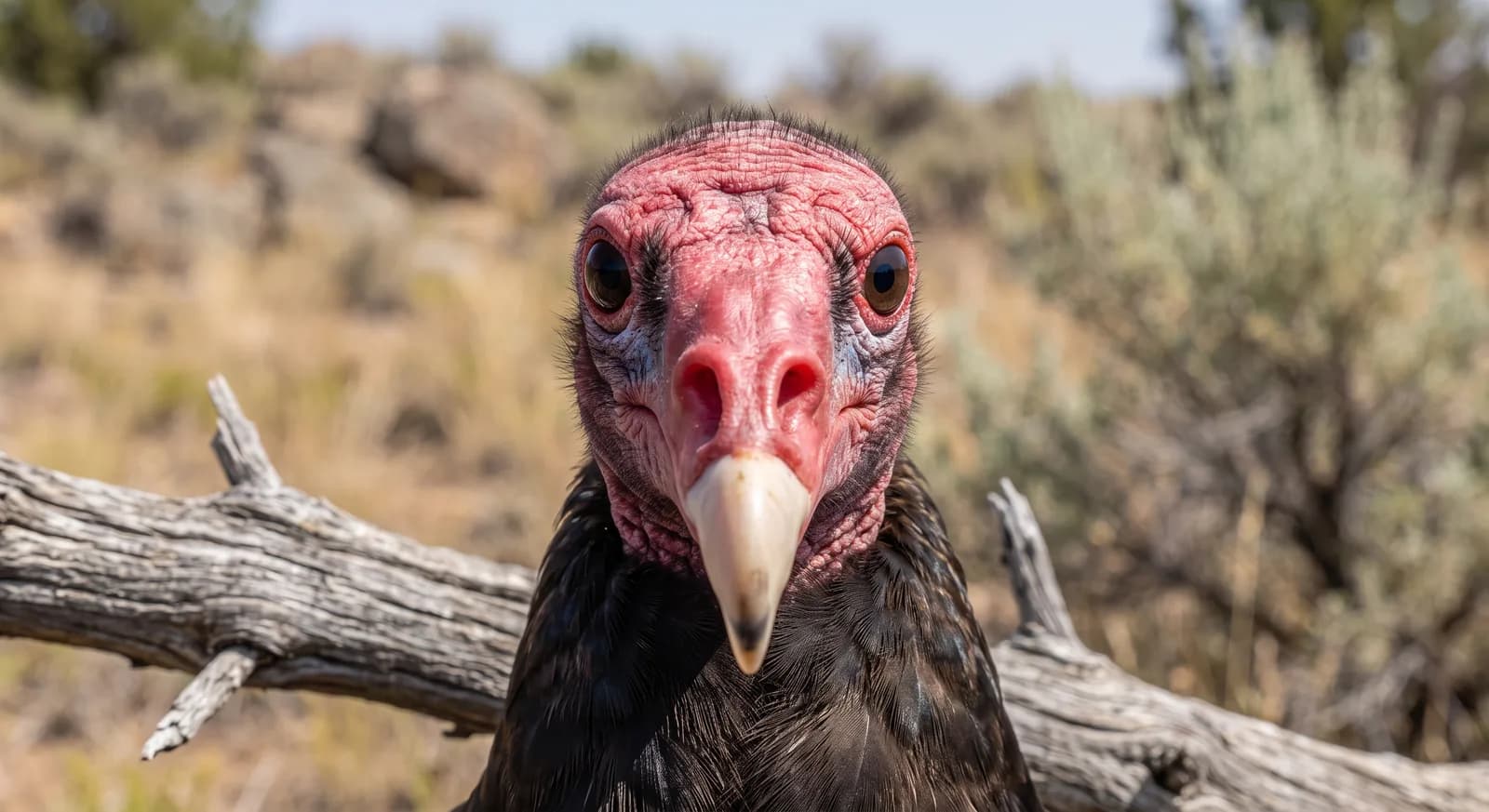
Turkey VultureLeast Concern

Turkey Vulture

Cathartes aura

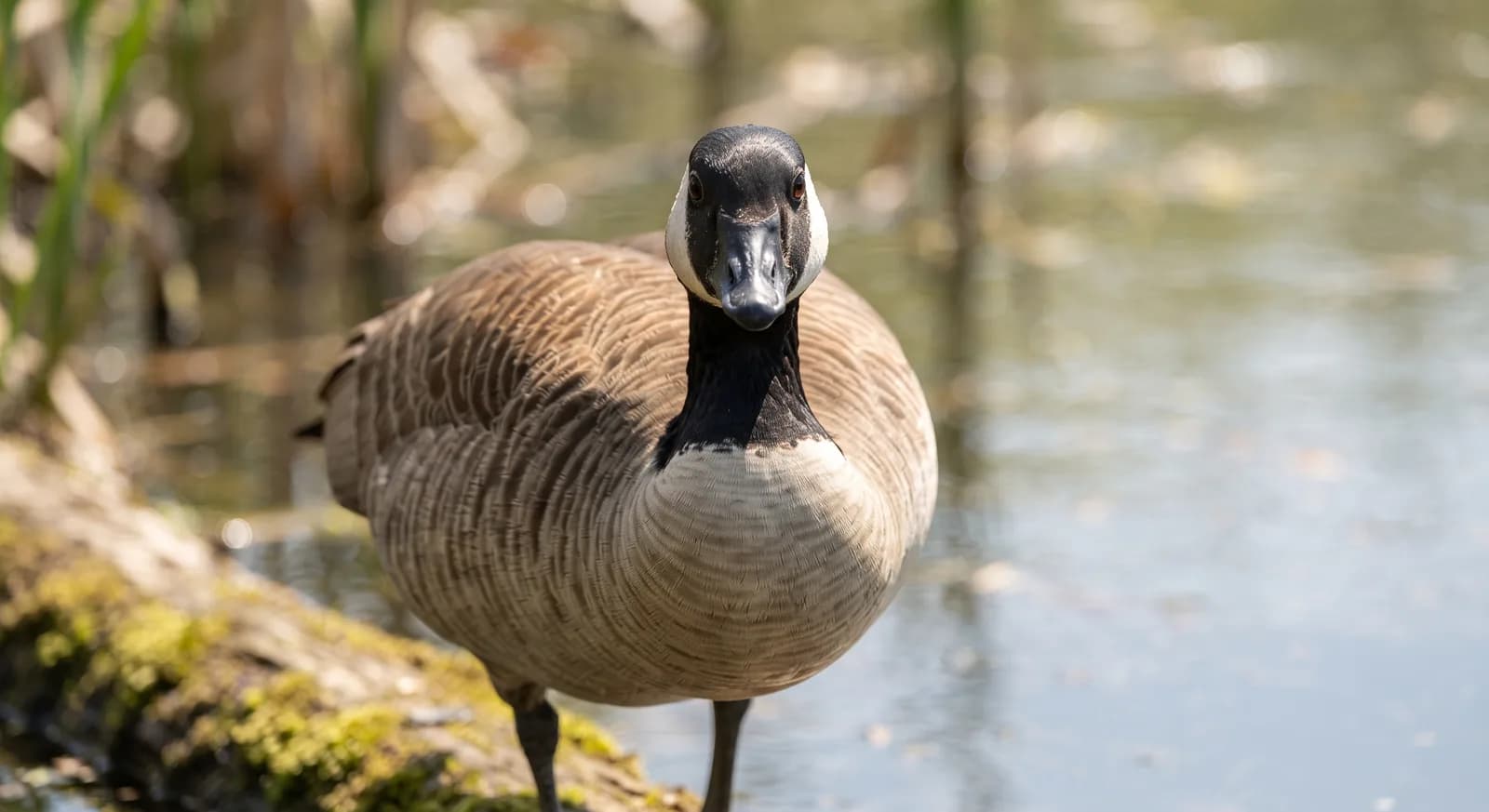
Canada GooseLeast Concern

Canada Goose

Branta canadensis

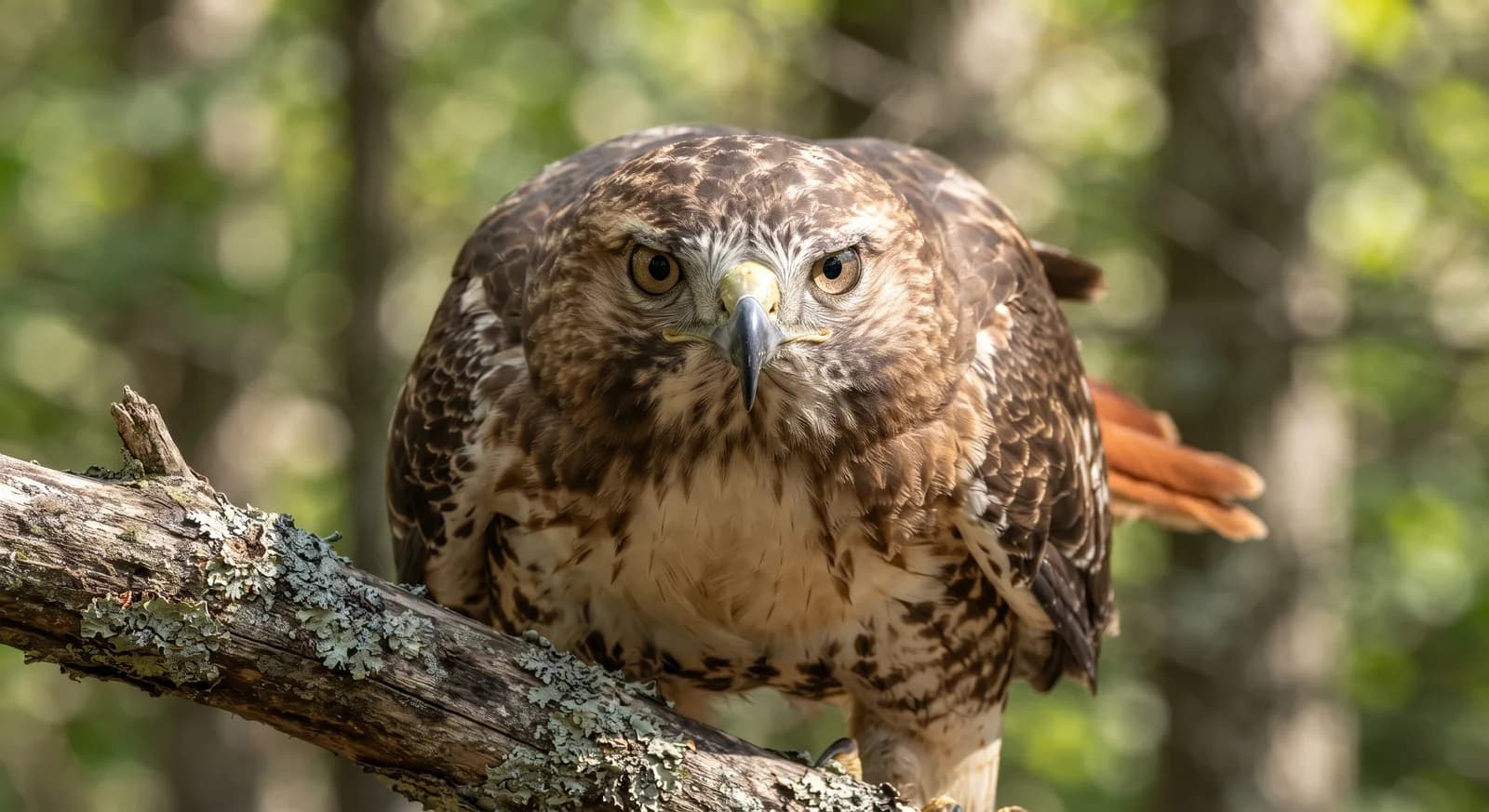
Red-tailed HawkLeast Concern

Red-tailed Hawk

Buteo jamaicensis

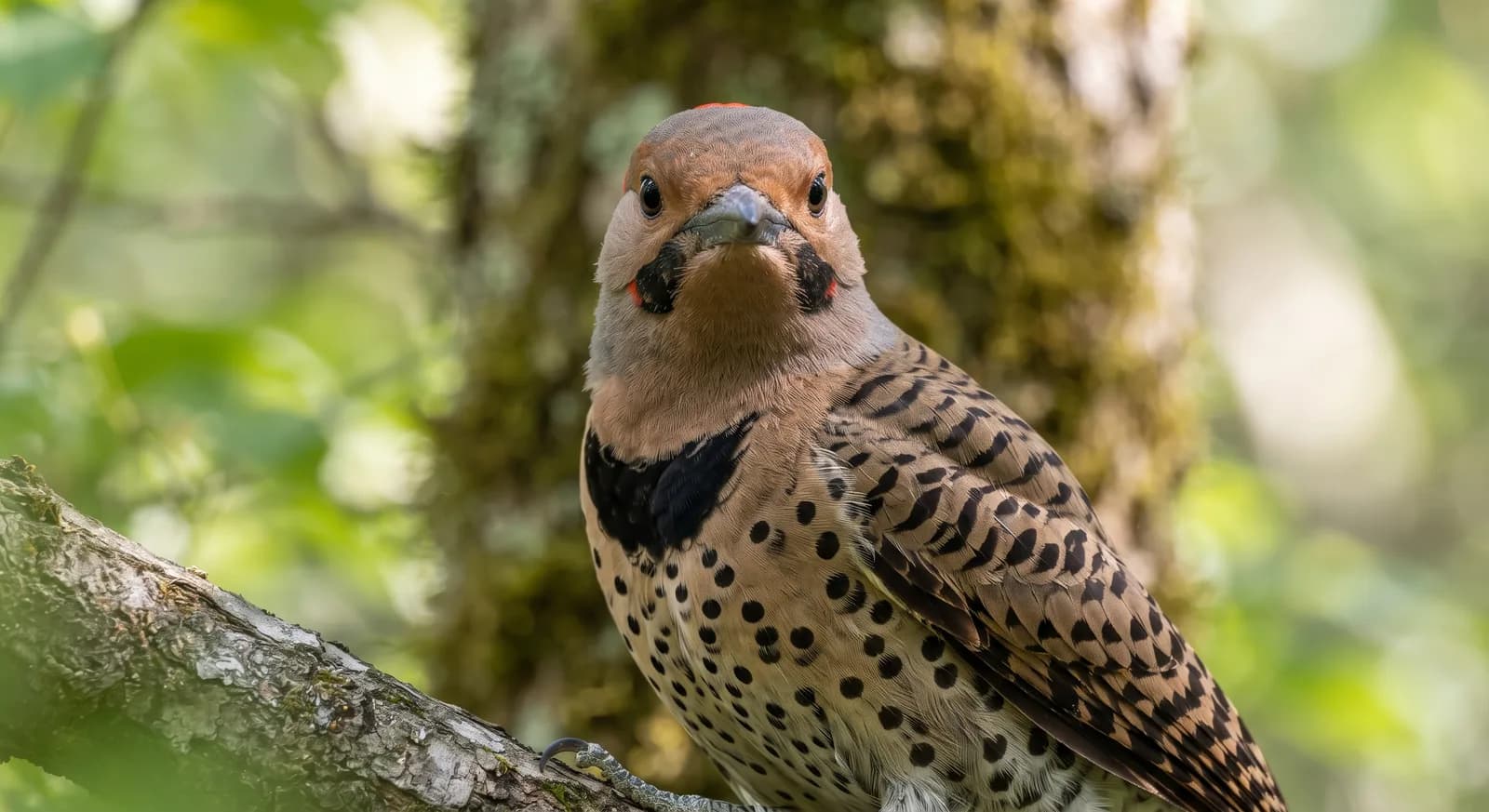
Northern FlickerLeast Concern

Northern Flicker

Colaptes auratus

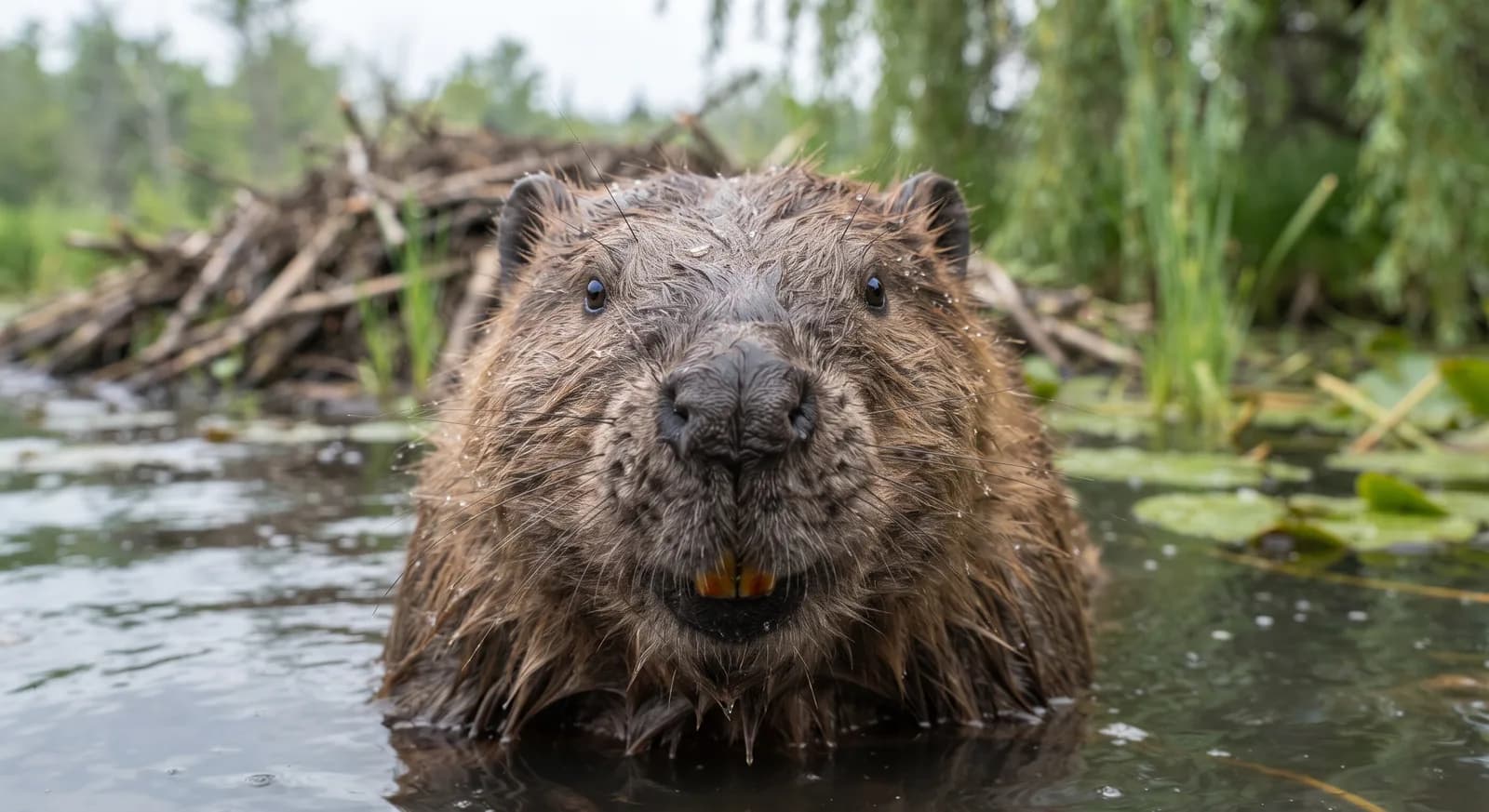
American BeaverNot Evaluated

American Beaver

Castor canadensis

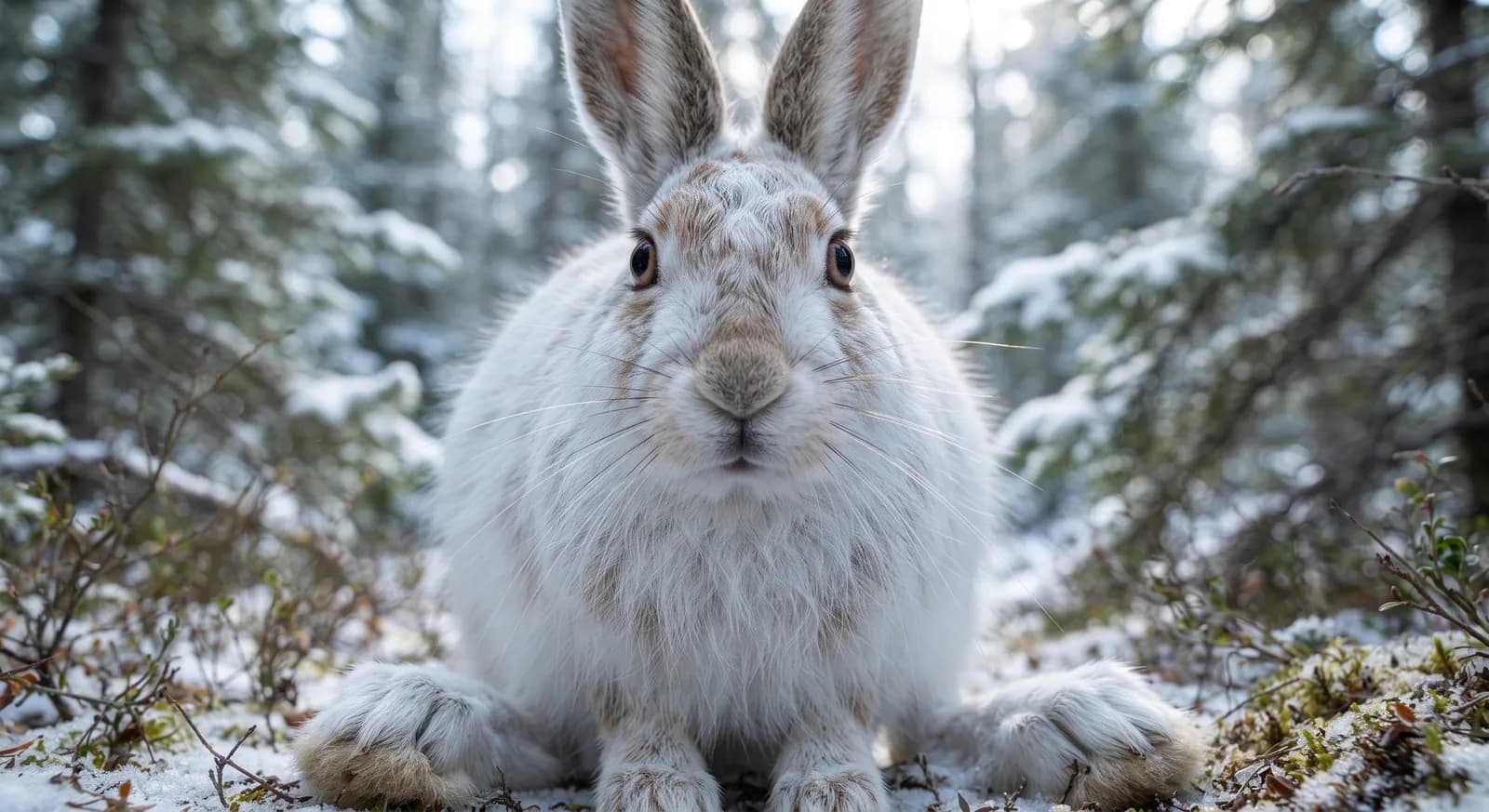
Snowshoe HareLeast Concern

Snowshoe Hare

Lepus americanus

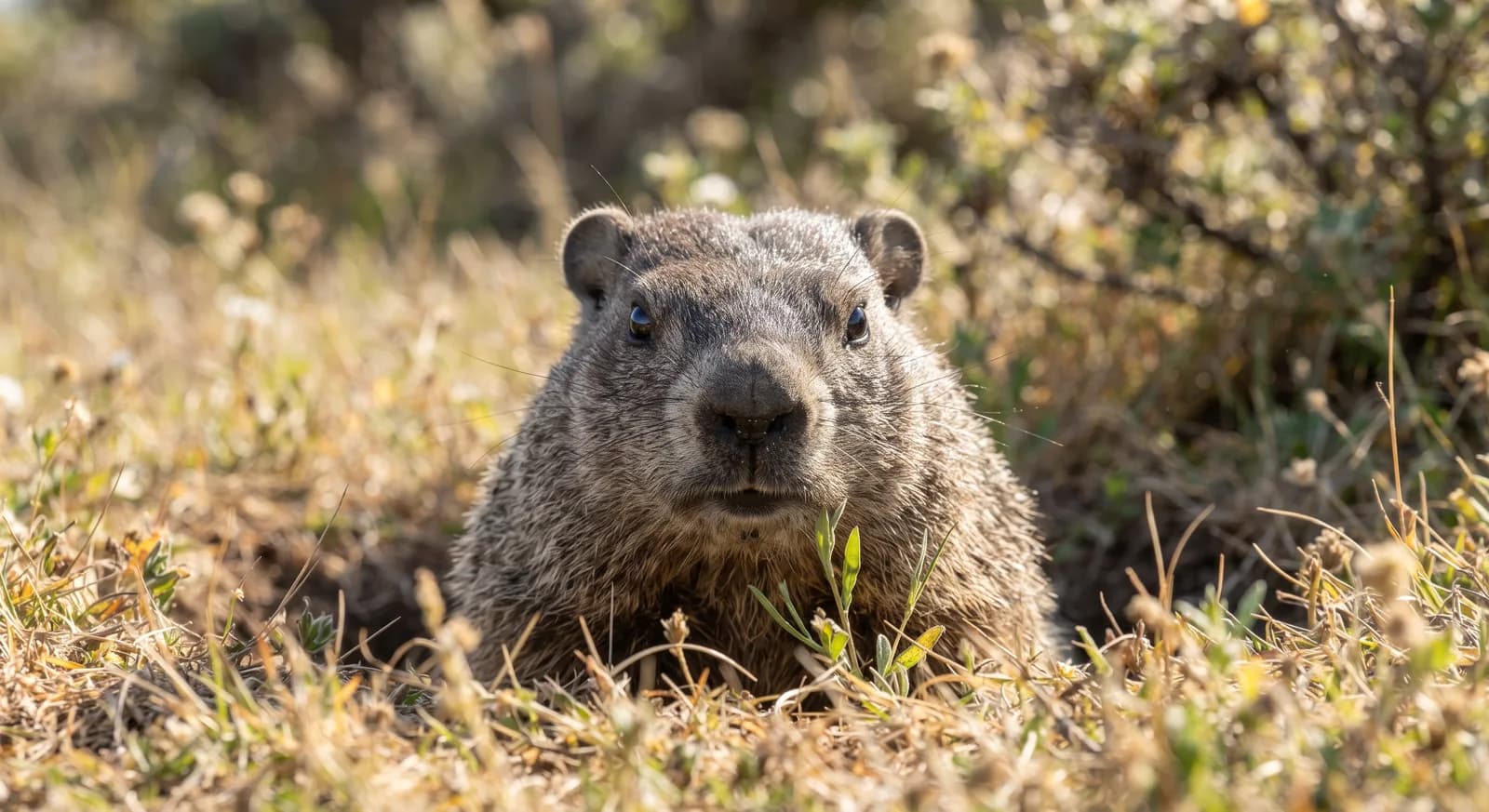
WoodchuckLeast Concern

Woodchuck

Marmota monax

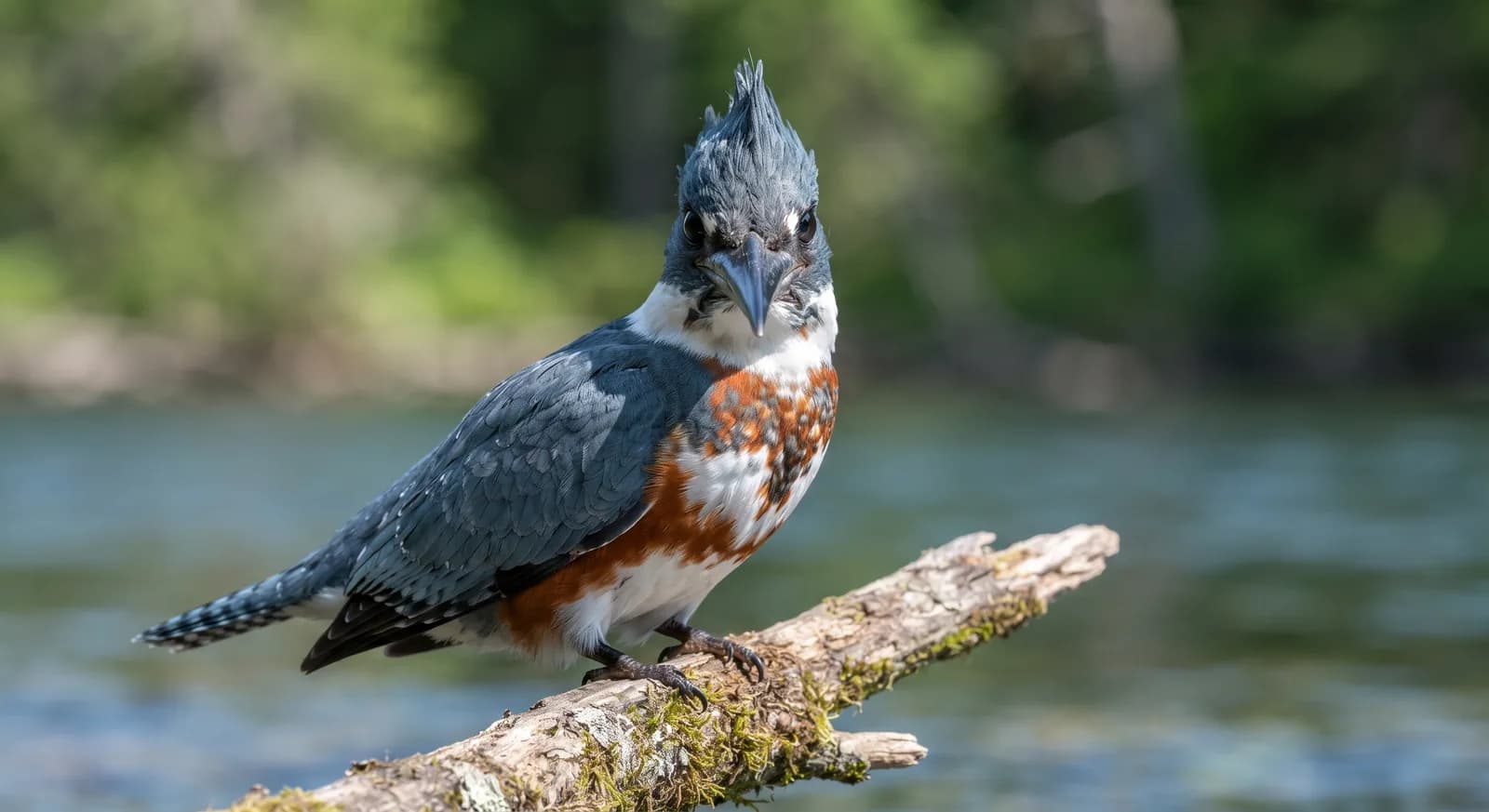
Belted KingfisherLeast Concern

Belted Kingfisher

Megaceryle alcyon

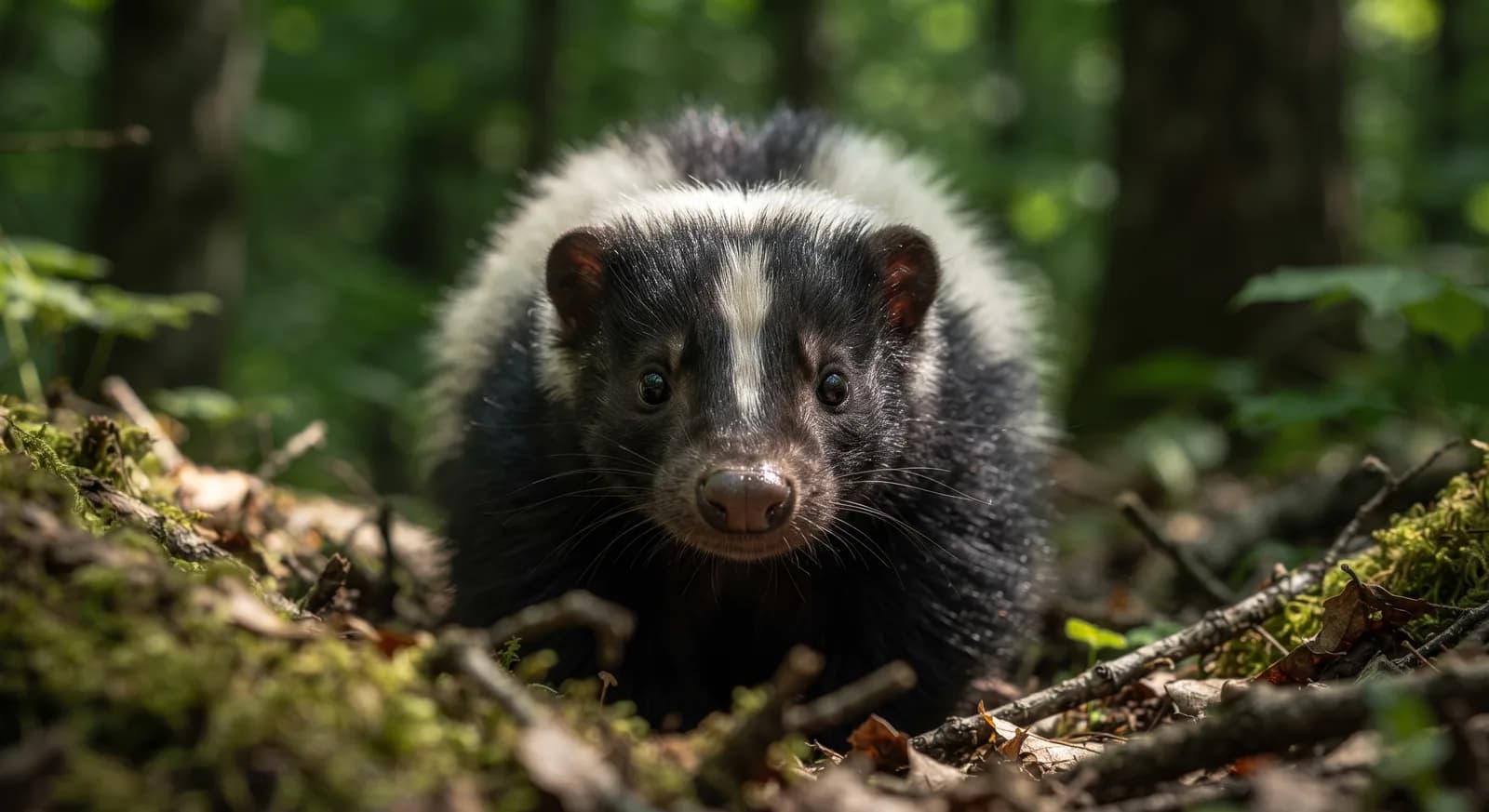
Striped SkunkNot Evaluated

Striped Skunk

Mephitis mephitis

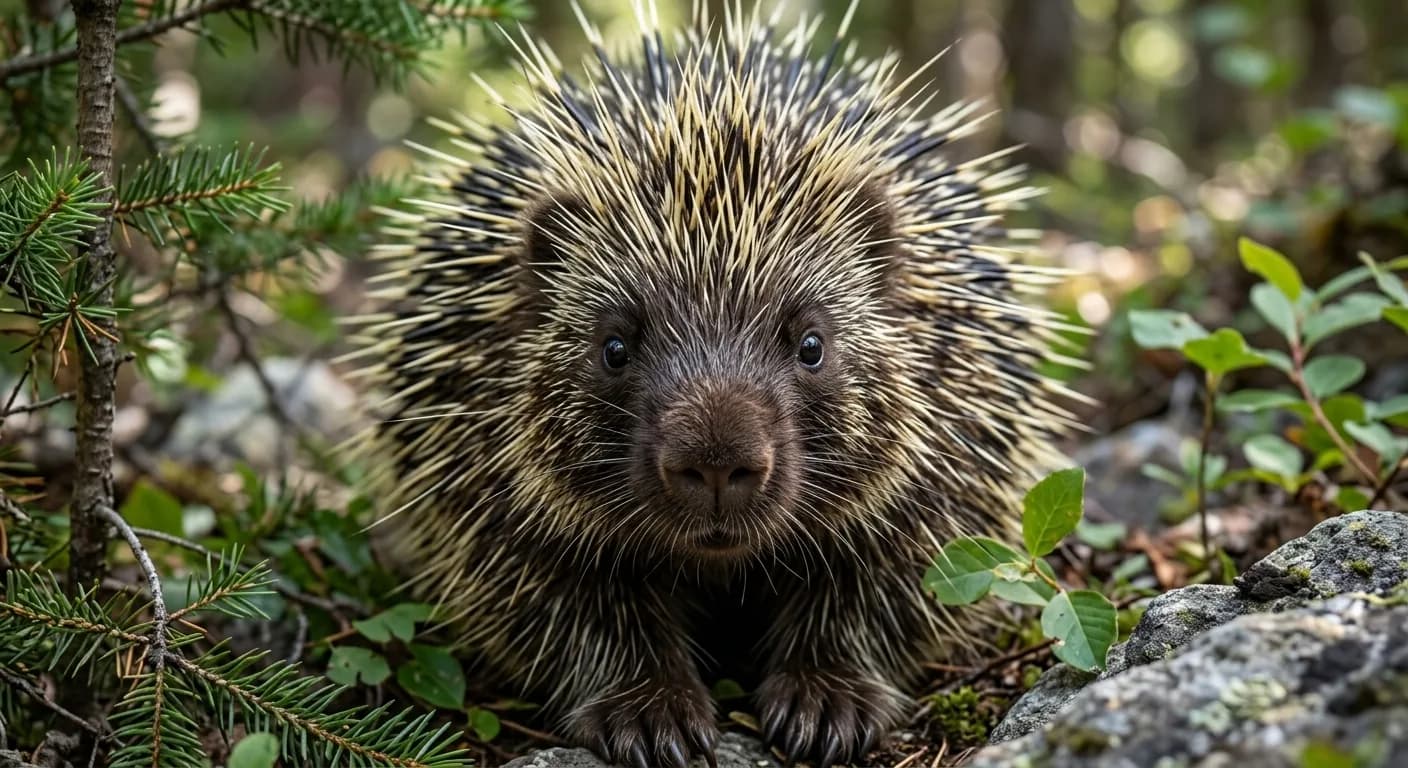
North American PorcupineLeast Concern

North American Porcupine

Erethizon dorsatum

Least Concern

Cedar Waxwing

Bombycilla cedrorum

See all 31 species found here

Canada · North America
See on the interactive map→
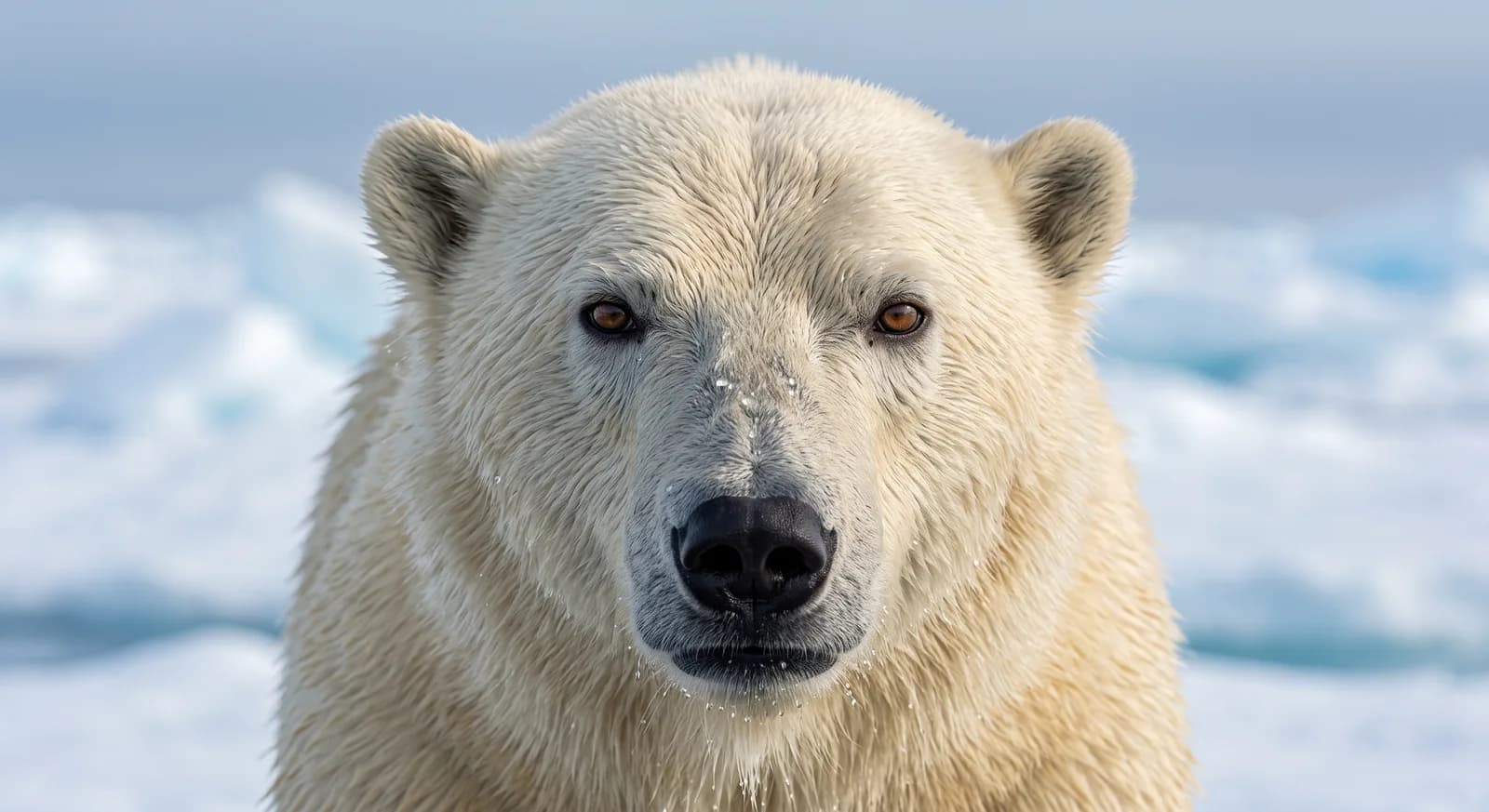
Polar BearVulnerable

Polar Bear

Ursus maritimus

UNESCO
World Heritage Site (Natural)

Joggins Fossil Cliffs

Canada

Hylonomus lyelli (fossil) · Dendrerpeton (fossil)

June to September

See park
National Park Reserve

Mingan Archipelago

Canada

Atlantic puffin · grey seal

June to September

See park
National Park

Aulavik

Canada

Muskox · Peary caribou

June to September

See park
National Park

Forillon

Canada

Grey seal · humpback whale

June to September

See park
CountryCanada
This page in other languages: Español · Deutsch · Français · Português · Italiano
Temperate forest
World Heritage