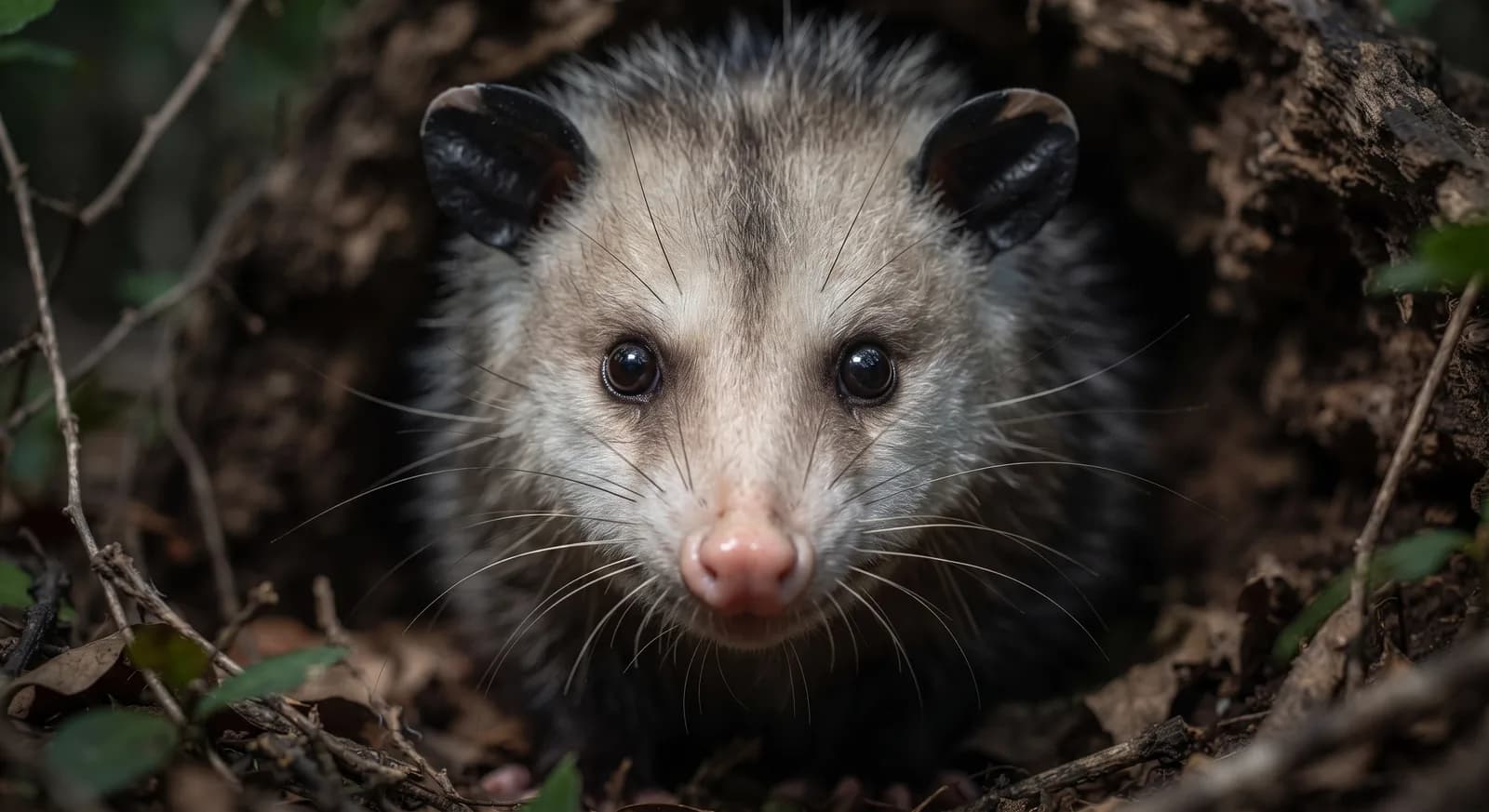
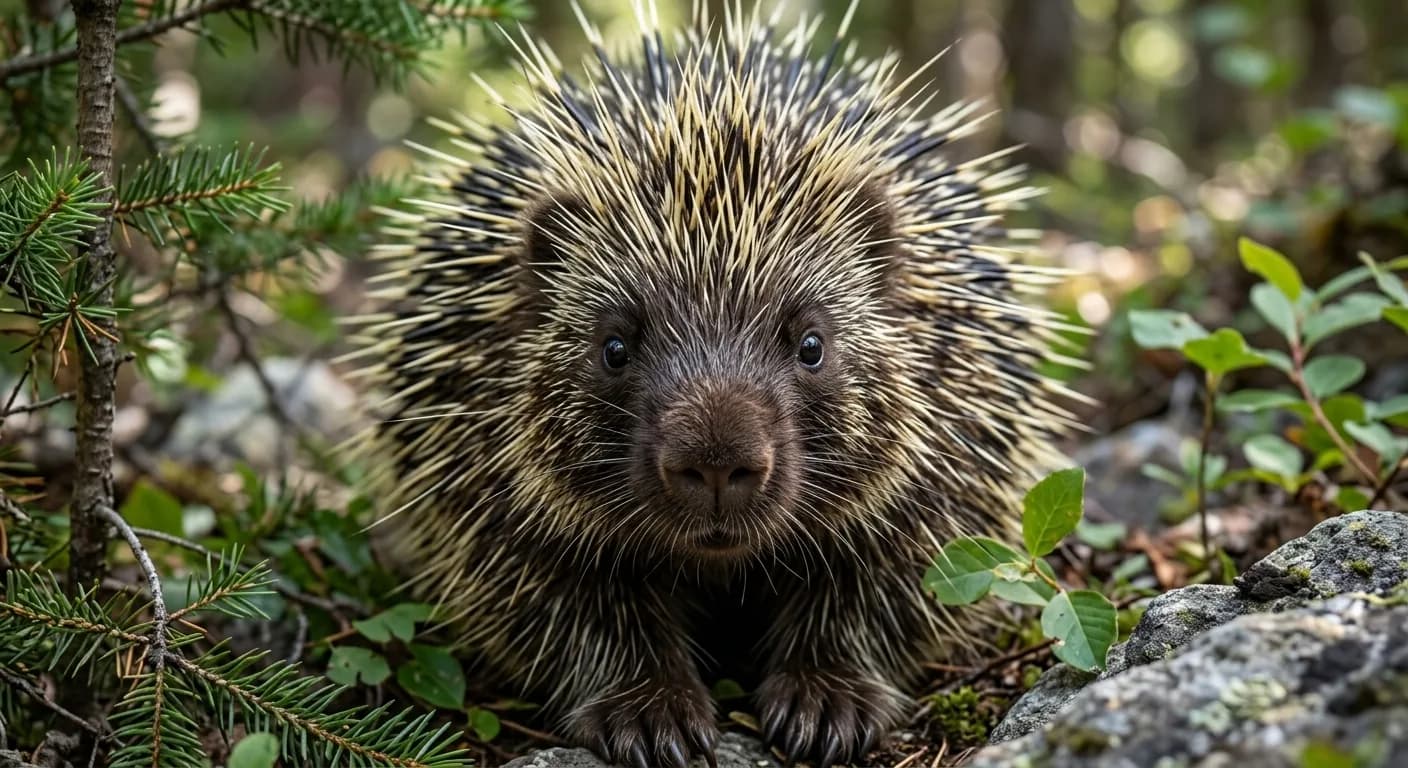
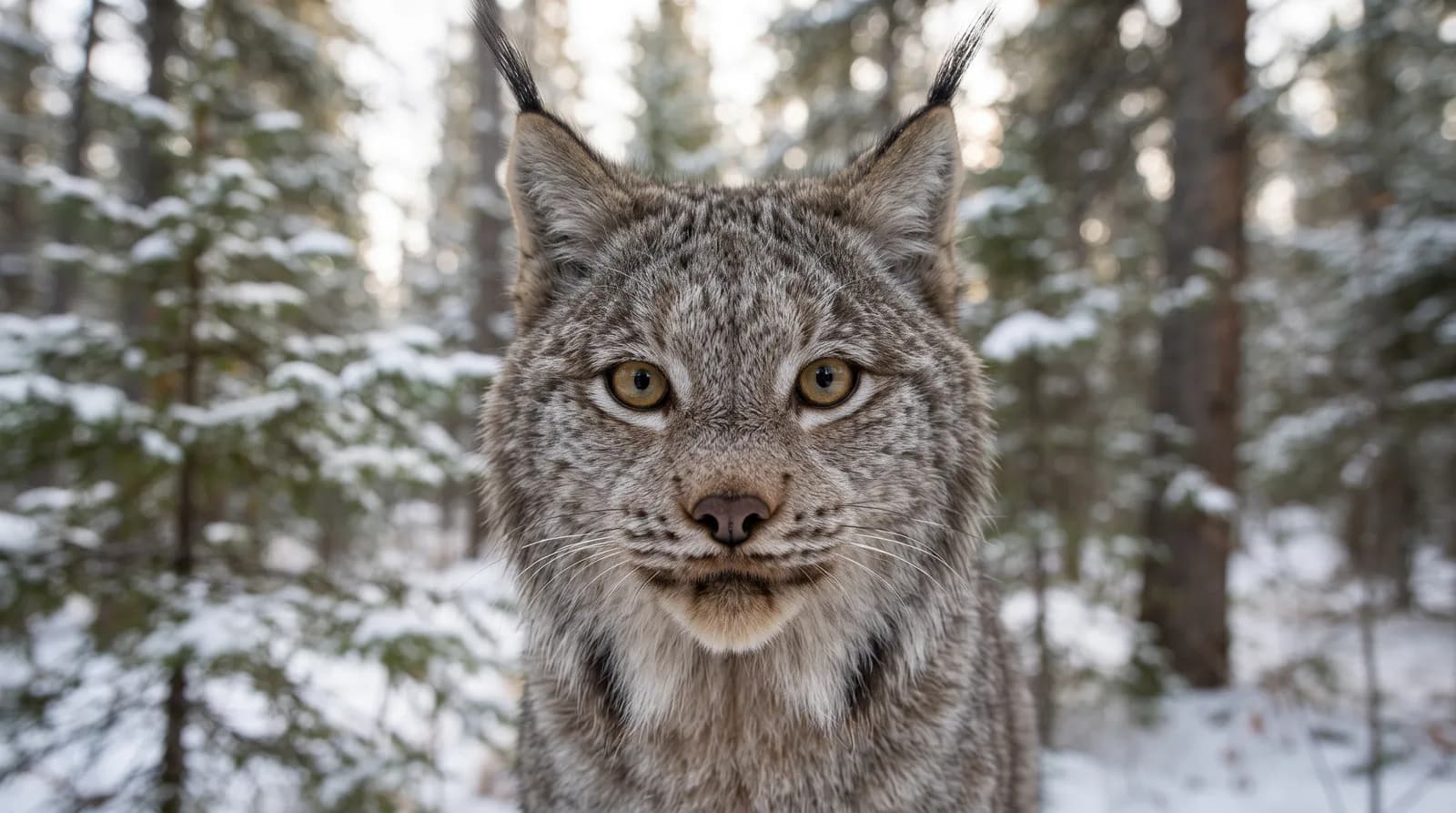
One of the 8 hares on WAnimals
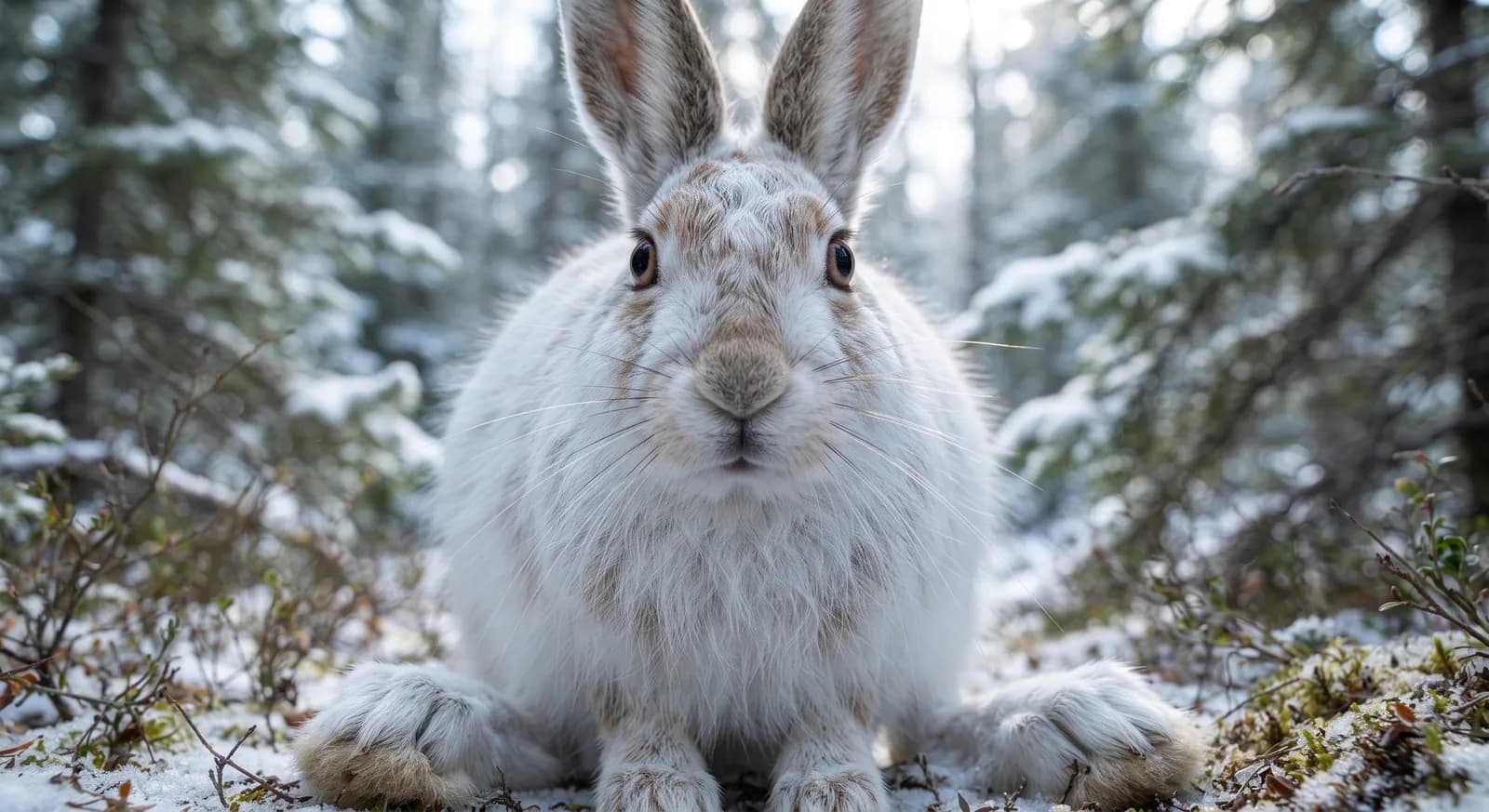
Mammals · Lagomorpha · Leporidae
Lepus americanus
The species is abundant and widely distributed; it faces no significant short-term risk.
Its striking boom-and-bust population cycles, running over 8 to 11 years, are closely tied to the abundance of the Canada lynx, its main specialist predator.
Weight
1.3 kg – 1.6 kg
Size
41 cm – 52 cm
Life expectancy
3 years
Diet
Herbivore
Feeds mainly on plants.
Activity
Nocturnal
Active mainly at night.
Social structure
Solitary
Lives and hunts alone, joining others only to breed.
AI-generated images: illustrations, not photographs.
Sources consulted: A-Z Animals · Alaska Department of Fish and Game · Animal Diversity Web · AnAge (genomics.senescence.info) · Zoo Sauvage de Saint-Félicien · Vermont Fish & Wildlife Department
The pins mark the parks where its presence is documented.
Parks and dive sites where this species has been documented — showing 10 of 35.
Other species in the catalogue with the most in common with Snowshoe Hare — same habitat, park, country, tags or family.
How Snowshoe Hare relates to other species in the catalogue.
Based on what we already know about snowshoe hare.