Skip to content
WAnimals
  • Map
  • Species
  • Parks
  • Diving
Log inCreate account
WAnimals

The guide for travellers and animal lovers: discover, plan and share your wild adventures around the world.

Discover wildlife

  • Species
  • Ecosystems
  • Glossary
  • Tags

Explore places

  • Map
  • Countries
  • Parks
  • Diving

Plan experiences

  • Guides

Learn

  • Blog

Resources

  • Help centre
  • Contact
  • Install the app

Follow us

Account

  • Log in
  • Create account

© 2026 WAnimals. All rights reserved.

About usHow we build our profilesTerms of servicePrivacyLegal notice
MapSpeciesParksDiving
  1. Home
  2. Species
  3. Bushy-tailed Woodrat

One of the 11 rats on WAnimals

Mammals · Rodentia · Cricetidae

Bushy-tailed Woodrat

Neotoma cinerea

Least Concern

The species is abundant and widely distributed; it faces no significant short-term risk.

Spotted something wrong?

The bushy-tailed woodrat, popularly known as the pack rat, builds enormous communal nests of twigs, bones, cones, droppings and any shiny object it comes across, piled up over generations in crevices and caves. Those nests, cemented by the animal's crystallised urine, can survive tens of thousands of years in dry climates and have become an extraordinary source for reconstructing past vegetation and climate.

Weight

200 g – 600 g

Size

18 cm – 25 cm

Life expectancy

4 years

Diet

Herbivore

Feeds mainly on plants.

Activity

Nocturnal

Active mainly at night.

Social structure

Solitary

Lives and hunts alone, joining others only to breed.

Sighting difficulty

Easy

Temperate forestDesertMountain
2countries32parks9same family

Fun facts

  • Its nests are climate archives: the crystallised urine preserves twigs, seeds and pollen for tens of thousands of years, and palaeoecologists study them to reconstruct what the vegetation of the American West was like during the last glaciation.
  • It has a reputation as a thief: if it comes across a shiny object while carrying something else, it drops what it has and takes the new one, which is why spoons, coins and watches turn up in its nests.

Life cycle and biology

Skeleton type
Vertebrate - internal bony skeleton (mammal)
Habitat and environment
Rock outcrops, scree, caves and abandoned cabins in the mountains and forests of western North America
Sexual maturity
11.6 months
Gestation / incubation
30 days
Litter / clutch size
3.68 (average)

Sources consulted: https://www.iucnredlist.org/ | https://animaldiversity.org/ | https://es.wikipedia.org/

Where to find it

Loading map…

The pins mark the parks where its presence is documented.

Where to see it

Parks and dive sites where this species has been documented — showing 10 of 32.

Related species

Other species in the catalogue with the most in common with Bushy-tailed Woodrat — same habitat, park, country, tags or family.

Same taxonomic family
Shares a park
Shares a park
Shares a park
Shares a park

Keep exploring

Based on what we already know about bushy-tailed woodrat.

Comments

Share an experience, a fun fact or a tip for seeing the bushy-tailed woodrat.

Be the first to comment.

See full glossary
This page in other languages: Español · Deutsch · Français · Português · Italiano
See its range on the interactive map→
Yellowstone National ParkUnited States
YosemiteUnited States
Grand CanyonUnited States
GlacierUnited States
DenaliUnited States
Death ValleyUnited States
ZionUnited States
OlympicUnited States
Grand TetonUnited States
Crater LakeUnited States
See all 32 parks
Least Concern

Common Muskrat

Ondatra zibethicus

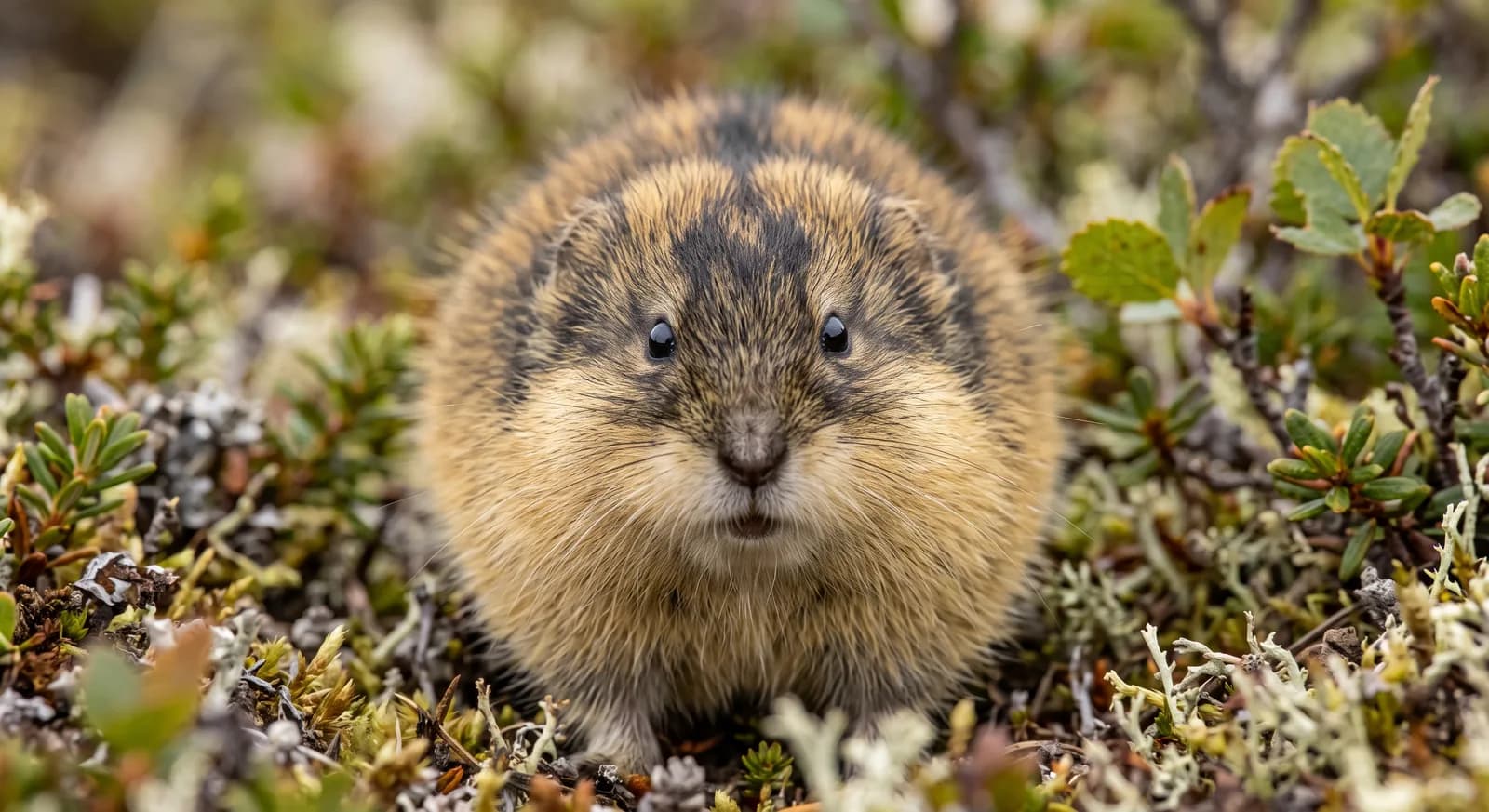
Norway LemmingLeast Concern

Norway Lemming

Lemmus lemmus

Brown BearLeast Concern

Brown Bear

Ursus arctos

Least Concern

Big Brown Bat

Eptesicus fuscus

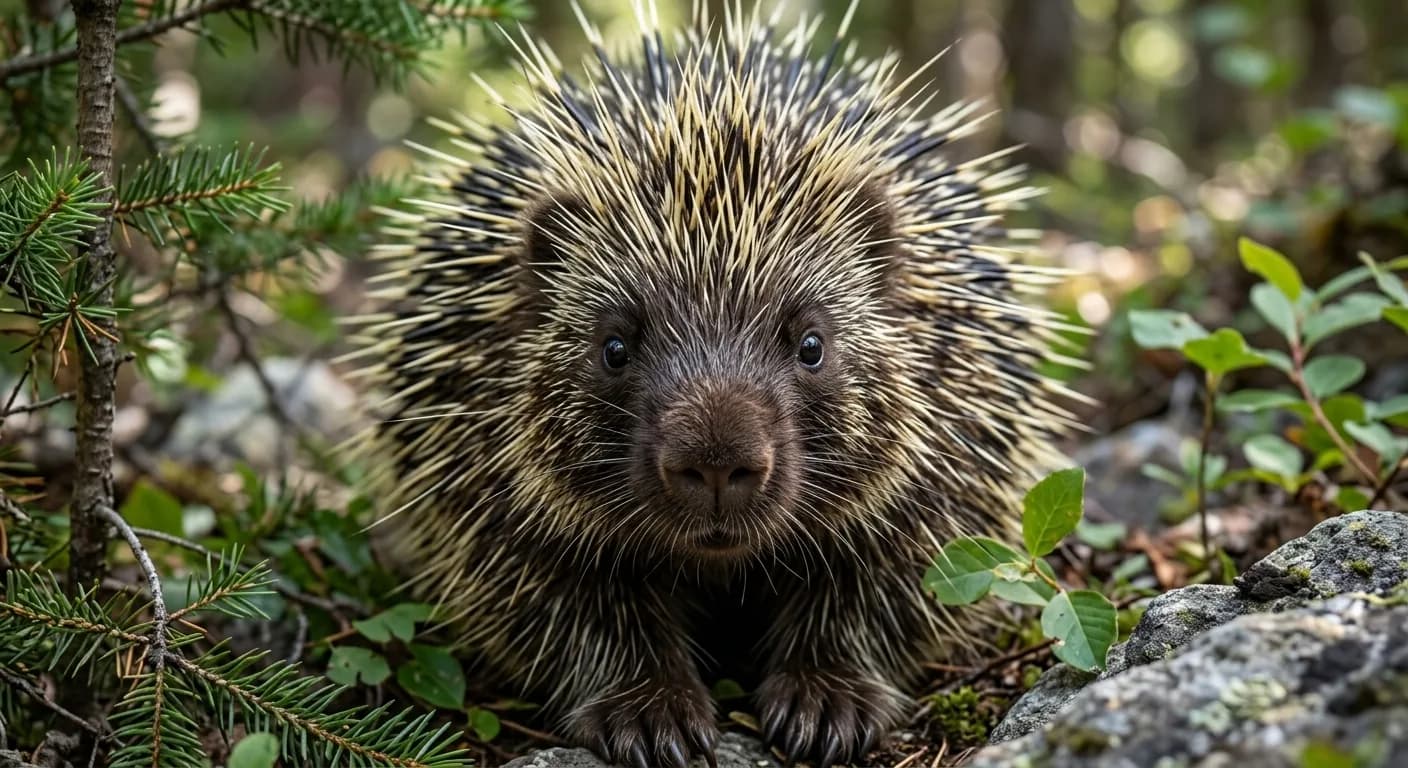
North American PorcupineLeast Concern

North American Porcupine

Erethizon dorsatum

Least Concern

Ord's Kangaroo Rat

Dipodomys ordii

CountriesUnited States
ParksYellowstone National ParkUnited States
TagsHerbivore
Herbivore
Nocturnal
Solitary
Temperate forest
Desert
Mountain
Mammal
United States
Canada