 Least Concern
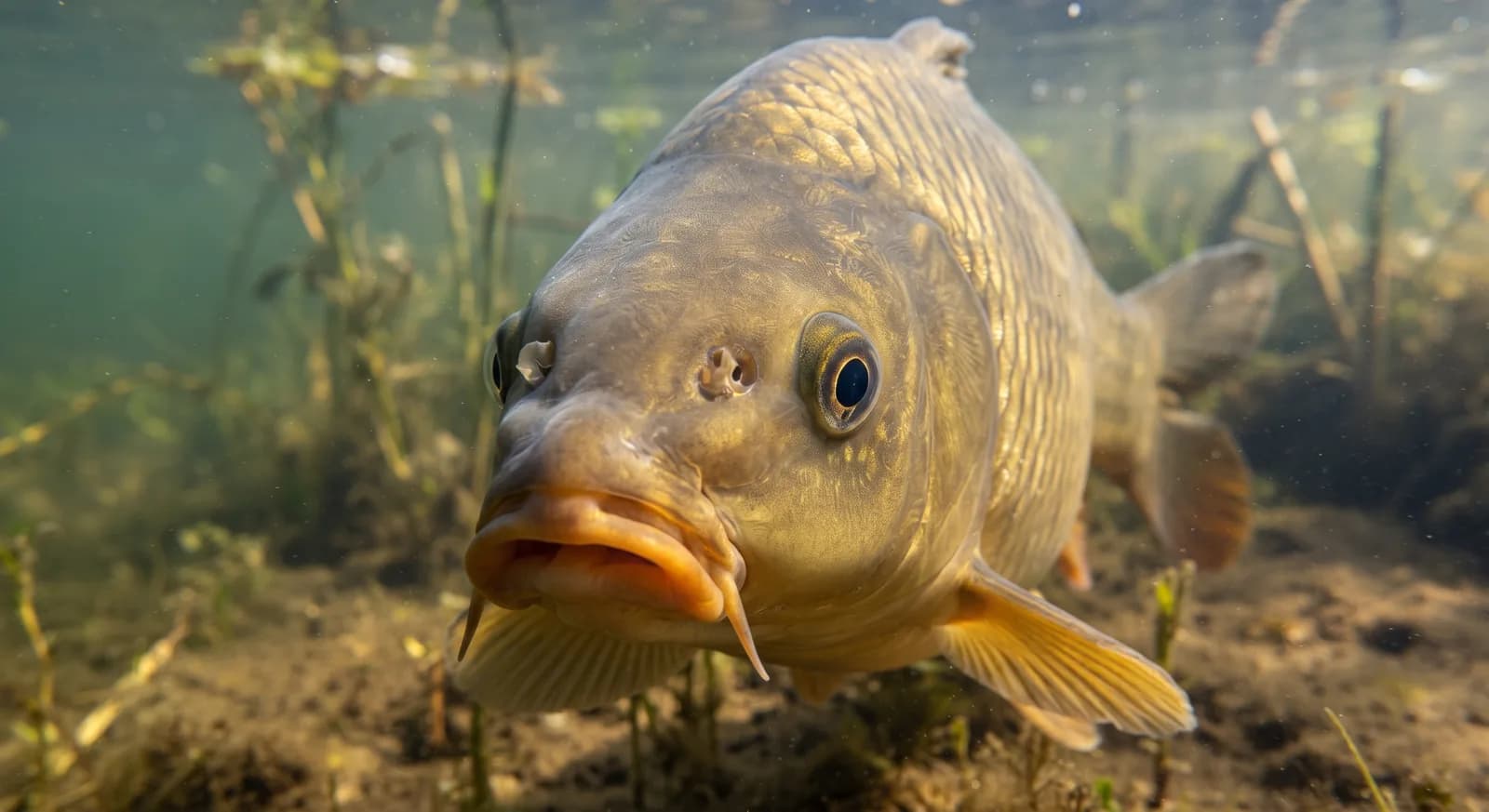
Common Carp
Cyprinus carpio
One of the 11 rats on WAnimals
Mammals · Rodentia · Cricetidae
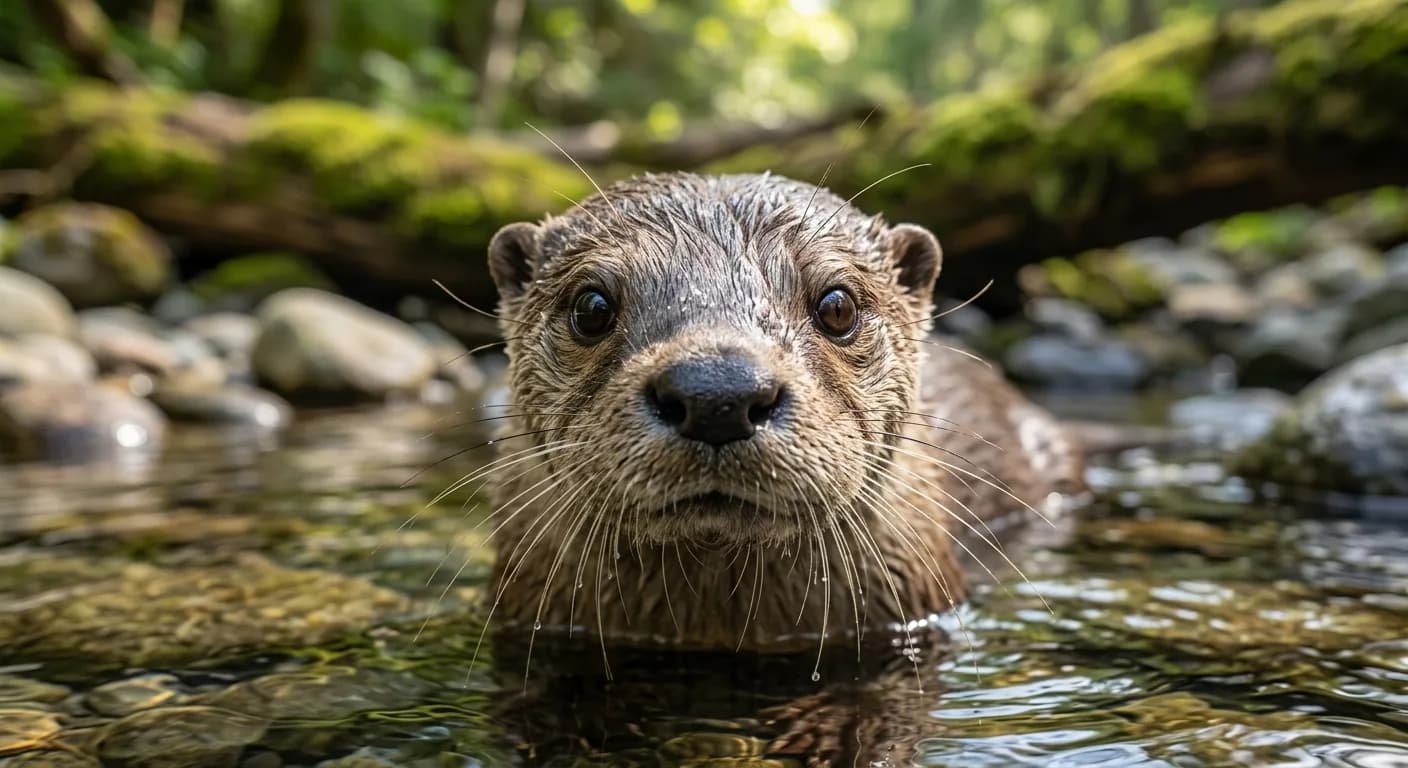
Ondatra zibethicus
The species is abundant and widely distributed; it faces no significant short-term risk.
Despite its name and appearance it is not closely related to the true rats but is the largest member of the vole and lemming subfamily. Its populations follow boom-and-bust cycles every 6 to 10 years.
Weight
600 g – 2 kg
Size
23 cm – 36 cm
Life expectancy
1 year
Diet
Omnivore
Combines animal and plant food depending on availability.
Activity
Irregular activity
Active at irregular times, by day or night depending on circumstances.
Social structure
Family group
Lives in small family groups with close bonds.
Sighting difficulty
Easy
Sources consulted: Animal Diversity Web; AnAge; Henry L. Ferguson Museum; Nevada Dept. of Wildlife; Mammal Age; Wikipedia; Animalia.bio; US Forest Service; Encyclopedia of Puget Sound
Best time: All year round, at dawn and dusk, in channels, lagoons and rivers; its 'lodges' of vegetation are very obvious in winter.
Parks and dive sites where this species has been documented — showing 14 of 64.
Other species in the catalogue with the most in common with Common Muskrat — same habitat, park, country, tags or family.
Based on what we already know about common muskrat.
Share an experience, a fun fact or a tip for seeing the common muskrat.
Be the first to comment.
The pins mark the parks and dive sites where its presence is documented.