 Critically Endangered
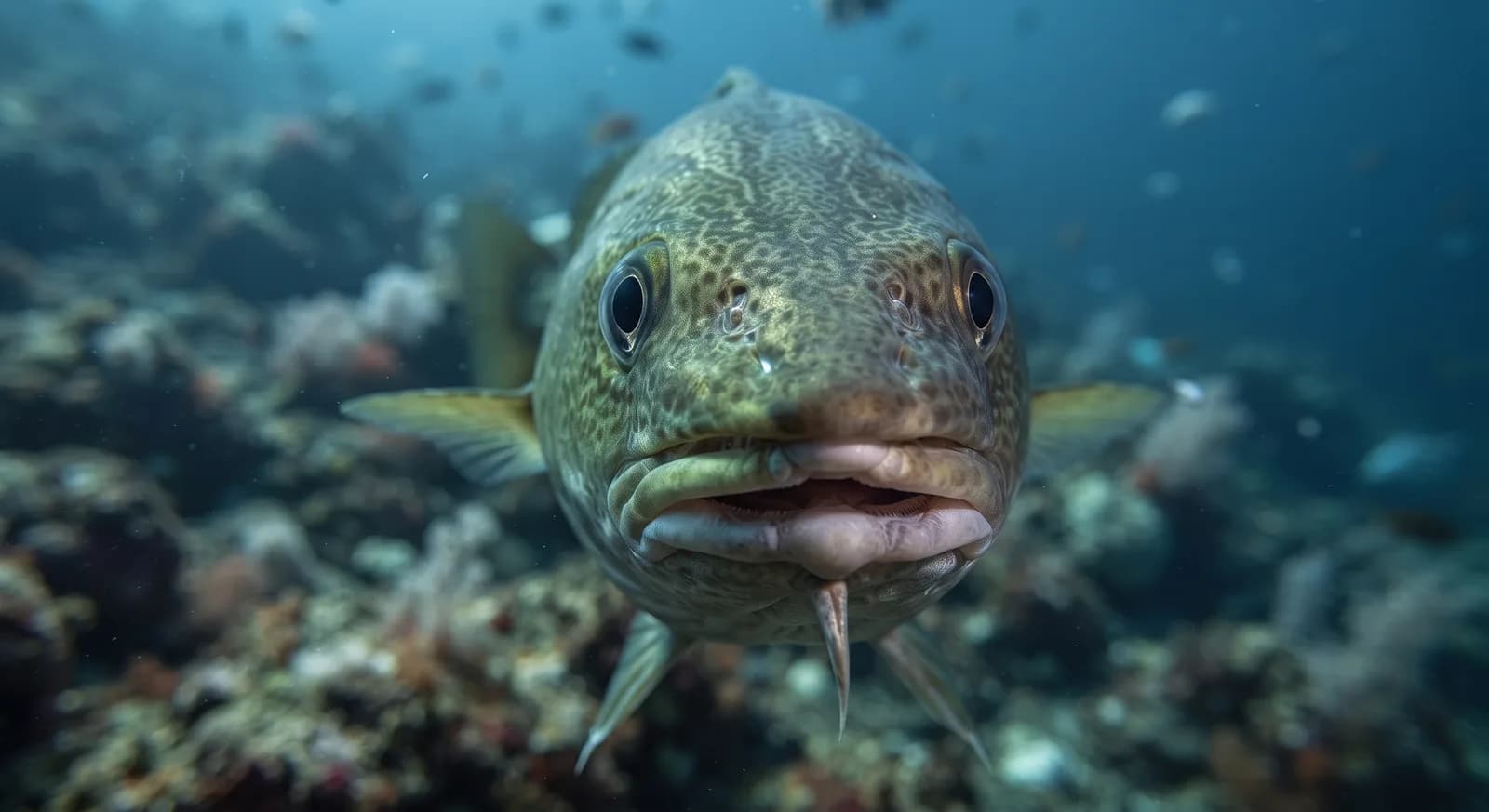
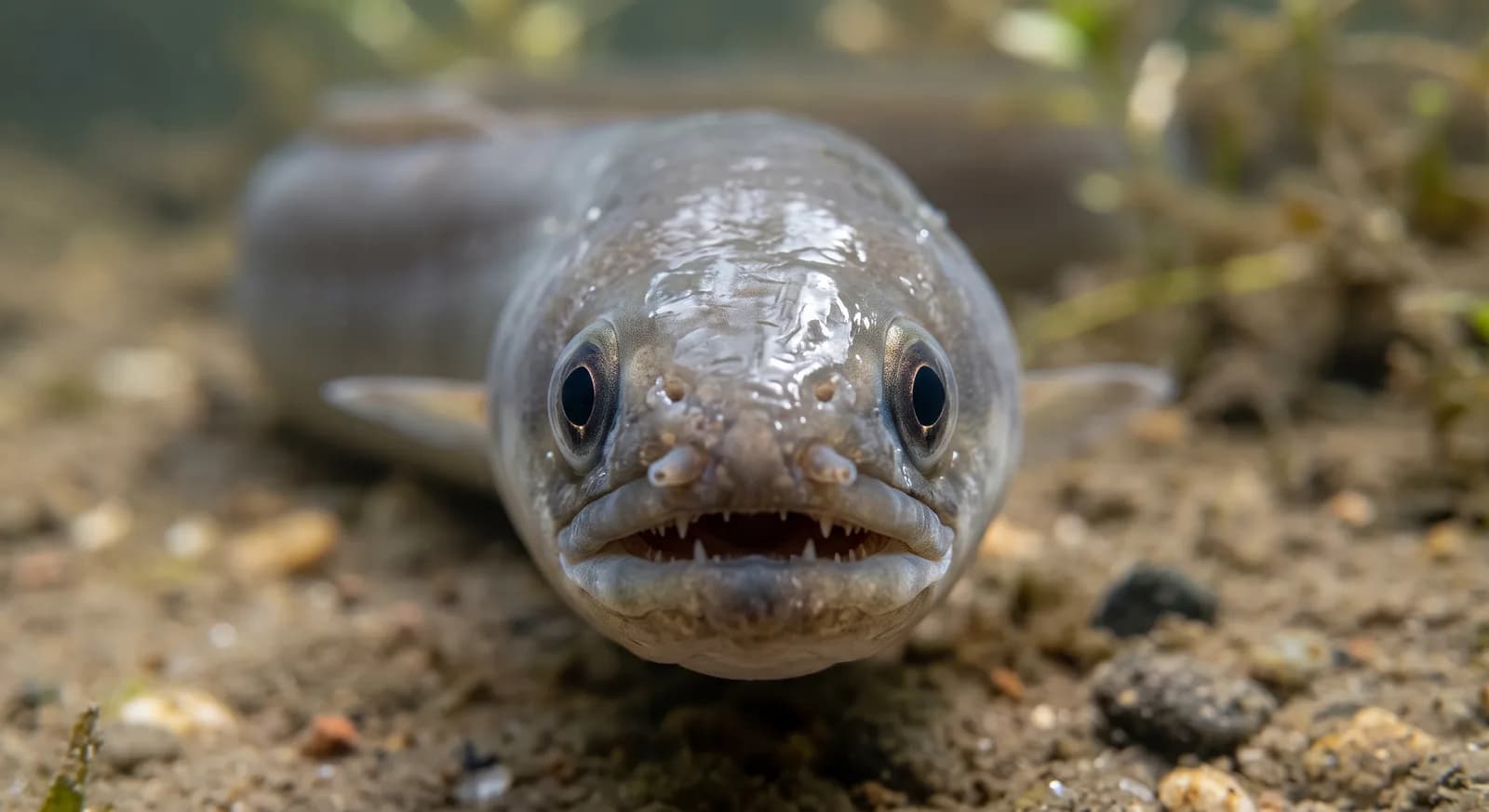
European Eel
Anguilla anguilla
Europe
Lithuania is the most southerly and most agricultural of the Baltic states, yet it keeps great wetlands and an exceptional coastline. The Curonian Spit, a tongue of sand almost a hundred kilometres long shared with Russia, is a World Heritage Site and one of the most impressive shifting dune formations in Europe, stabilised with pine plantations after centuries of deforestation. At its base, Cape Ventė has been home since 1929 to one of the oldest bird-ringing stations on the continent, sited exactly where the Baltic migratory corridor narrows. The Curonian Lagoon and the Nemunas delta form a wetland of flood meadows and reedbeds with spoonbills, herons and tens of thousands of wildfowl. Inland, Aukštaitija and Dzūkija add glacial lakes, pinewoods on sand and peat bogs with moose, wolves and beavers.
National animal: The white stork, national bird since 1973
Lithuania has one of the highest densities of white stork in the world, with more than thirteen thousand pairs spread across its villages and fields, often on poles put up by the residents themselves. The species was declared the national bird in 1973 and the country celebrates Stork Day every 25 April, which in popular tradition marks the real beginning of spring.
Žuvintas, protected since 1937, is the country's oldest reserve and a leading centre for waterbird monitoring. The dunes of the Curonian Spit need constant maintenance against erosion and tourist pressure.
Cape Ventė between September and October for the migration and the ringing sessions. The Nemunas delta in April during the spring floods. Inland villages between April and August for storks on the nest.
467 species found
Based on what we already know about Lithuania.