- Skeleton type
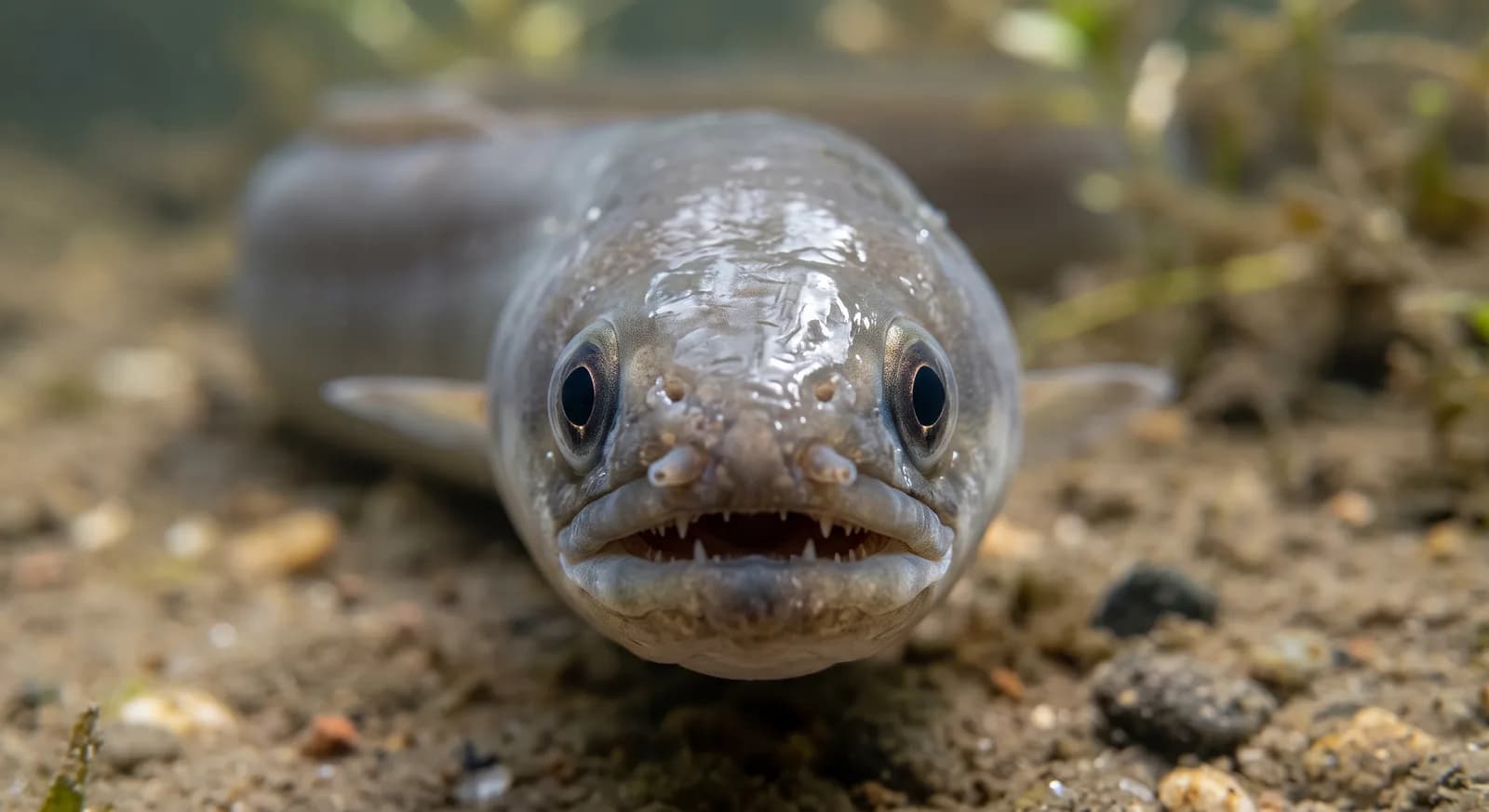
- Vertebrate - bony skeleton (fish)
- Habitat and environment
- Fresh and brackish rivers, lakes and estuaries of Europe and North Africa during its growth phase; it migrates to the Sargasso Sea to breed
- Birth weight
- A transparent leaf-shaped larva (leptocephalus) after hatching in the Sargasso Sea
- Size at birth
- A transparent leptocephalus larva, carried to the coasts of Europe by the Gulf Stream
- Sexual maturity
- Male: 6-12 years | Female: 9-20 years (a highly variable age at maturity)
- Gestation / incubation
- No gestation as such; development takes place externally at sea after fertilisation (poorly documented in the wild)
- Litter / clutch size
- 2 to 10 million eggs per female (roughly 3 million per kg of body weight)
- Life expectancy in captivity
- Documented record of 85-88 years in an aquarium specimen, which was kept in captivity and so could never migrate and breed