Skip to content
WAnimals
  • Map
  • Species
  • Parks
  • Diving
Log inCreate account
WAnimals

The guide for travellers and animal lovers: discover, plan and share your wild adventures around the world.

Discover wildlife

  • Species
  • Ecosystems
  • Glossary
  • Tags

Explore places

  • Map
  • Countries
  • Parks
  • Diving

Plan experiences

  • Guides

Learn

  • Blog

Resources

  • Help centre
  • Contact
  • Install the app

Follow us

Account

  • Log in
  • Create account

© 2026 WAnimals. All rights reserved.

About usHow we build our profilesTerms of servicePrivacyLegal notice
MapSpeciesParksDiving
  1. Home
  2. countries
  3. Hungary

Hungary

Europe

420

Documented species

10

Parks and reserves

1

Dive sites

Hungary is the heart of the Pannonian plain, a continental basin closed off by the Carpathians that keeps the largest fragment of steppe left in central Europe. The puszta of Hortobágy, the country's first national park and a World Heritage Site, is a sea of saline grassland and shallow lagoons maintained for centuries by the extensive grazing of spiral-horned Racka sheep and Hungarian grey cattle. That open landscape supports great bustards, Montagu's harriers and a notable density of steppe raptors, including the eastern imperial eagle. Lake Balaton and its adjoining Kis-Balaton wetland act as a natural filter and as a refuge for herons, spoonbills and ospreys. To the north, the Bükk and Aggtelek mountains add beech woods and a karst system of more than two hundred caves shared with Slovakia, with important bat colonies.

Nature in Hungary

National animal: The saker falcon is the national bird, tied to the mythical turul of Hungarian tradition

Did you know?

Every autumn, the grasslands and lagoons of Hortobágy gather one of the largest concentrations of common crane in the world: more than a hundred thousand birds stop over there on their journey south, feeding on maize stubble by day and pouring in to roost on the lagoons at dusk. The din of their calls at dawn can be heard several kilometres away.

Biodiversity profile

Conservation

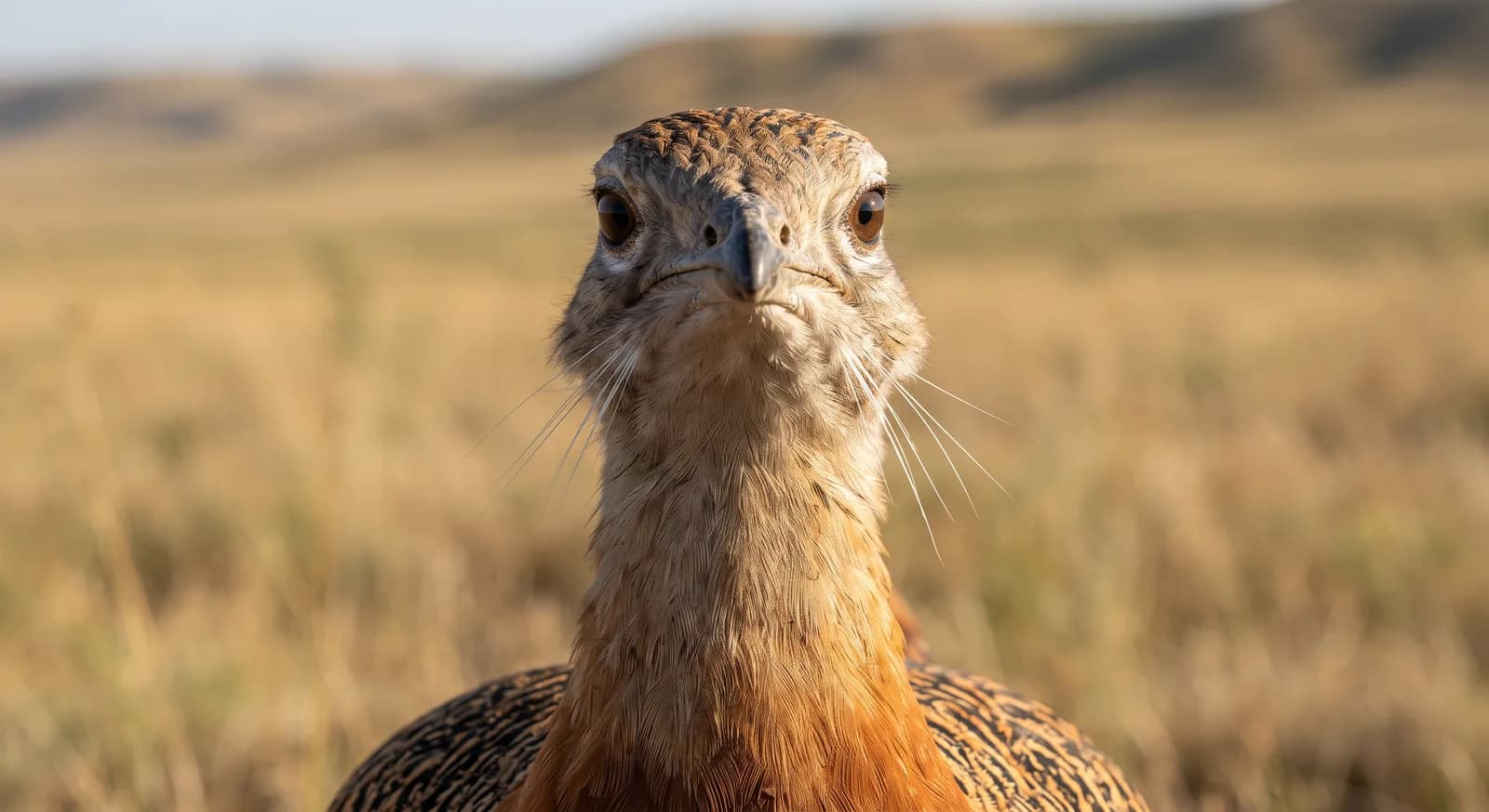
Hungary keeps one of the largest great bustard populations in the European Union thanks to agreements with farmers and the burying of power lines. The Hungarian meadow viper is one of the most endangered reptiles in Europe and has a breeding centre of its own.

Where and when to watch wildlife

Hortobágy in October and November for the mass arrival of cranes at the roost. Kiskunság in spring for great bustards displaying. Kis-Balaton in summer for herons and spoonbills.

Natural phenomena in Hungary

  • The Blooming of the Tisza: mass mayfly emergence — Mid to late June (in some years from late May)

Parks and reserves

National Park

Aggtelek

The first Hungarian national park created to protect a karst, with more than 1,200 caves and Baradla as its jewel.

See park
National Park

Fertő-Hanság

The largest saline lake in central Europe, shared with Austria and inscribed by UNESCO as a cultural landscape.

See park
National Park

Hortobágy National Park

The largest stretch of natural steppe (puszta) in Europe, with a herding and pastoral tradition centuries old.

See park
National Park

Duna-Dráva

The riparian forests of the Danube and the Drava, the core zone of the first five-country biosphere reserve in the world.

See park
National Park

Duna-Ipoly

The Danube Bend and the Pilis and Börzsöny mountains, on the doorstep of Budapest.

See park
National Park

Kiskunság

The puszta of Little Cumania, a park made up of seven separate units between the Danube and the Tisza.

See park
National Park

Balaton-felvidék

The Balaton uplands, with isolated volcanic cones, geyserite and the Little Balaton wetland.

See park
National Park

Bükk

Hungary's most extensive karst plateau, covered in beech forest and riddled with caves holding Palaeolithic sites.

See park
National Park

Körös-Maros

Alkaline grasslands and steppe remnants of the Great Plain, one of the last refuges of the great bustard in Hungary.

See park
National Park

Őrség

A landscape of scattered hamlets and woodland in the south-western corner of Hungary, little altered by its border status.

See park

Diving and snorkelling

Underwater thermal cave

Molnár János Cave

A flooded thermokarst system beneath a residential district of Budapest, with more than 5.5 km of surveyed passage and sections reaching 100 m deep. It is one of the largest active thermal water caves in the world and one of the very few open to certified cave divers. In 2008 a lake was located inside it with a main chamber some 86 m long, 27 wide and 15 high.

See dive site

Similar countries

Where else might I want to travel?

Romania

Same region: Eastern Europe

Poland

Same region: Eastern Europe

Belarus

Same region: Eastern Europe

Ukraine

Same region: Eastern Europe

Species documented in Hungary

Filter
Class
Family
Habitat
Diet
Conservation

420 species found

Related guides

  • Threatened species of Hungary11 species

Keep exploring

Based on what we already know about Hungary.
ParkAggtelekDivingMolnár János Cave

Explore on the map

Interactive map

This page in other languages: Español · Deutsch · Français · Português · Italiano
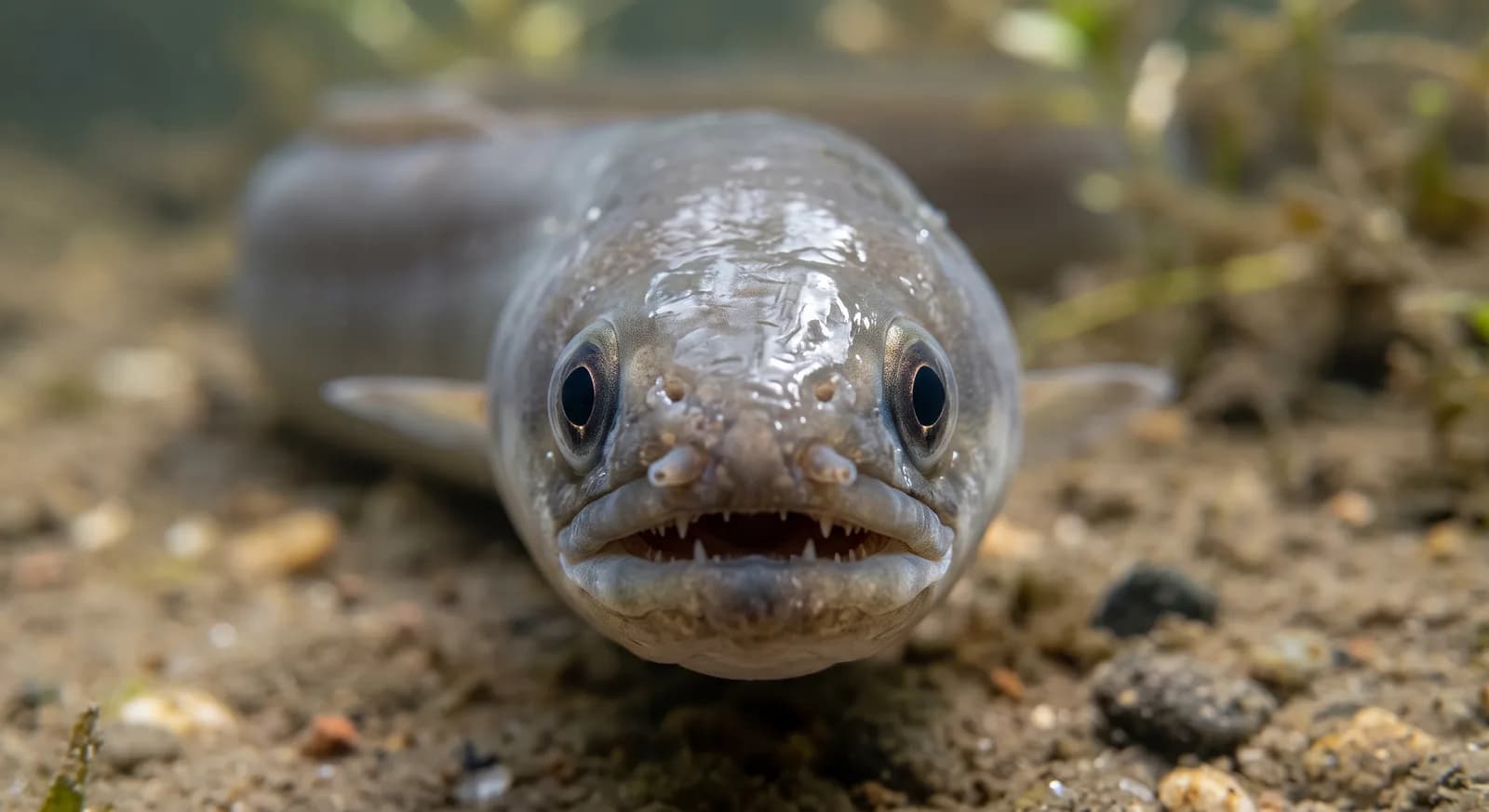
European EelCritically Endangered

European Eel

Anguilla anguilla

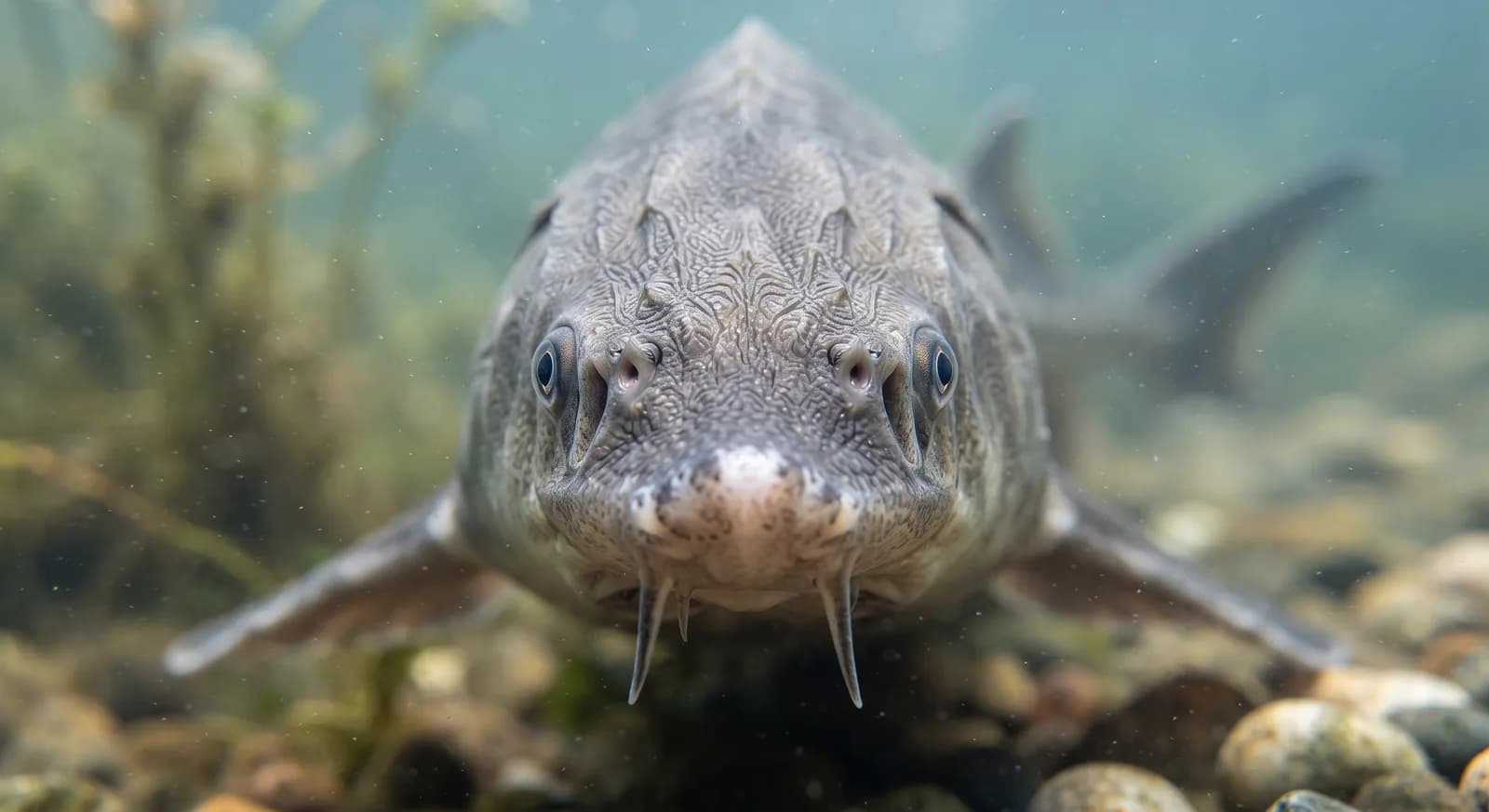
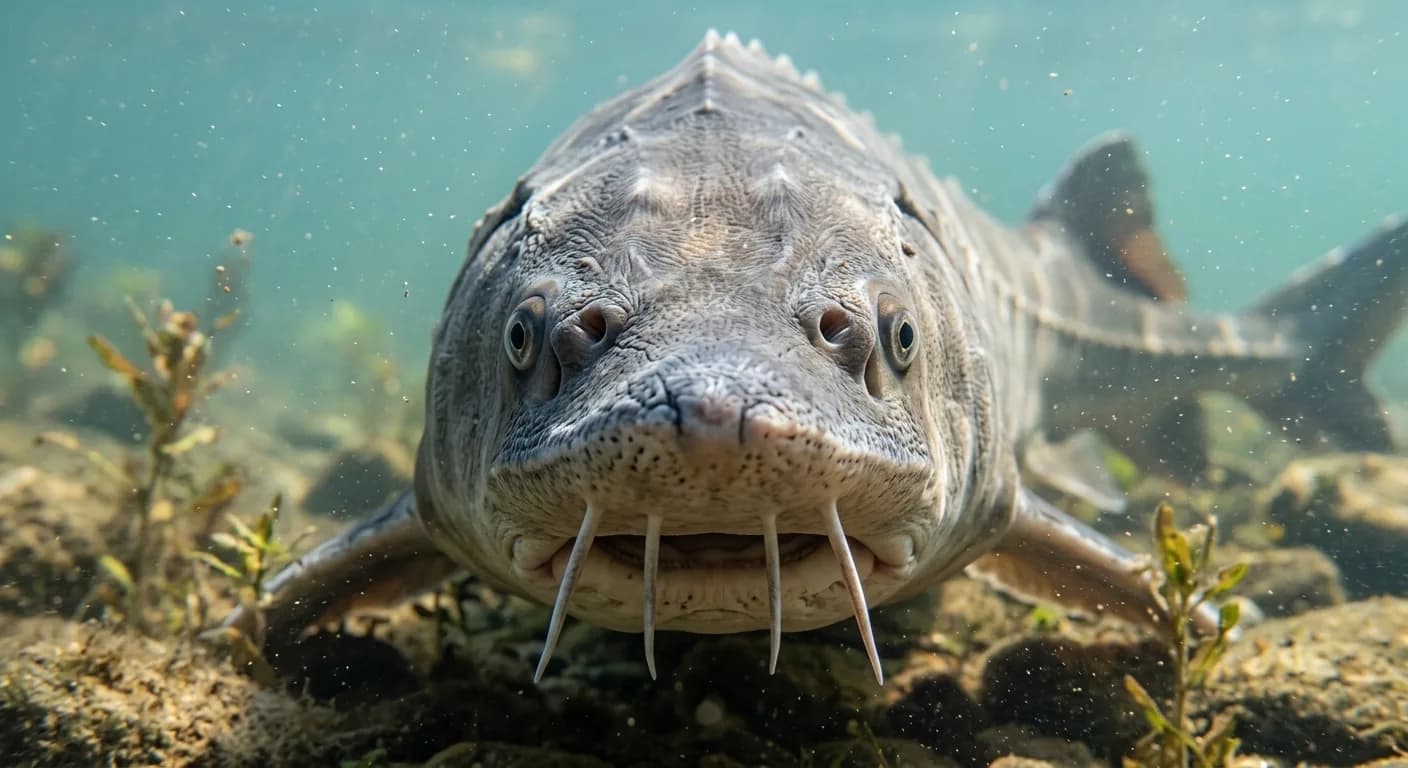
Beluga SturgeonCritically Endangered

Beluga Sturgeon

Huso huso

SturgeonCritically Endangered

Sturgeon

Acipenser sturio

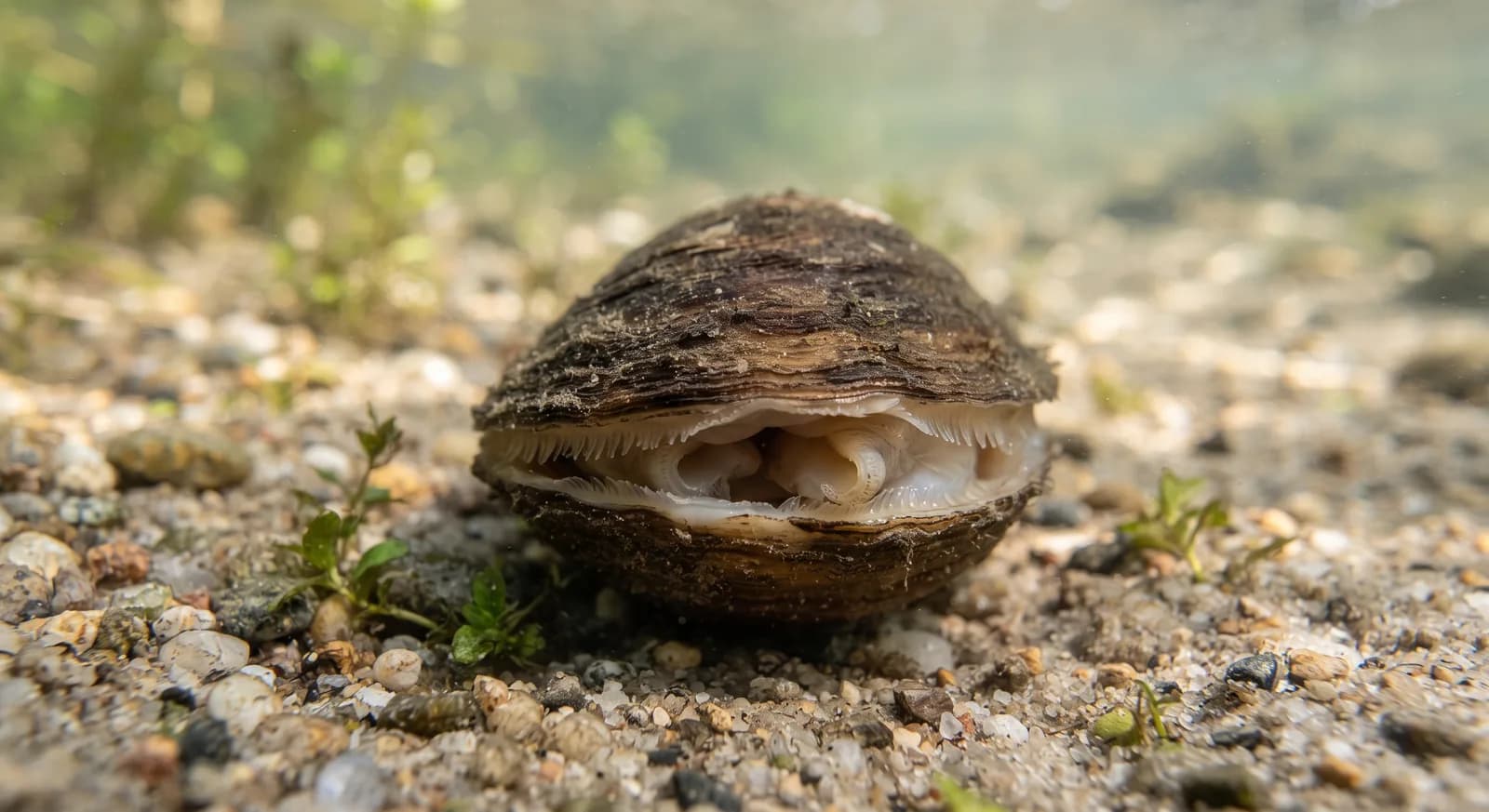
Freshwater Pearl MusselEndangered

Freshwater Pearl Mussel

Margaritifera margaritifera

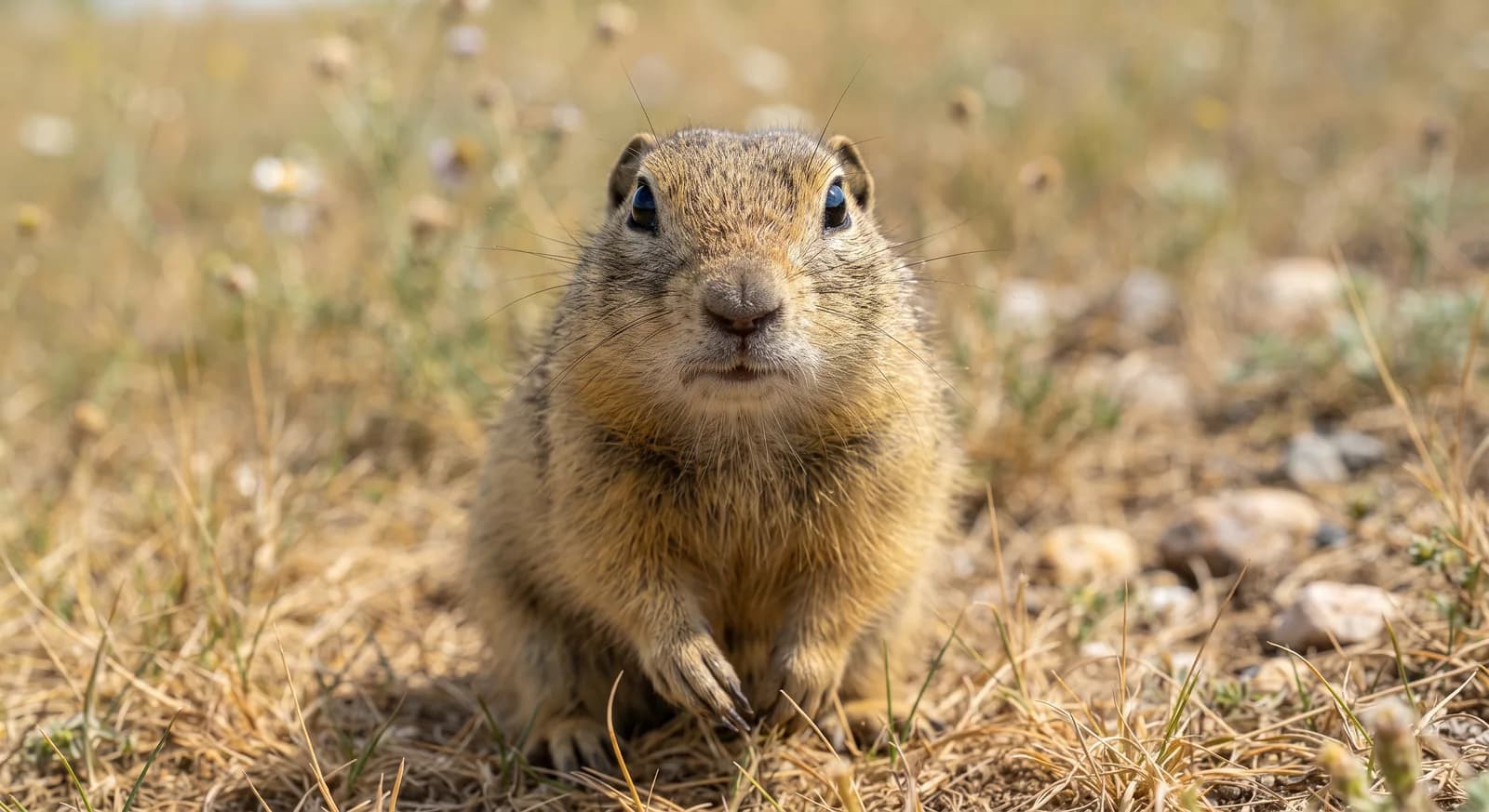
European Ground SquirrelEndangered

European Ground Squirrel

Spermophilus citellus

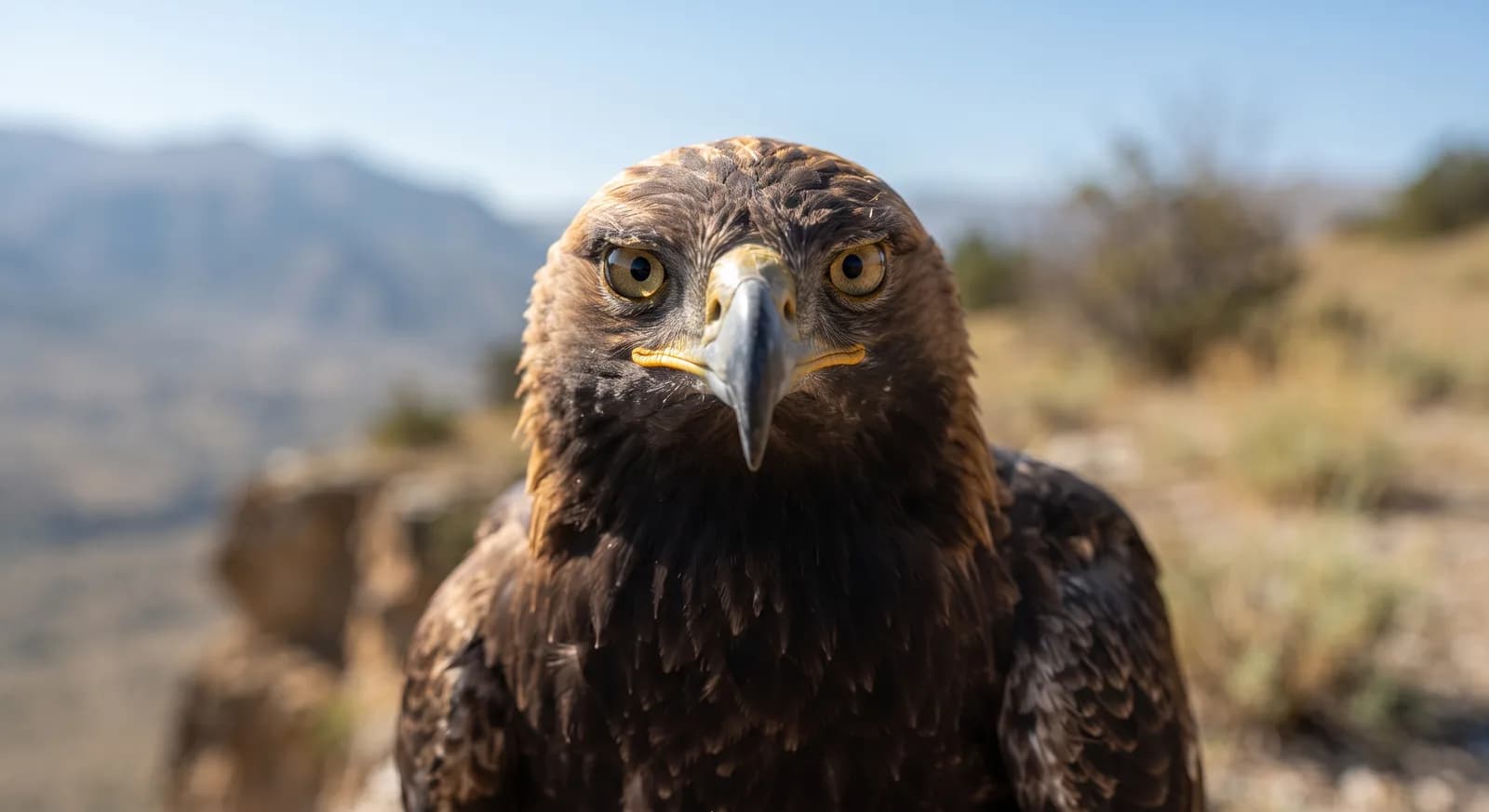
Eastern Imperial EagleVulnerable

Eastern Imperial Eagle

Aquila heliaca

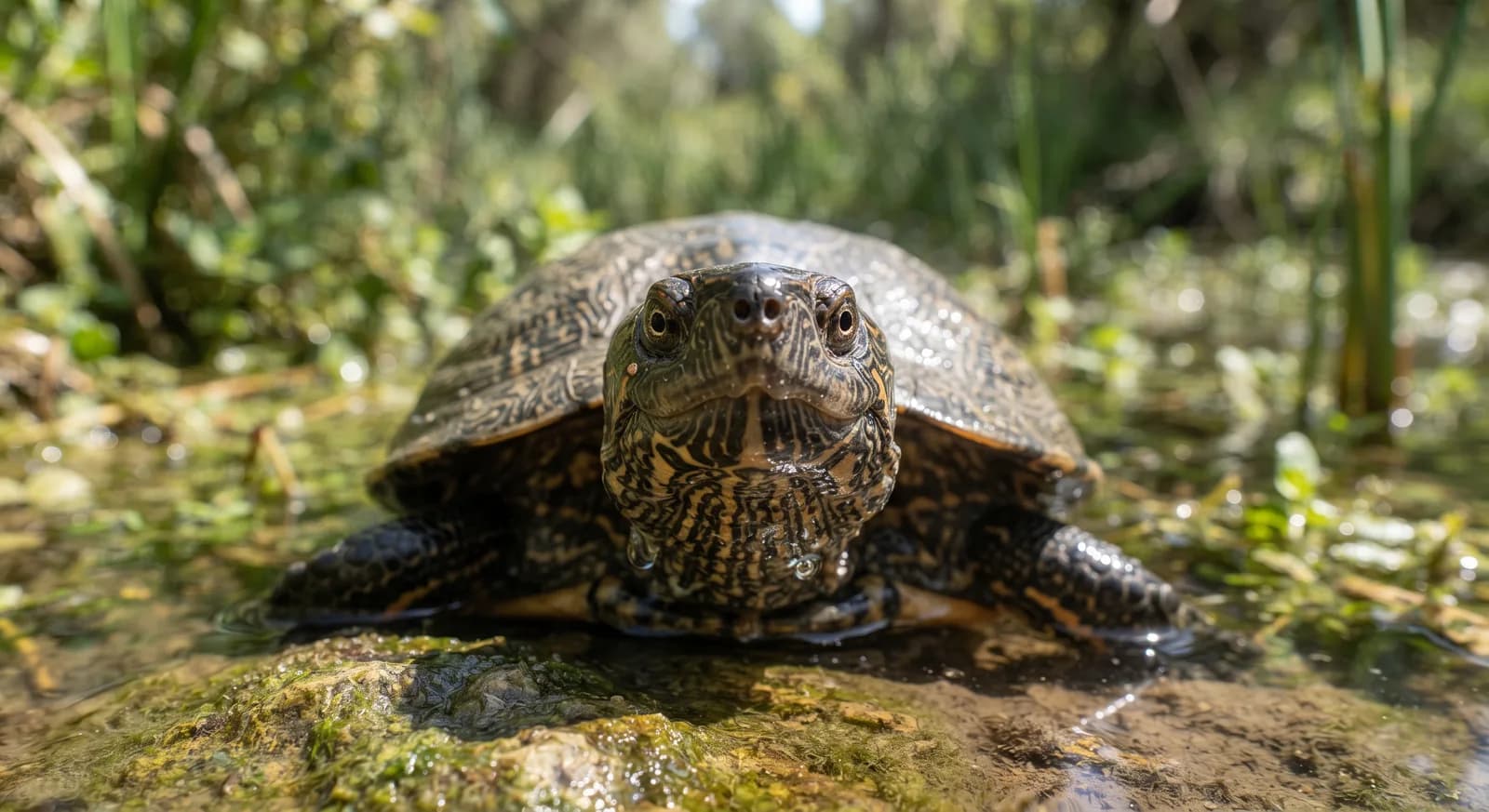
Spanish TerrapinVulnerable

Spanish Terrapin

Mauremys leprosa

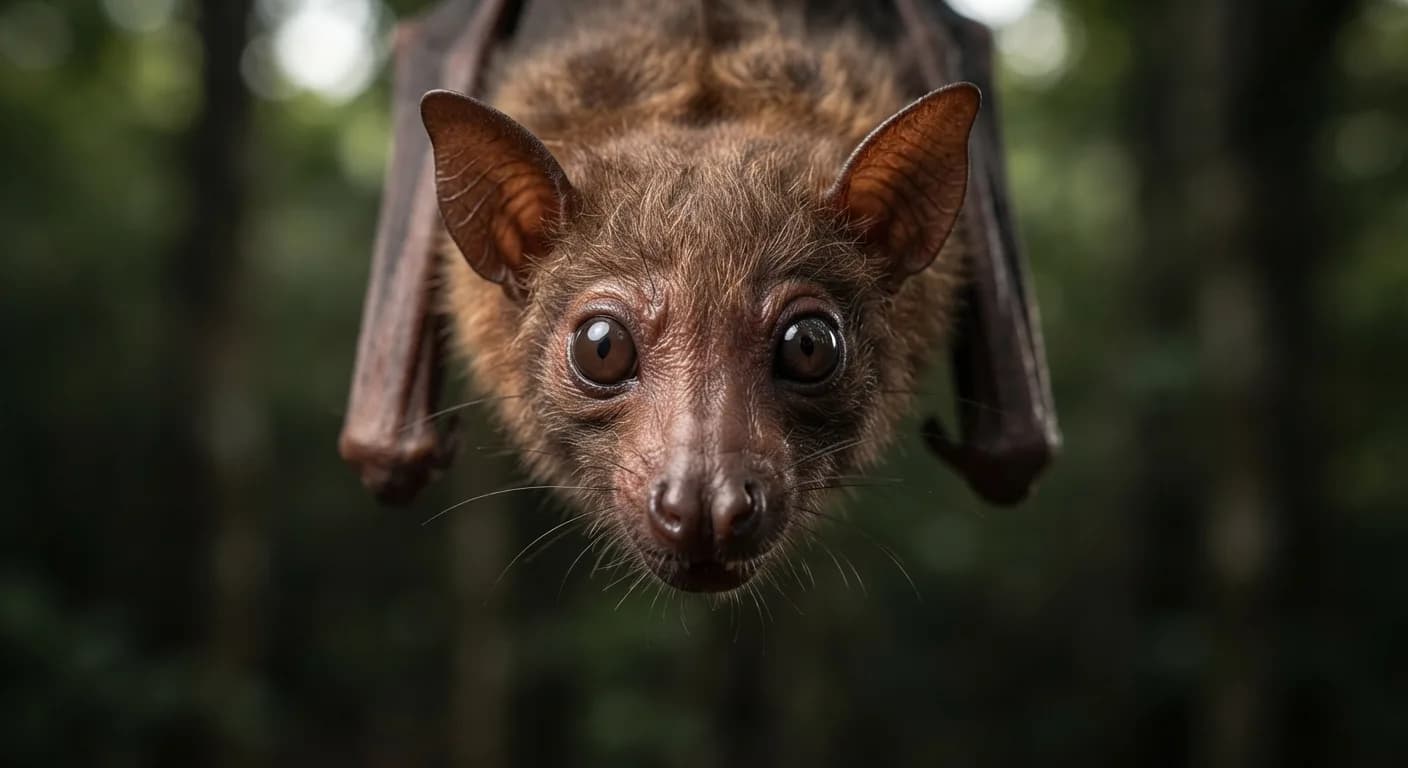
Giant NoctuleVulnerable

Giant Noctule

Nyctalus lasiopterus

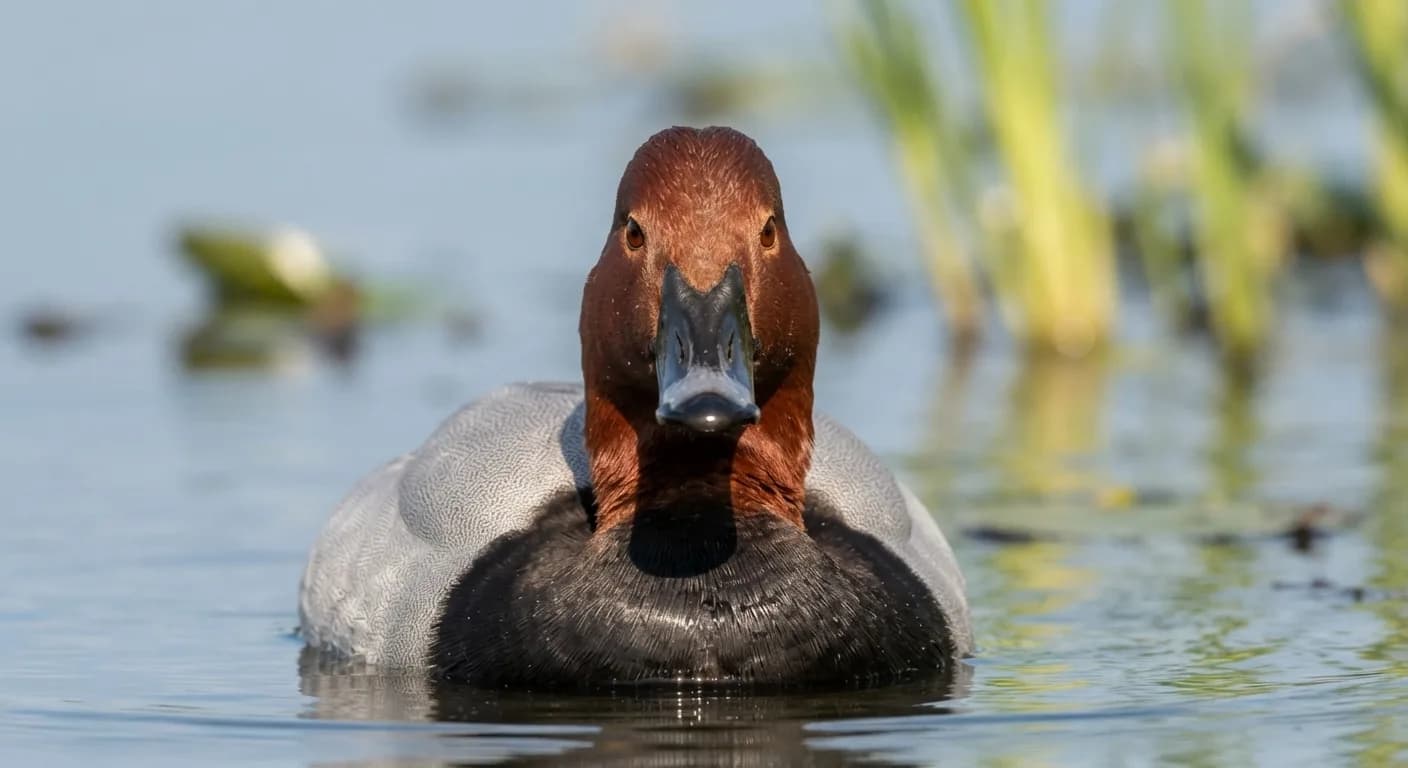
Common PochardVulnerable

Common Pochard

Aythya ferina

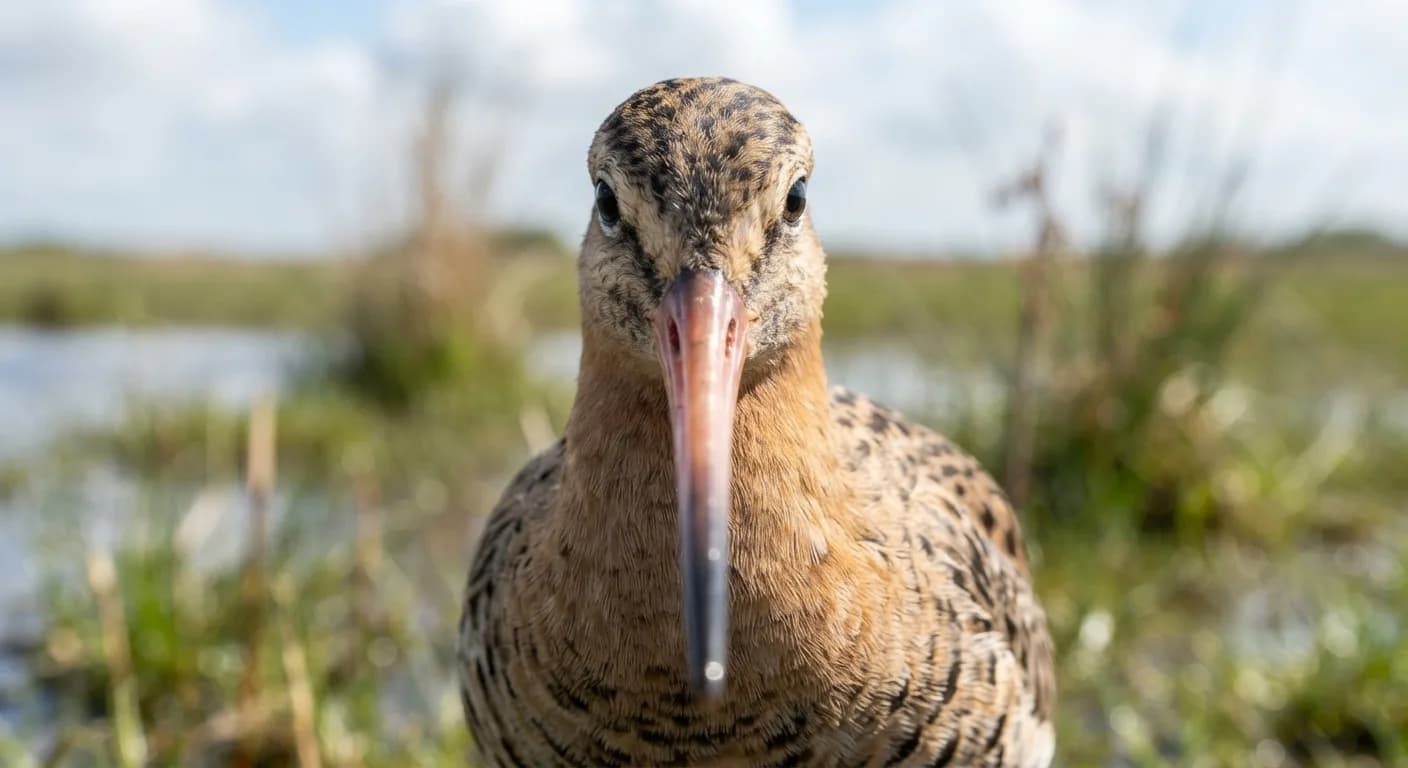
Black-tailed GodwitNear Threatened

Black-tailed Godwit

Limosa limosa

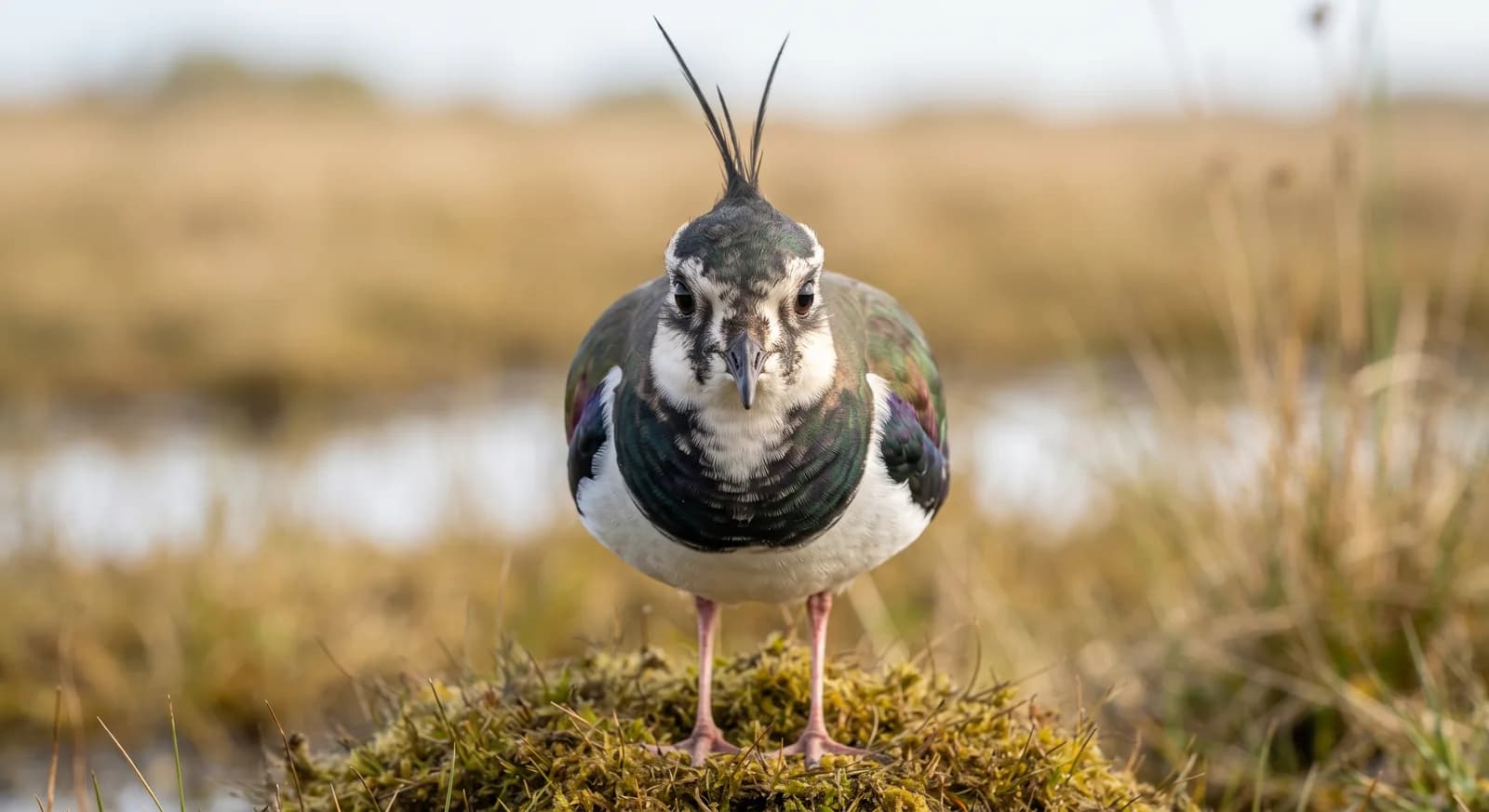
Northern LapwingNear Threatened

Northern Lapwing

Vanellus vanellus

Great BustardNear Threatened

Great Bustard

Otis tarda

Page 1 of 35
Mountain
Grassland
Freshwater