 Critically Endangered
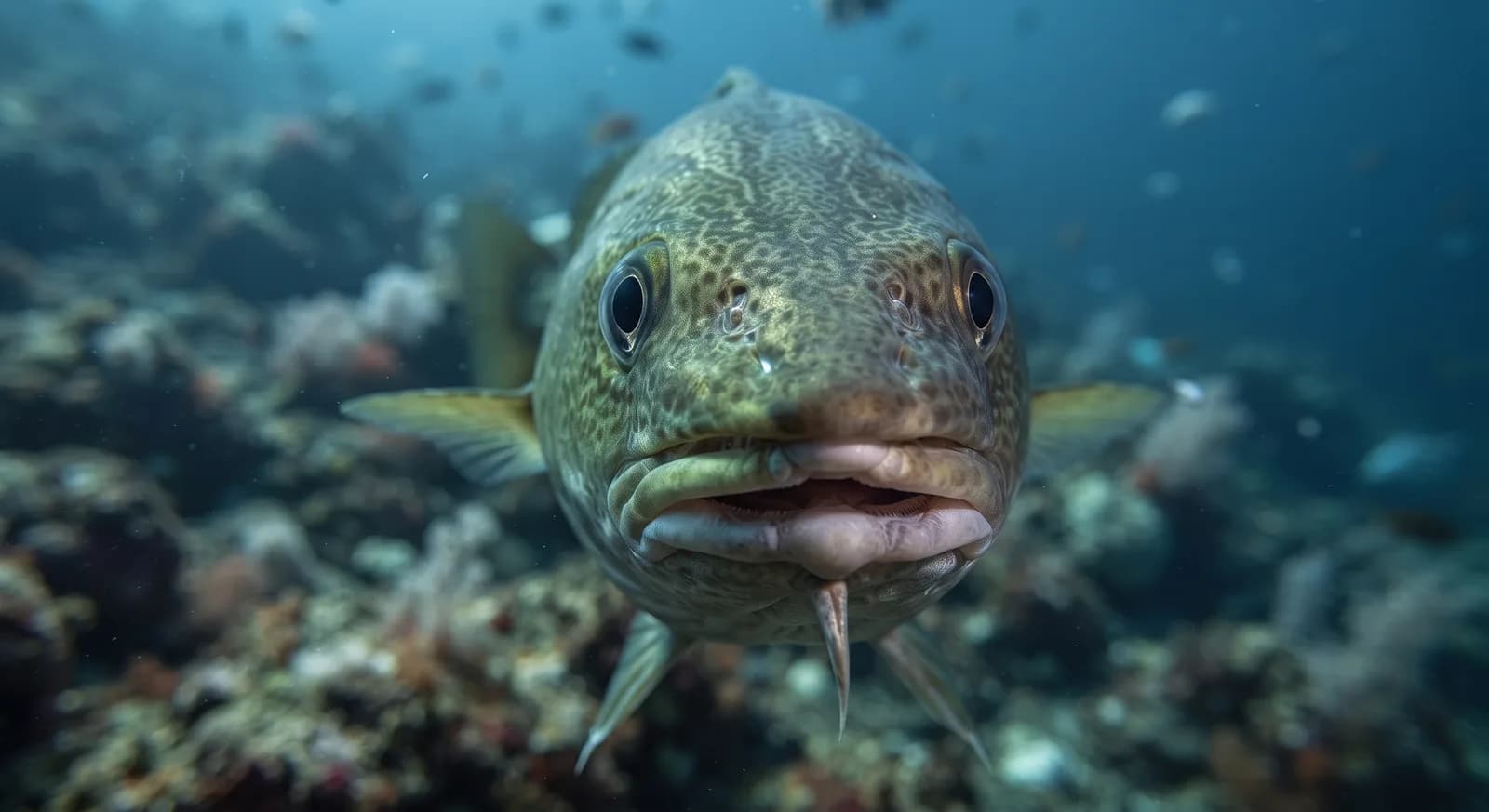
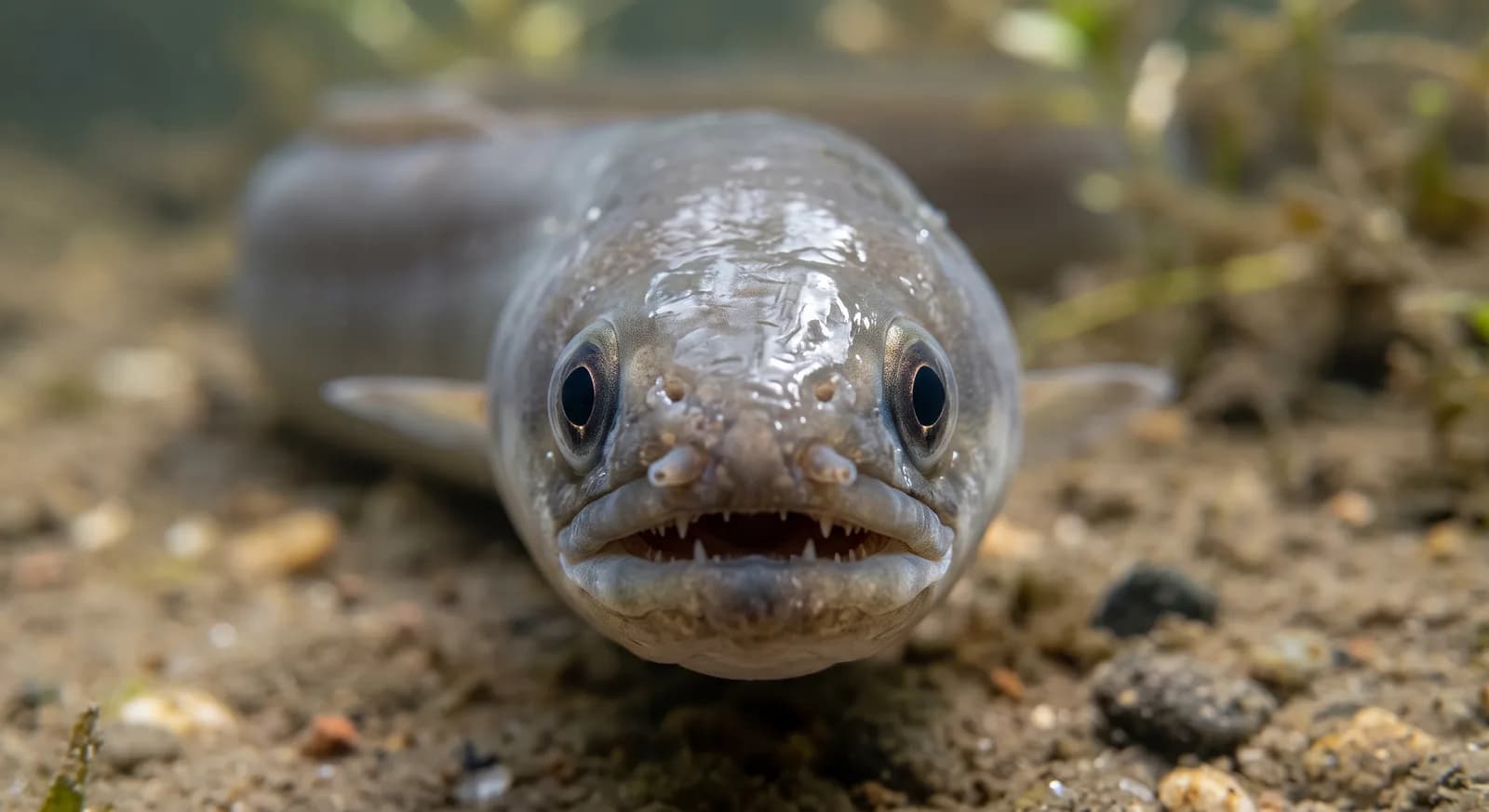
European Eel
Anguilla anguilla
Europe
Poland keeps some of the best-preserved ecosystems on the European plain, starting with the Białowieża forest, the last great fragment of the primeval woodland that covered the continent before agriculture, with trees over five hundred years old and deadwood in quantities that no longer exist anywhere else in Europe. To the northeast lie the Biebrza marshes, the largest natural wetland in central Europe, with flood meadows where harriers, godwits and the scarce aquatic warbler breed. The Masurian lakes, a glacial inheritance, and the Baltic coast with the shifting dunes of Słowiński complete the north. To the south, the Carpathians and the Tatras add mountain fauna and a solid population of brown bear, wolf and lynx. The country also hosts a very substantial share of the world population of white stork, tied to its traditional farmland mosaic.
National animal: The white eagle is the emblem of the state; the European bison is the de facto national animal
The European bison became extinct in the wild in 1927, when the last wild animal in the Caucasus was shot. The entire species was reduced to a few dozen animals in zoos, and the recovery was built from only twelve founders. The first releases were made in Białowieża, and the several thousand bison living in Europe today descend from that handful of survivors, with Poland as the main global reservoir.
Białowieża has been the scene of a first-order European conflict over logging authorised in its protected zone, halted by the Court of Justice of the EU in 2018. Bieszczady is today one of the best refuges for large carnivores on the continent.
Białowieża in winter, when bison gather in the clearings and snow betrays wolf tracks. Biebrza between April and May for wetland birds. Bieszczady at dawn in autumn for the deer rut and bear sightings.
514 species found
Based on what we already know about Poland.