National Park
Biebrzański
Poland
 Poland
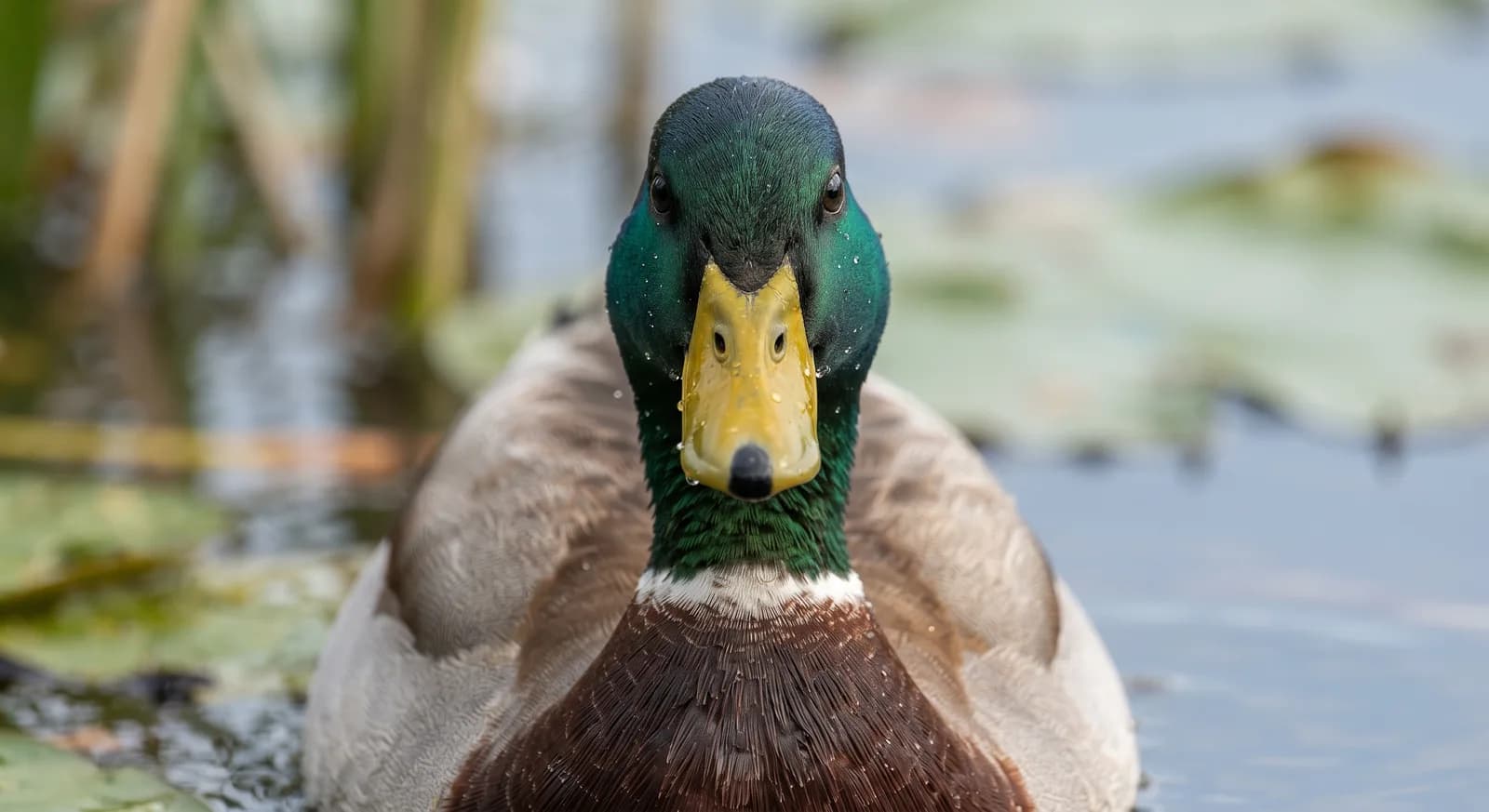
Aquatic Warbler · Moose
See parkPine woods and lobelia lakes on Poland's largest sandur, the core of a biosphere reserve of 319,000 hectares.
Area
48 km²
Designated in
1996
Region
Central Europe
A glacial sandur with pine woods and lobelia lakes
Bory Tucholskie National Park was created in 1996 in northern Poland, at the southern end of historic Pomerania, and protects a fragment of the vast forest region that gives it its name. Its substrate is a sandur, the plain of sand and gravel laid down by the meltwaters of the last ice sheet, which has produced a poor, permeable, sandy ground where Scots pine dominates almost absolutely.
Among the pinewoods are scattered lakes, rivers and mires. The most valuable are the lobelia lakes, bodies of water very poor in nutrients and of transparent water that hold relict plant communities of species such as water lobelia and quillwort, extremely sensitive to eutrophication and very scarce in central Europe. The park also includes the Struga Siedmiu Jezior, the Stream of the Seven Lakes, which links several of these waters in a chain.
The region is a classic destination for Polish water tourism, with a dense network of lakes and rivers — the Brda is the best known — and numerous walking and cycling routes. In 2010 UNESCO designated the Bory Tucholskie Biosphere Reserve, which alongside the national park takes in four landscape parks: Tucholski, Wdecki, Wdzydzki and Zaborski, and which is one of the largest Polish biosphere reserves. The associated fauna includes white-tailed eagle, common crane, beaver and otter, alongside the woodland community typical of the great northern pinewoods.
2 dive sites within 300 km are also shown.
Ecosystems found in Poland, where Bory Tucholskie lies.
Where can I dive near here?
109 km away
273 km away
Which other parks are like this one?
Same country: Poland
Same country: Poland
Same country: Poland
Same country: Poland
Based on what we already know about this park.
Climate
Temperate, Mountain
Threatened:,,,