Skip to content
WAnimals
  • Map
  • Species
  • Parks
  • Diving
Log inCreate account
WAnimals

The guide for travellers and animal lovers: discover, plan and share your wild adventures around the world.

Discover wildlife

  • Species
  • Ecosystems
  • Glossary
  • Tags

Explore places

  • Map
  • Countries
  • Parks
  • Diving

Plan experiences

  • Guides

Learn

  • Blog

Resources

  • Help centre
  • Contact
  • Install the app

Follow us

Account

  • Log in
  • Create account

© 2026 WAnimals. All rights reserved.

About usHow we build our profilesTerms of servicePrivacyLegal notice
MapSpeciesParksDiving
  1. Home
  2. Species
  3. Tawny Mining Bee

One of the 9 bees on WAnimals

Tawny Mining Bee (Andrena fulva)

Insects · Hymenoptera · Andrenidae

Tawny Mining Bee

Andrena fulva

Not Evaluated

It has not yet been assessed against the IUCN criteria.

Spotted something wrong?

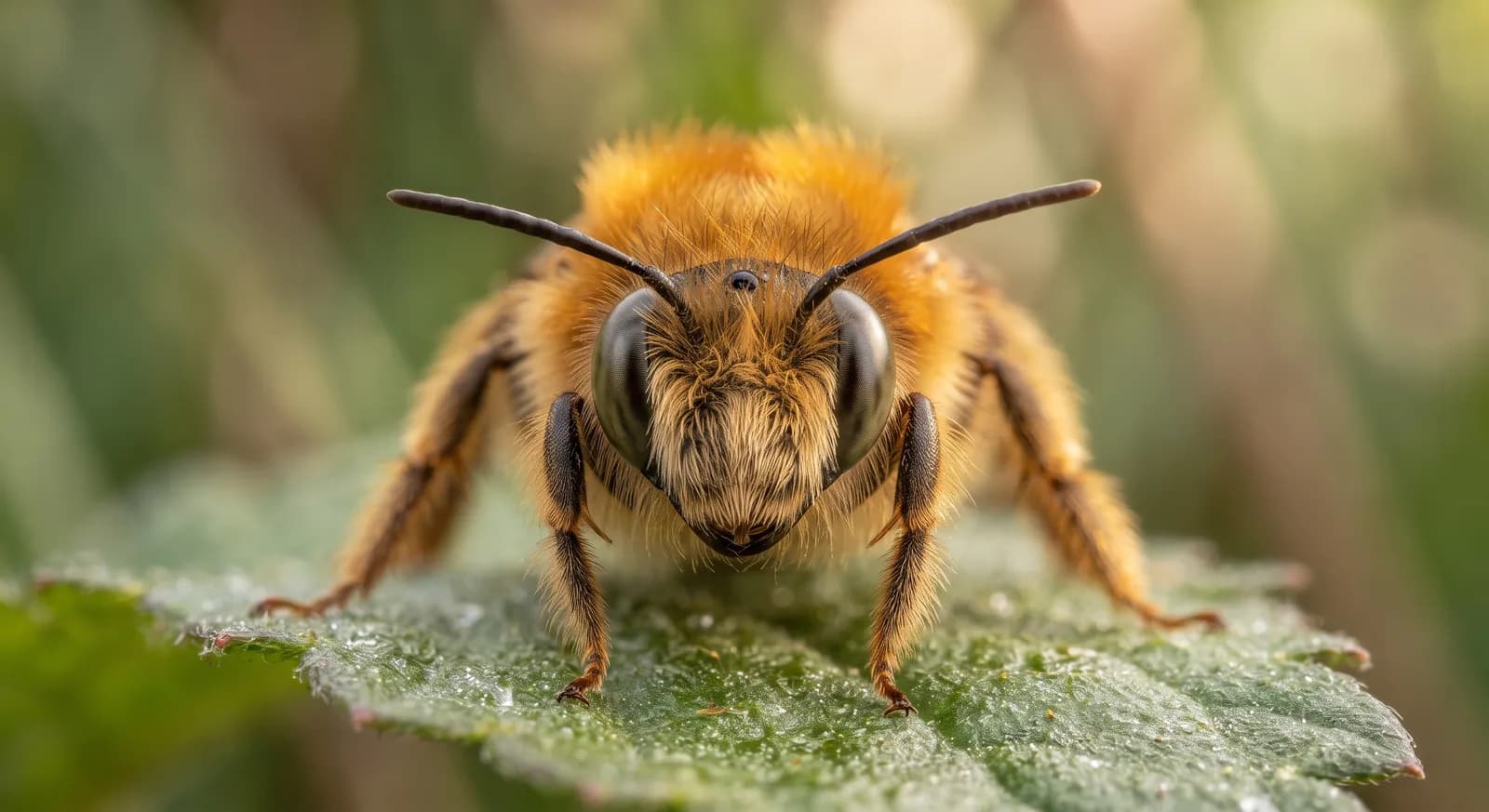
A mining bee whose female is covered in an intense reddish-orange coat, very conspicuous in spring on the flowers of fruit trees and currants. Each female digs her own tunnel in the ground and provisions the cells with pollen, with no workers and no colony.

Size

up to 1.4 cm

Diet

Herbivore

Feeds mainly on plants.

Activity

Diurnal

Active mainly during the day.
Social structure

Solitary

Lives and hunts alone, joining others only to breed.

Sighting difficulty

Unknown

Grassland
40countries139parks

AI-generated images: illustrations, not photographs.

Fun facts

  • Its nests give themselves away by a small mound of fine soil with a central hole in the middle of the lawn, like a miniature volcano.
  • Although dozens of females may nest in the same garden, each works on her own: it is not a social species.
  • It is all but incapable of stinging and is harmless, despite the alarm its furry appearance and sudden spring abundance tend to cause.
  • It is one of Europe's most striking wild bees: the female is covered in a dense coat of intense reddish-orange fur, almost like a miniature fox.
  • It is solitary but gregarious: each female digs and provisions her own nest, but dozens or hundreds of nests can appear together in the same lawn, which sometimes alarms the owners for no reason at all.
  • It is completely harmless: its sting barely pierces human skin and it does not defend the nest.
  • It flies very early, from March to May, and is an important pollinator of early-flowering fruit trees such as apple, pear and currant.
  • The little mounds of earth it leaves in the lawn are its most visible trace, and they disappear on their own within a few weeks once the flight season ends.
  • Its cycle is annual, and the new generation spends the rest of the year underground, as an adult inside its cell, until the following spring.

Life cycle and biology

Skeleton type
Invertebrate - chitin exoskeleton (insect)
Habitat and environment
Lawns, banks and gardens on loose soil in Europe

Sources consulted: Bees, Wasps and Ants Recording Society; Buglife; Falk, Field Guide to the Bees of Great Britain and Ireland

Where to find it

Best time: March to May, coinciding with the flowering of fruit trees and currants

Loading map…

Where to see it

Parks and dive sites where this species has been documented — showing 10 of 139.

Related species

Other species in the catalogue with the most in common with Tawny Mining Bee — same habitat, park, country, tags or family.

Shares a park
Shares a park
Shares a park
Shares a park
Shares a park
Shares a park

Keep exploring

Based on what we already know about tawny mining bee.

Comments

Share an experience, a fun fact or a tip for seeing the tawny mining bee.

Be the first to comment.

See full glossary
This page in other languages: Español · Deutsch · Français · Português · Italiano

The pins mark the parks where its presence is documented.

See its range on the interactive map→
SarekSweden
PadjelantaSweden
HardangerviddaNorway
Lake DistrictUnited Kingdom
CairngormsUnited Kingdom
Snowdonia (Eryri)United Kingdom
KillarneyIreland
Picos de EuropaSpain
Ordesa y Monte PerdidoSpain
Aiguestortes i Estany de Sant MauriciSpain
See all 139 parks
Seven-spotted Lady BeetleNot Evaluated

Seven-spotted Lady Beetle

Coccinella septempunctata

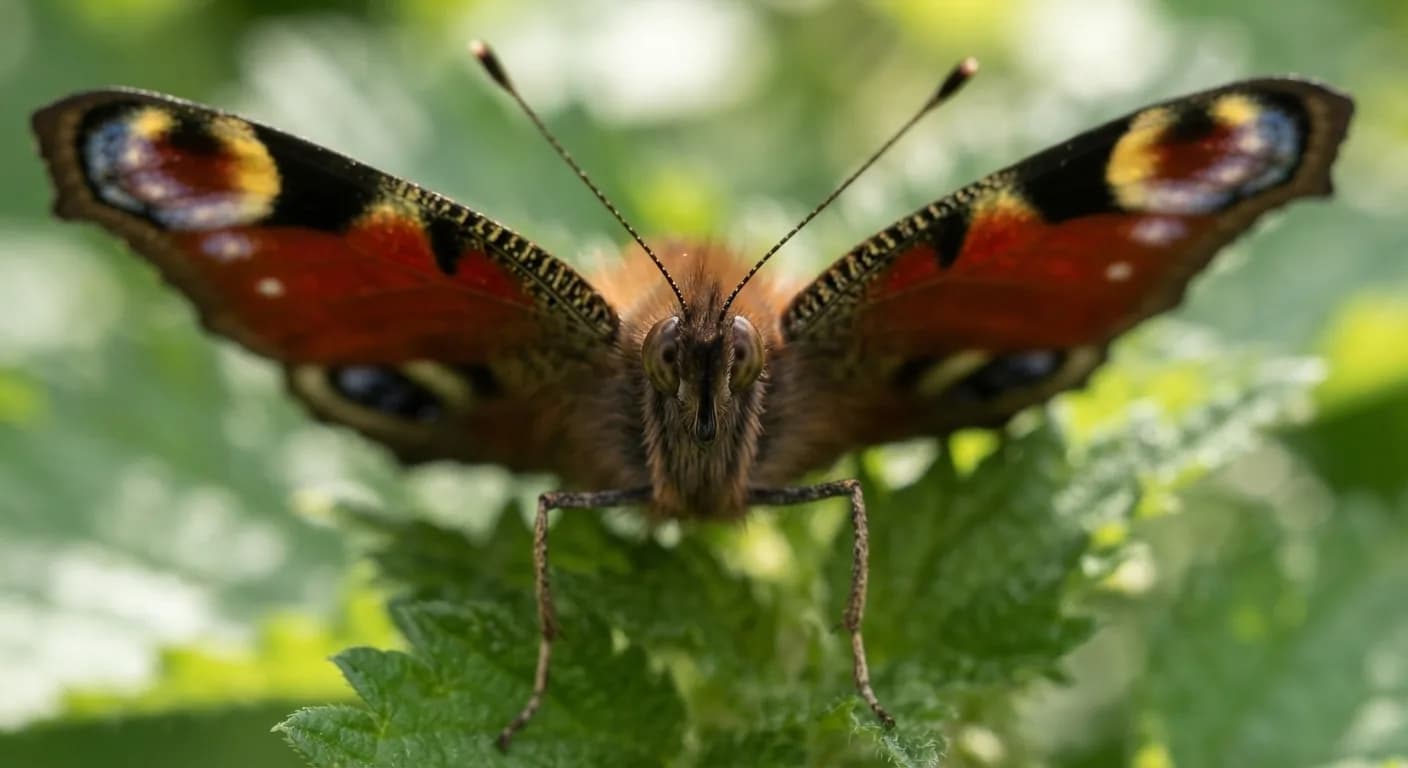
PeacockLeast Concern

Peacock

Aglais io

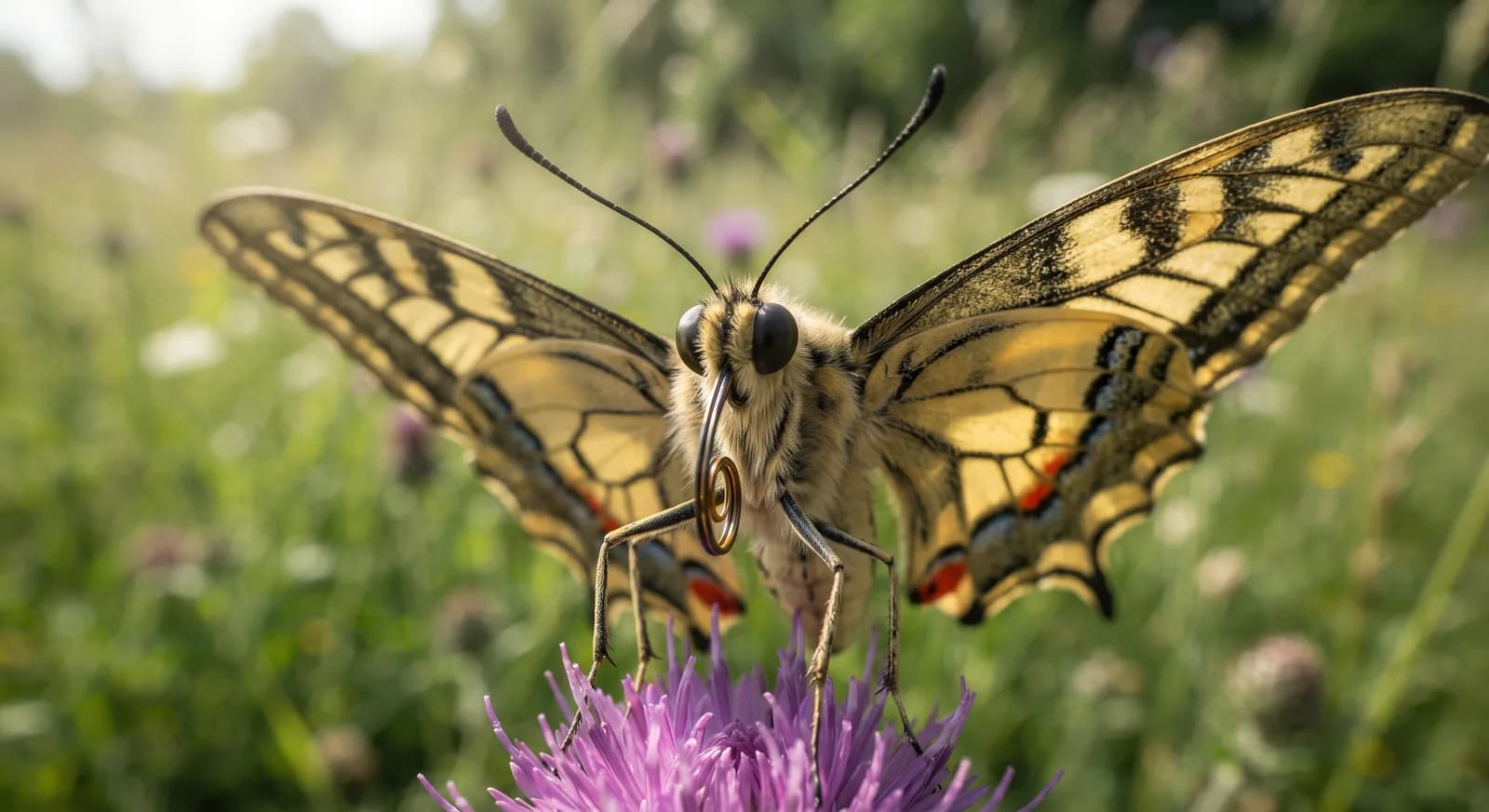
SwallowtailLeast Concern

Swallowtail

Papilio machaon

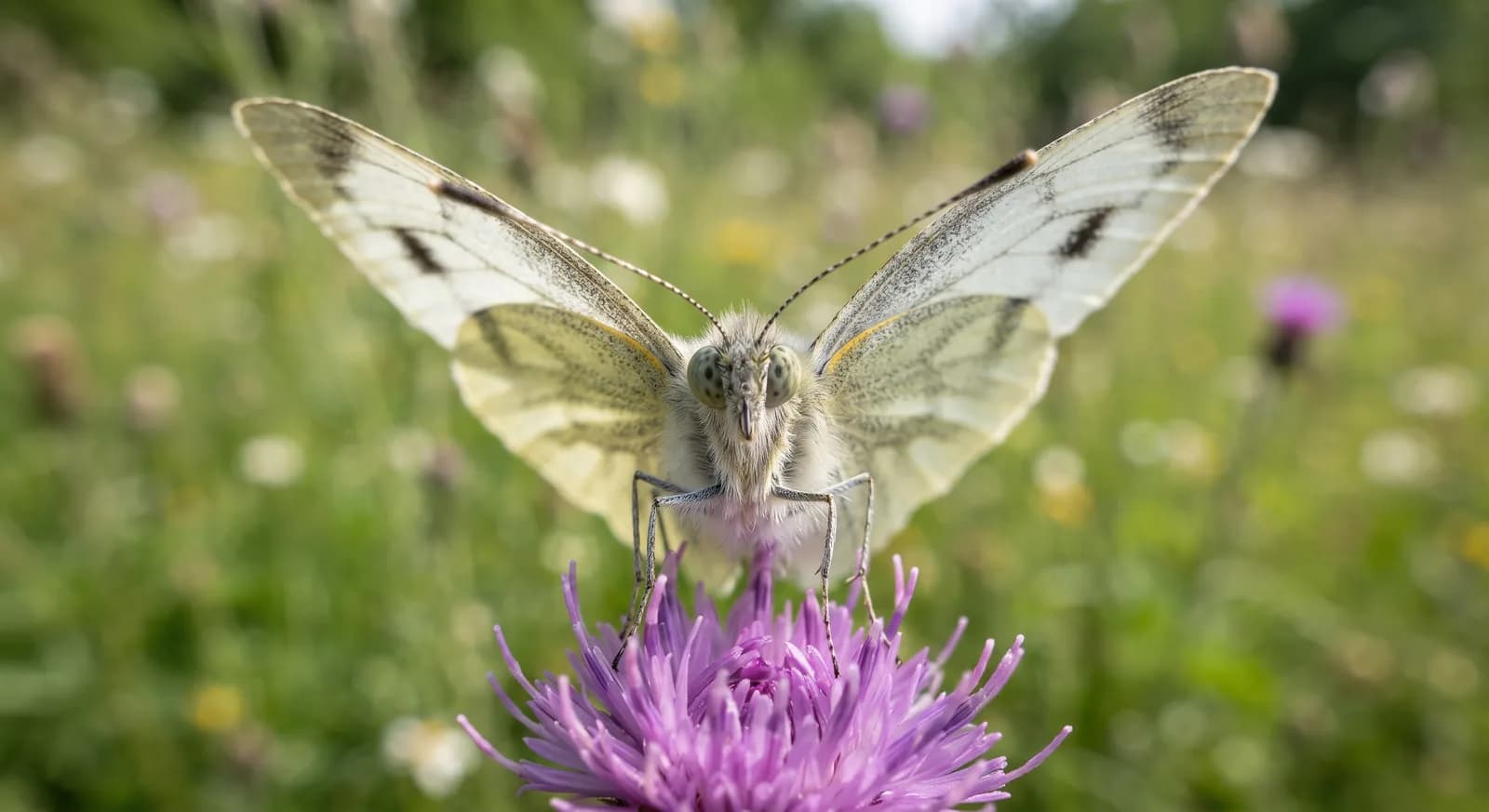
Large WhiteLeast Concern

Large White

Pieris brassicae

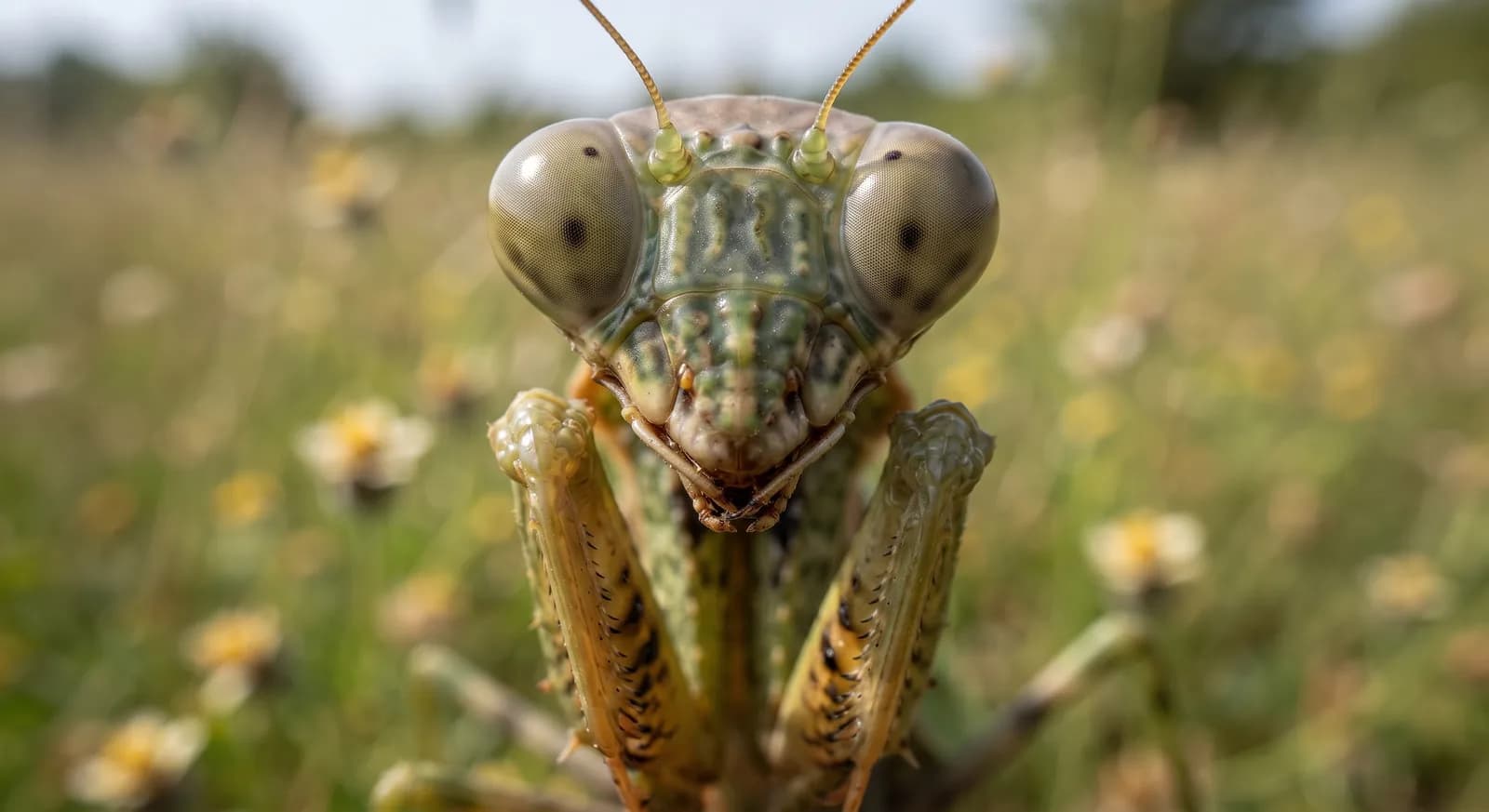
Praying MantisLeast Concern

Praying Mantis

Mantis religiosa

Death's-head Hawk-mothNot Evaluated

Death's-head Hawk-moth

Acherontia atropos

CountriesSpain
ParksSarekSweden
TagsHerbivore
Herbivore
Diurnal
Solitary
Insect
Grassland

Europe39

Asia1

Spain
Sweden
United Kingdom
Finland
Poland
Germany
Albania
Andorra
Austria
Belarus
Belgium
Bosnia and Herzegovina
Bulgaria
Croatia
Czechia
Denmark
Estonia
Finland
France
Germany
Greece
Hungary
Ireland
Italy
Latvia
Liechtenstein
Lithuania
Luxembourg
Moldova
Monaco
Montenegro
Netherlands
North Macedonia
Norway
Poland
Portugal
Romania
Serbia
Slovakia
Slovenia
Spain
Sweden
Switzerland
Ukraine
United Kingdom
Russia