 Least Concern
Grey Seal
Halichoerus grypus
England's largest park; an inhabited landscape of farmland and lakes
Area
2,362 km²
Protection category
IUCN V
Paisaje protegido —
Designated in
1951
Declared in 1951, it is the largest national park in England and since 2017 a UNESCO World Heritage Site as a cultural landscape, not merely a natural one: unlike continental parks, here villages, centuries-old farms and more than 15 million visitors a year share the ground with glacial lakes such as Windermere and Derwentwater. It was decisive in the birth of the British conservation movement: the Romantic poets (Wordsworth, Coleridge) idealised its landscapes in the early 19th century, and Beatrix Potter, author of Peter Rabbit, gave much of her land to the National Trust, laying the legal groundwork for its future protection.
4 dive sites within 300 km are also shown.
Ecosystems found in the United Kingdom, where Lake District lies.
Where can I dive near here?
157 km away
163 km away
170 km away
What is worth looking out for this month in the United Kingdom?
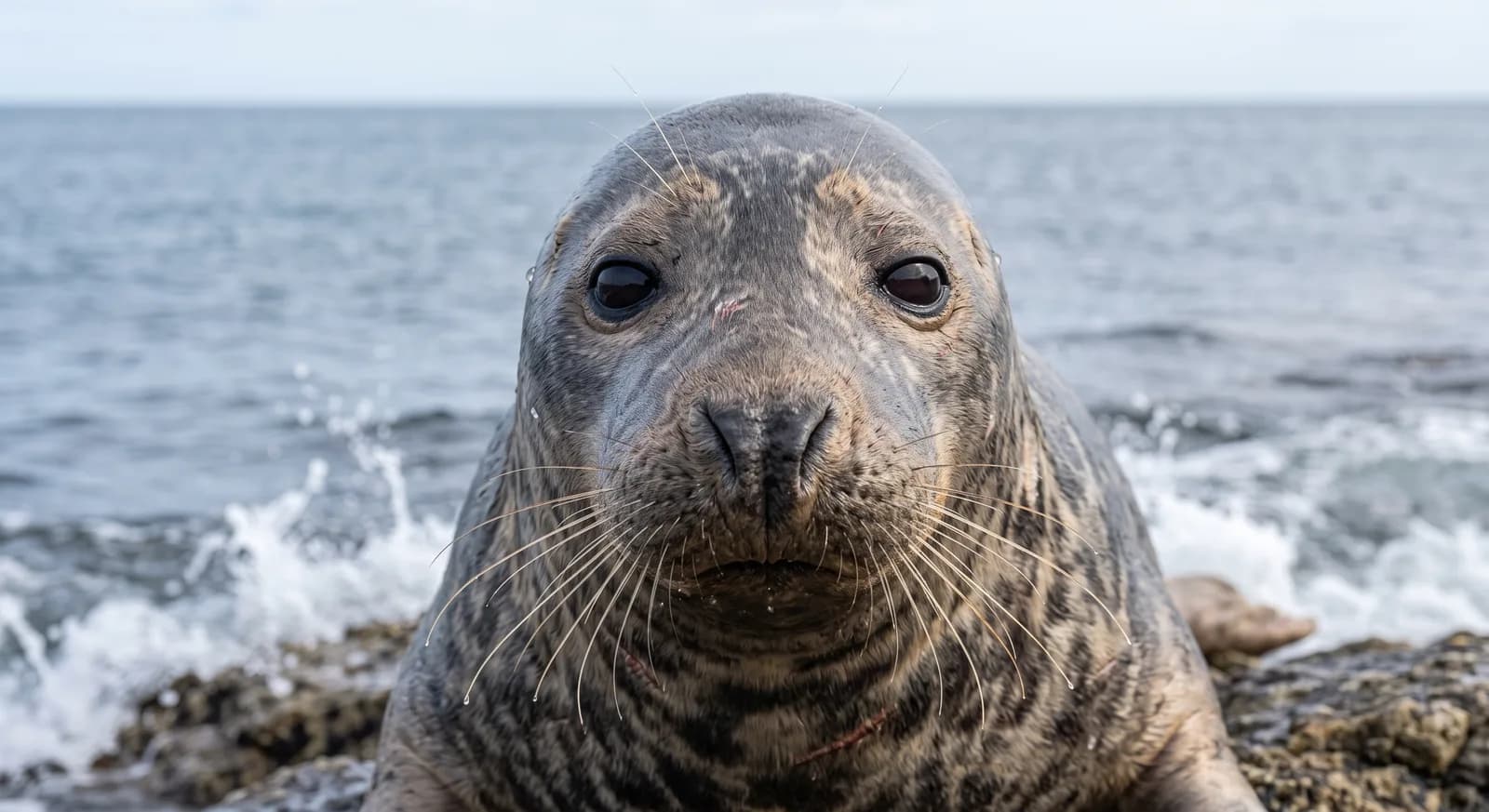
Now is a good time: Grey seal pupping at Donna Nook (Late October to December (peak in late November))
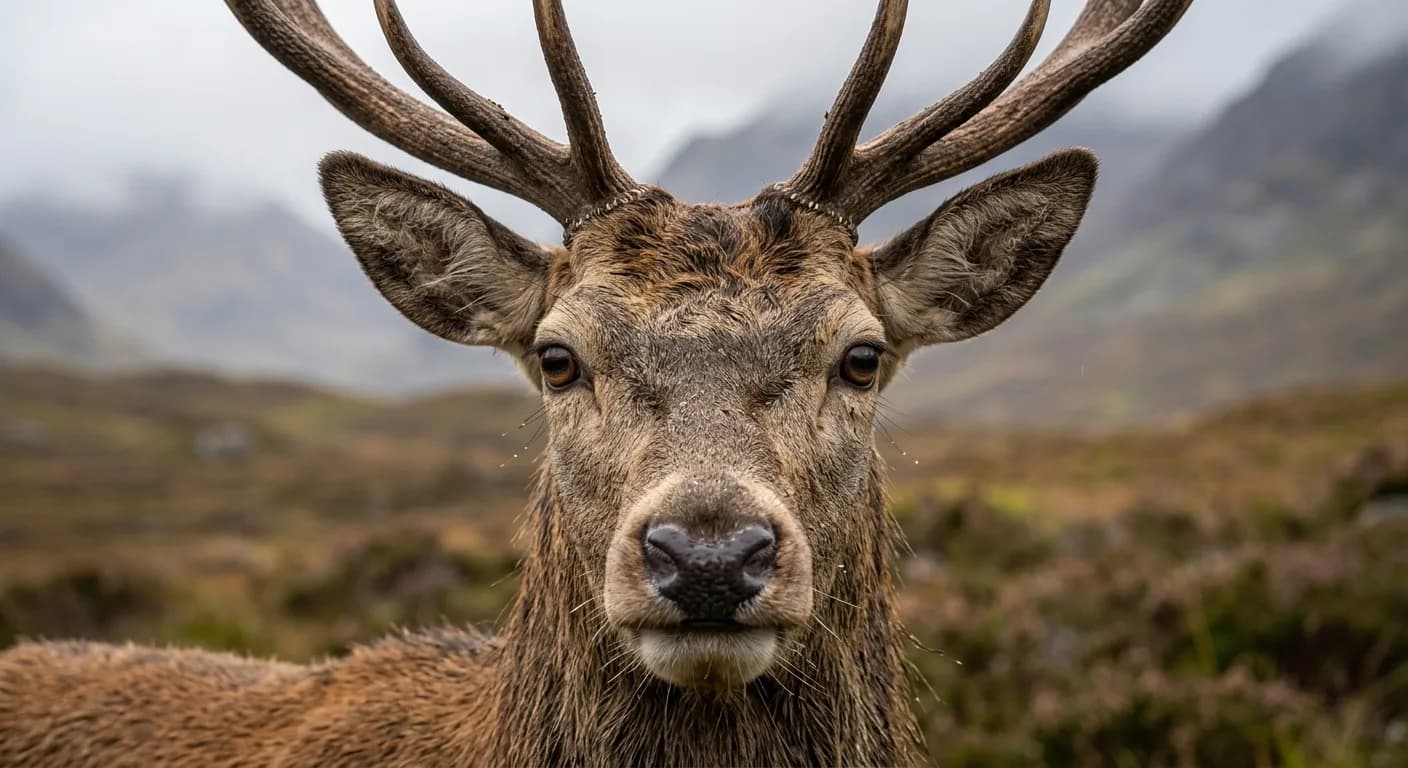
Now is a good time: Red deer rut in Scotland (September to November (peak late Sep-Oct))
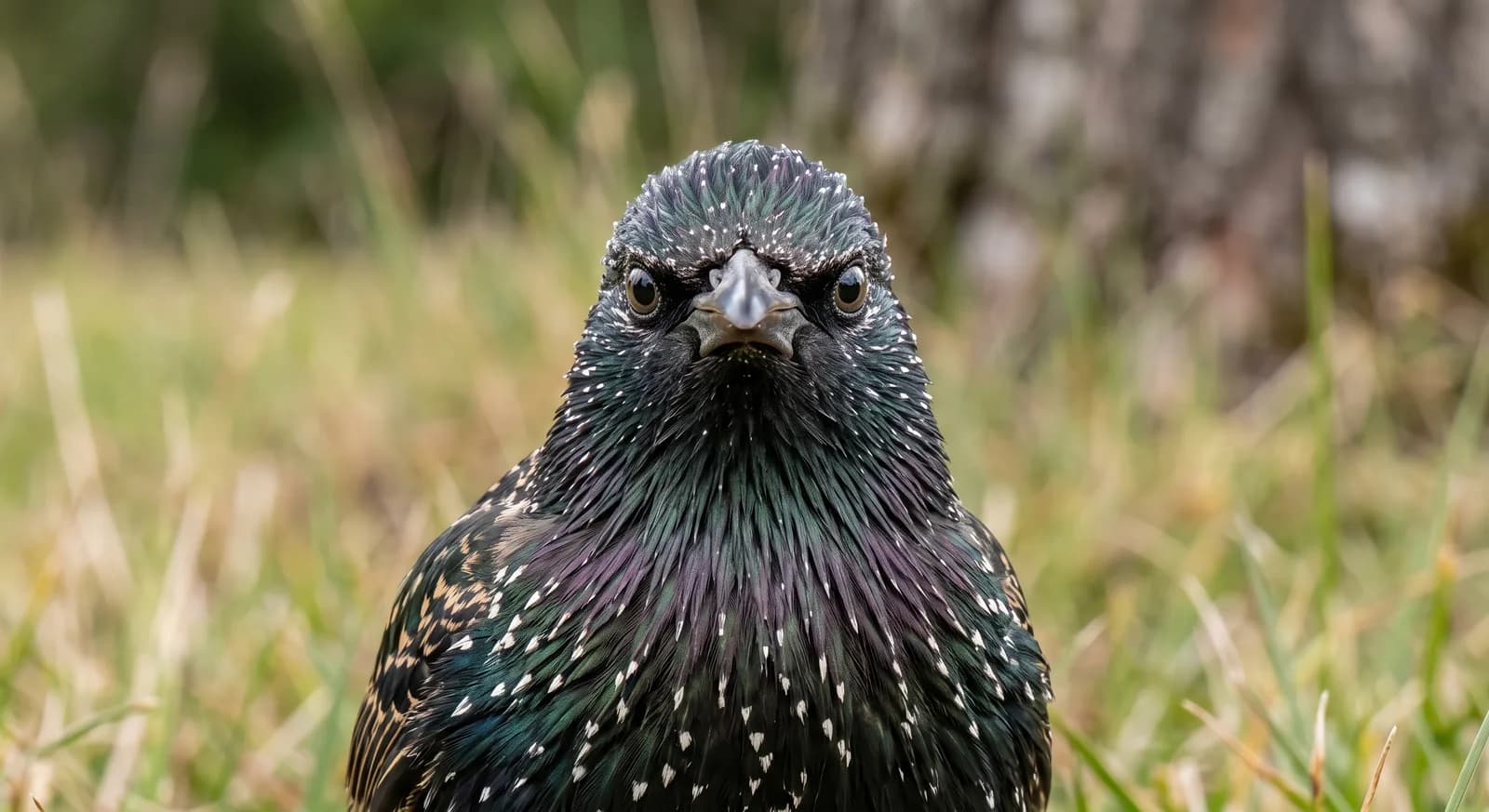
Now is a good time: Starling murmurations in the United Kingdom (October to March (peak Nov-Jan))
Which other parks are like this one?
Same country: United Kingdom
Same country: United Kingdom
Same country: United Kingdom
Same country: United Kingdom
Based on what we already know about this park.
Share your experience visiting Lake District, or a tip for other travellers.
Be the first to comment.
Region
British Isles
Climate
Temperate
Best season
May to September
Threatened:,
292 km away
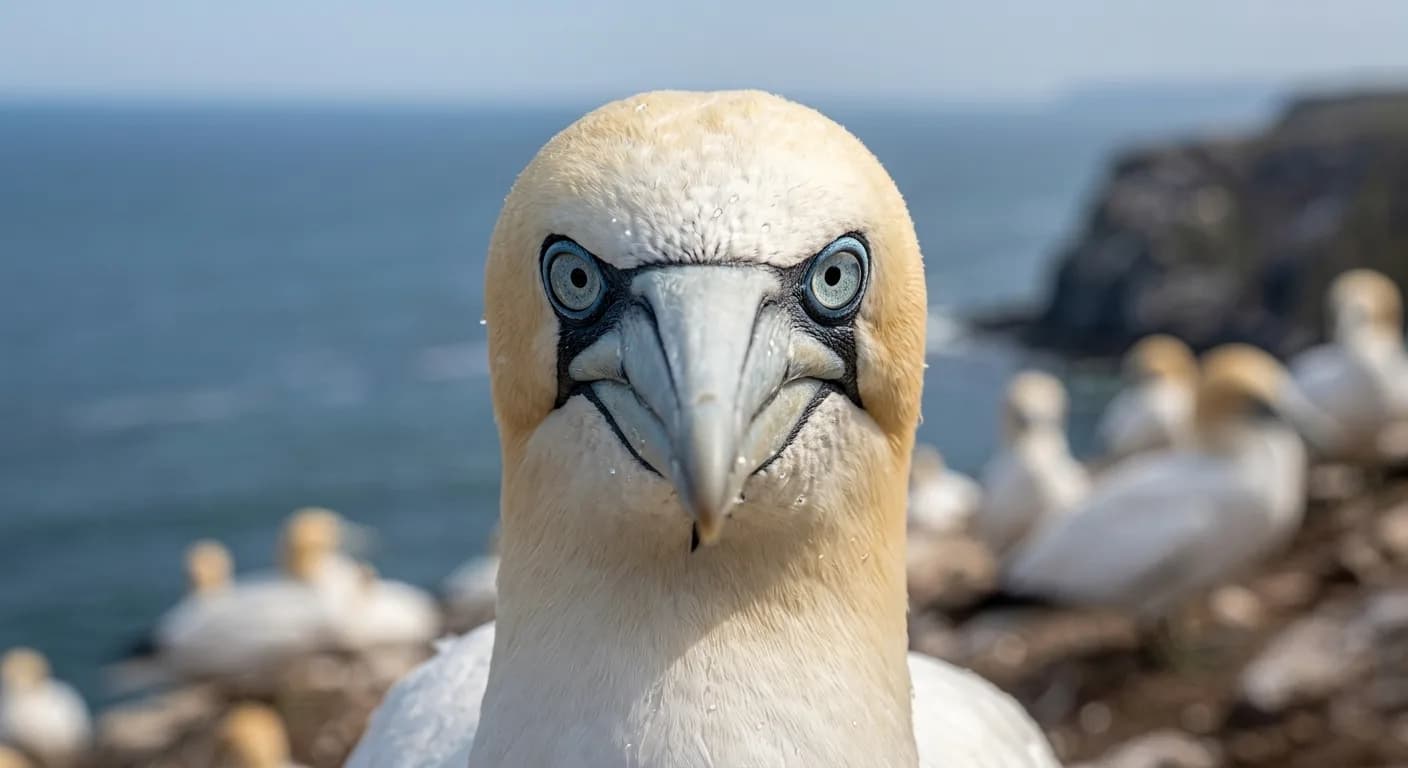
Now is a good time: Northern gannet colony on Bass Rock (Late February to October (peak Jun-Aug))
 United Kingdom