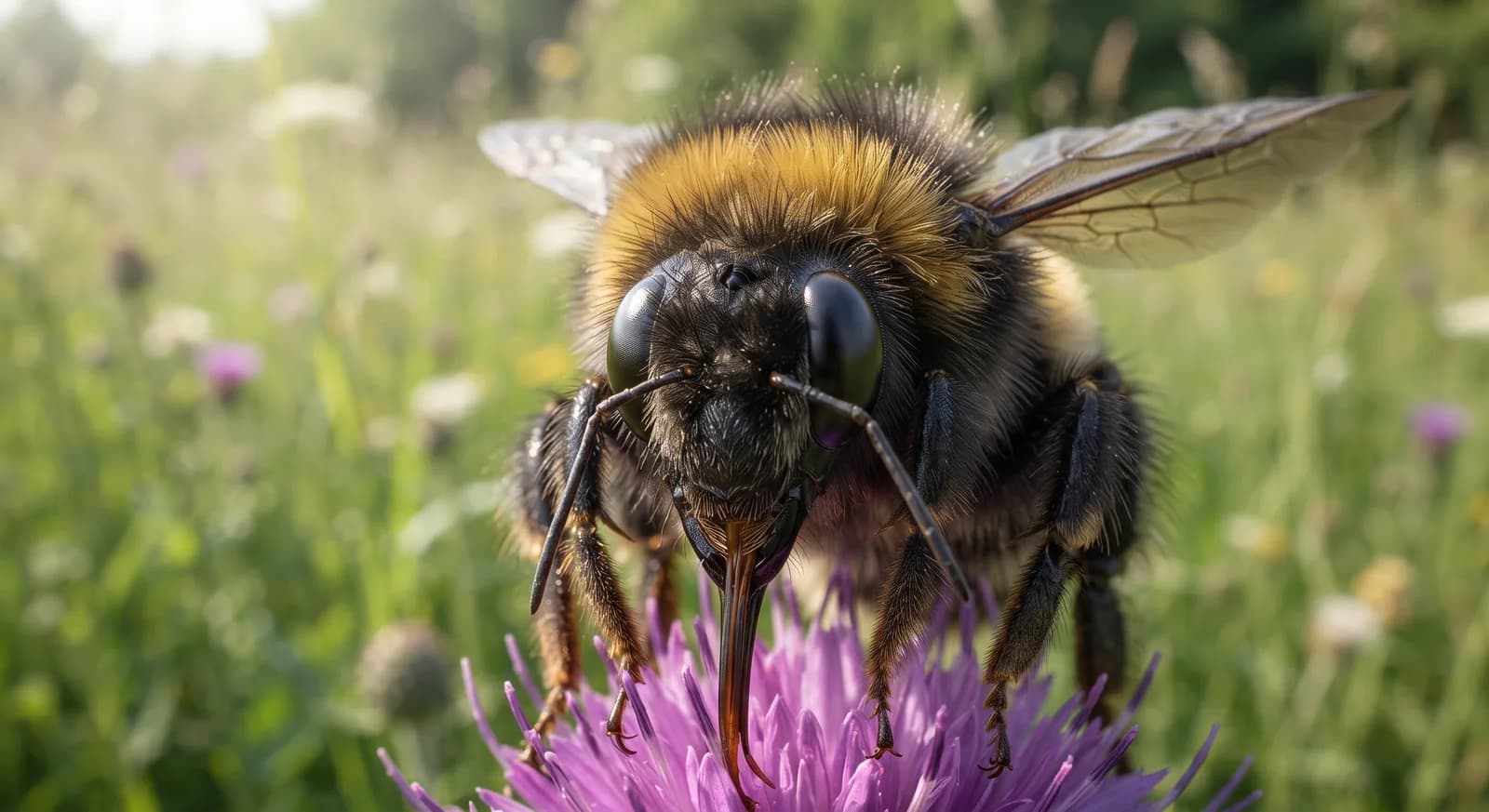
It is one of the most widely used commercial pollinators in the world under glass, thanks to its buzz pollination, which works particularly well on tomatoes.
Size
1.1 cm – 2.2 cm
Life expectancy
1 year
Diet
Nectarivore
Feeds mainly on flower nectar.
Activity
Diurnal
Active mainly during the day.
Social structure
Colony
Lives in large concentrations, often for breeding reasons.
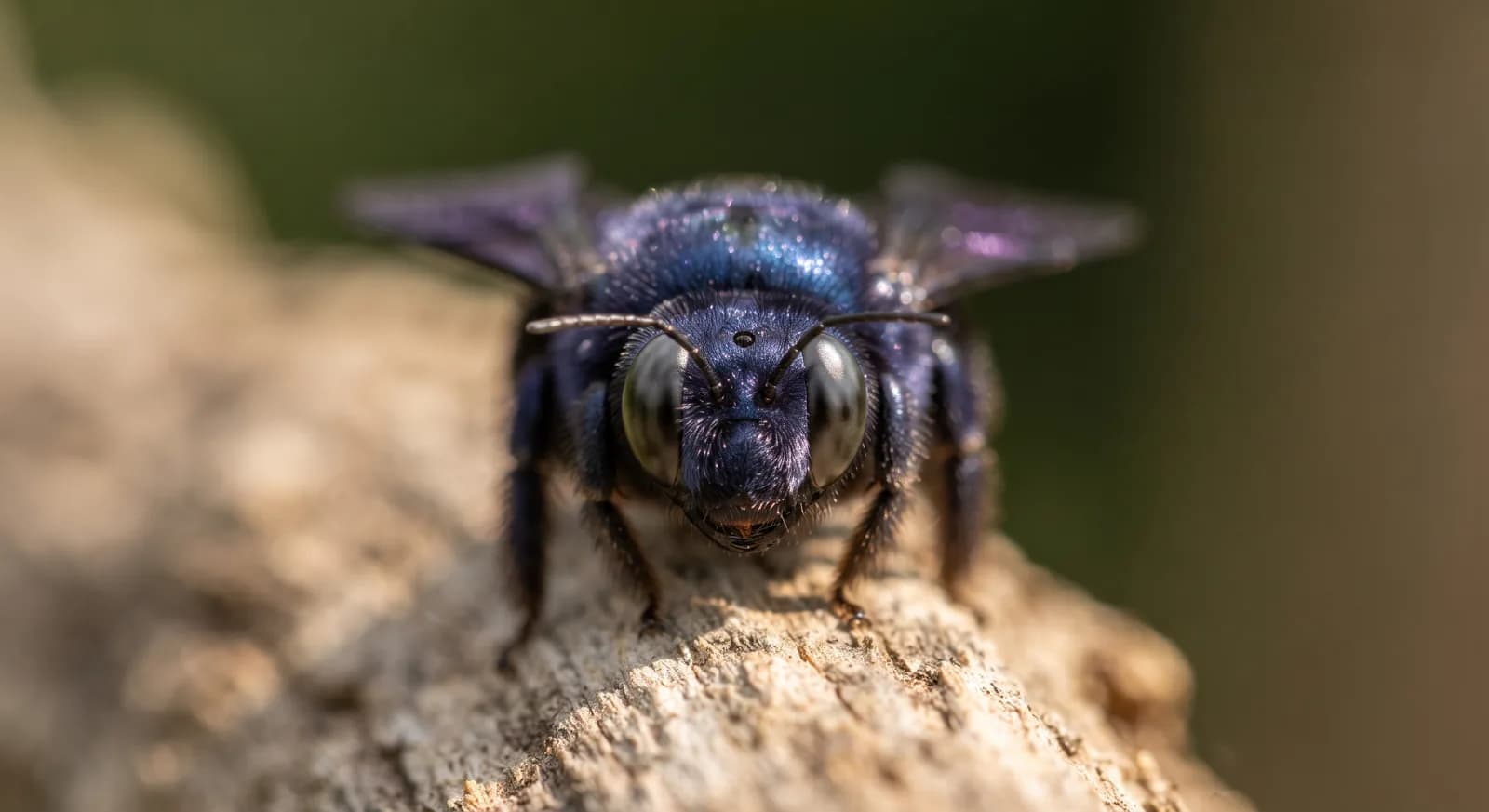
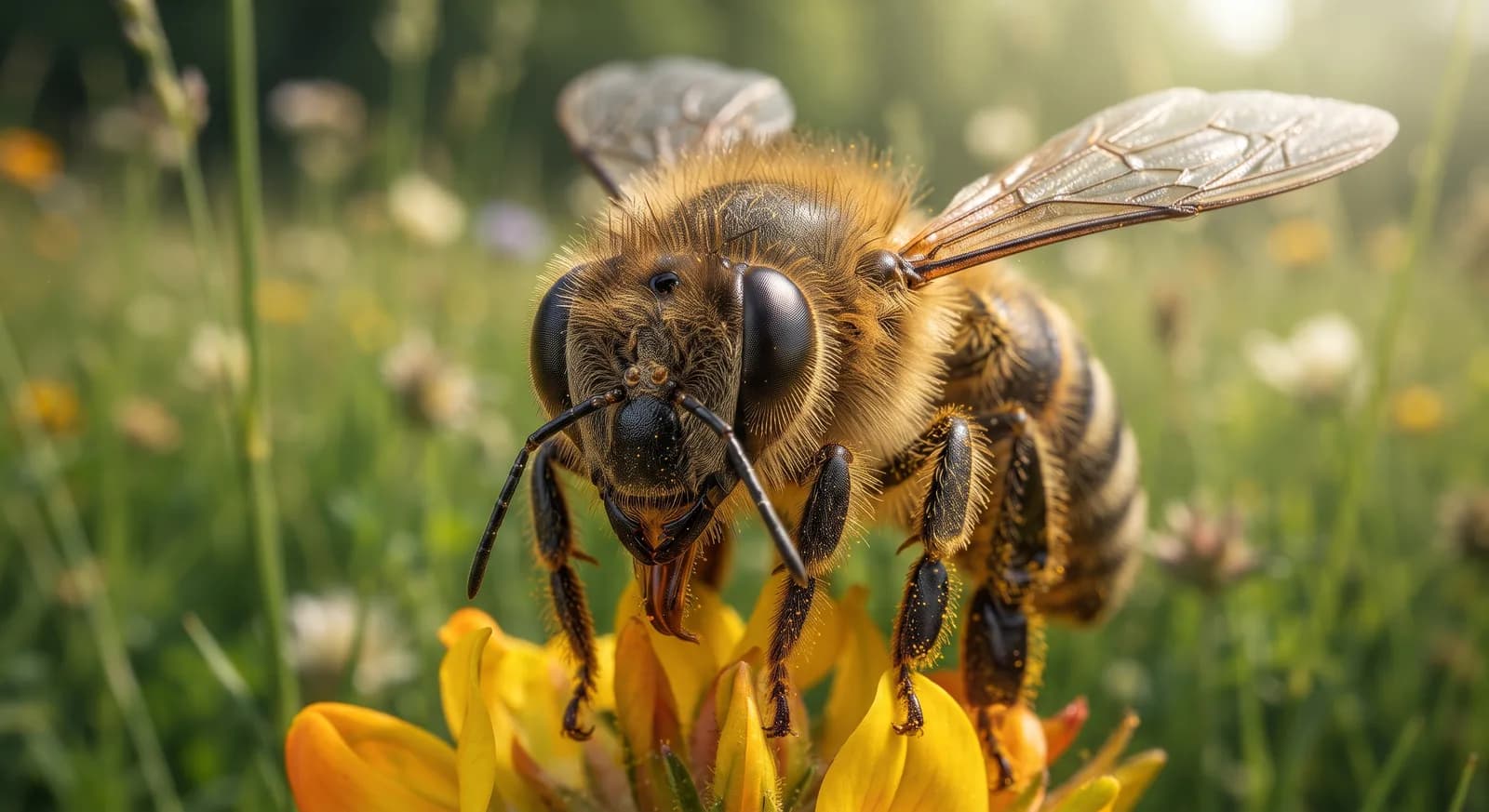
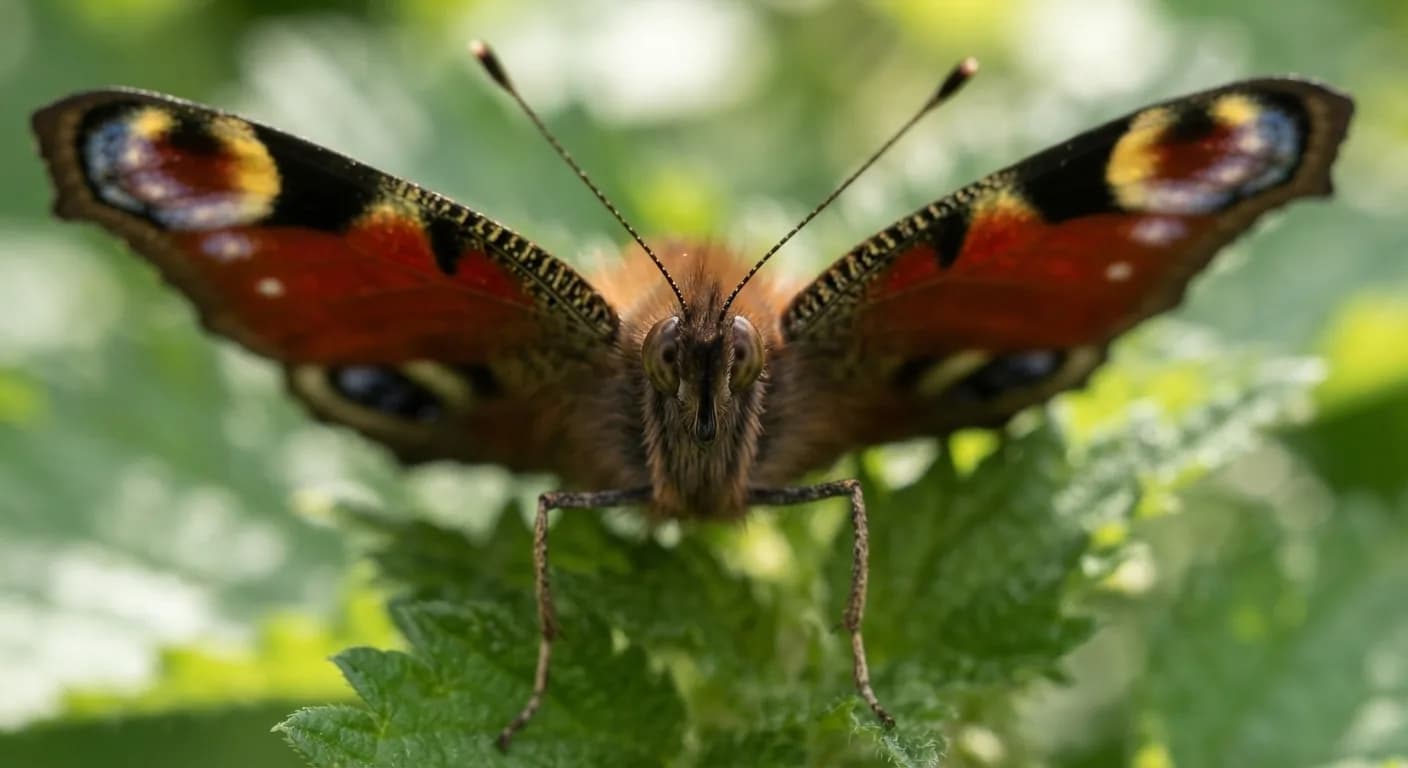
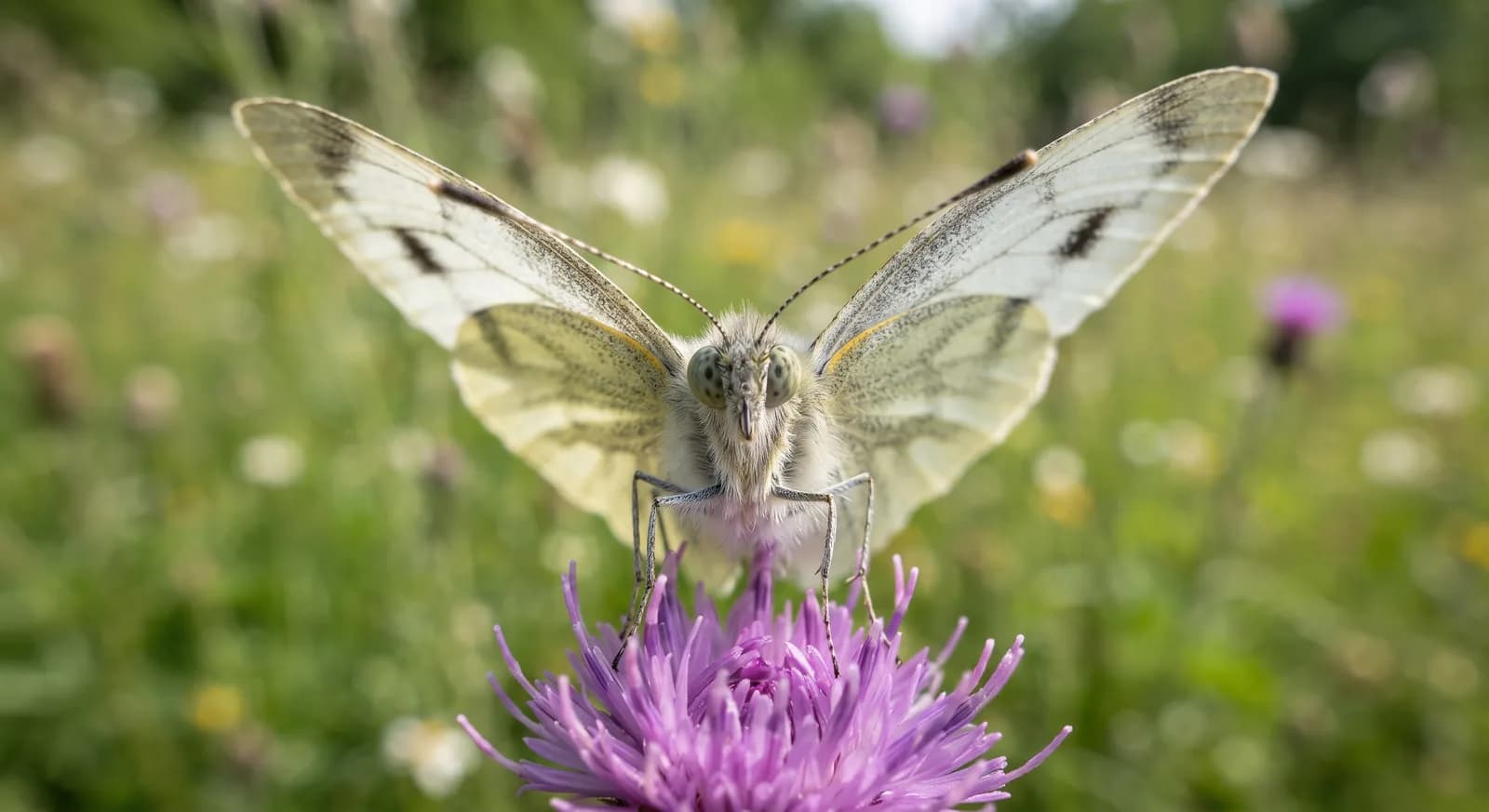
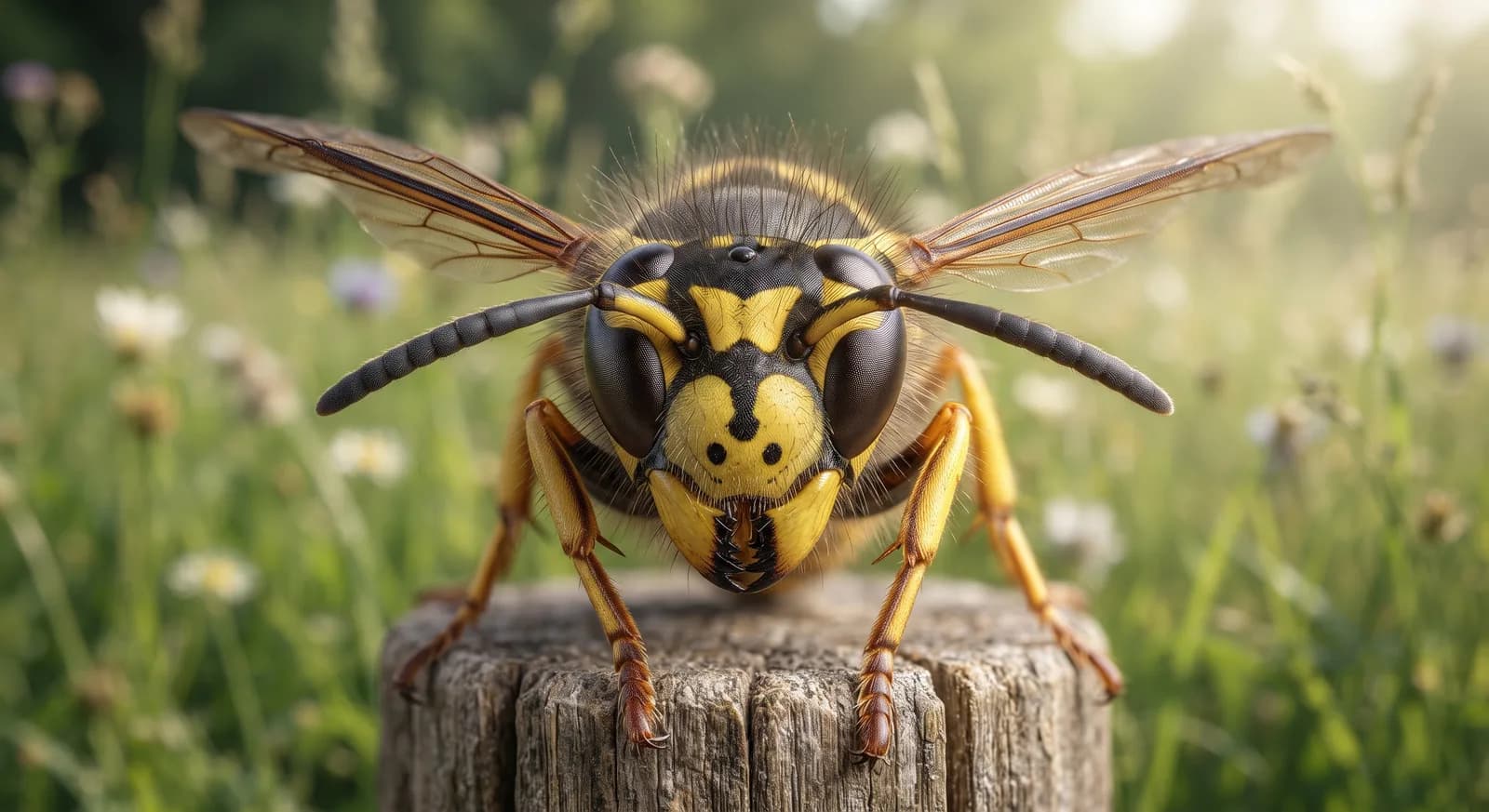
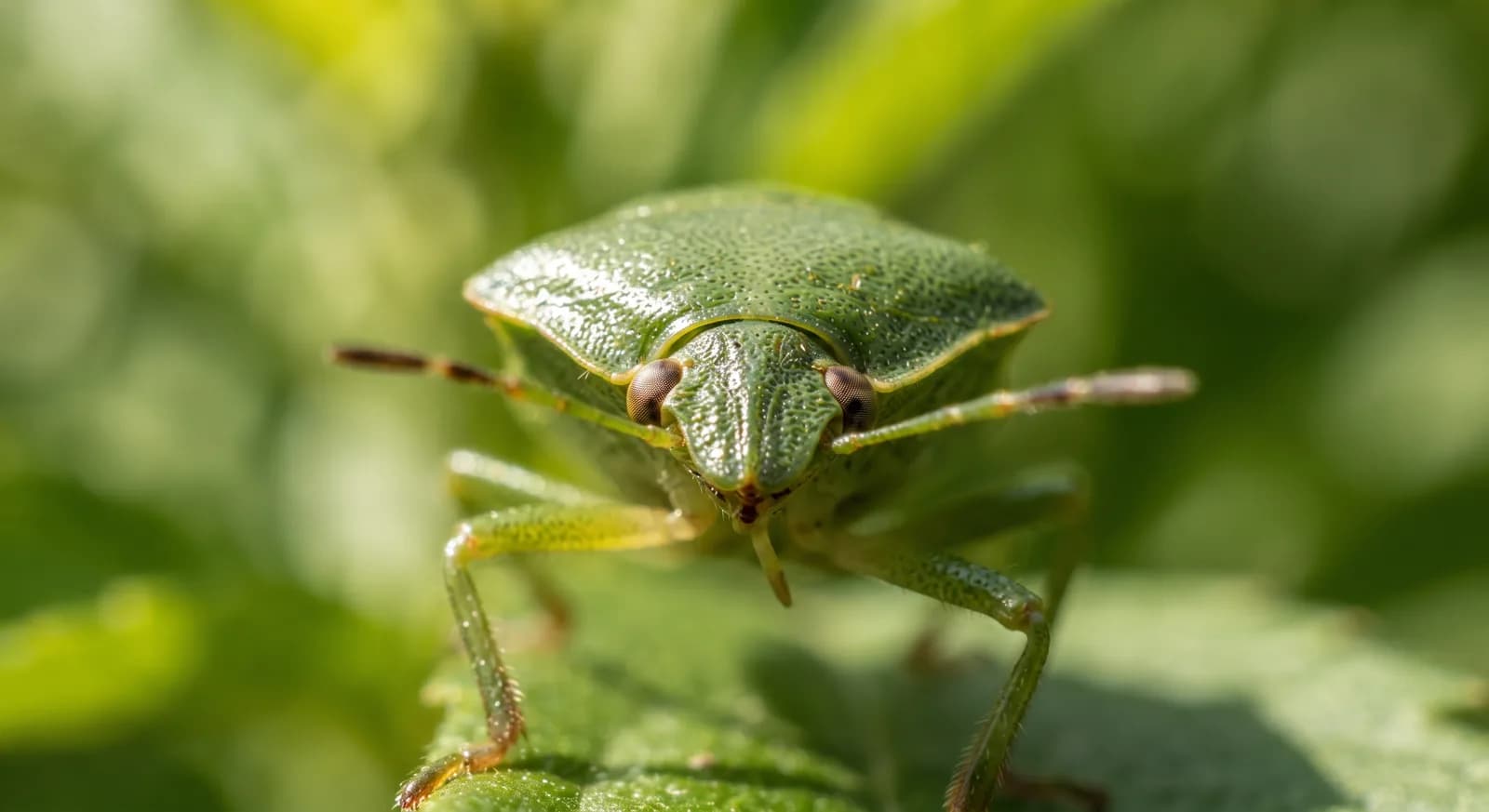
AI-generated images: illustrations, not photographs.
Fun facts
Its workers vary extraordinarily in body size within a single colony.
It feeds on nectar and pollen from a wide range of flowers.
Colonies can reach 350 to 1,000 workers at their peak.
fisiologíaIt can fly and pollinate at lower temperatures than most bees, thanks to a larger body and flight muscles that generate more heat.
It pollinates by vibration. It grips the flower and vibrates its flight muscles at high frequency until the pollen shoots out of the anthers, something the honeybee cannot do. That is why it is indispensable in tomato greenhouses.
Its commercial rearing revolutionised horticulture: boxed colonies have been sold since the late 1980s to pollinate protected crops, and today it is a global agricultural product.
And that success is also its problem: commercial colonies have escaped or been released outside its range and have become invasive in South America, Japan and Tasmania, displacing native bumblebees and passing pathogens on to them.
In Chile and Argentina its arrival has been linked to the collapse of the native bumblebee Bombus dahlbomii, the world's largest, now listed as Endangered.
It detects electric fields: flowers carry a negative charge and the bumblebee a positive one, which lets it tell whether a flower has been visited recently.
It can fly in the cold far better than bees can, warming its thorax with muscular vibration before take-off.
Life cycle and biology
Skeleton type
Invertebrate - chitin exoskeleton (insect)
Habitat and environment
Meadows, gardens, farmland and temperate country across Europe; introduced to Tasmania and elsewhere for commercial pollination
Birth weight
Egg laid in a wax cell
Size at birth
A larva fed by the queen or the workers
Sexual maturity
The new queens emerge in late spring or summer and mate before hibernating
Gestation / incubation
Complete egg-larva-pupa-adult development over several weeks
Litter / clutch size
Colonies of up to 350-1,000 workers at their peak
Sources consulted: AnAge (genomics.senescence.info); Bumblebee.org; HoneyBee & Co.; Buzz About Bees; Animalia.bio; Insect Week; PMC (Asian bumblebee characteristics study, queen dispersal study); Fenologia comparada de Bombus terrestris en Europa del norte y region mediterranea; Andaltura, ficha Bombus terrestris
Where to find it
Best time: In northern Europe it flies from March to August, but in the Mediterranean region the cycle is reversed: the colony is founded in autumn or winter and the queens enter diapause through the dry summer, emerging in late September with the first rains. In Spain the queens are seen from February or March
Loading map…
Where to see it
Parks and dive sites where this species has been documented — showing 10 of 210.
Related species
Other species in the catalogue with the most in common with Buff-tailed Bumblebee — same habitat, park, country, tags or family.
Same taxonomic family
Same taxonomic family
Shares a park
Shares a park
Shares a park
Shares a park
Keep exploring
Based on what we already know about buff-tailed bumblebee.
Comments
Share an experience, a fun fact or a tip for seeing the buff-tailed bumblebee.