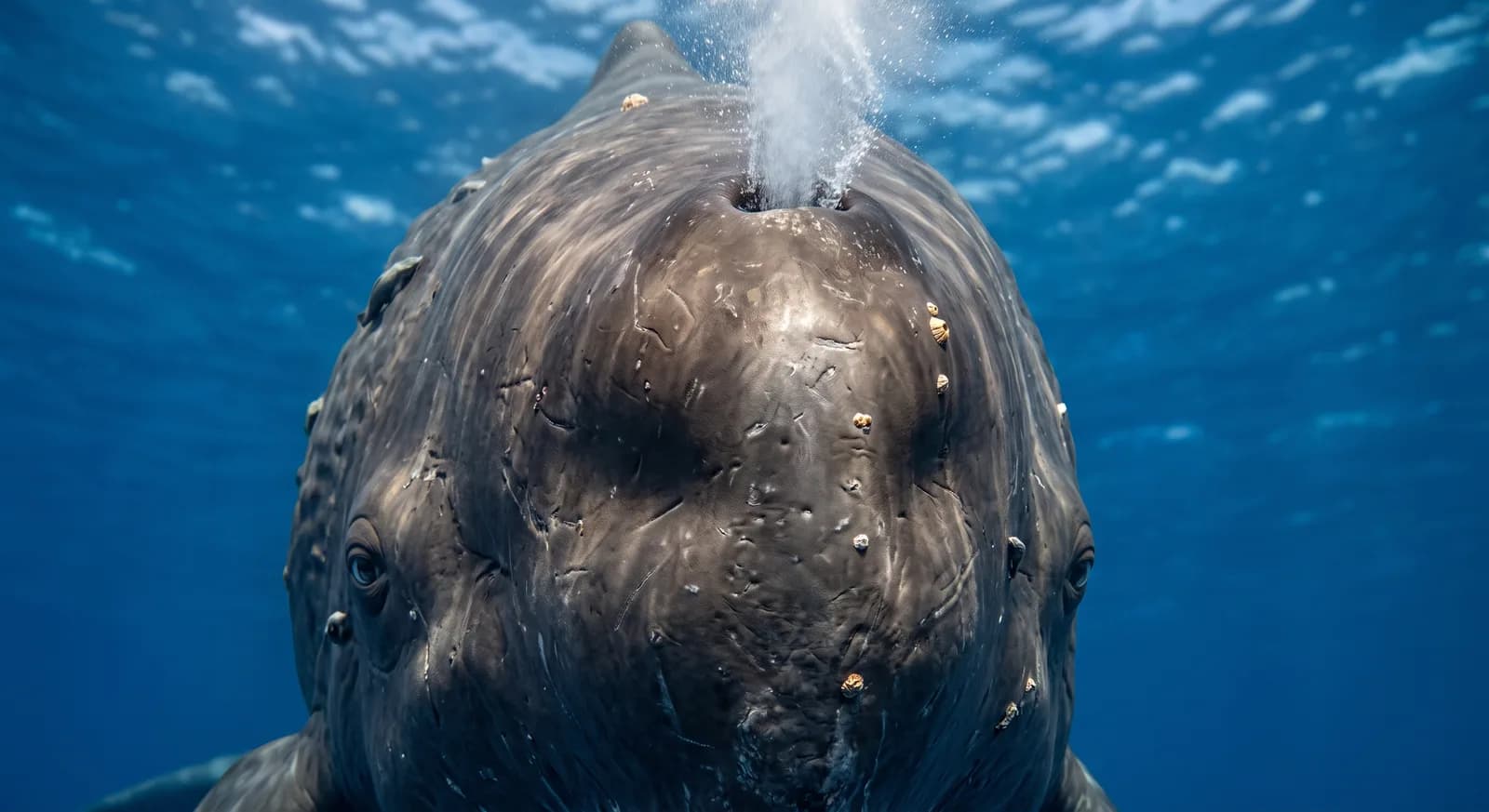
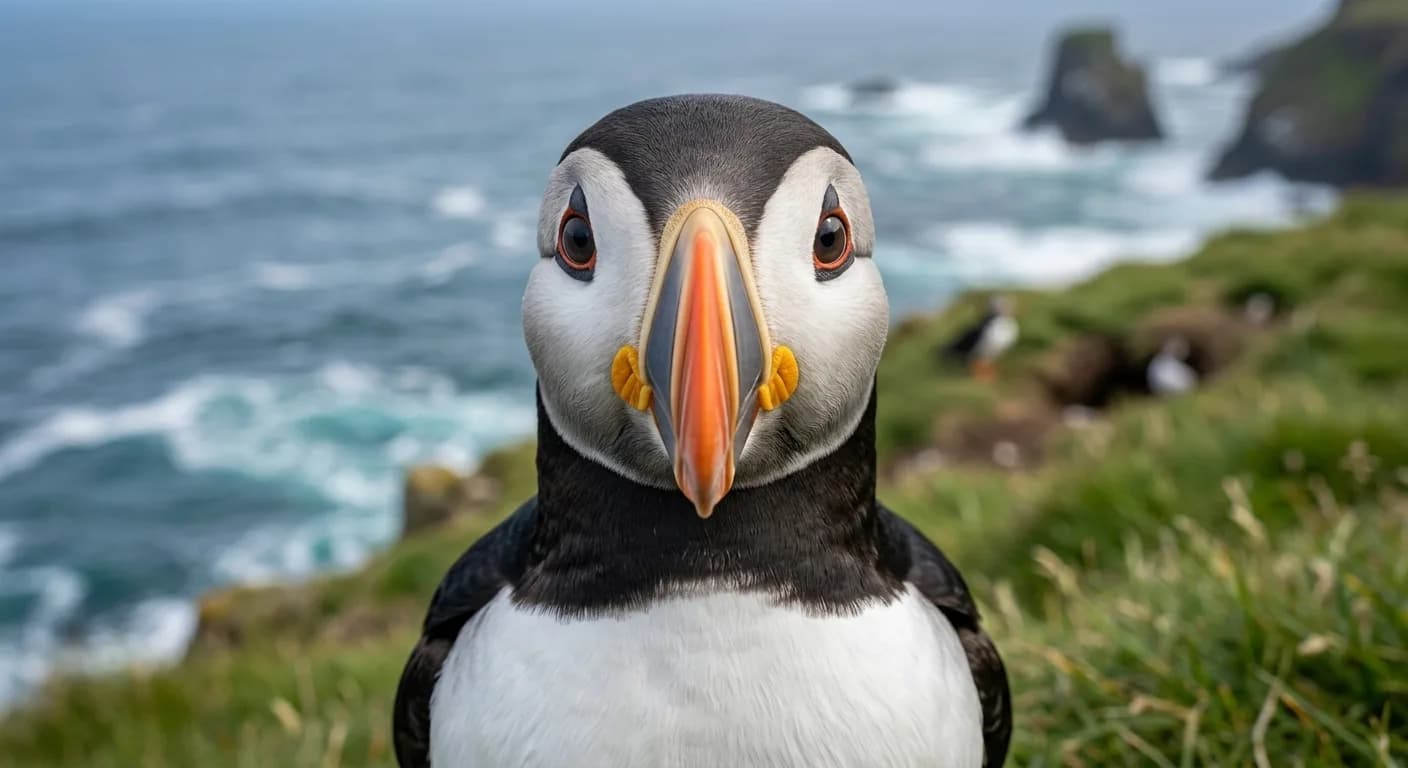
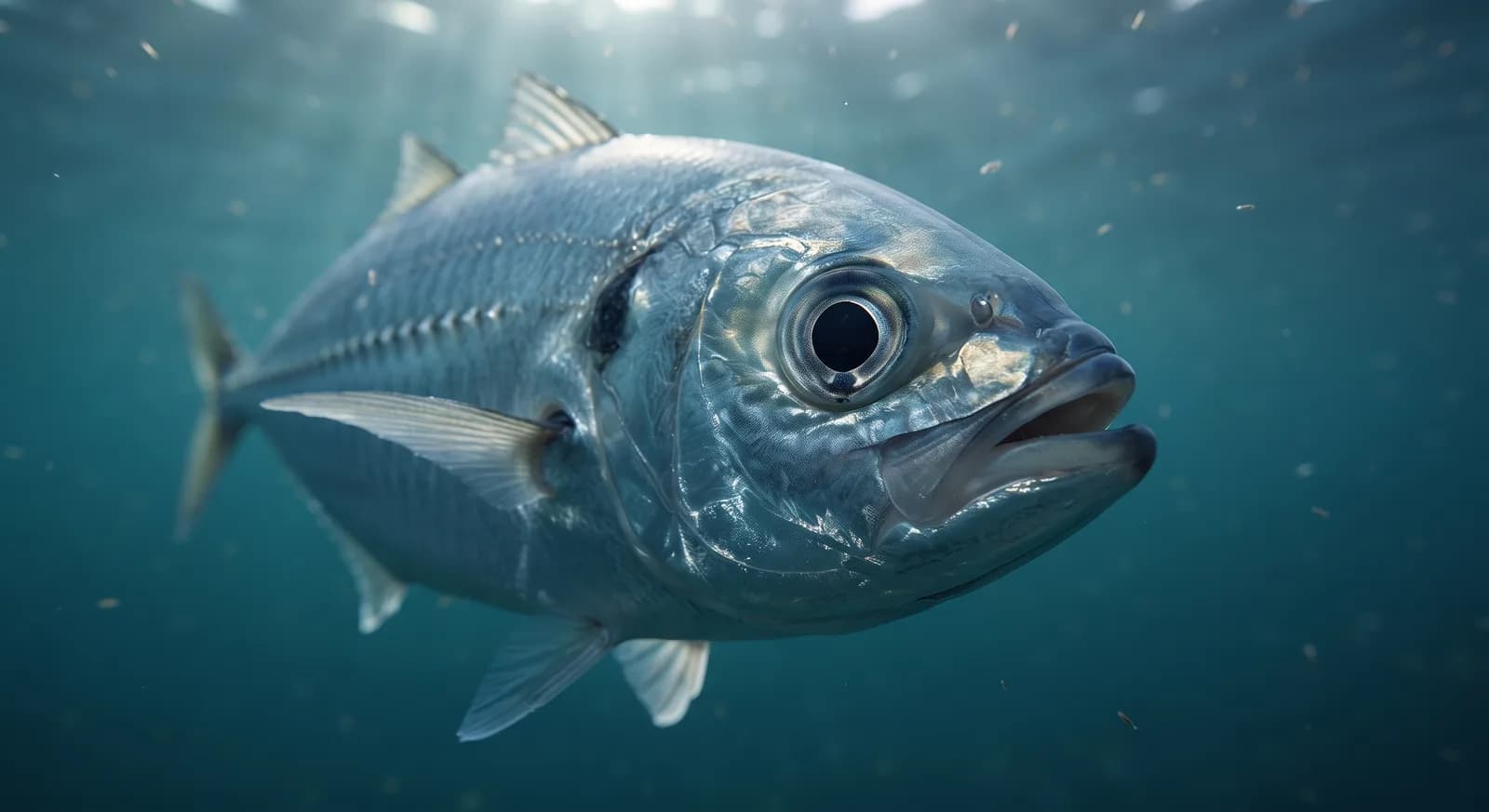
Denmark is a low-lying country, with a coastline disproportionately long for its size and a nature dominated by the sea. The Danish Wadden Sea, in the southwest, is part of the World Heritage tidal system and concentrates harbour seals, grey seals and millions of migrating birds. At the far north, at Grenen, the waters of the North Sea and the Baltic visibly meet, and its sandbanks and shifting dunes create a landscape in constant motion. Inland it keeps the heaths of Jutland, beech woods and lakes, and saw the wolf return naturally in 2012, after two centuries of absence. The Kingdom also includes two autonomous territories of great natural value: the Faroe Islands, with cliffs and massive seabird colonies, and Greenland, with polar bears, muskoxen, narwhals and the largest national park in the world.
Nature in Denmark
National animal: The mute swan, national bird since 1984
Did you know?
In the marshes of Tønder, in spring and autumn, hundreds of thousands of common starlings gather at dusk before roosting in the reedbed and form dense clouds that shift shape and can darken the sky. Danes call the phenomenon sort sol, the black sun, and its formations are a classic case of collective behaviour: each bird adjusts its flight to only its seven nearest neighbours.
Biodiversity profile
Conservation
The Wadden Sea is a model case of trilateral management shared with Germany and the Netherlands. In Greenland, the retreat of sea ice is altering the polar bear's hunting routes and the distribution of the narwhal.
Where and when to watch wildlife
The Tønder marshes in March and April and again in September and October for the sort sol. The Wadden Sea at low tide for seals. The Faroes in summer for puffins and razorbills.
Natural phenomena in Denmark
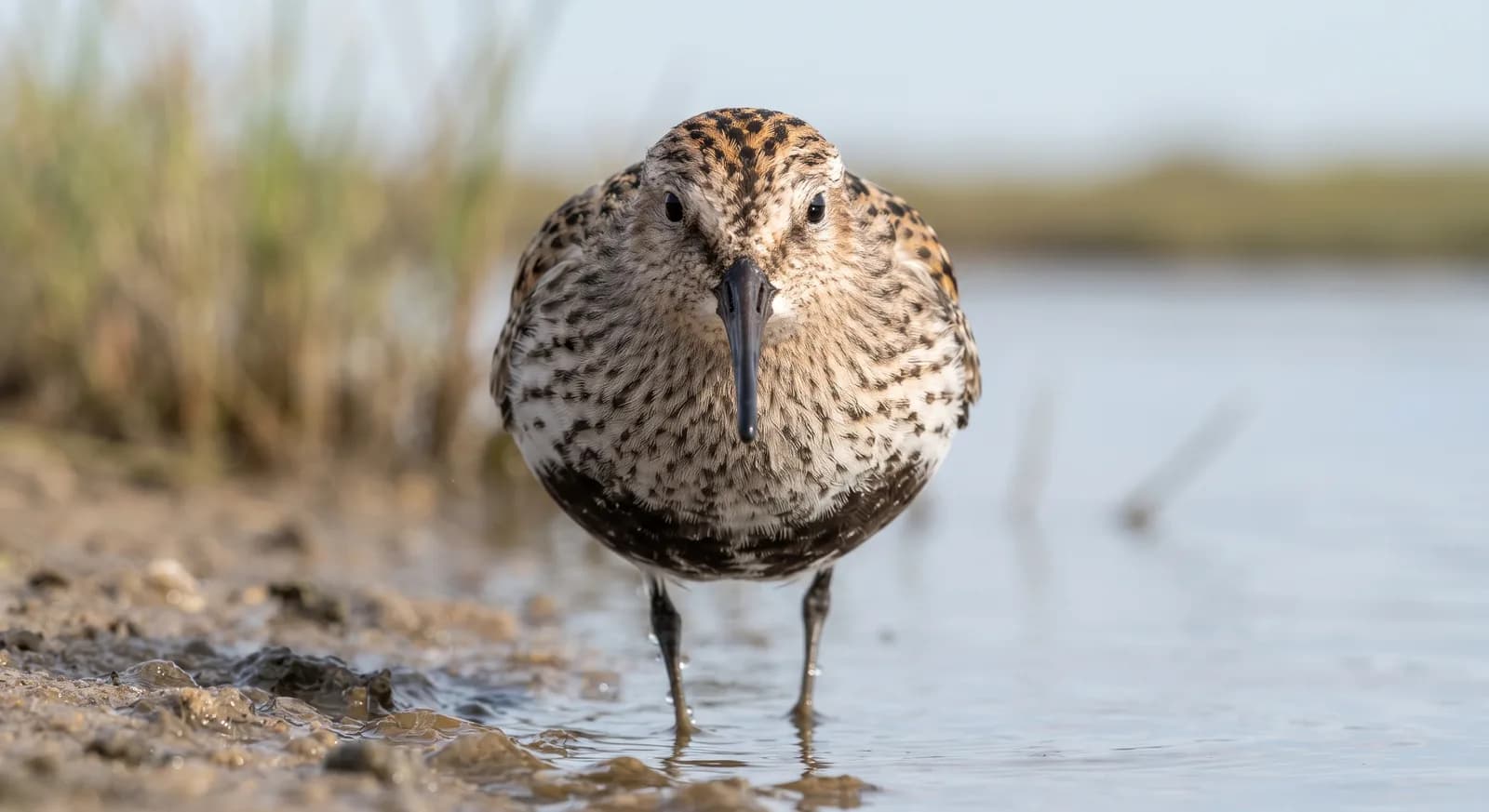
Migratory shorebird passage in the Wadden Sea — March to May and August to October (wintering October to April)
 Least Concern
 Least Concern