Europe
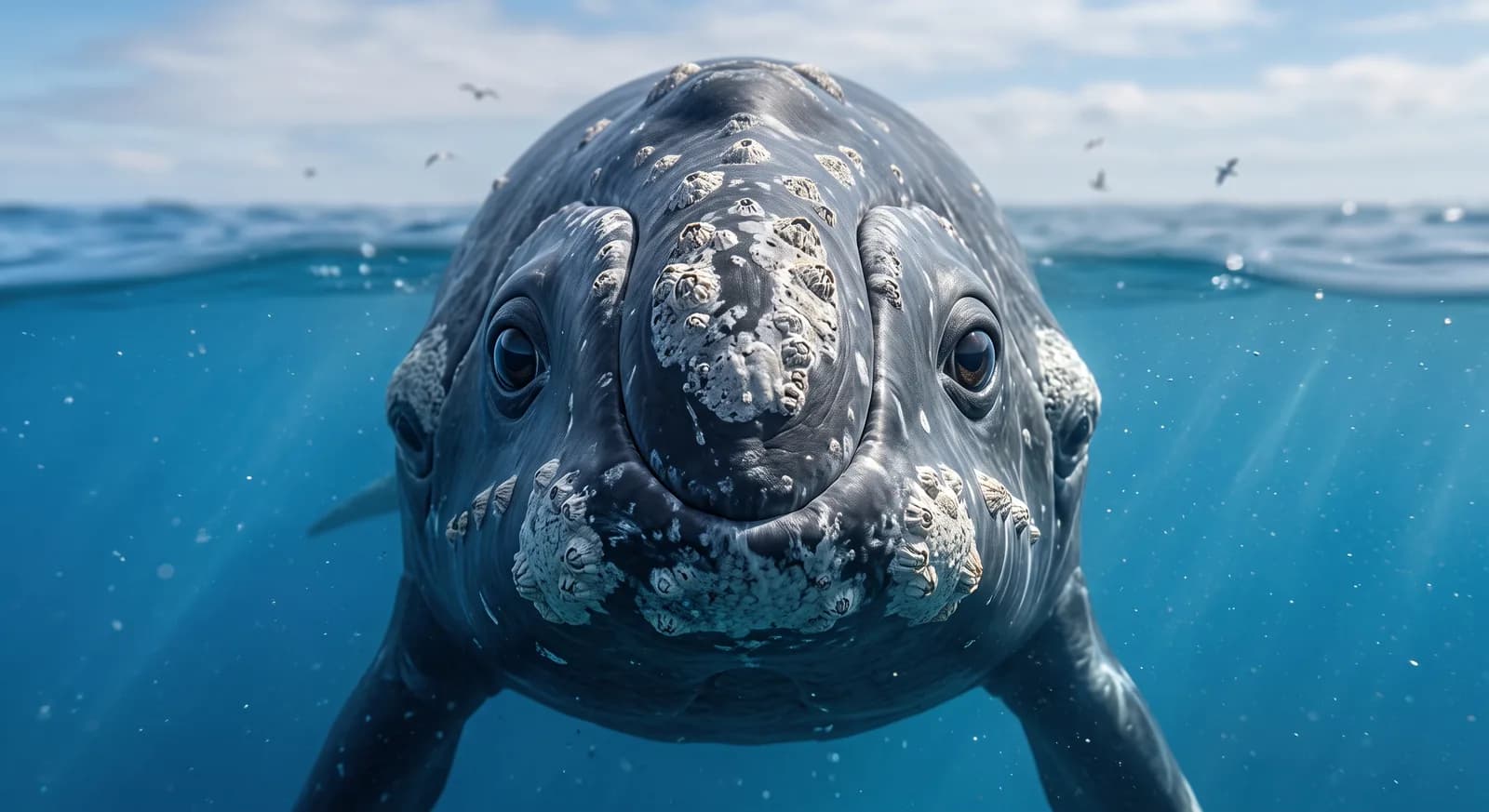
Spain has the greatest diversity of vertebrates in western Europe, a consequence of its position as a bridge between the European continent and Africa and of a relief that strings together high mountains, arid plateaux, Atlantic marshes and Mediterranean coasts. The dehesa, an open woodland of holm and cork oaks maintained by grazing, is a unique cultural landscape that supports large raptors and ungulates. In the north, the Cantabrian range keeps Atlantic beech and oak forests with brown bear and Iberian wolf; the Pyrenees add alpine fauna such as the bearded vulture and the chamois. Doñana forms the largest marshland system on the continent, an essential stopover for birds migrating between Europe and Africa. The Canary archipelago, volcanic in origin and Macaronesian in biogeography, works as a separate evolutionary laboratory, with giant lizards, relict laurel forest and a marine fauna of resident cetaceans.
National animal: No official national animal; the fighting bull is the popular symbol and the Iberian lynx the conservation emblem
The Iberian lynx was once the most endangered cat on the planet: in the early 2000s fewer than a hundred were left, split between two isolated populations in Andalusia. The captive breeding and reintroduction programme passed 2,000 individuals in 2023 and led the IUCN to downgrade the species from Endangered to Vulnerable in 2024, one of the greatest conservation successes for any cat in the world.
A success story with the Iberian lynx and the Spanish imperial eagle; the persistent threats are fragmentation by infrastructure, road deaths, illegal poisoning and the over-extraction of groundwater that is drying out the Doñana marshes.
Sierra de Andújar and Sierra Morena for the lynx, between November and February, during the mating season. Somiedo and the Cantabrian range for brown bear in spring and autumn. The Strait of Gibraltar concentrates one of the greatest migrations of raptors and storks on the planet in August and September.
What is worth looking out for this month in Spain?
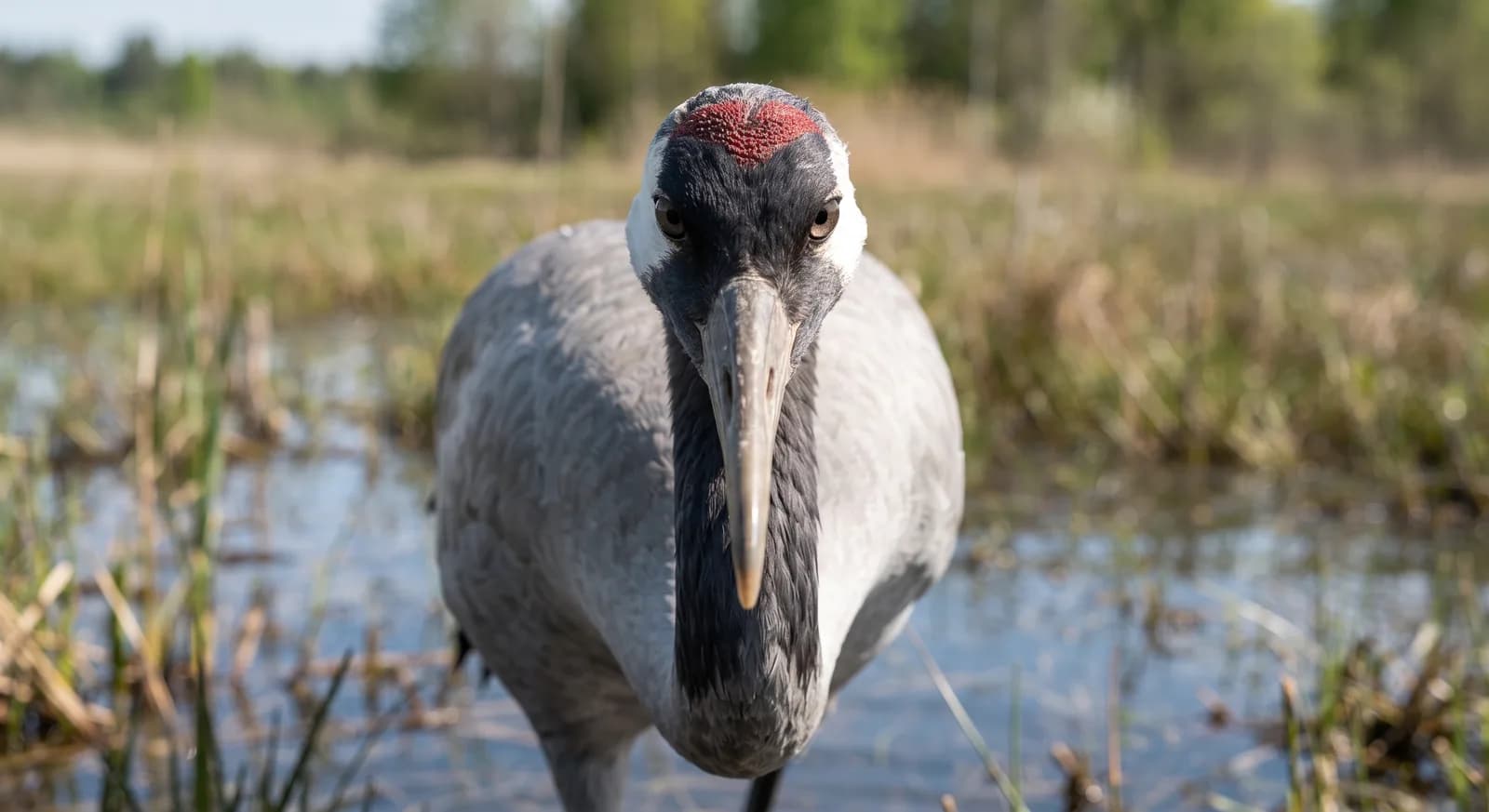
Least ConcernCommon Crane
Grus grus
Now is a good time: Common crane wintering at Gallocanta Lagoon (October to March (passage peaks in November and February))
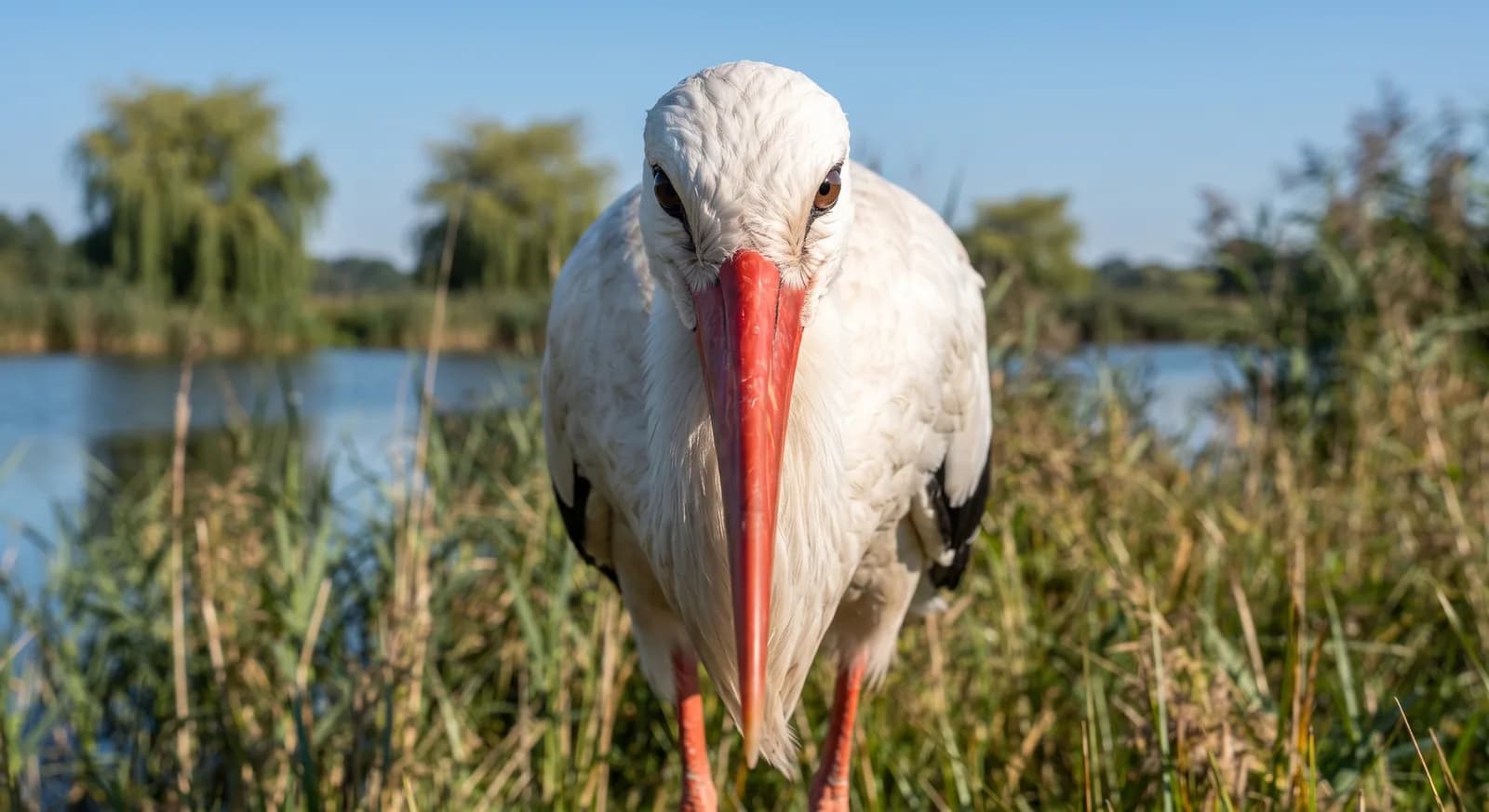
Least ConcernWhite Stork
Ciconia ciconia
Now is a good time: Soaring bird migration across the Strait of Gibraltar (Spring passage February to May and autumn passage July to November)
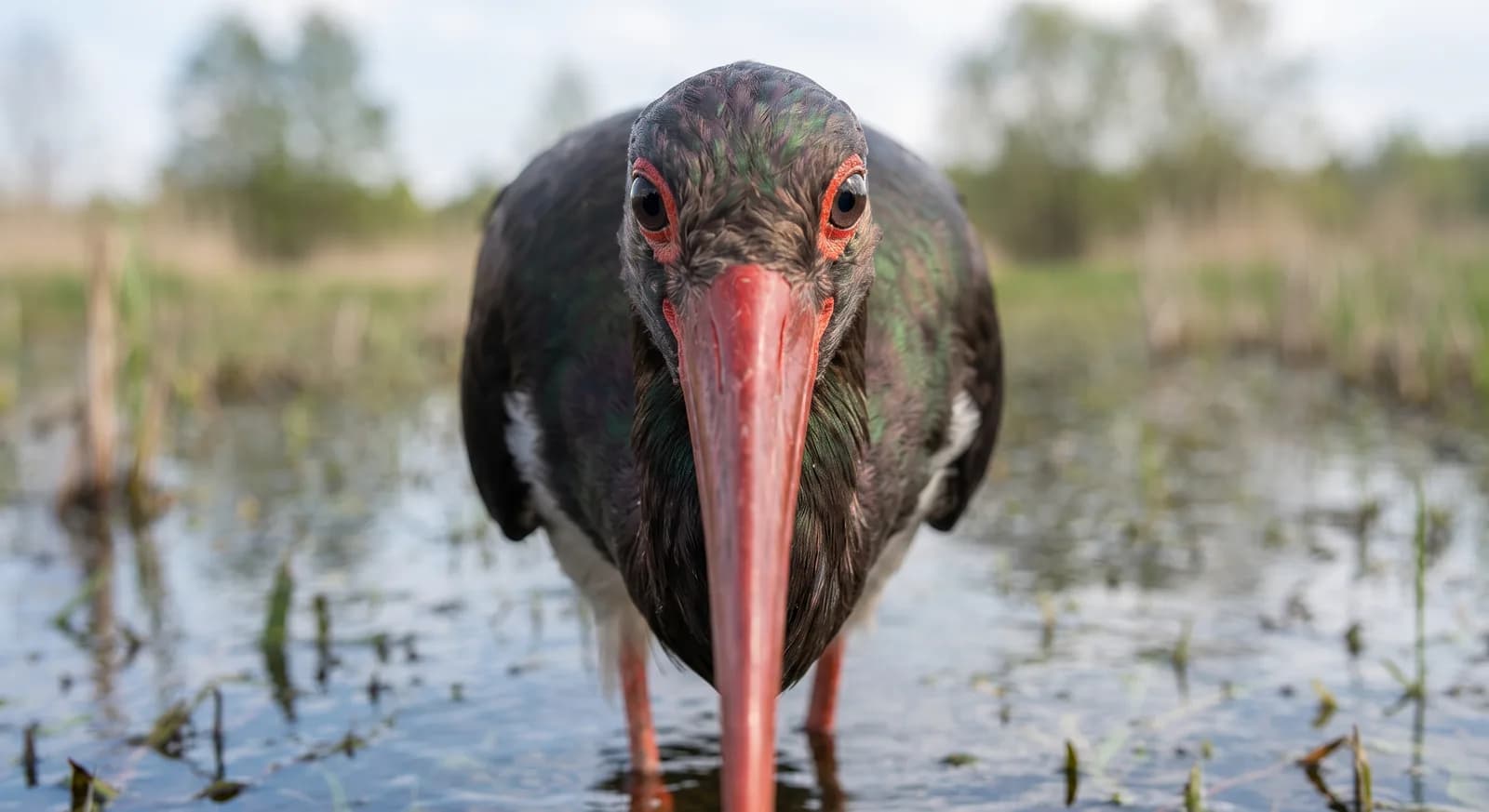
Least ConcernBlack Stork
Ciconia nigra
Now is a good time: Soaring bird migration across the Strait of Gibraltar (Spring passage February to May and autumn passage July to November)
840 species found
Based on what we already know about Spain.