 Least Concern
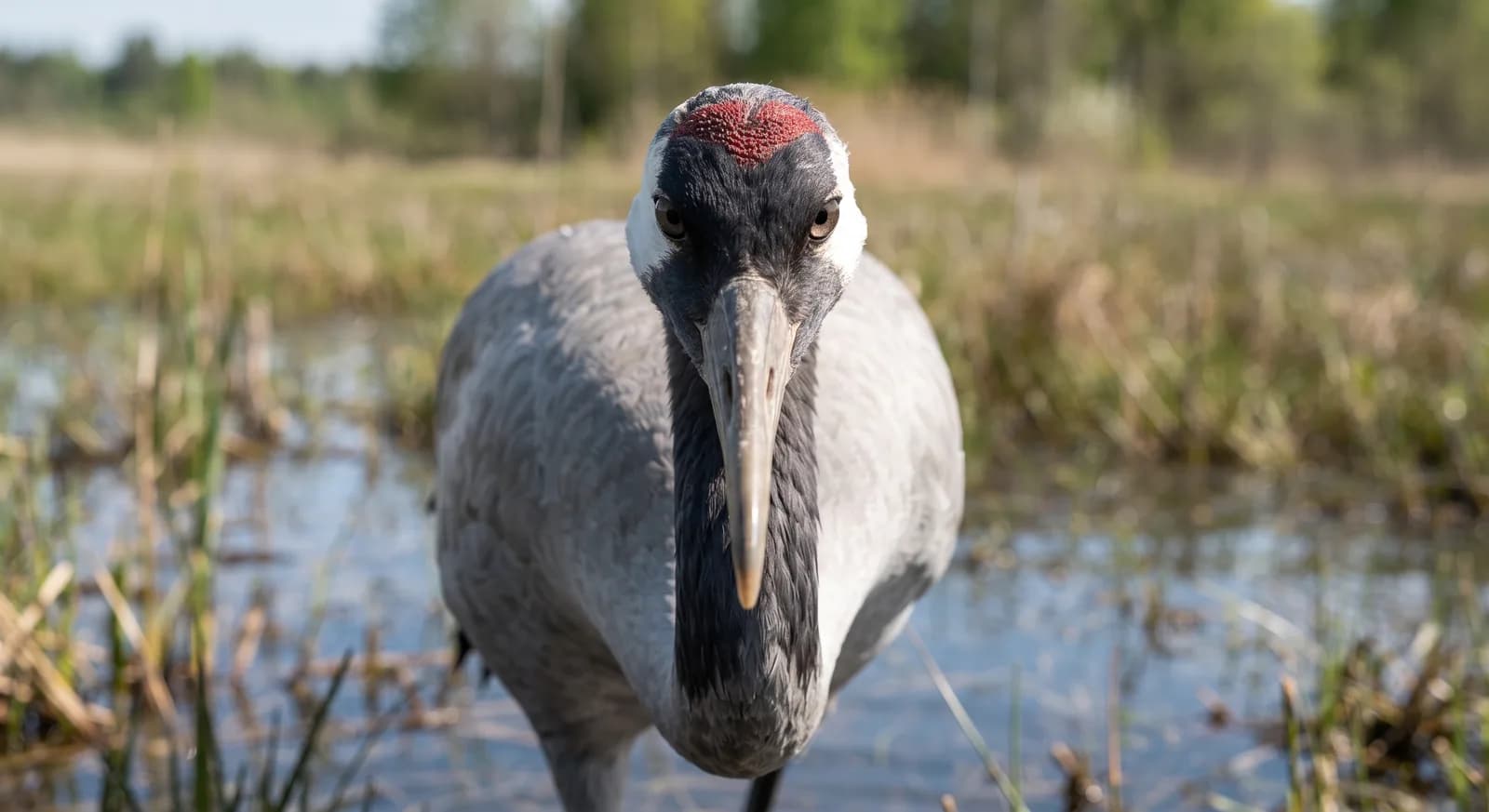
Common Crane
Grus grus
A string of fifteen stepped lakes dammed by tufa barriers, an oasis in the middle of the Campo de Montiel.
Area
38 km²
Designated in
1979
Region
Southern Europe
Stepped lakes and tufa barriers
Lagunas de Ruidera Natural Park protects 3,772 hectares in the valley of the upper Guadiana, on the boundary between the provinces of Ciudad Real and Albacete, spread across the municipalities of Argamasilla de Alba, Ruidera, Alhambra, Ossa de Montiel and Villahermosa. It was declared in 1979. It is made up of fifteen lakes stepped along some thirty kilometres — plus the Peñarroya reservoir, a man-made work integrated into the park because of its role in water management — connected to one another by waterfalls, torrents and underground outlets.
Its rarity is geological. The lakes are not excavated hollows but bodies of water dammed by natural barriers of tufa, or travertine, formed by the precipitation of carbonates from intensely mineralised water; the dam itself grows while the water passes through it. The difference in height between lakes makes the water leap from one to the next. It is one of the world's best examples of this kind of lake system. The upper lakes are more enclosed; the middle ones have open sheets of water, cliffs and overhangs in some places and gentle shores covered in reedbeds and bulrush beds in others, with average depths of between 10 and 20 metres. In 1545 the partial collapse of the barrier damming the Laguna del Rey opened the fifteen-metre waterfall known as El Hundimiento.
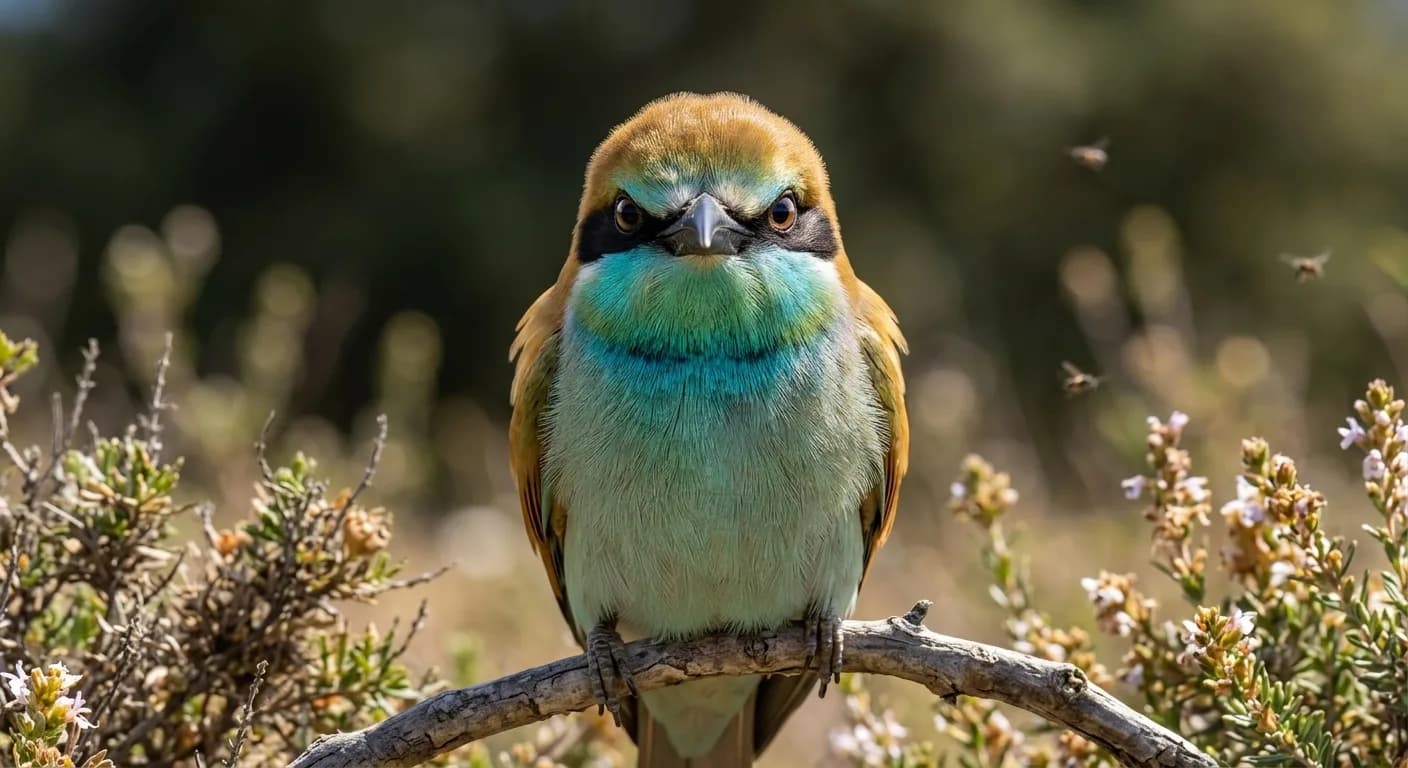
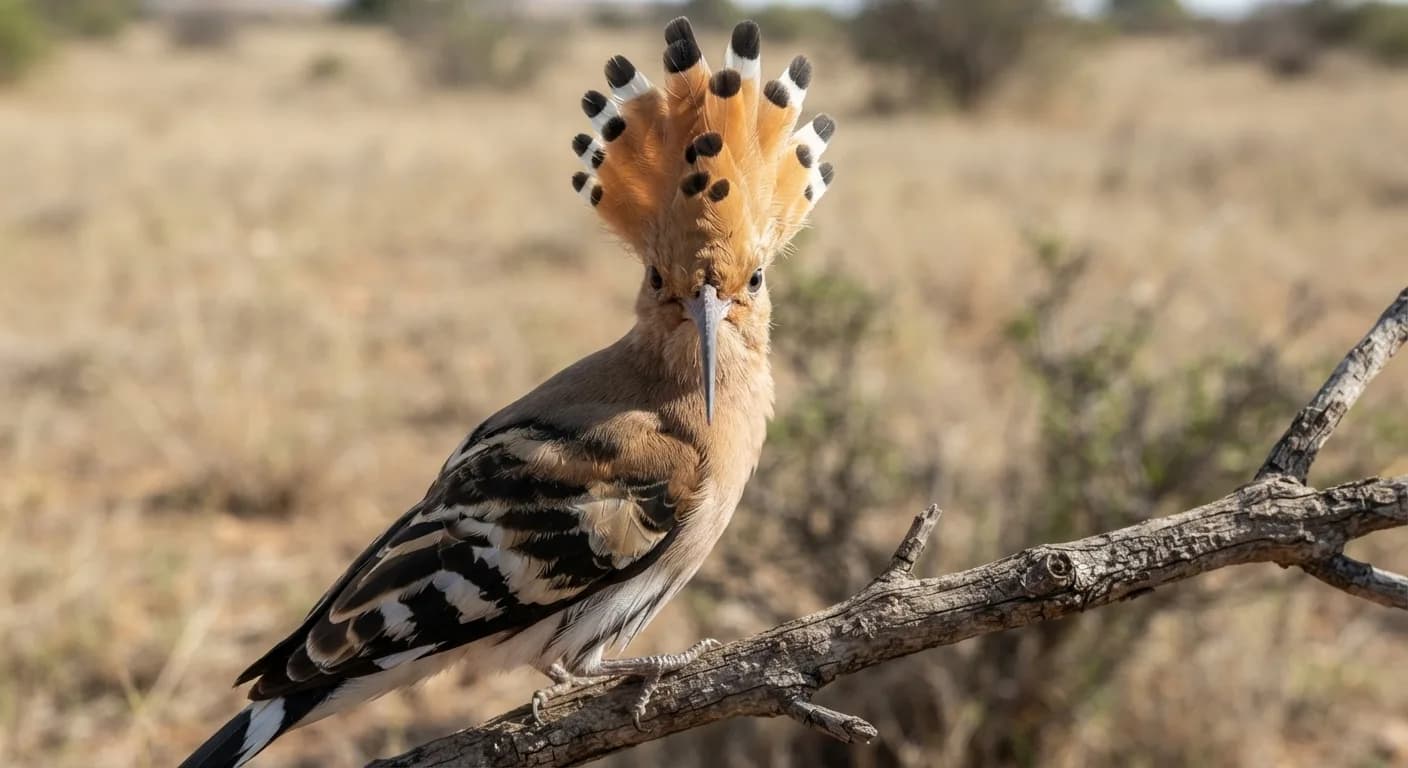
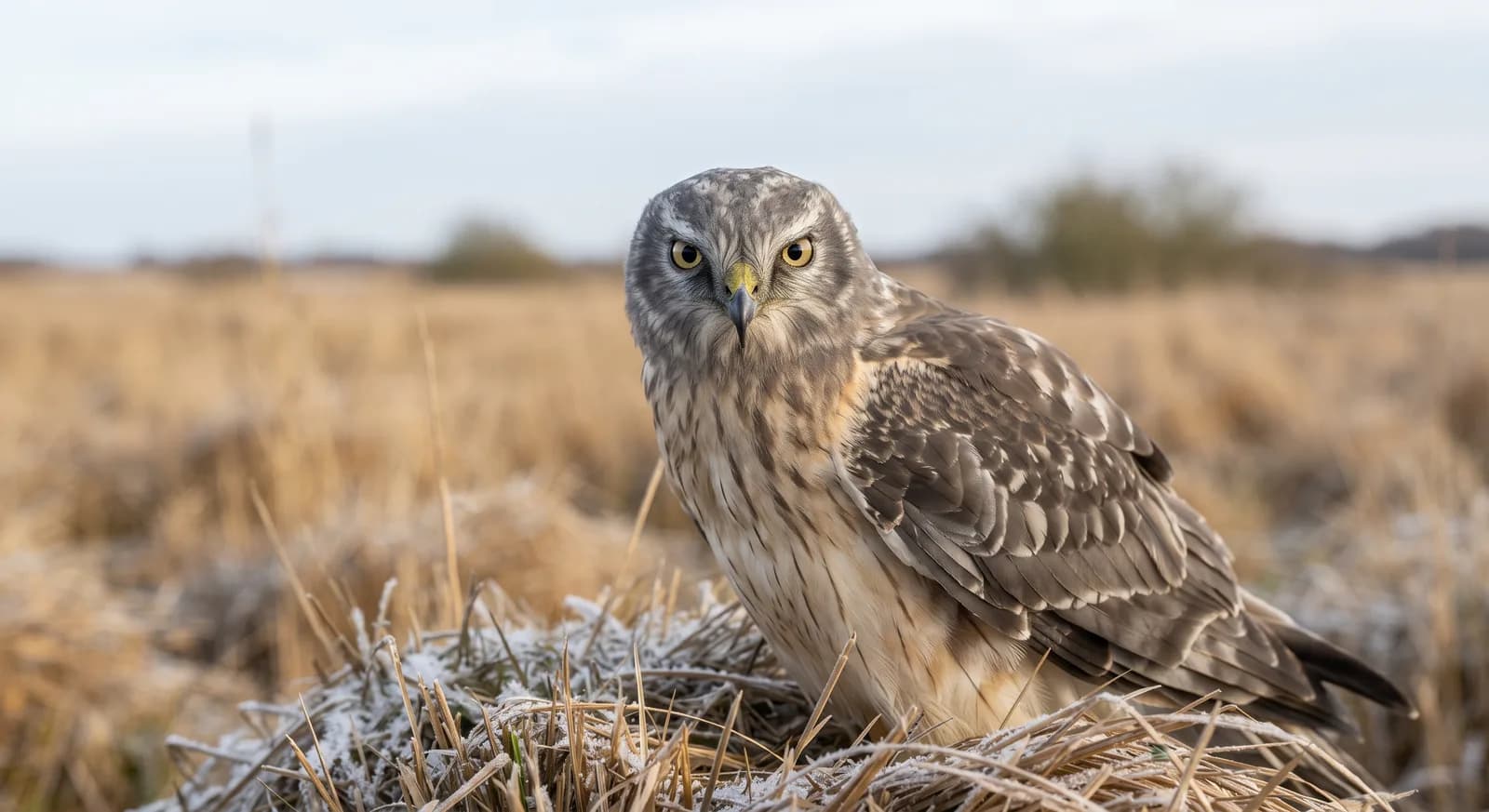
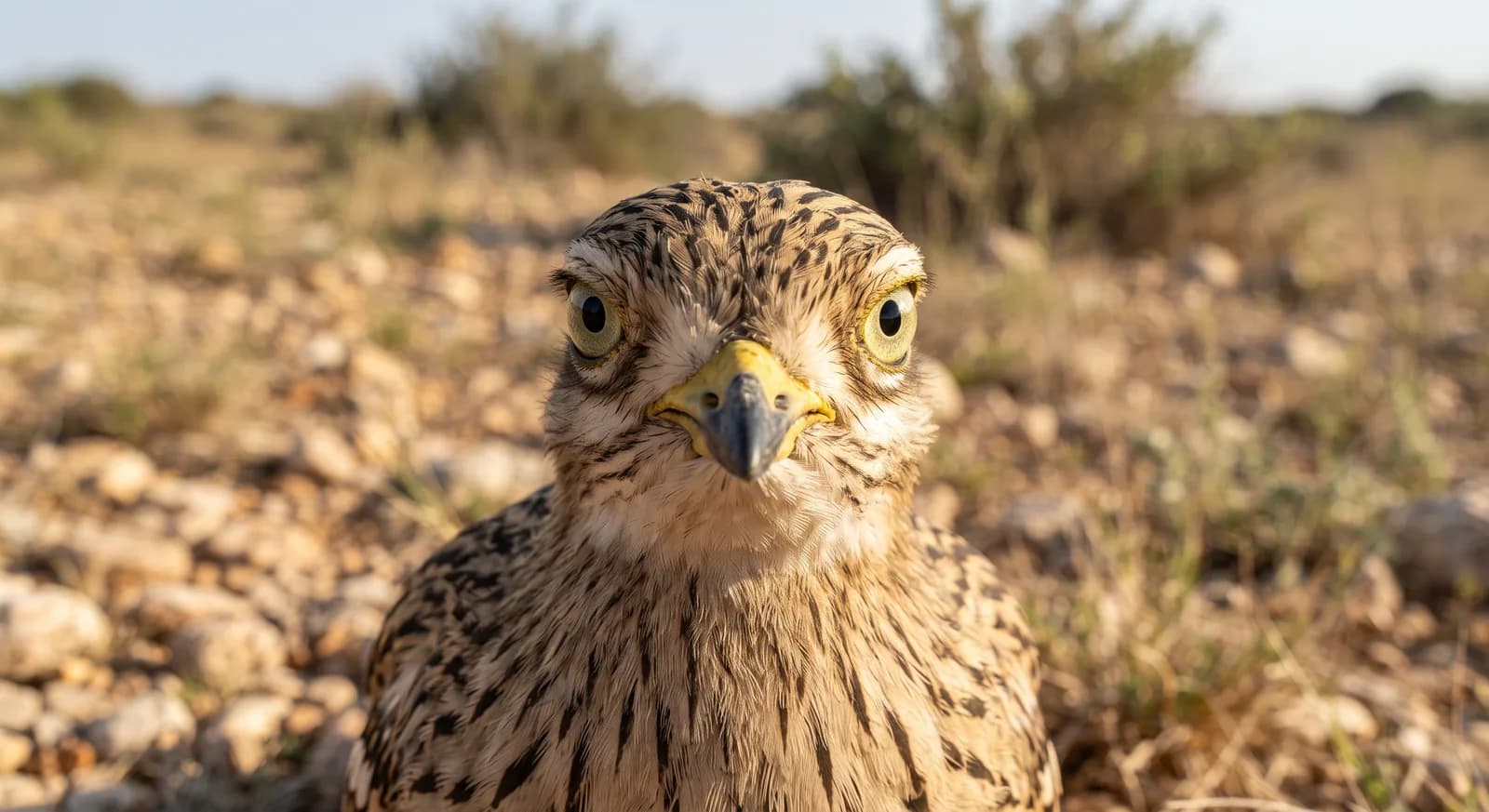
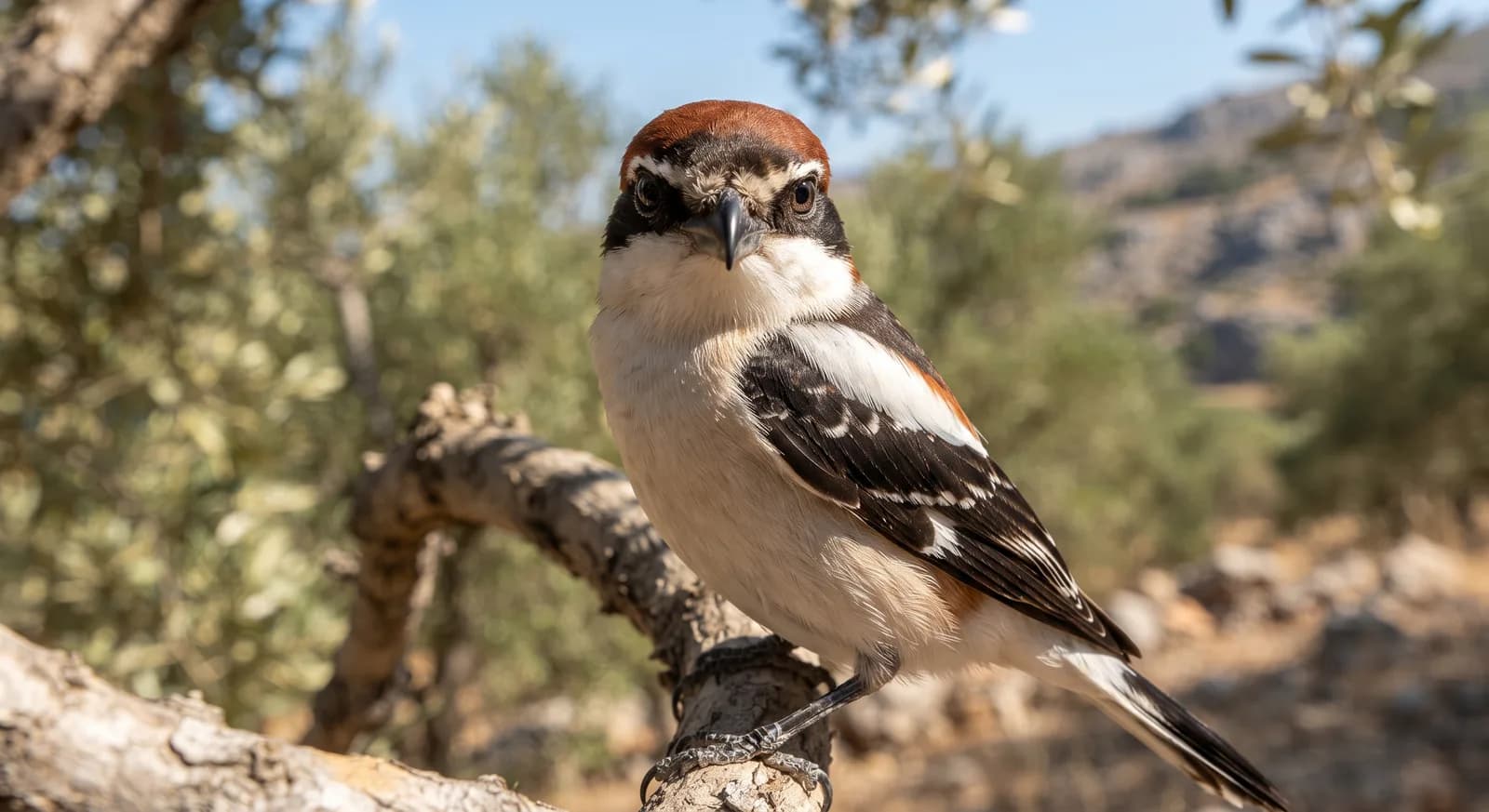
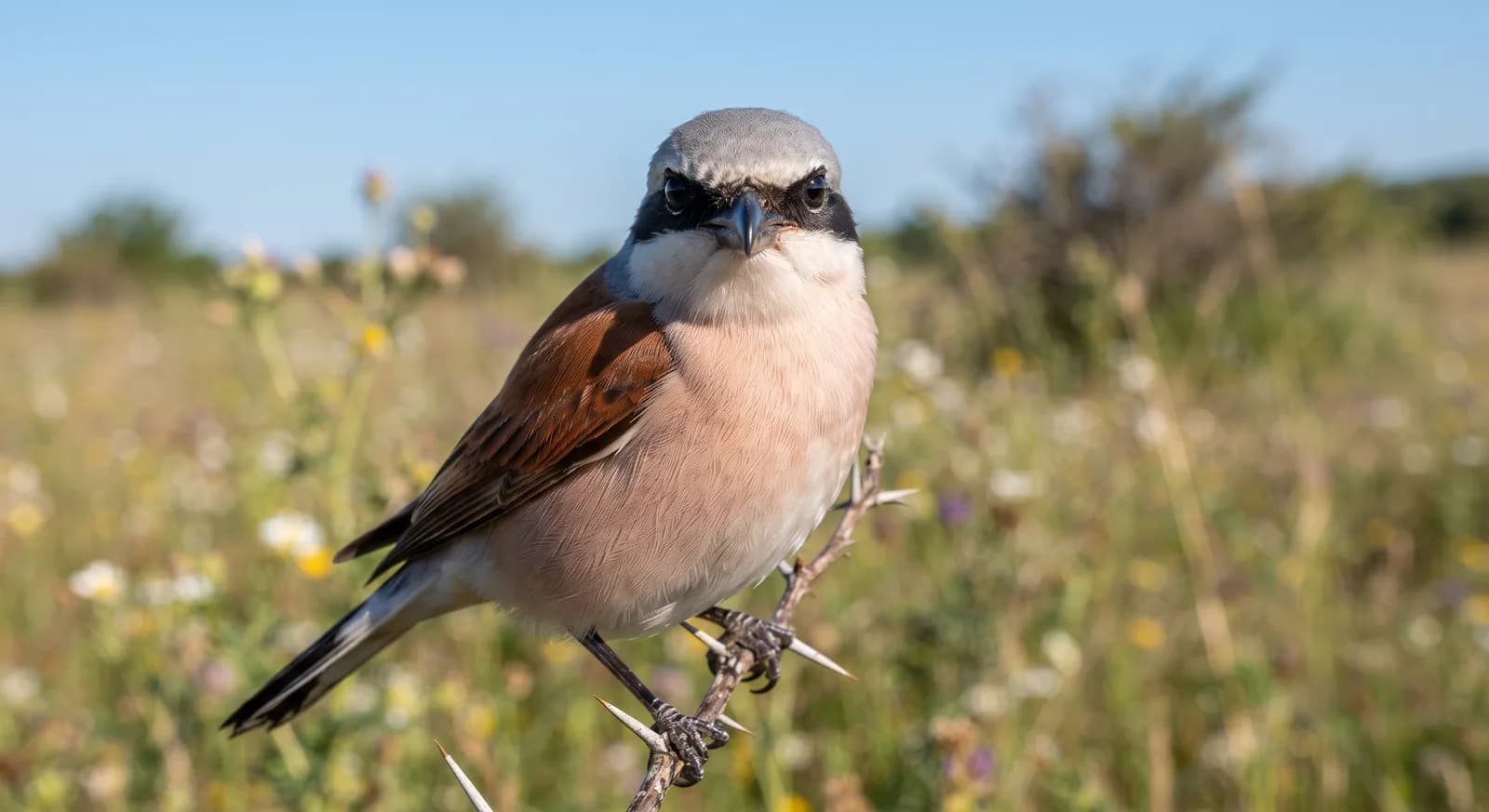
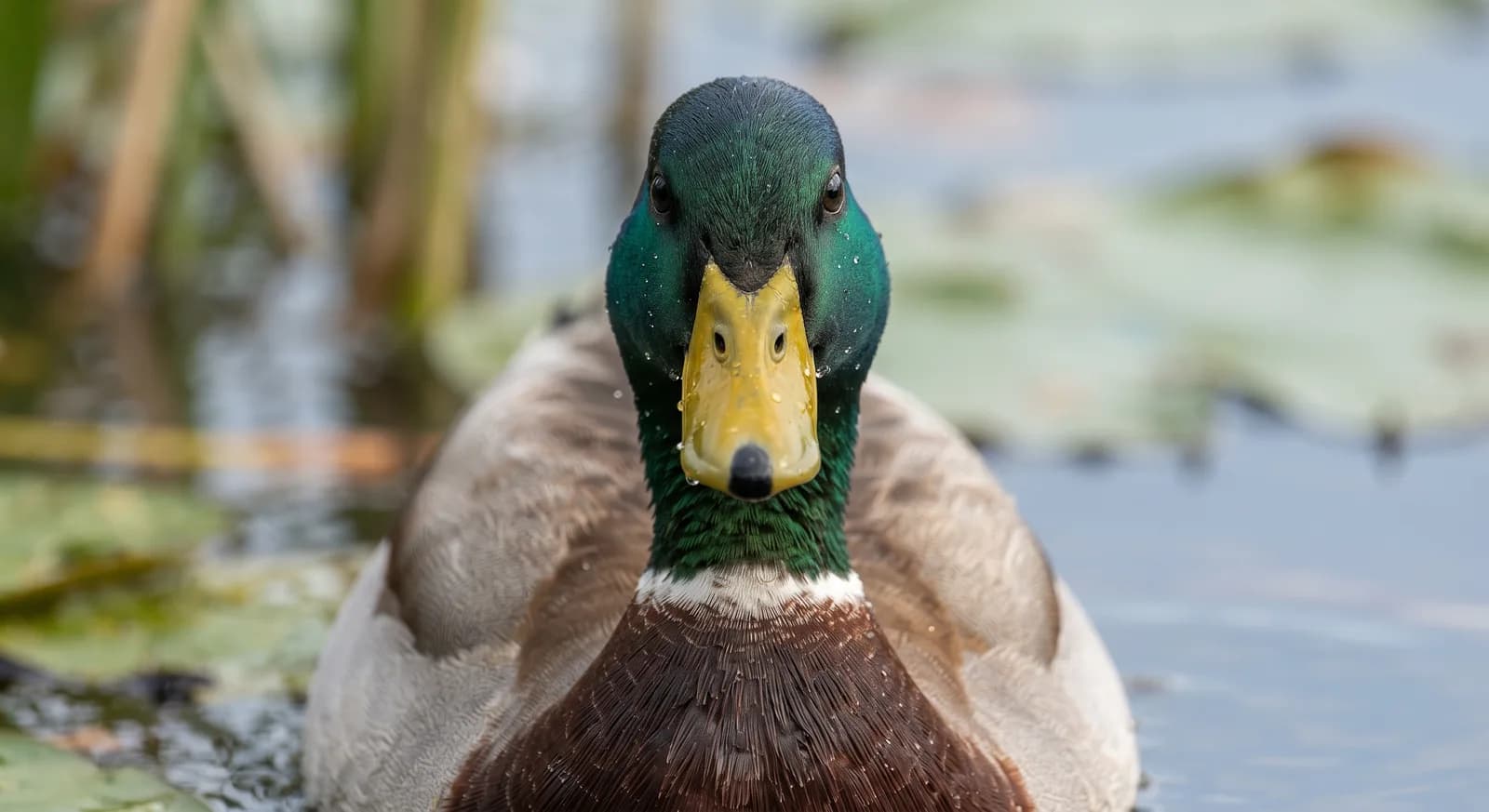
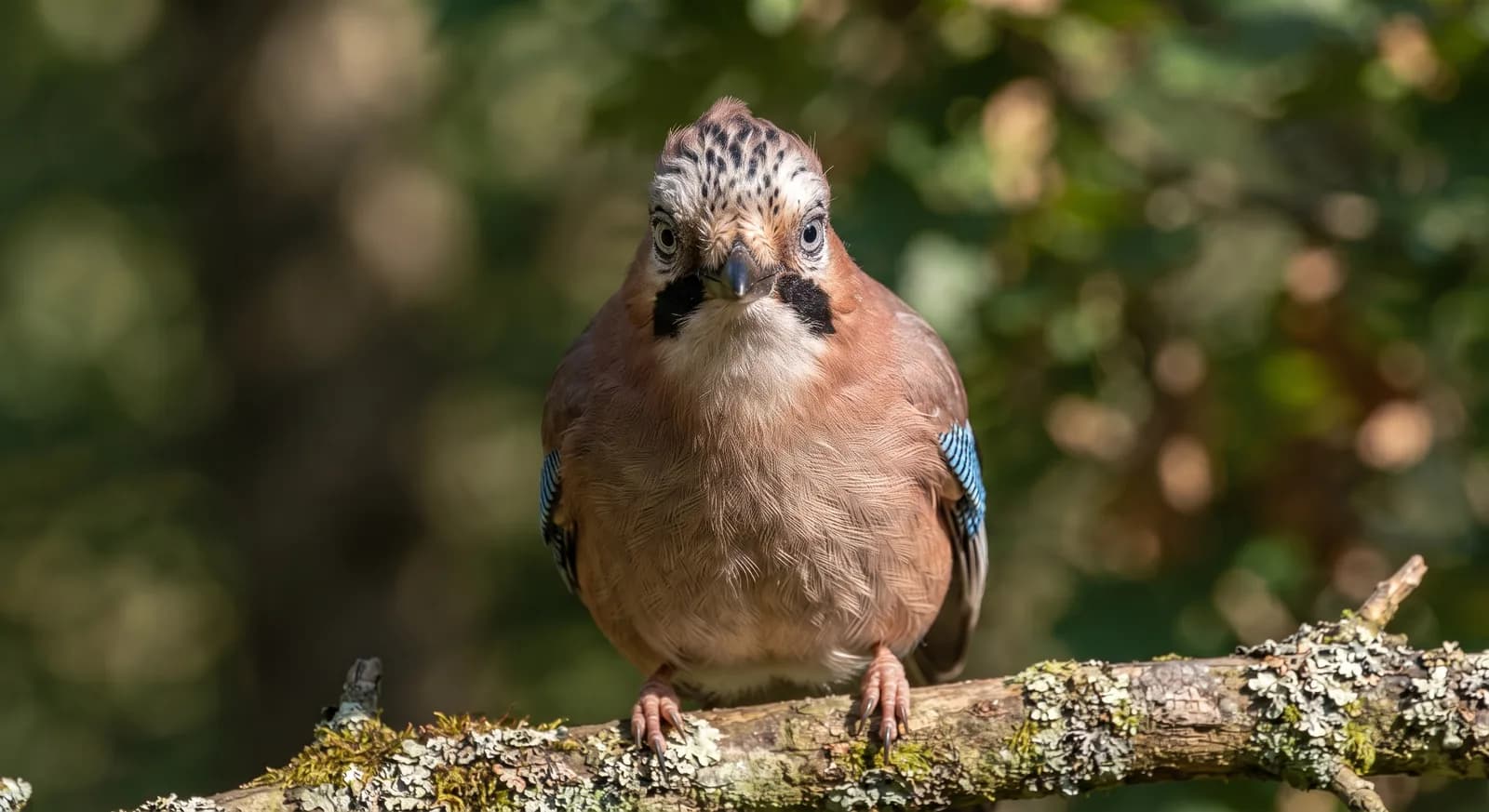
The whole forms an oasis whose luxuriance contrasts with the aridity of the Campo de Montiel around it, and its birdlife is one of its principal values; it was declared a Special Protection Area for Birds in 1988. Its cultural heritage is completed by the castle of Peñarroya, the ruins of the castle of Rochafrida and, above all, the cave of Montesinos, into which Cervantes had Don Quixote descend in one of the most celebrated episodes of the novel.
1 dive site within 300 km is also shown.
Ecosystems found in Spain, where Lagunas de Ruidera lies.
Where can I dive near here?
239 km away
What is worth looking out for this month in Spain?
Now is a good time: Common crane wintering at Gallocanta Lagoon (October to March (passage peaks in November and February))
Now is a good time: Soaring bird migration across the Strait of Gibraltar (Spring passage February to May and autumn passage July to November)
Now is a good time: Soaring bird migration across the Strait of Gibraltar (Spring passage February to May and autumn passage July to November)
Which other parks are like this one?
Same country: Spain
Same country: Spain
Same country: Spain
Same country: Spain
Based on what we already know about this park.
Share your experience visiting Lagunas de Ruidera, or a tip for other travellers.
Be the first to comment.
Climate
Arid / desert, Temperate, Mediterranean, Mountain
Best season
All year round
Threatened:,,,
Now is a good time: Soaring bird migration across the Strait of Gibraltar (Spring passage February to May and autumn passage July to November)
 Spain