Skip to content
WAnimals
  • Map
  • Species
  • Parks
  • Diving
Log inCreate account
WAnimals

The guide for travellers and animal lovers: discover, plan and share your wild adventures around the world.

Discover wildlife

  • Species
  • Ecosystems
  • Glossary
  • Tags

Explore places

  • Map
  • Countries
  • Parks
  • Diving

Plan experiences

  • Guides

Learn

  • Blog

Resources

  • Help centre
  • Contact
  • Install the app

Follow us

Account

  • Log in
  • Create account

© 2026 WAnimals. All rights reserved.

About usHow we build our profilesTerms of servicePrivacyLegal notice
MapSpeciesParksDiving
  1. Home
  2. Species
  3. Western Spadefoot

One of the 17 toads on WAnimals

Amphibians · Anura · Pelobatidae

Western Spadefoot

Pelobates cultripes

Vulnerable

At high risk of extinction in the wild over the medium term.

Spotted something wrong?

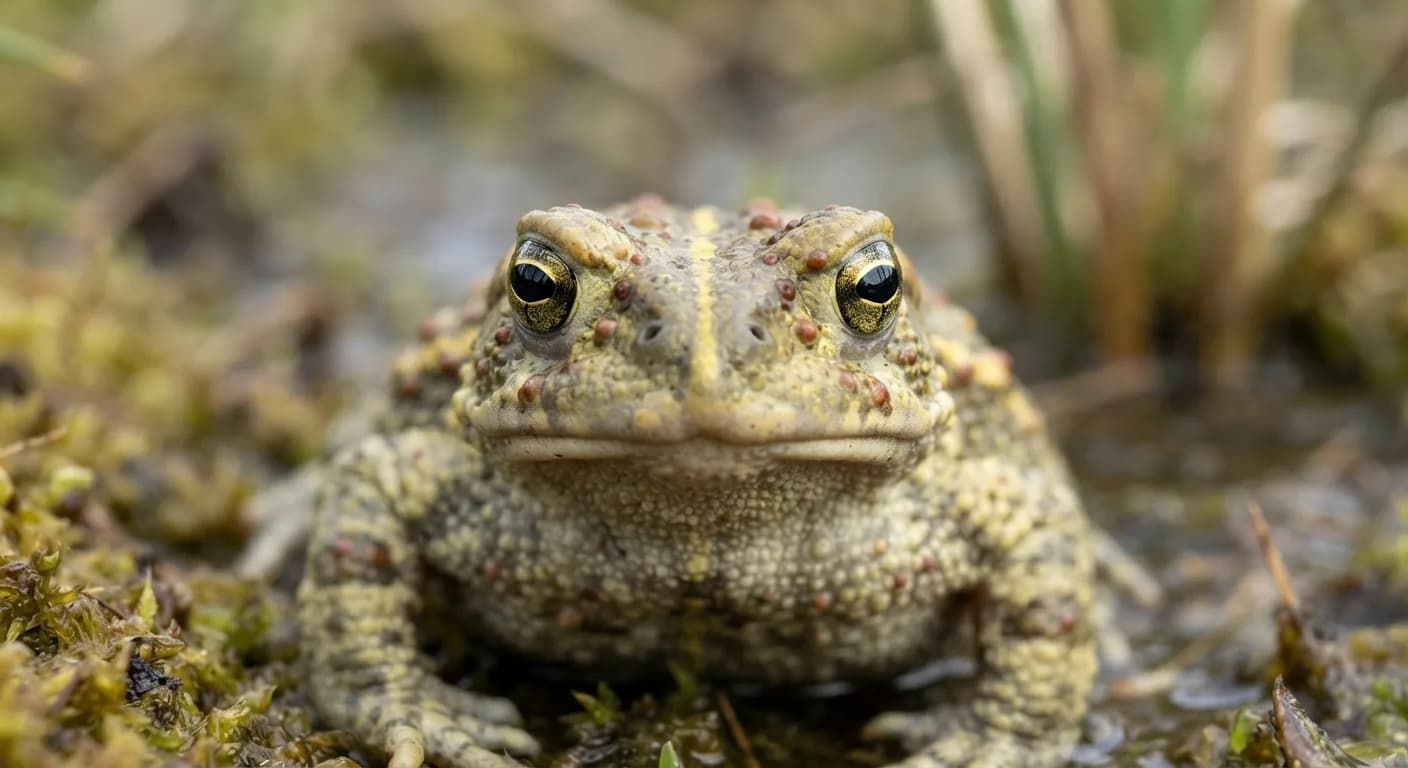
It is named for a horny spur on each hind foot, which it uses to dig backwards and bury itself in sandy ground more than 18 cm down.

Size

4 cm – 12 cm

Life expectancy

6 years

Diet

Insectivore

Feeds mainly on insects and other invertebrates.

Activity

Nocturnal

Active mainly at night.

Social structure

Solitary

Lives and hunts alone, joining others only to breed.

Sighting difficulty

Moderate

DesertGrassland
3countries20parks

Fun facts

  • adaptaciónIt can stay buried through long droughts thanks to a hard growth on its hind feet that it digs with.

Life cycle and biology

Skeleton type
Vertebrate - internal bony skeleton (amphibian)
Habitat and environment
Open ground with sandy or loose soil in the Iberian Peninsula and south-western France, up to 1,800 m
Birth weight
Eggs laid in strings up to 100 cm long, with as many as 7,000 eggs per clutch
Size at birth
2-3.5 cm long after metamorphosis
Sexual maturity
Male: 2 years | Female: 3 years
Gestation / incubation
2 weeks for the eggs to hatch; 4-6 months to complete larval metamorphosis
Litter / clutch size
1,300 to 7,000 eggs per clutch (varying markedly by source and population)

Sources consulted: PMC (chromosome-level genome assembly study); British Herpetological Society (life history traits study); Forest Watch; Animalia.bio; A-Z Animals; GoneFroggin; Wikipedia (Pelobates cultripes)

Where to find it

Loading map…

The pins mark the parks where its presence is documented.

Where to see it

Parks and dive sites where this species has been documented — showing 10 of 20.

Related species

Other species in the catalogue with the most in common with Western Spadefoot — same habitat, park, country, tags or family.

Shares a park
Shares a park
Shares a park
Shares a park
Shares a park
Shares a park

How to help

The western spadefoot is classified as vulnerable. Organisations such as the IUCN, WWF and the Wildlife Conservation Society work specifically on its conservation and that of its habitat; looking into their programmes is a good starting point if you want to get involved.

It's documented in 8 protected areas — one reason why protecting these places matters for its conservation.

Keep exploring

Based on what we already know about western spadefoot.

Comments

Share an experience, a fun fact or a tip for seeing the western spadefoot.

Be the first to comment.
See full glossary
This page in other languages: Español · Deutsch · Français · Português · Italiano
See its range on the interactive map→
Doñana National ParkSpain
Sierra de las NievesSpain
CabañerosSpain
MonfragueSpain
Tablas de DaimielSpain
CamargueFrance
Ebro DeltaSpain
Duero InternacionalPortugal
Ria FormosaPortugal
Albufera de ValenciaSpain
See all 20 parks
Common TortoiseVulnerable

Common Tortoise

Testudo graeca

Natterjack ToadLeast Concern

Natterjack Toad

Epidalea calamita

Least Concern

Iberian Painted Frog

Discoglossus galganoi

Turkish GeckoLeast Concern

Turkish Gecko

Hemidactylus turcicus

Least Concern

Parsley Frog

Pelodytes punctatus

Vulnerable

Iberian Frog

Rana iberica

CountriesSpain
ParksDoñana National ParkSpain
TagsInsectivore
Insectivore
Nocturnal
Solitary
Vulnerable
Amphibian
Desert
Grassland
Spain
Portugal
France