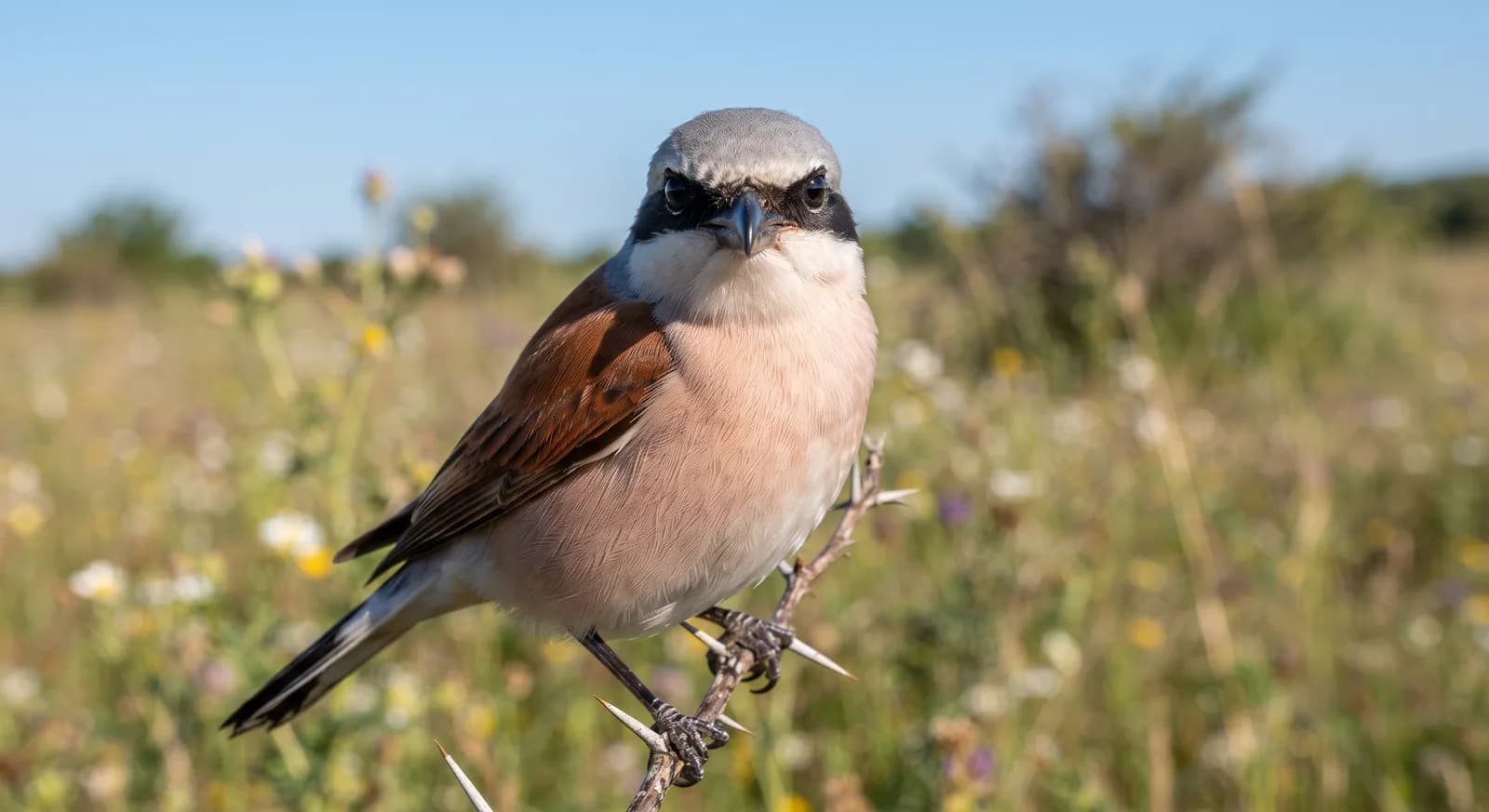
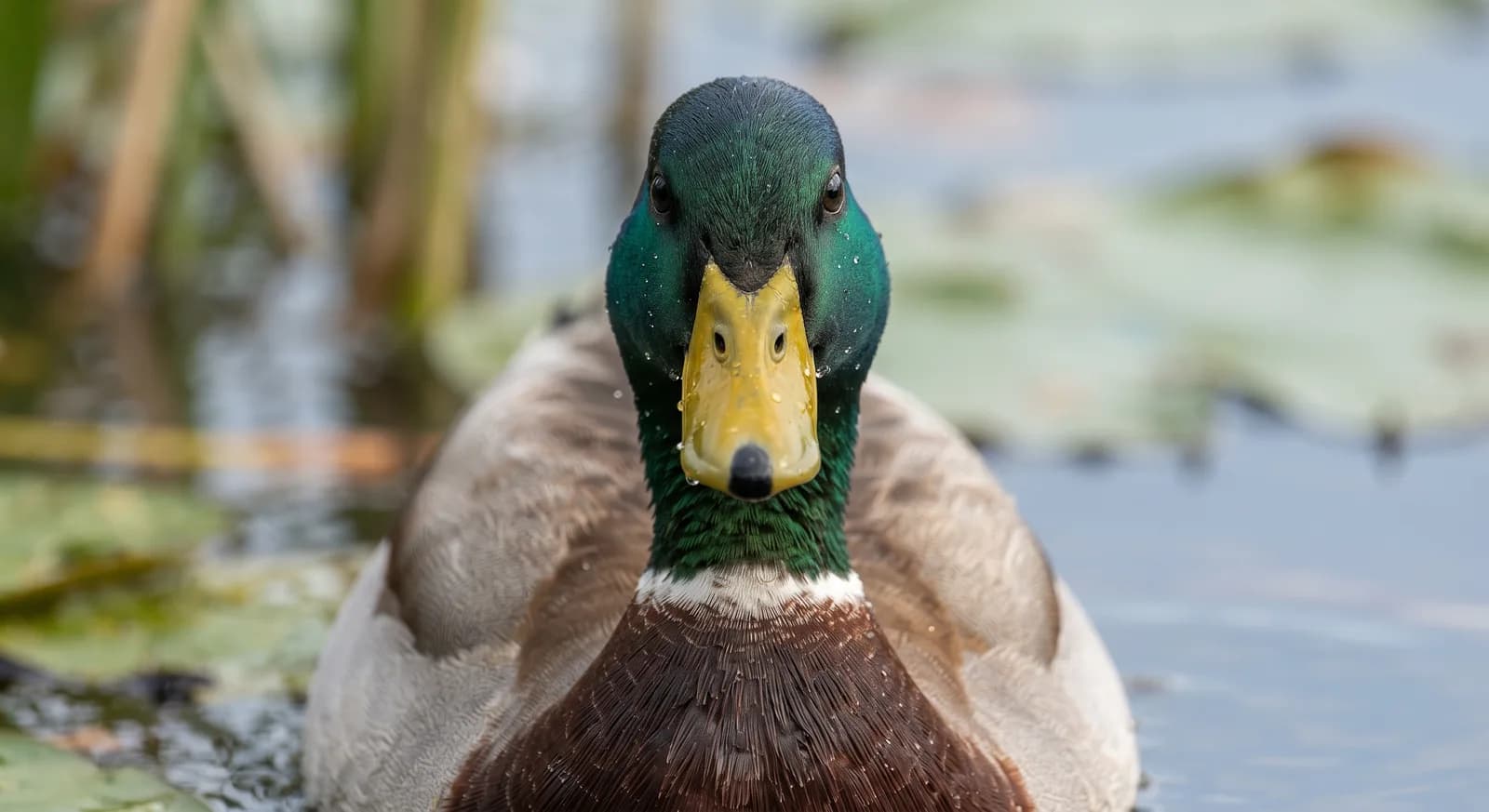
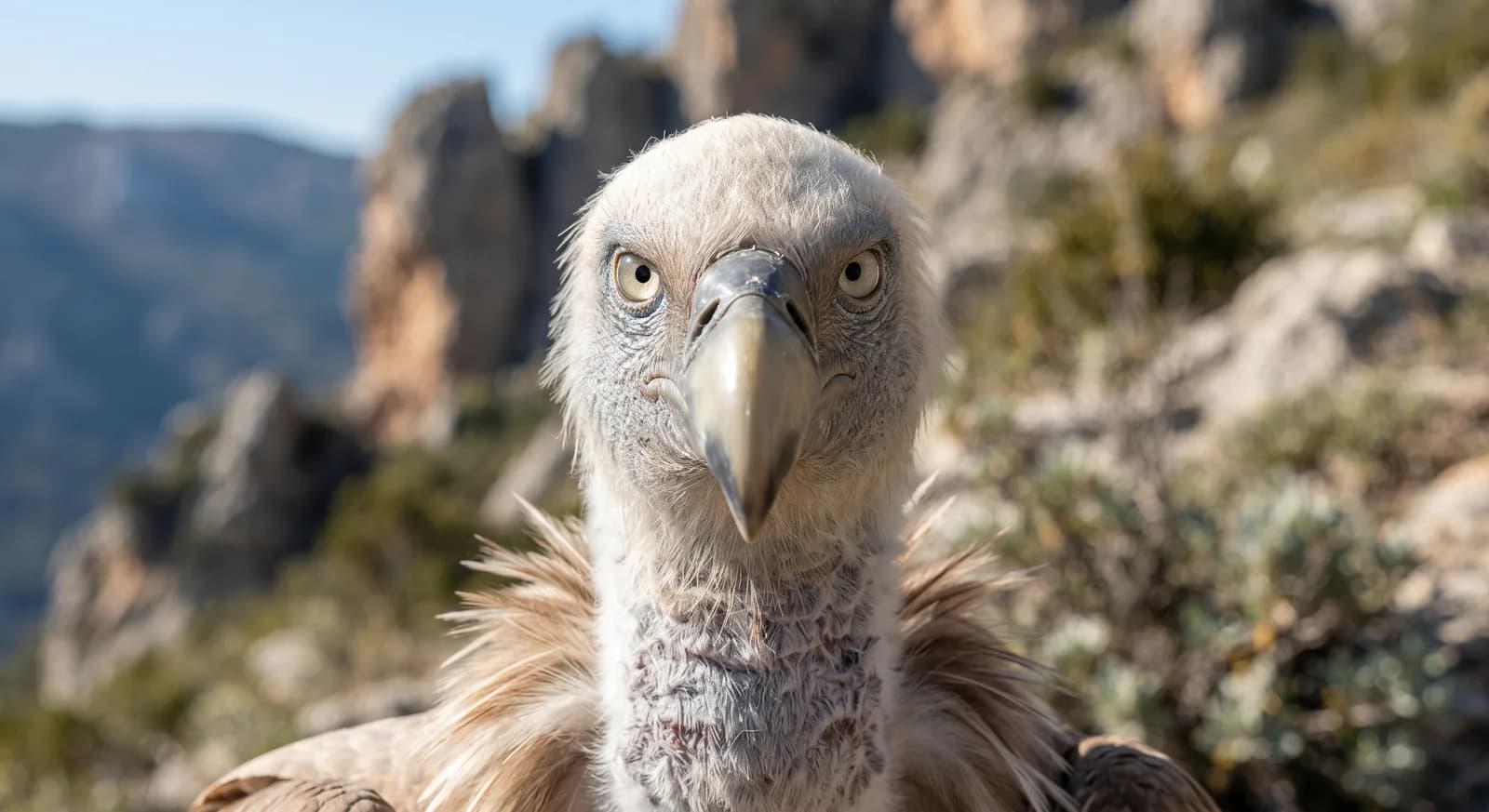
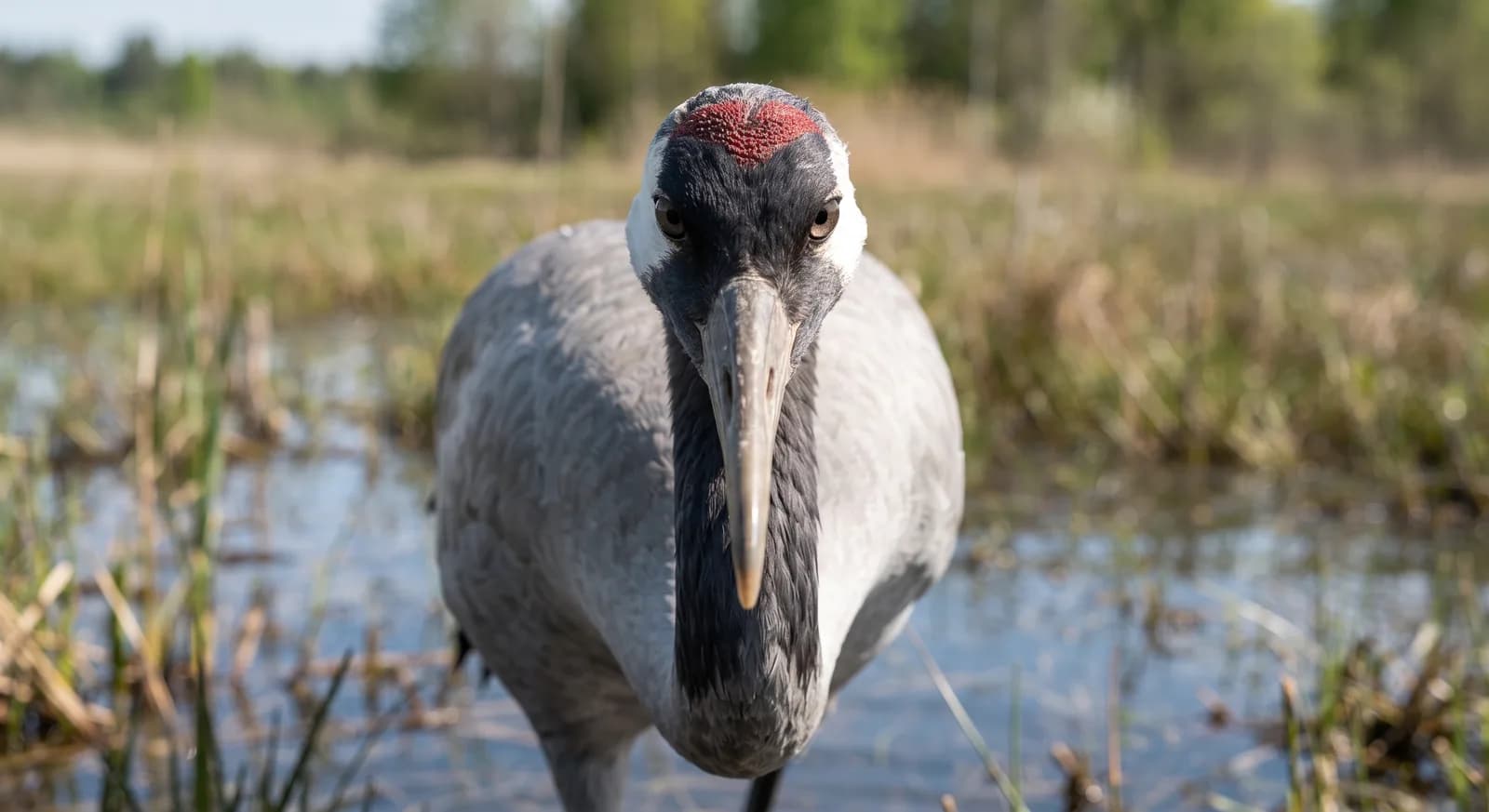
 Least Concern
Common Crane
Grus grus
Spain's second largest wetland after Doñana; Catalonia's main rice-growing area and a critical refuge for Mediterranean migratory birds
Area
79 km²
Designated in
1983
Region
Iberian Peninsula (Catalonia)
Declared in 1983, the Ebro Delta is the second most extensive wetland in Spain after Doñana, formed by the sediment the Ebro River has laid down at its Mediterranean mouth over thousands of years. Its landscape combines wide rice fields — the region's principal crop since the 18th century — with lagoons and sandy beaches that serve as a critical migratory stop for hundreds of thousands of birds between Europe and Africa, and which in recent decades have faced accelerating coastal erosion linked to the drop in sediment carried down by the river, held back by the many dams in its catchment.
4 dive sites within 300 km are also shown.
Ecosystems found in Spain, where Ebro Delta lies.
Where can I dive near here?
93 km away
177 km away
235 km away
What is worth looking out for this month in Spain?
Now is a good time: Common crane wintering at Gallocanta Lagoon (October to March (passage peaks in November and February))
Now is a good time: Soaring bird migration across the Strait of Gibraltar (Spring passage February to May and autumn passage July to November)
Now is a good time: Soaring bird migration across the Strait of Gibraltar (Spring passage February to May and autumn passage July to November)
Which other parks are like this one?
Same country: Spain
Same country: Spain
Same country: Spain
Same country: Spain
Based on what we already know about this park.
Share your experience visiting Ebro Delta, or a tip for other travellers.
Be the first to comment.
Climate
Arid / desert, Temperate, Mediterranean, Mountain
Best season
All year round
Threatened:,,,,,,,,,,,
248 km away
Now is a good time: Soaring bird migration across the Strait of Gibraltar (Spring passage February to May and autumn passage July to November)
 Spain