 Least Concern
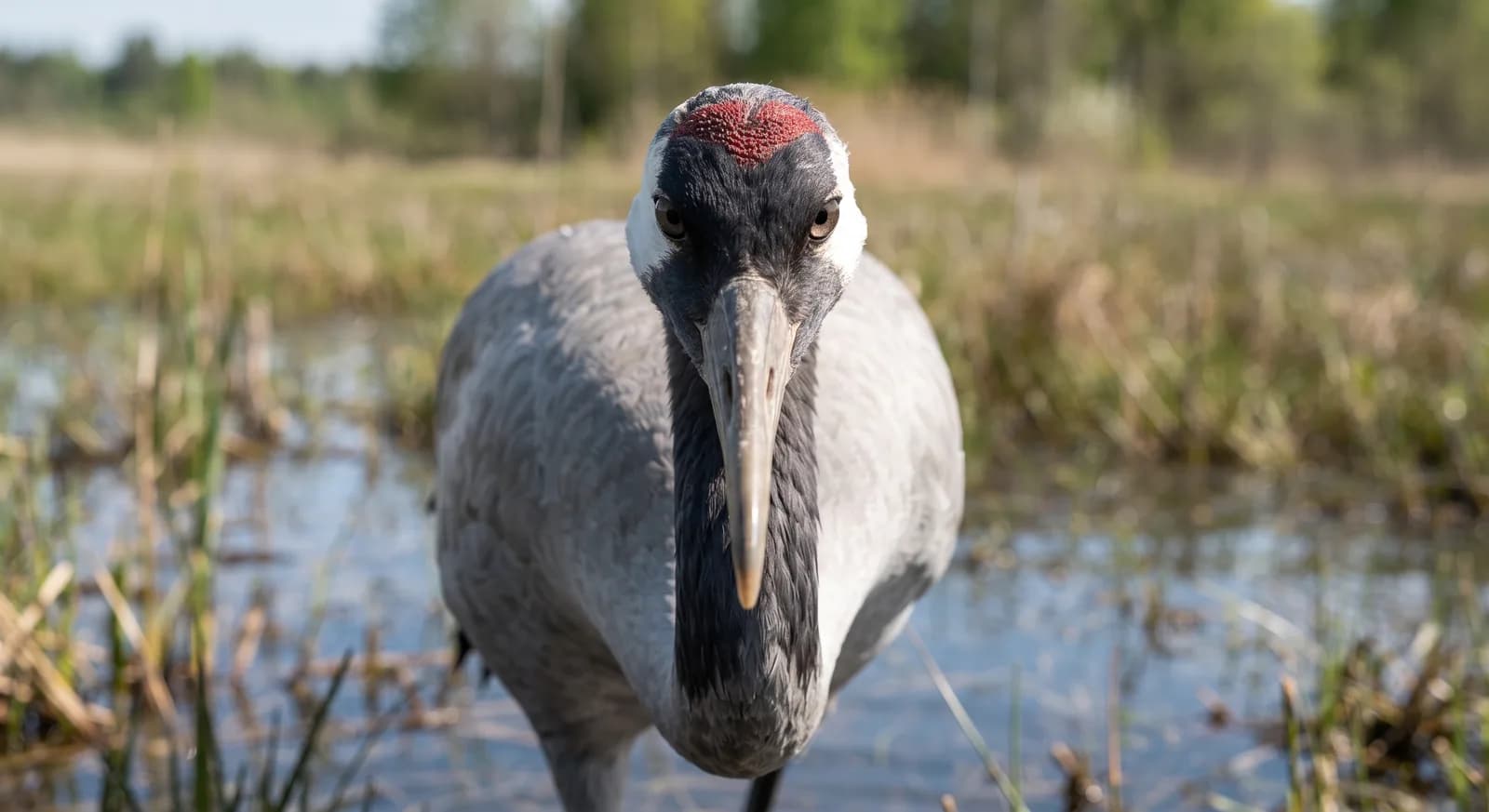
Common Crane
Grus grus
Spain's largest coastal freshwater lagoon, ringed by rice paddies and separated from the sea by the Dehesa del Saler.
Area
211 km²
Designated in
1986
Region
Southern Europe
A shallow coastal lagoon, marshland and rice paddies
L'Albufera Natural Park protects 21,120 hectares some ten kilometres south of the city of Valencia, spread across thirteen municipalities. Its core is a shallow coastal lagoon, barely a metre deep on average and with some 24 km² of open water, ringed by more than 200 km² of rice paddies and separated from the Mediterranean by a narrow sand bar whose dunes are held in place by a pine wood: the Dehesa del Saler. The Romans called it Nacarum Stagnum and some Arab poems, Mirror of the Sun; its present name comes from the Arabic al-Buhayra, the lake.
The landscape is in equal parts geological and human. The Valencian plain, low-lying and subsiding, was filled in with Quaternary alluvium after the old gulf was closed off by a coastal bar, and the lagoon was left as the natural reservoir of a 917 km² catchment between the Turia and the Júcar; it connects with the sea through three drainage channels called golas, whose sluices allow the water level to be managed according to the needs of the rice. From the fifteenth century onwards human intervention gradually drained and narrowed the lagoon to win farmland. In the 1960s the process reached its limit: a plan was approved to develop the Dehesa del Saler that threatened to build over the dune bar. The public reaction and the request of Valencia City Council in 1984 led to its declaration as a natural park on 8 July 1986, by Decree 89/1986 of the Generalitat Valenciana.
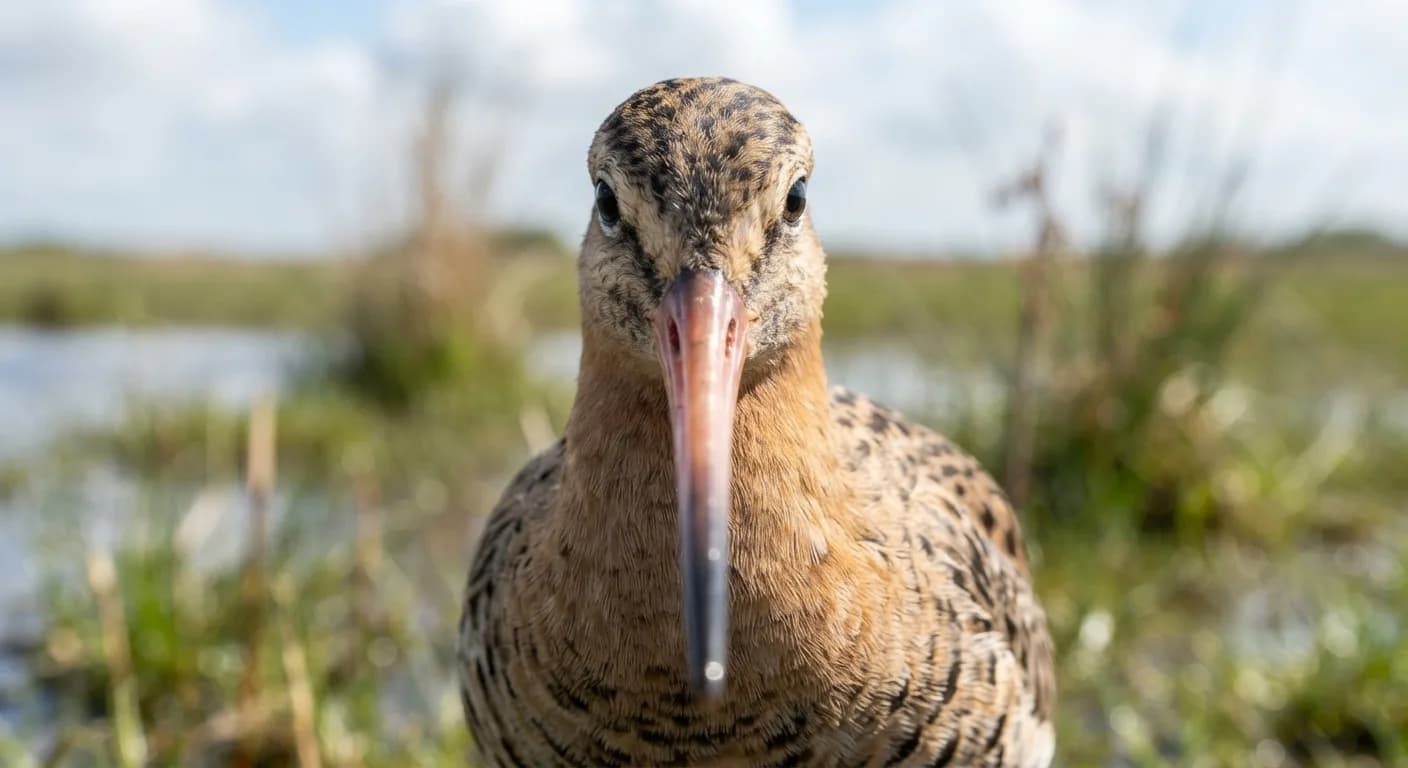
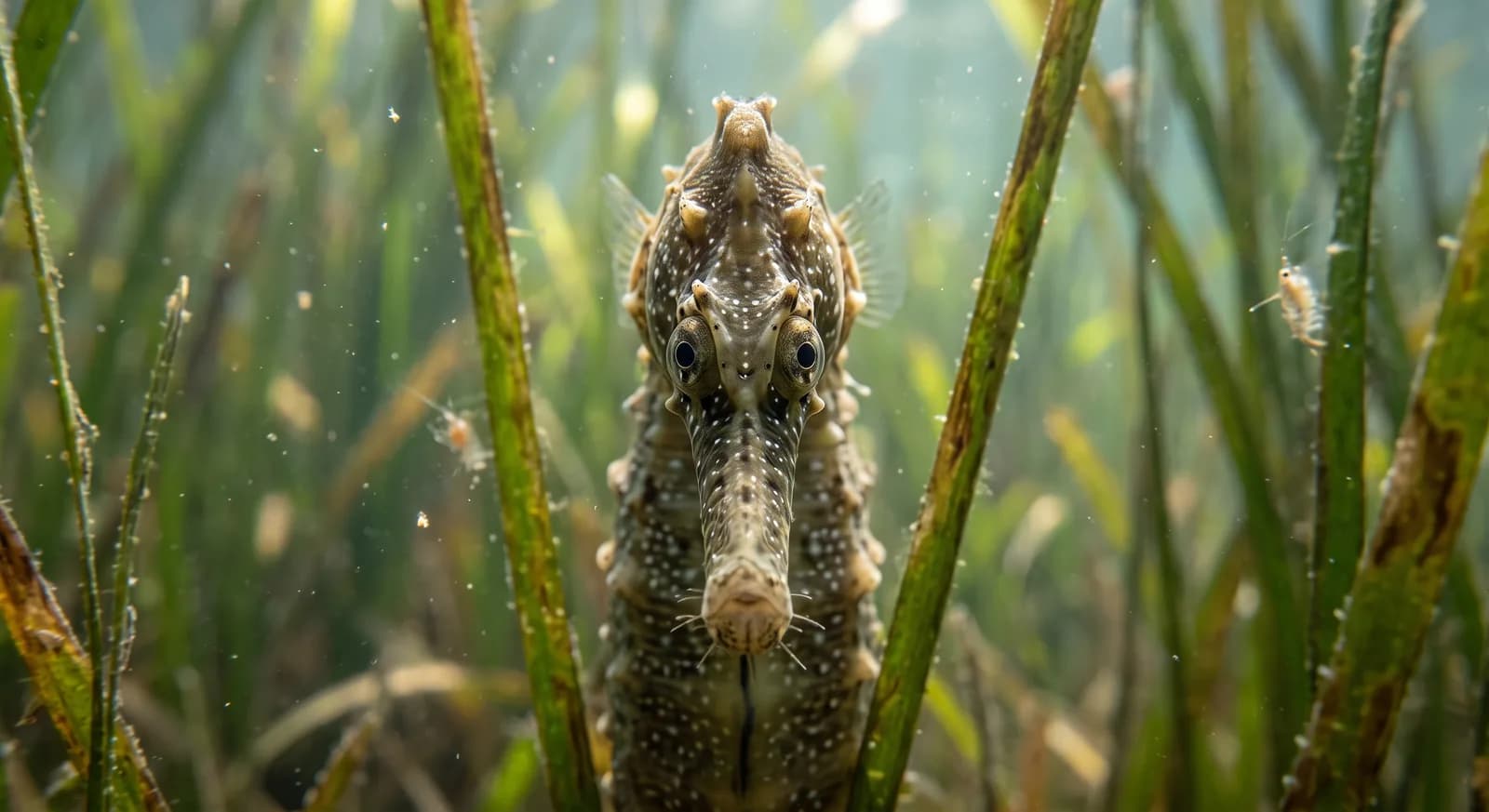
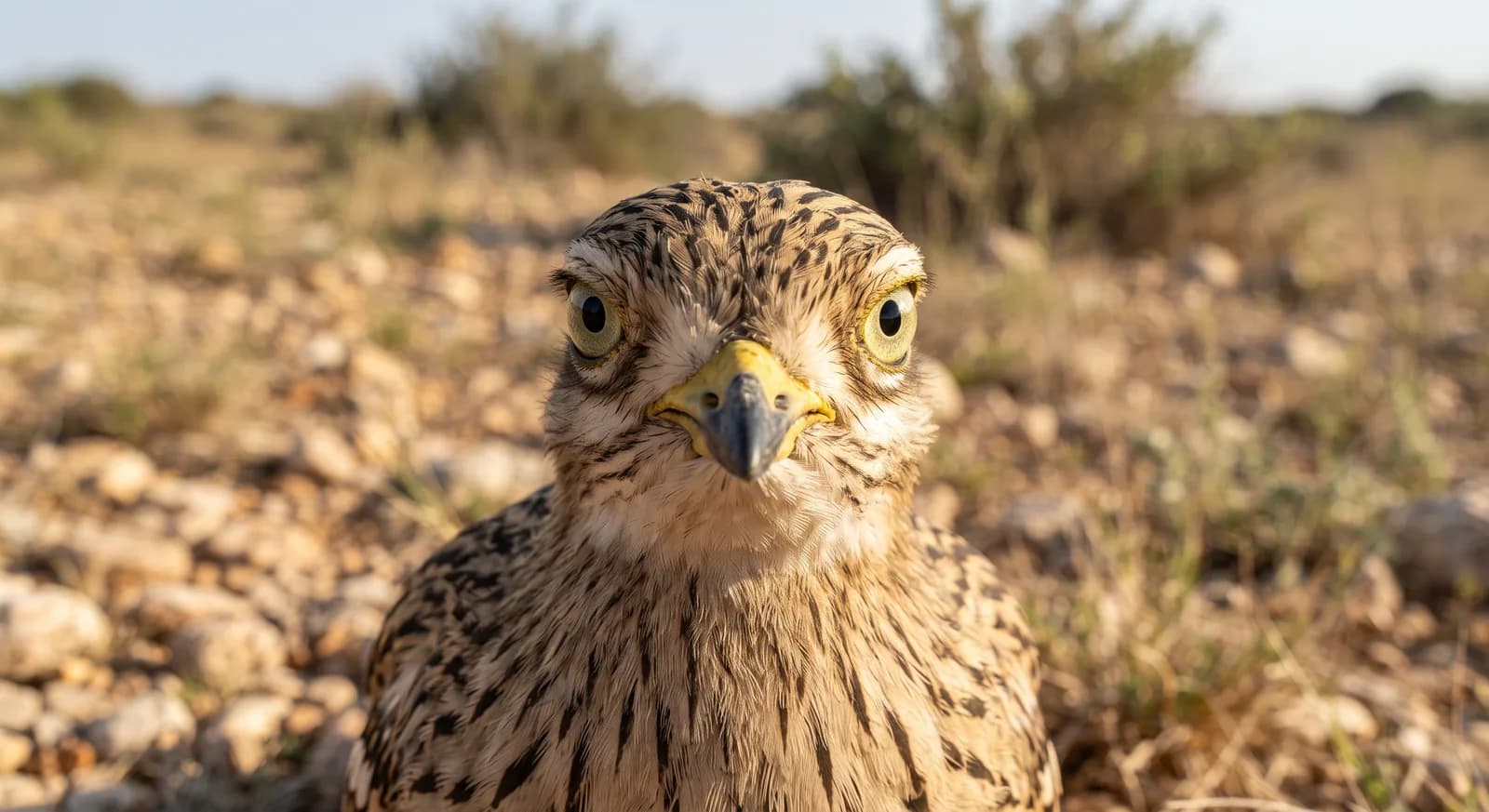
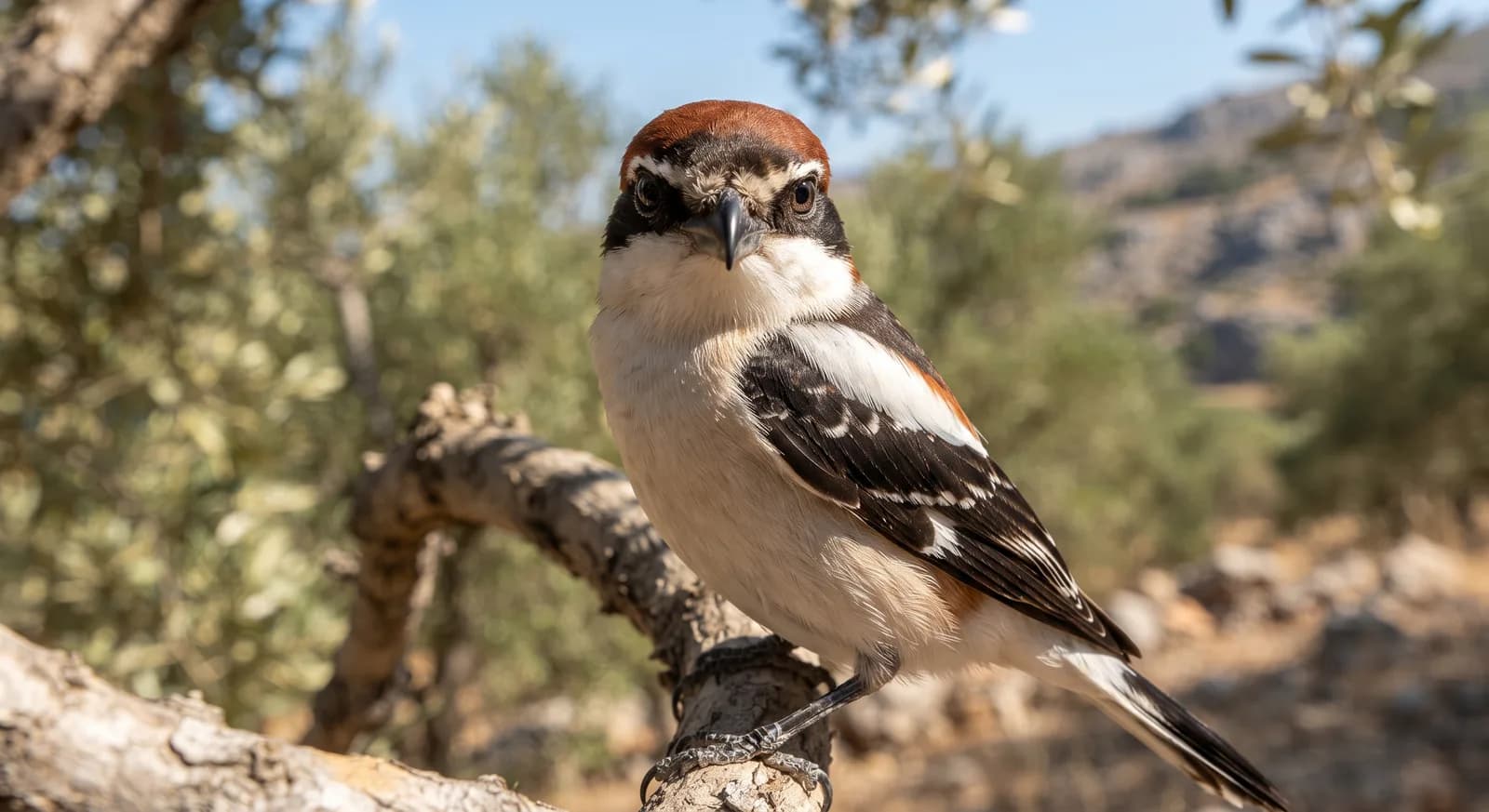
Fresh water and salt, dehesa, cultivation and dune are the park's four environments, and each contributes its own set of species: coastal dunes with sea bindweed and couch grass, salt marshes, Mediterranean woodland of Aleppo pine, mastic, juniper, kermes oak and dwarf fan palm in the Saler, and extensive reedbeds along the shores. It is a key passage and wintering point for the migratory birds of the western Mediterranean. Among the fish, two threatened Iberian endemics stand out, the Valencia toothcarp (Valencia hispanica) and the Spanish toothcarp (Aphanius iberus), along with eel, mullet and sea bass, the basis of a traditional fishery that is now heavily restricted. The park has been on the Ramsar list of wetlands of international importance since 1990 and is a Special Protection Area for Birds and a Site of Community Importance in the Natura 2000 network.
4 dive sites within 300 km are also shown.
Ecosystems found in Spain, where Albufera de Valencia lies.
Where can I dive near here?
108 km away
169 km away
191 km away
What is worth looking out for this month in Spain?
Now is a good time: Common crane wintering at Gallocanta Lagoon (October to March (passage peaks in November and February))
Now is a good time: Soaring bird migration across the Strait of Gibraltar (Spring passage February to May and autumn passage July to November)
Now is a good time: Soaring bird migration across the Strait of Gibraltar (Spring passage February to May and autumn passage July to November)
Which other parks are like this one?
Same country: Spain
Same country: Spain
Same country: Spain
Same country: Spain
Based on what we already know about this park.
Share your experience visiting Albufera de Valencia, or a tip for other travellers.
Be the first to comment.
Climate
Arid / desert, Temperate, Mediterranean, Mountain
Best season
All year round
Threatened:,,,,,,,,
231 km away
Now is a good time: Soaring bird migration across the Strait of Gibraltar (Spring passage February to May and autumn passage July to November)
 Spain