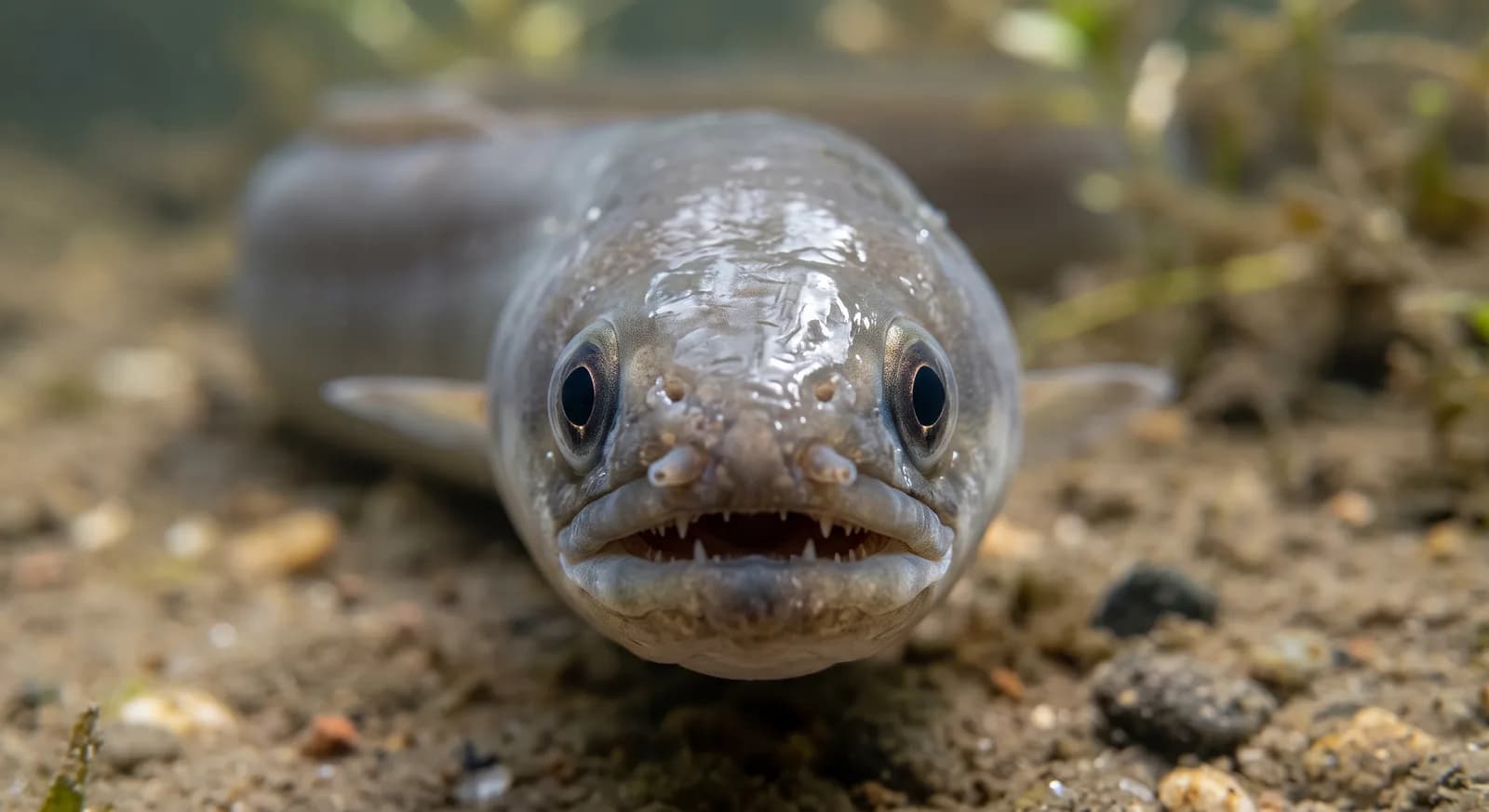
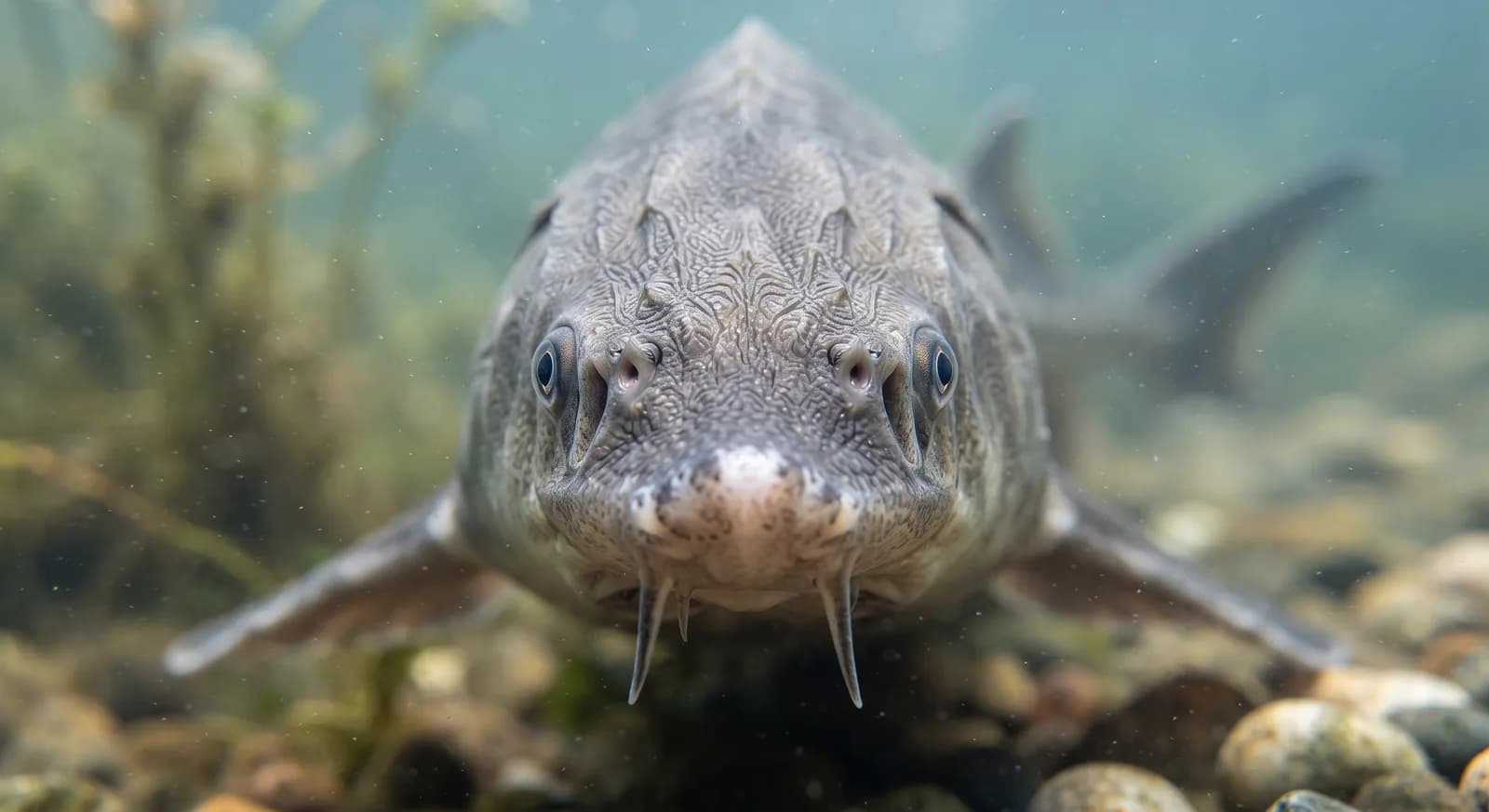
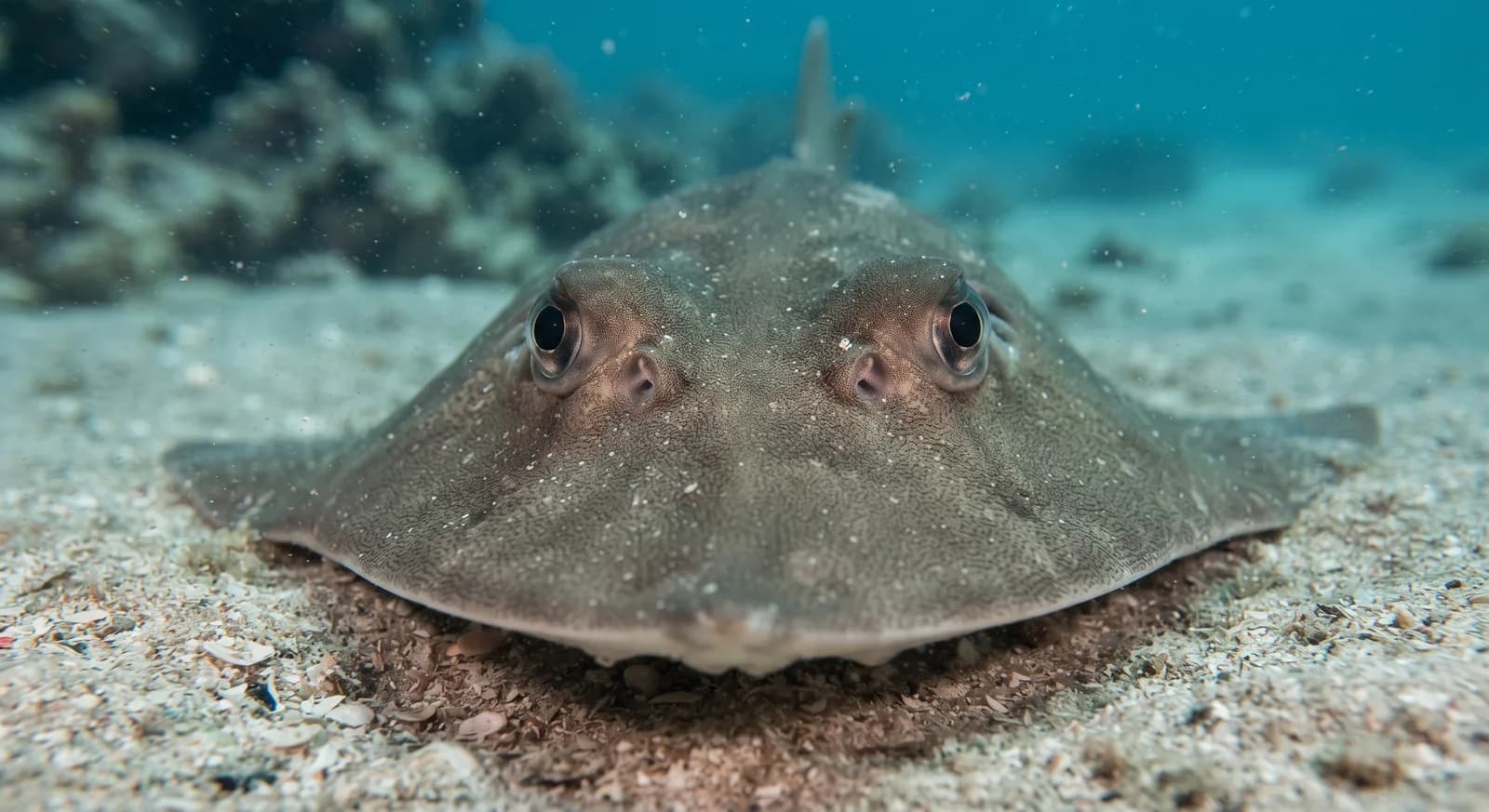
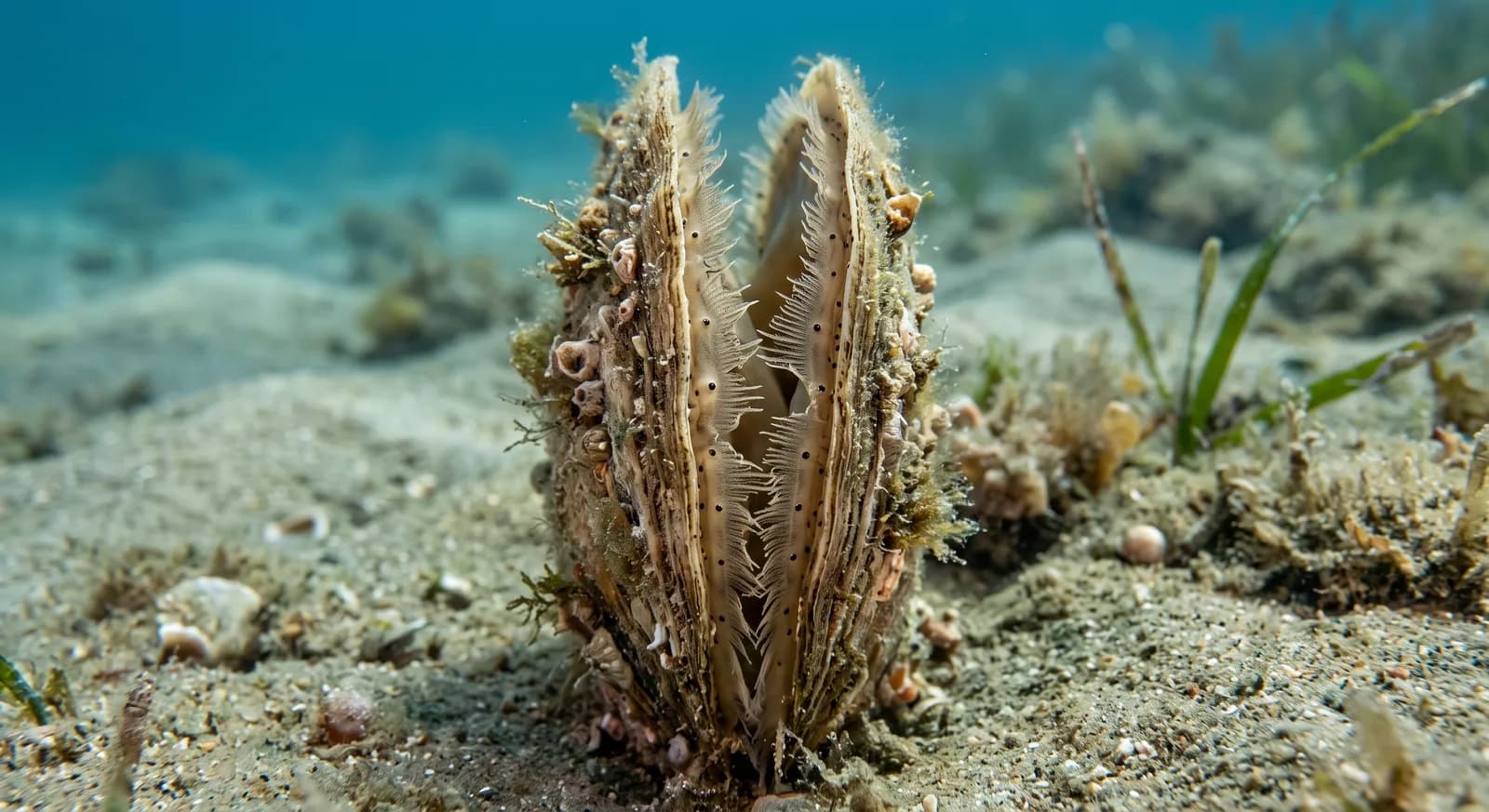
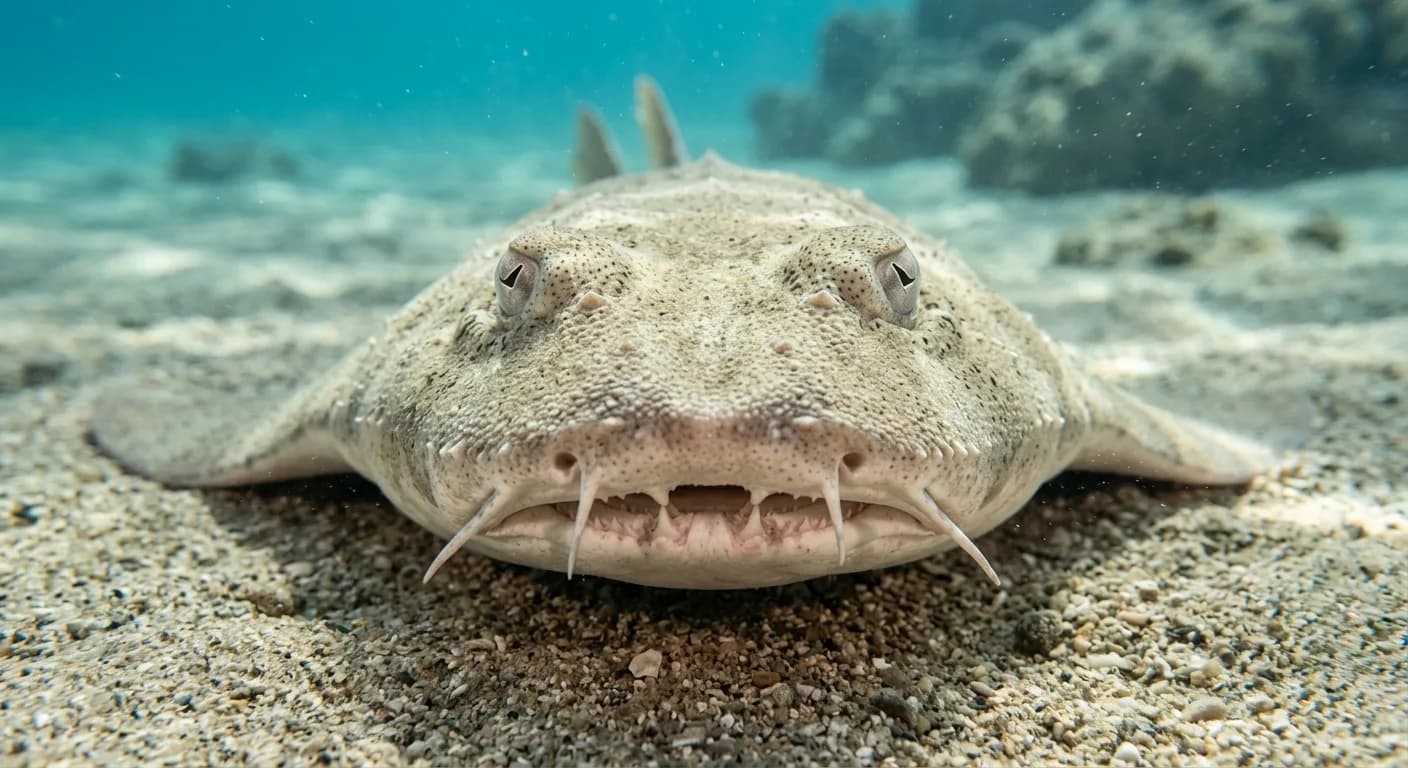
 Critically Endangered
Angelshark
Squatina squatina
Europe
Portugal combines an Atlantic frontage of more than eight hundred kilometres with a mountainous interior and a south of Mediterranean scrub, plus two ocean archipelagos that multiply its natural value. The north keeps oak and birch woods in the Peneda-Gerês range, where the country's last Iberian wolves survive alongside the garrano, a hardy semi-wild horse. The Alentejo contributes the montado, the Portuguese version of the dehesa, with the largest cork oak woodland in the world. The wetlands of the Tagus, the Sado and the Ria Formosa host tens of thousands of wintering waders. Madeira keeps the best-preserved laurel forest on the planet, a relict woodland of the Tertiary and a World Heritage Site. The Azores, on the Mid-Atlantic Ridge, are one of the best places in the northern hemisphere to watch cetaceans: around a third of all known whale and dolphin species pass through their waters.
National animal: The Barcelos rooster is the popular symbol; the Portuguese water dog and the Iberian wolf serve as wildlife emblems
Zino's petrel, endemic to the high peaks of Madeira, was believed extinct for decades until it was rediscovered in 1969 on inaccessible ledges of the central massif. It is one of the rarest seabirds in Europe, with barely a few dozen breeding pairs, and survives thanks to the control of rats and feral cats on its nesting ledges.
The Iberian wolf population south of the Douro is on the brink of functional extinction. In the archipelagos, eradicating introduced mammals has allowed endemic seabirds on the edge of disappearance to recover.
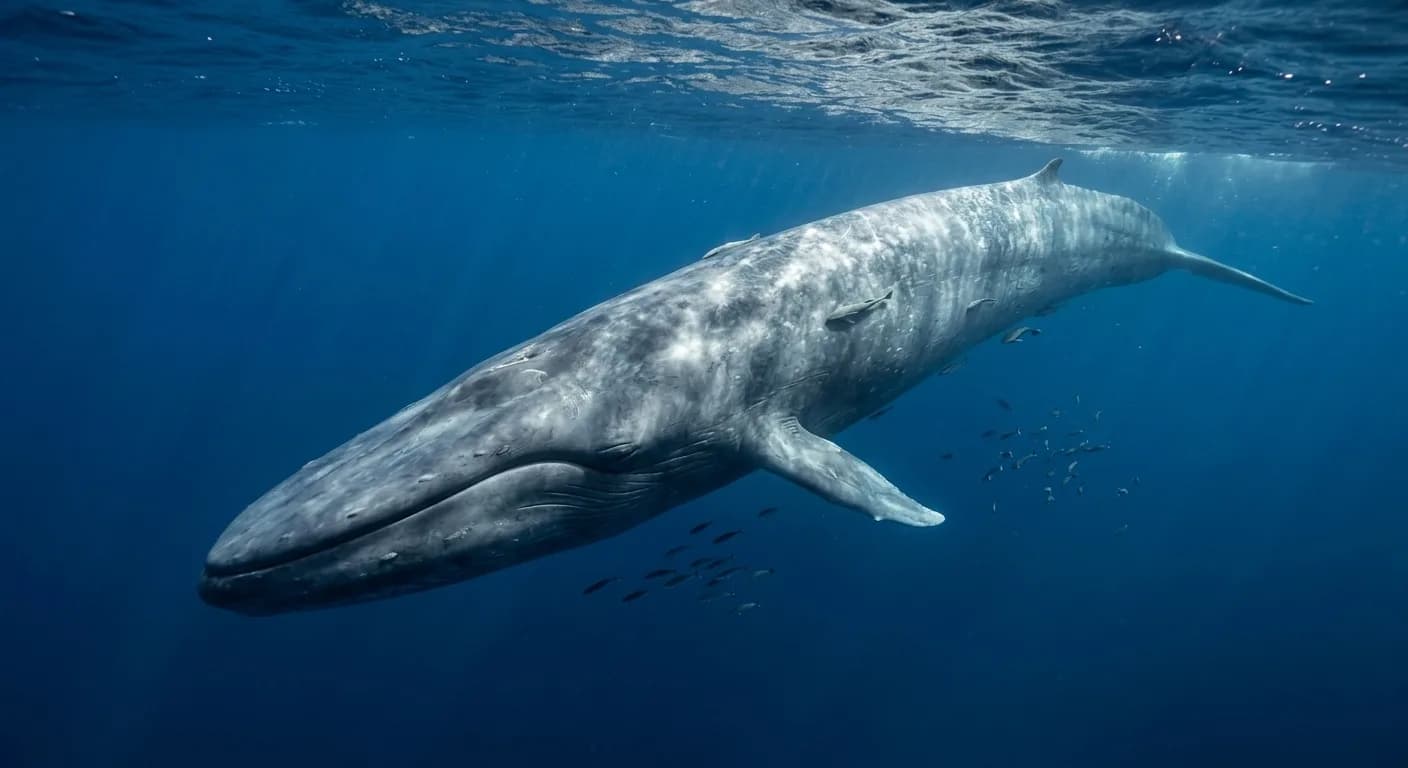
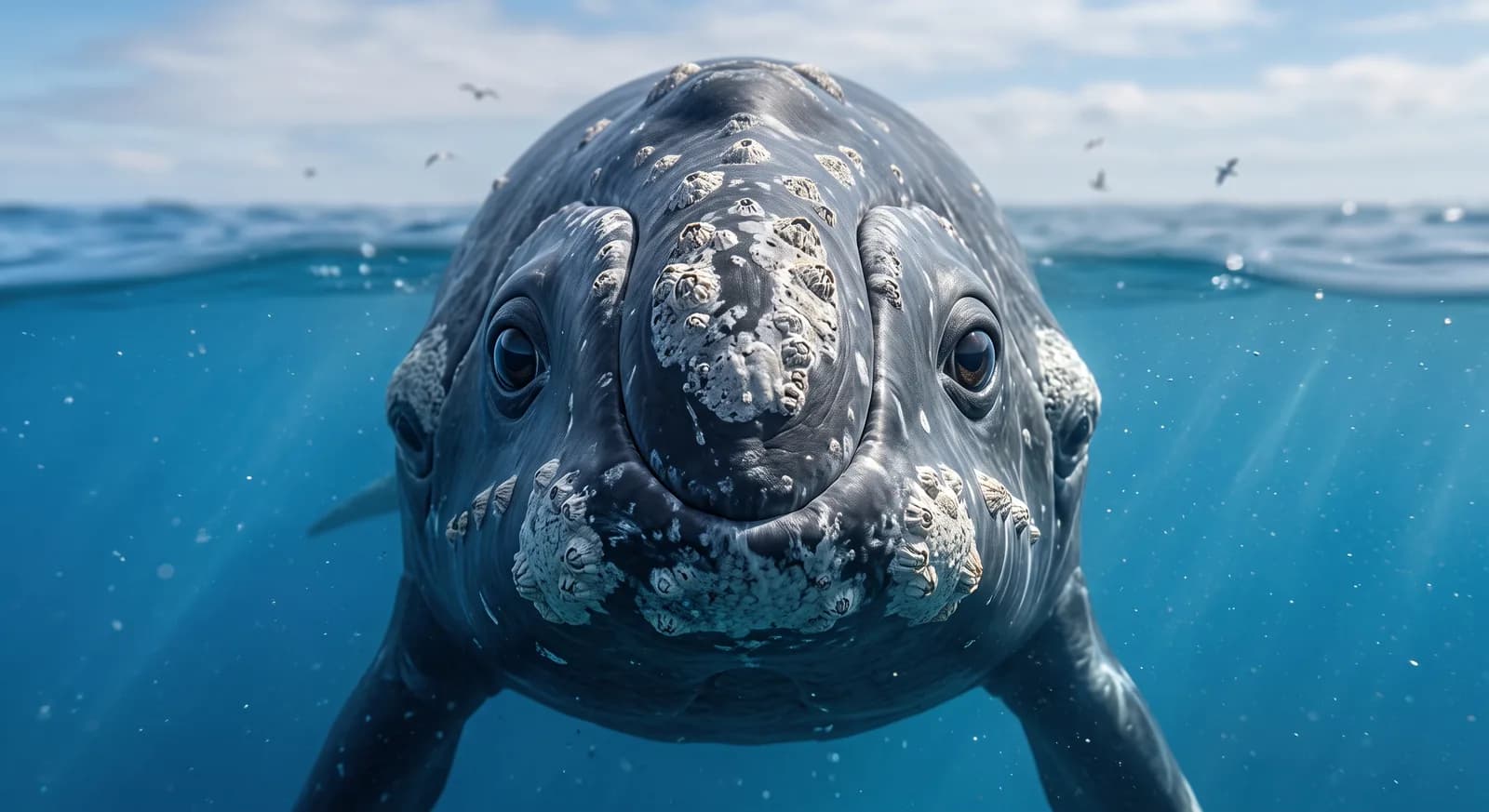
The Azores between April and October for cetaceans, with blue and fin whales passing in spring. Ria Formosa and the Tagus estuary between October and March for wintering waterbirds. The Berlengas in spring for seabird colonies.
745 species found
Based on what we already know about Portugal.