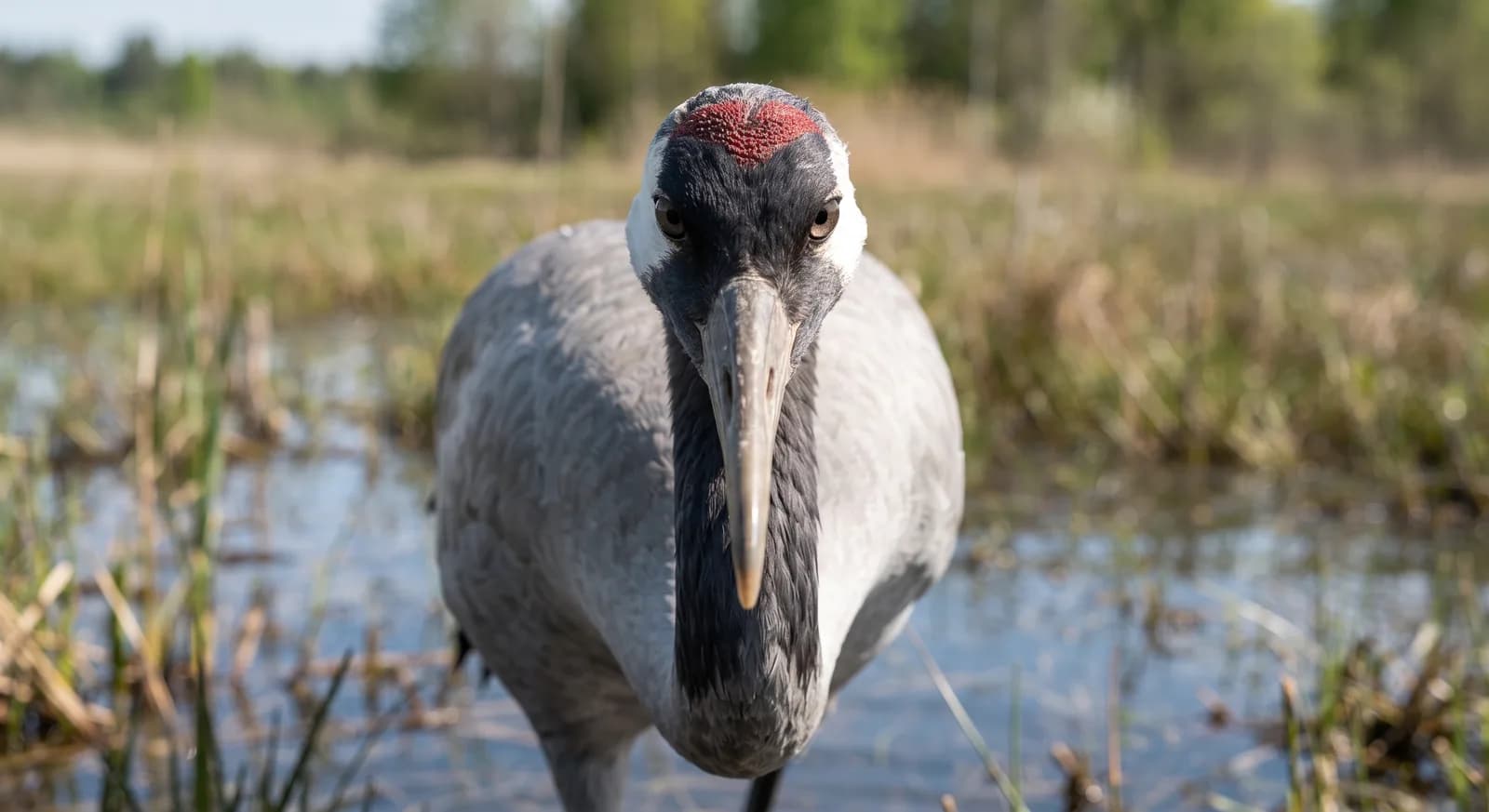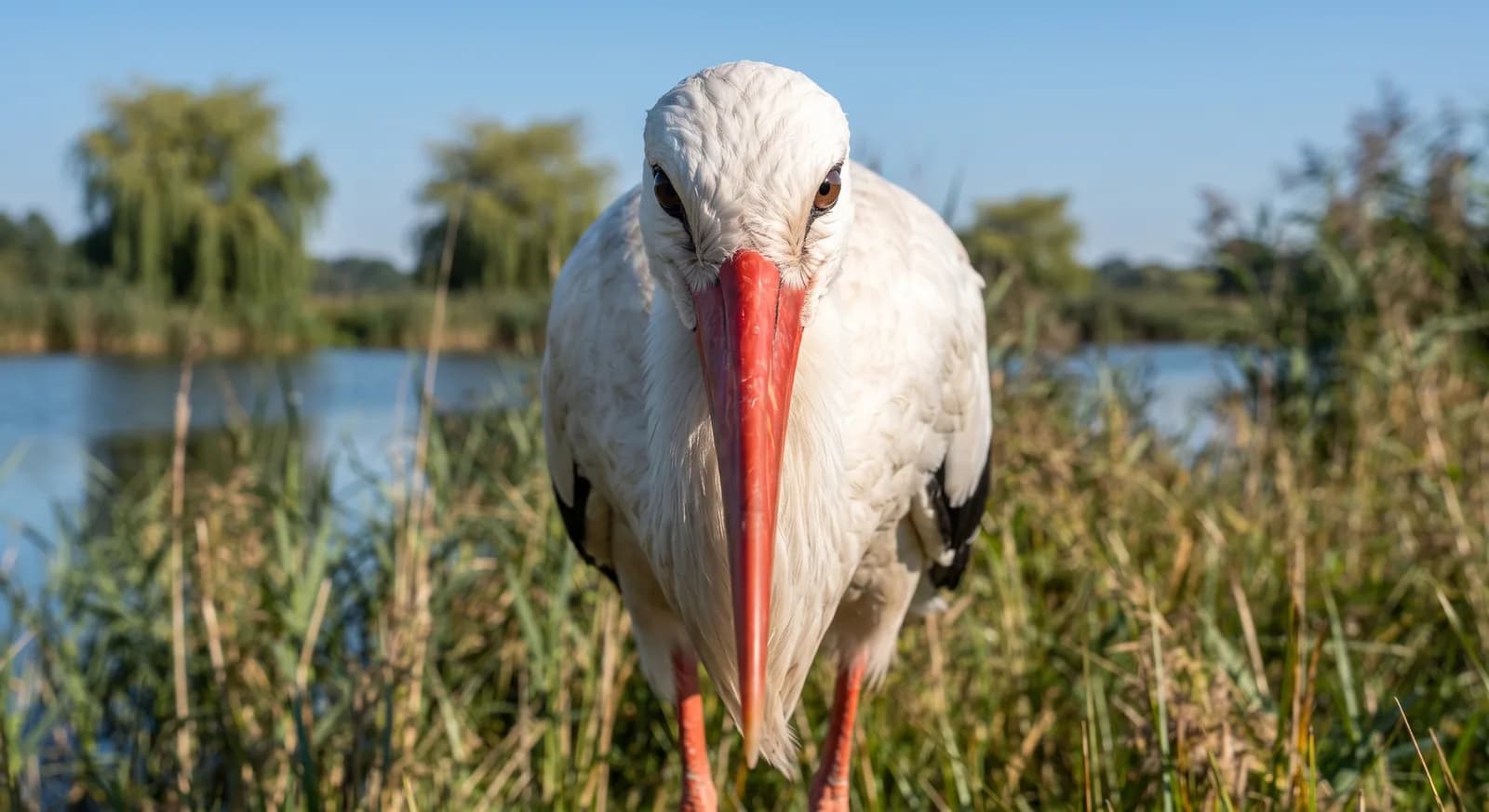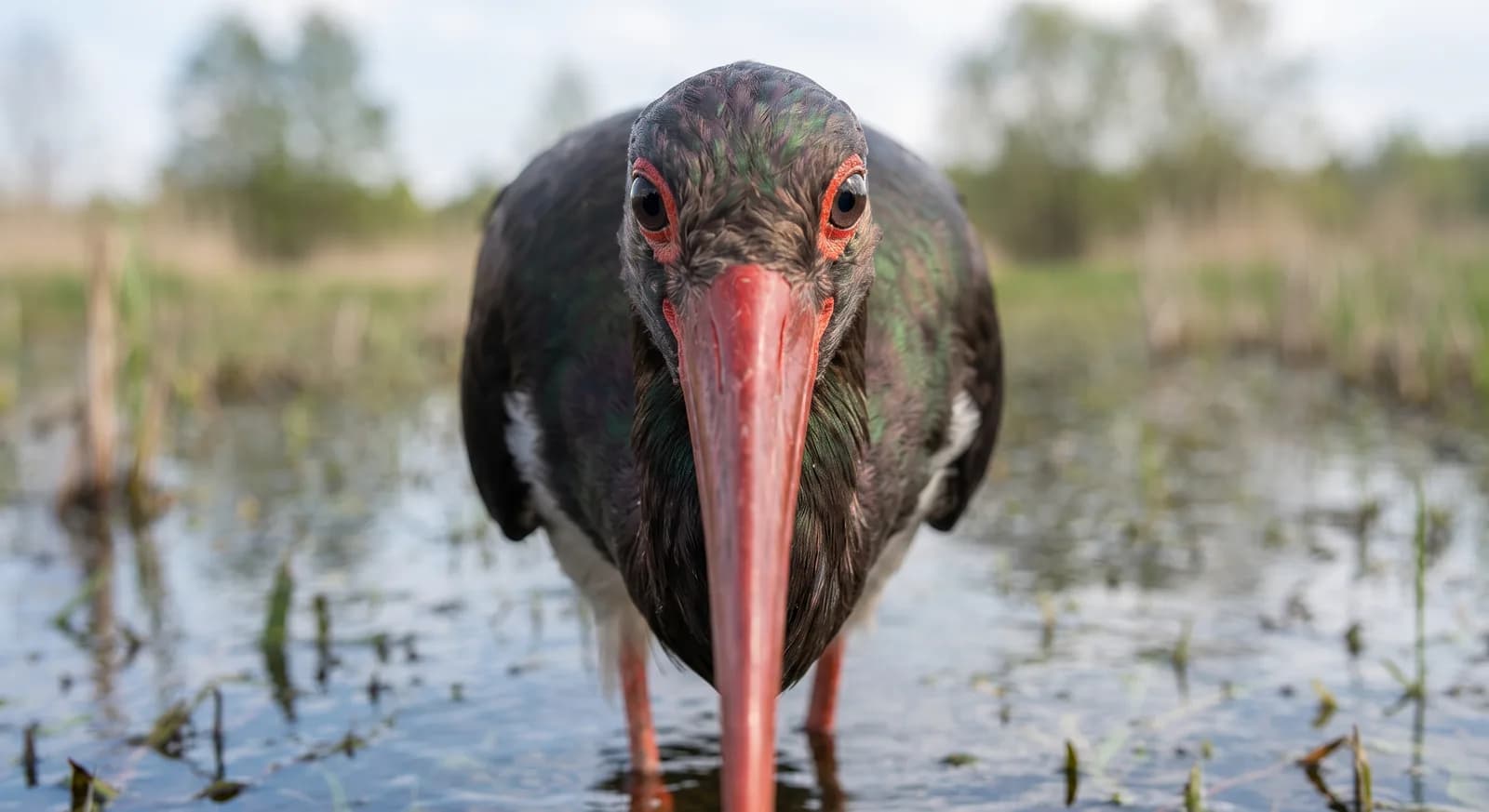
A wetland of world importance and one of the last strongholds of the Iberian lynx in the wild.
Area
543 km²
Protection category
IUCN II
Parque nacional —
Designated in
1969
Marshes, dunes and Mediterranean scrub; a key migratory staging post between Europe and Africa
Its history goes back to the 13th century, when Alfonso X the Wise made it a royal hunting ground; the present name comes from Doña Ana de Silva y Mendoza, wife of the 7th Duke of Medina Sidonia, who retired to live on the estate in the 16th century. Under Franco much of the surrounding marshland was drained for farming, and only the decisive intervention of the ornithologist José Antonio Valverde and the newly founded WWF — which in 1963, after an international campaign backed by Julian Huxley and Guy Mountfort, ran one of the first fundraising drives in the history of conservation — made it possible to buy and save the central core, declared a national park in 1969. It now protects the greatest concentration of migratory birds in western Europe and the last wild populations of the Iberian lynx and the Spanish imperial eagle, though it faces a serious water crisis as the aquifers around its farmland are overdrawn.
2 dive sites within 300 km are also shown.
Ecosystems found in Spain, where Doñana National Park lies.
Where can I dive near here?
219 km away
277 km away
What is worth looking out for this month in Spain?
Now is a good time: Common crane wintering at Gallocanta Lagoon (October to March (passage peaks in November and February))
Now is a good time: Soaring bird migration across the Strait of Gibraltar (Spring passage February to May and autumn passage July to November)
Which other parks are like this one?
Same country: Spain
Same country: Spain
Same country: Spain
Same country: Spain
Based on what we already know about this park.
Region
Iberian Peninsula
Climate
Arid / desert, Temperate, Mediterranean, Mountain
Best season
All year round
Route duration
2–3 days
Route difficulty
Moderate
Plan your visit
Threatened:Spanish Imperial Eagle,Blue Marlin,Short-snouted Seahorse,European Sea Sturgeon,Spanish Terrapin,Iberian Lynx,Schreiber's Bent-winged Bat,Common Pochard,Spur-thighed Tortoise,Lataste's Viper,Dentex,Red-legged Partridgeand 3 more
Endemic species of Spain:Spanish Imperial Eagle,Iberian Lynx
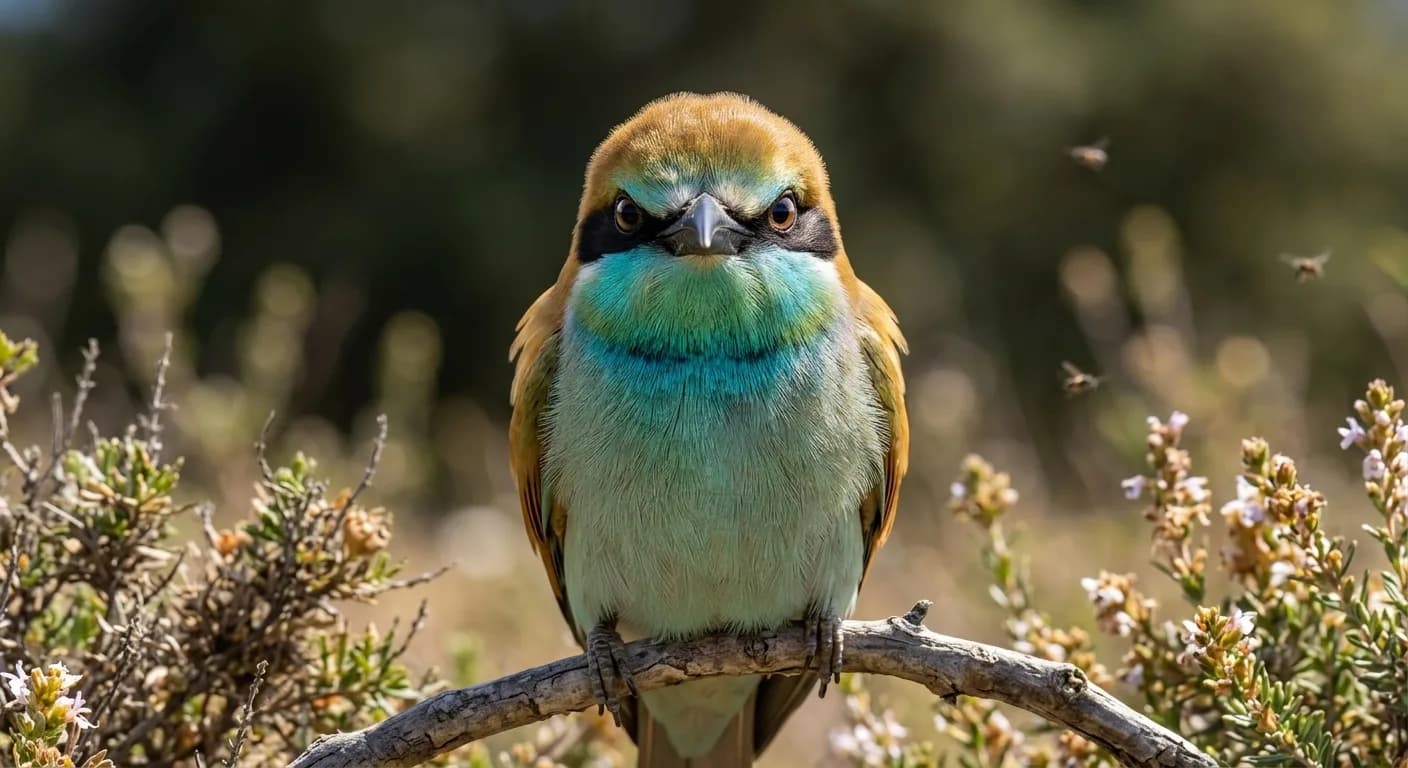
Least ConcernEuropean Bee-eater
Merops apiaster
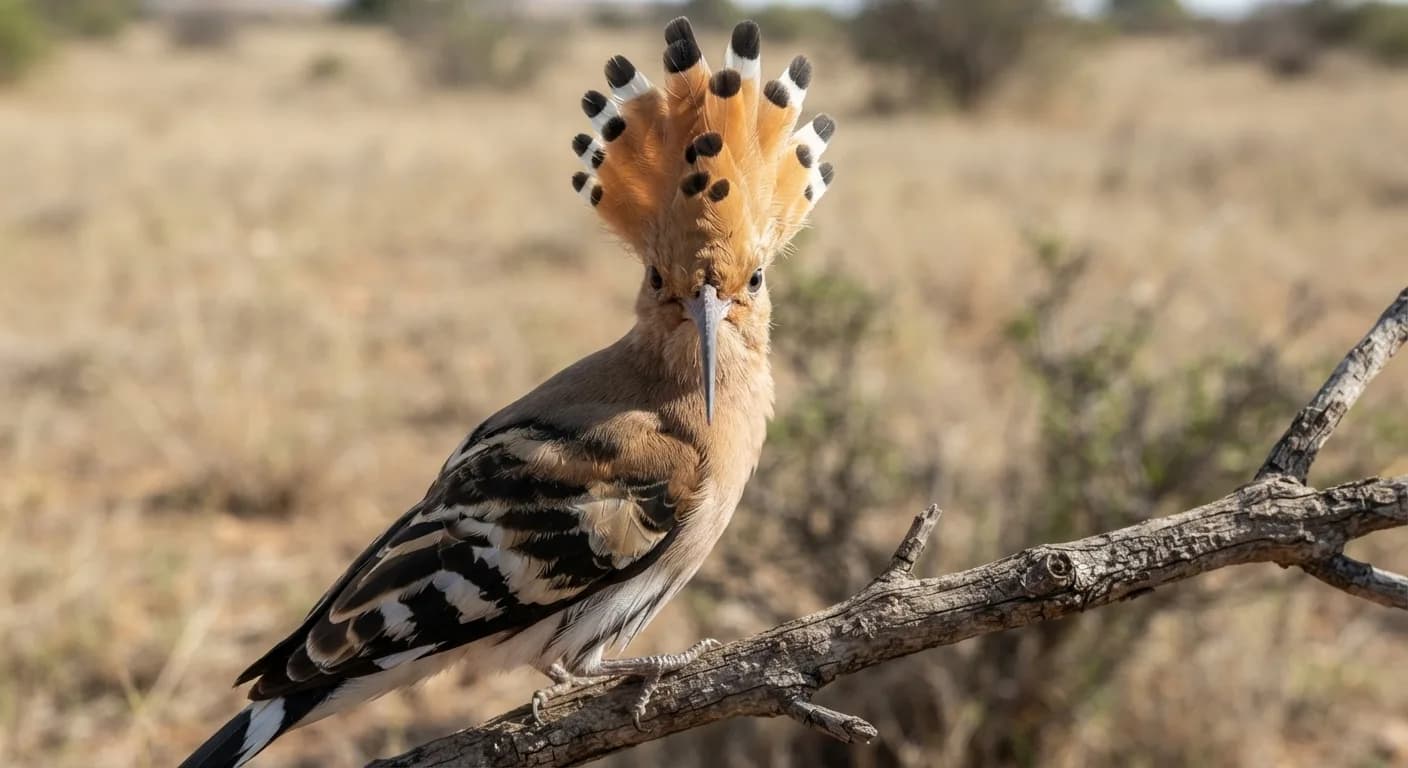
Least ConcernEurasian Hoopoe
Upupa epops
Least ConcernBooted Eagle
Hieraaetus pennatus
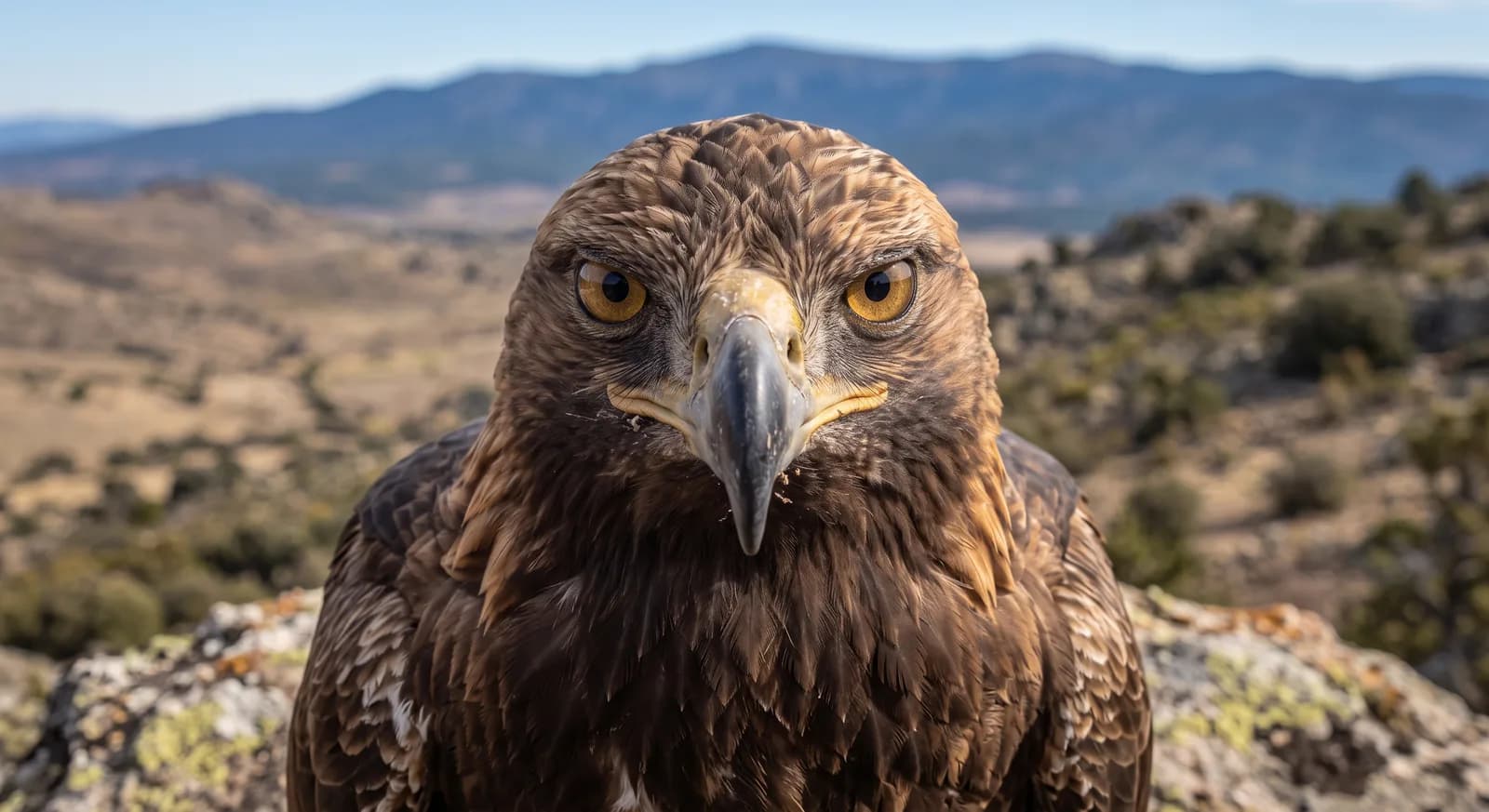
VulnerableSpanish Imperial Eagle
Aquila adalberti
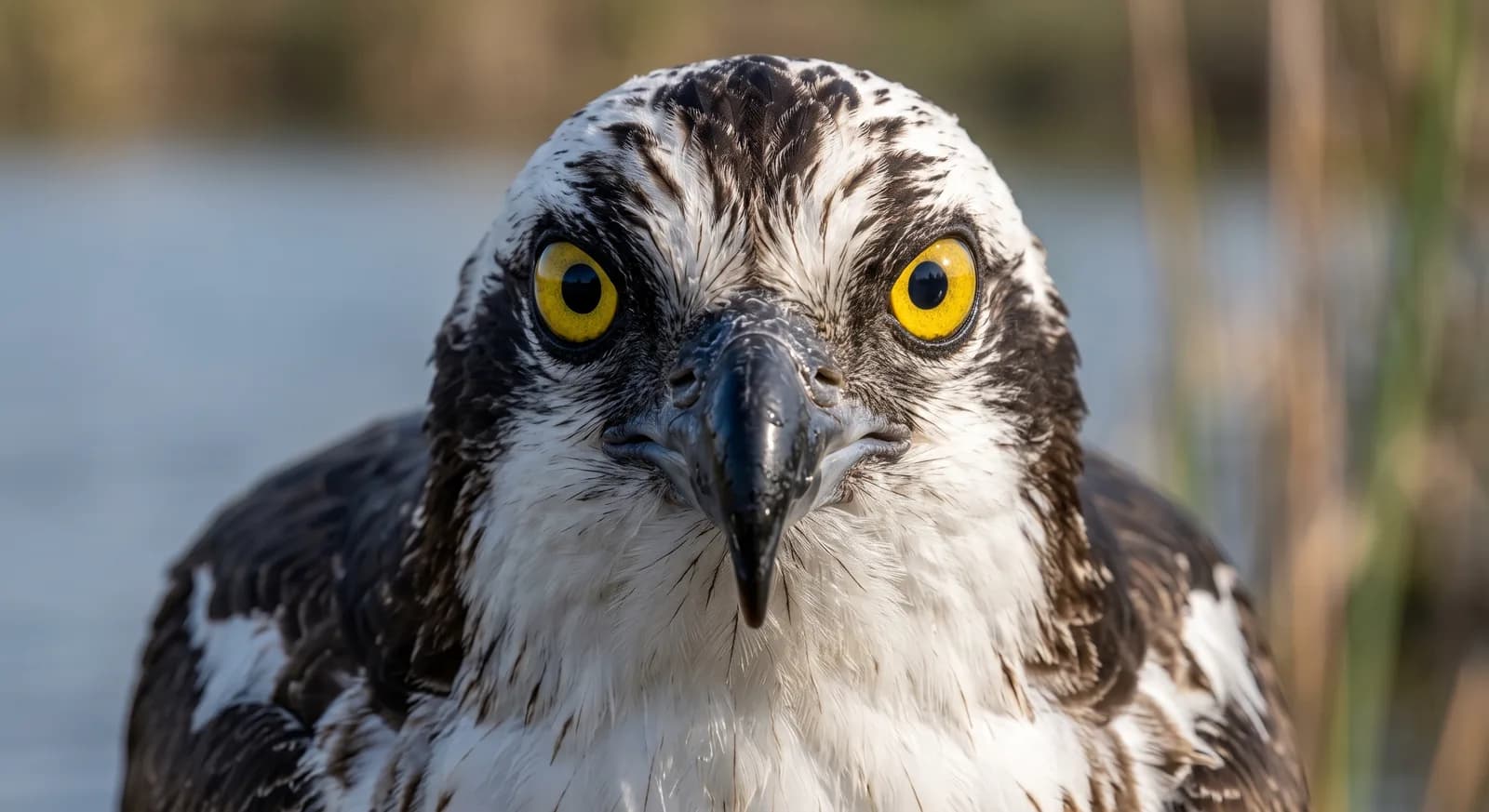
Least ConcernOsprey
Pandion haliaetus
Least ConcernMontagu's Harrier
Circus pygargus
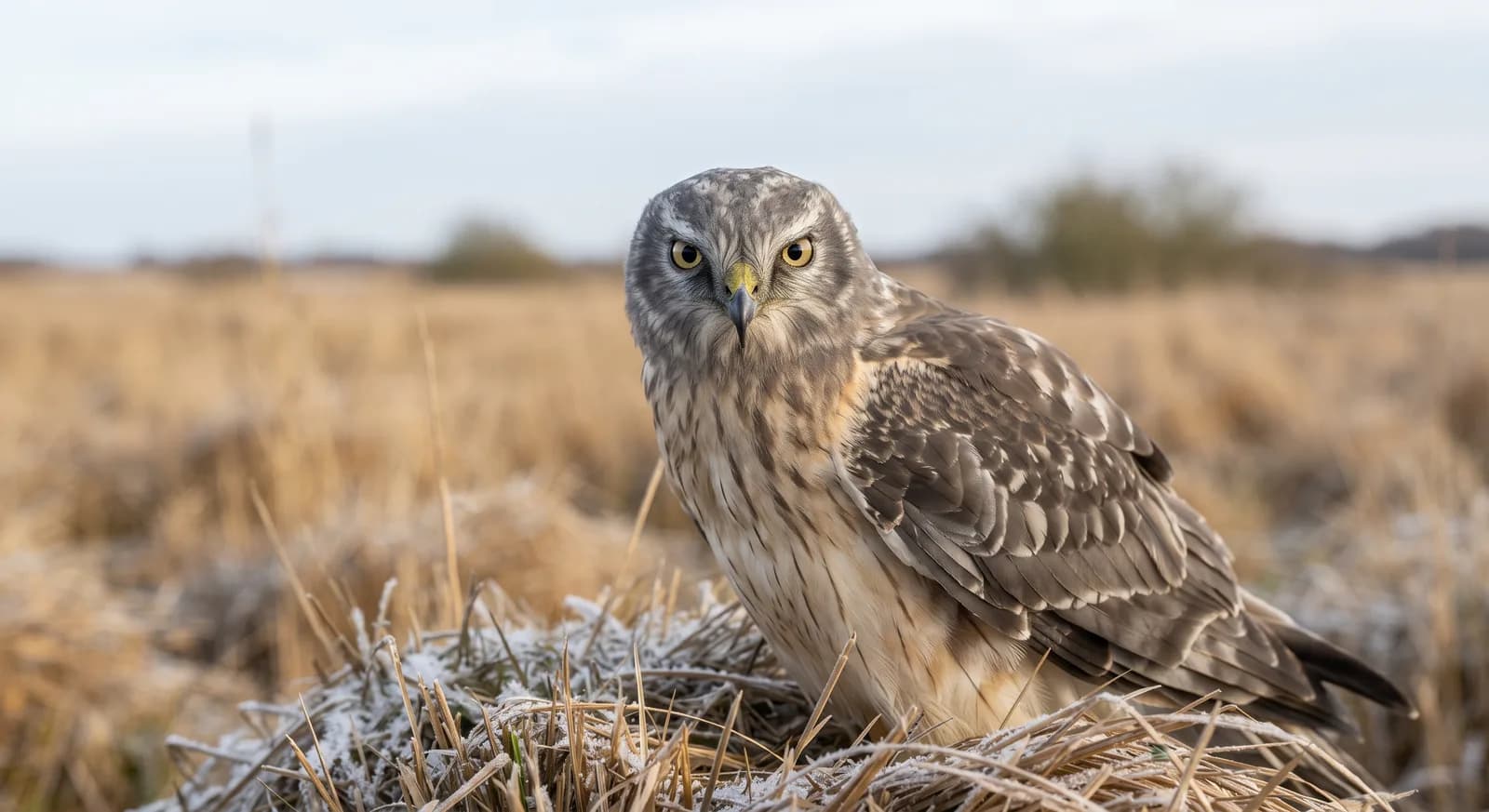
Least ConcernHen Harrier
Circus cyaneus
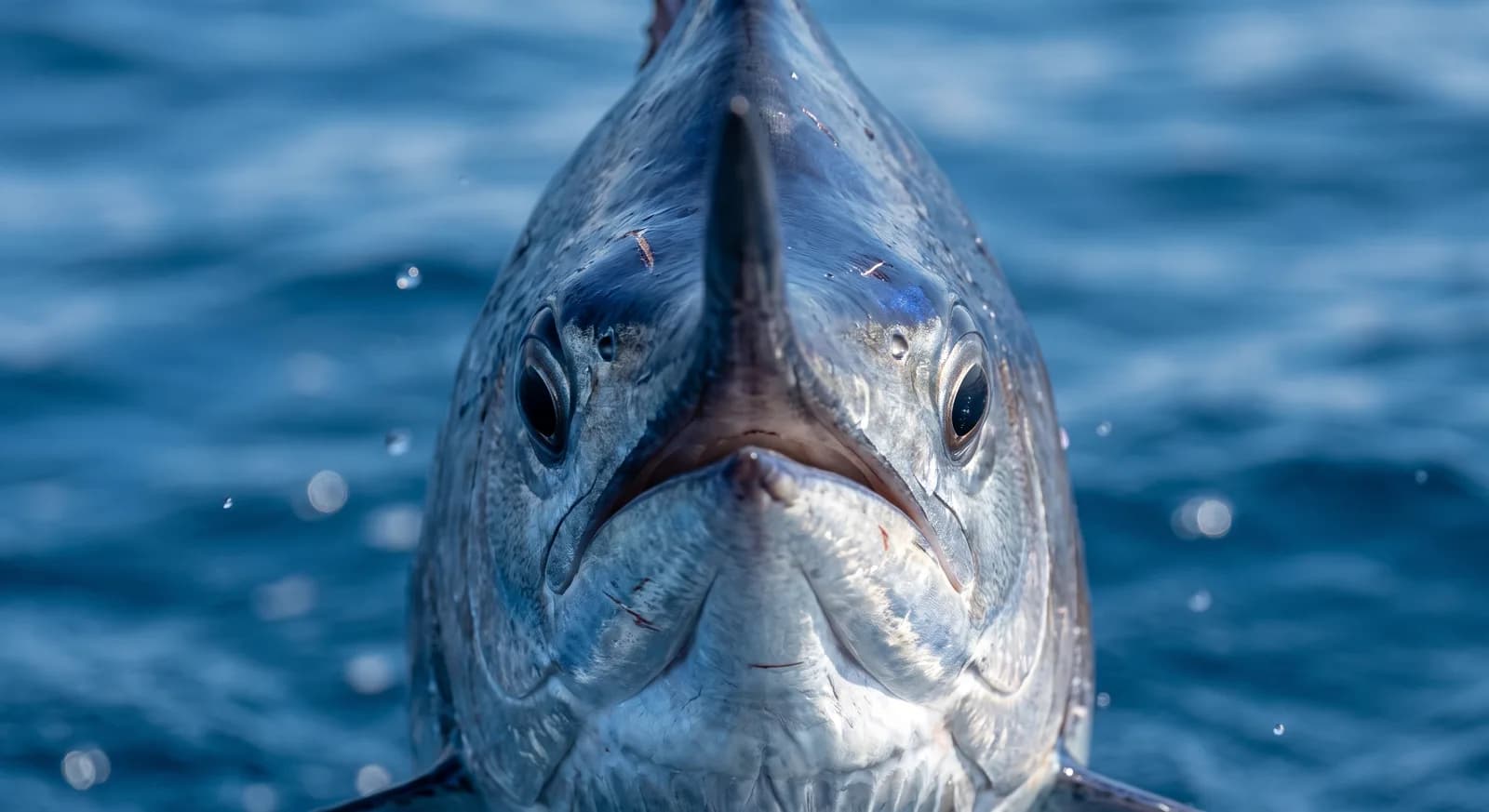
VulnerableBlue Marlin
Makaira nigricans
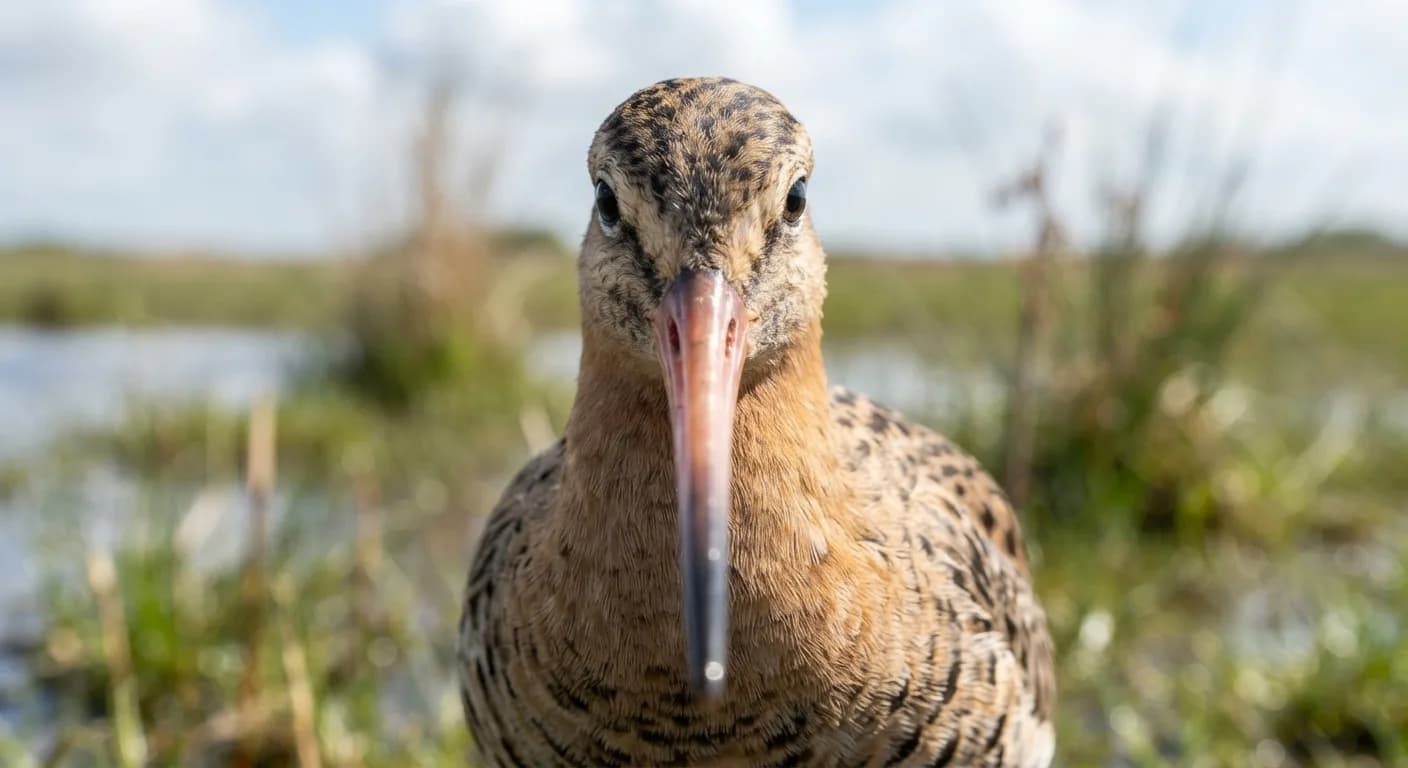
Near ThreatenedBlack-tailed Godwit
Limosa limosa
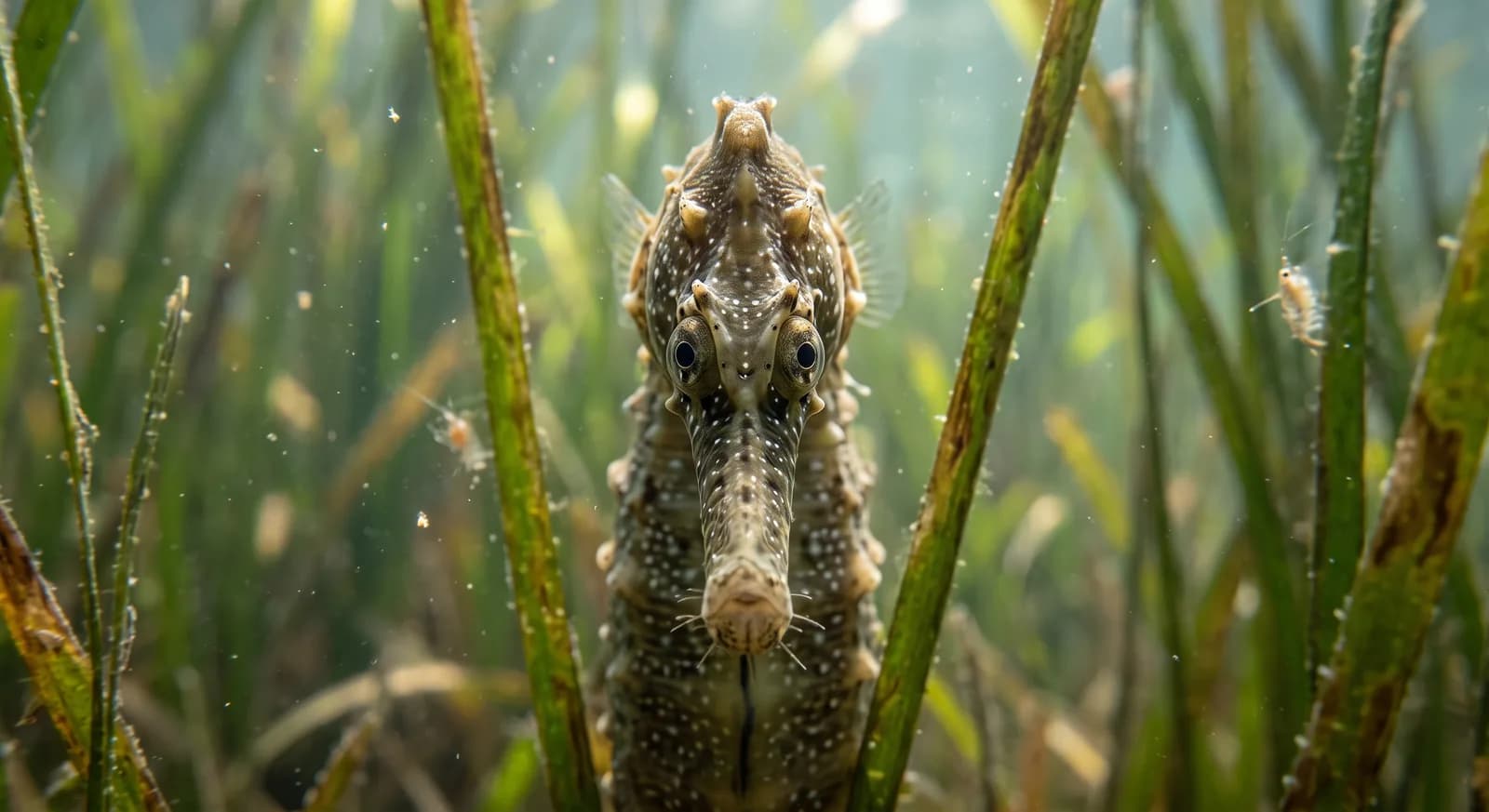
Least ConcernGreater Pipefish
Syngnathus acus
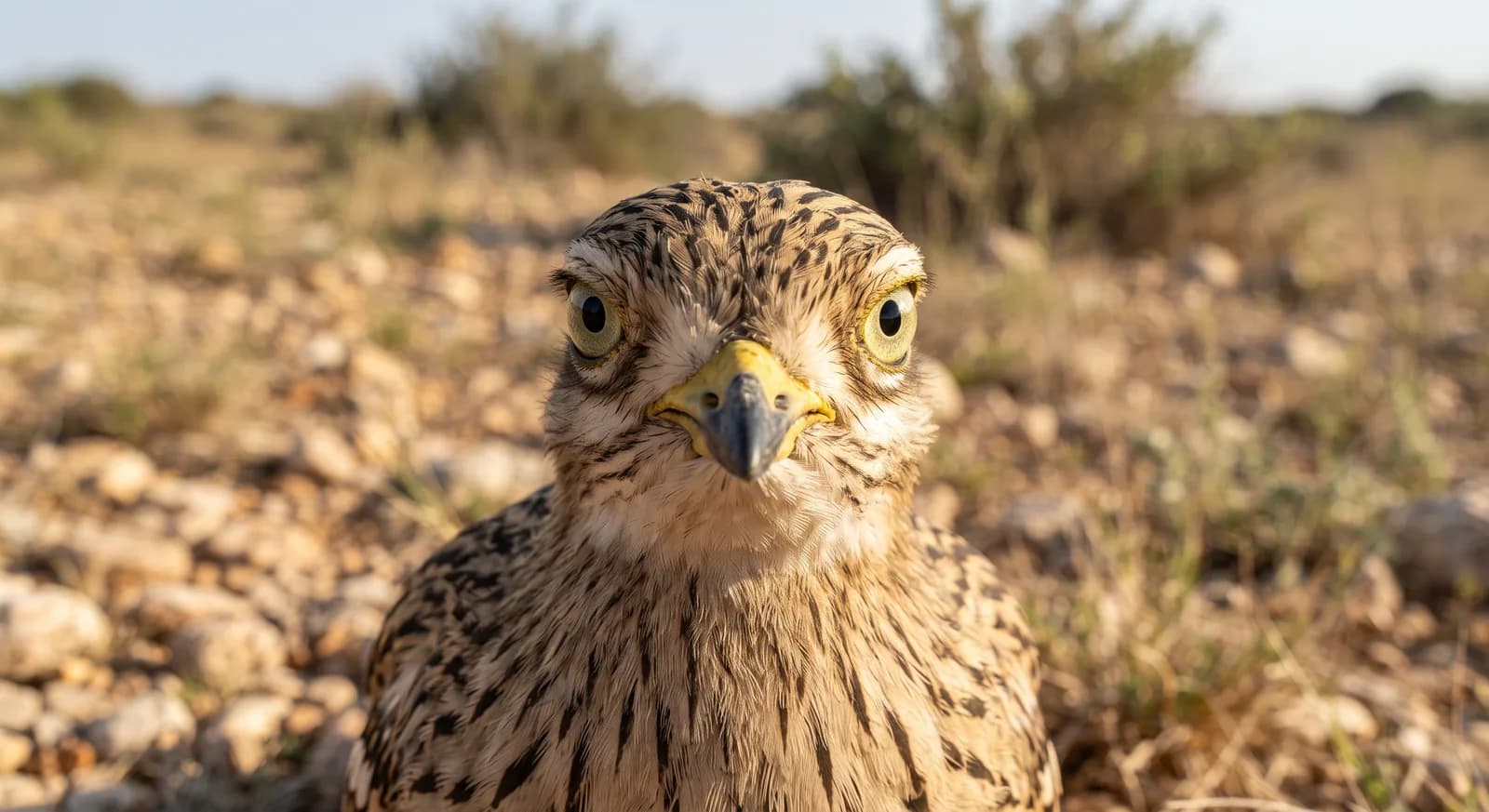
Least ConcernEurasian Stone-Curlew
Burhinus oedicnemus
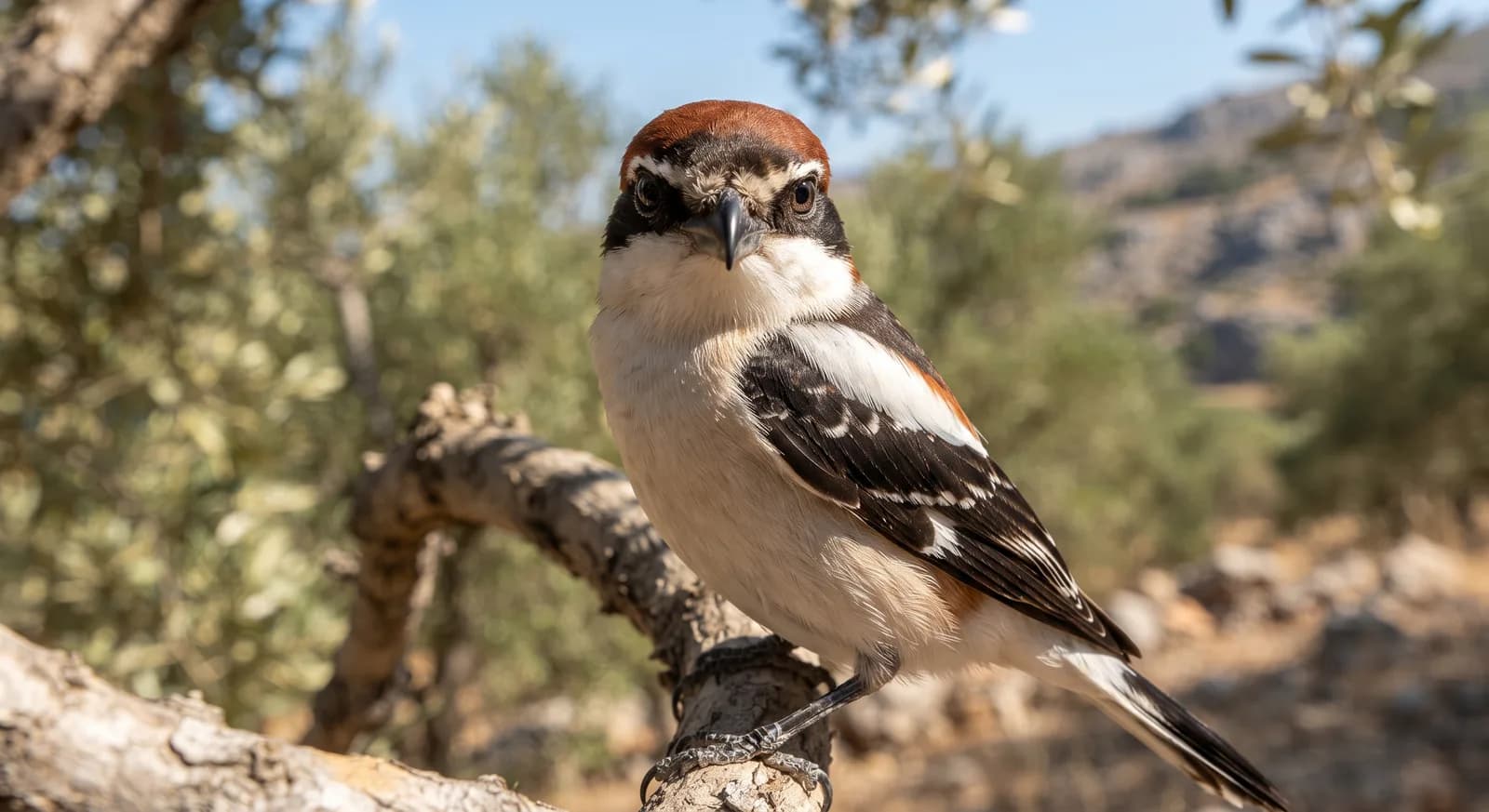
Least ConcernWoodchat Shrike
Lanius senator
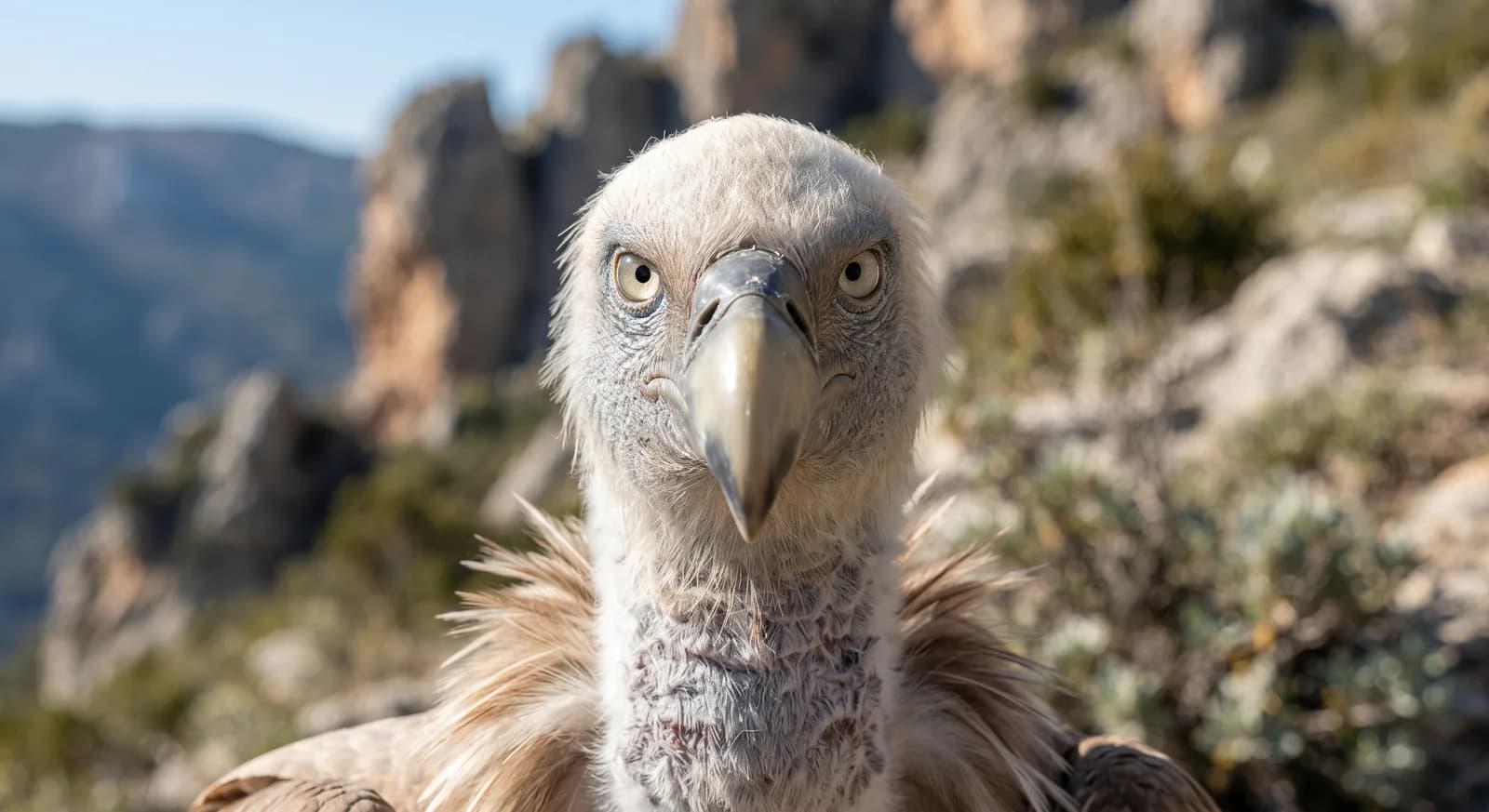
Least ConcernGriffon Vulture
Gyps fulvus
Now is a good time: Soaring bird migration across the Strait of Gibraltar (Spring passage February to May and autumn passage July to November)