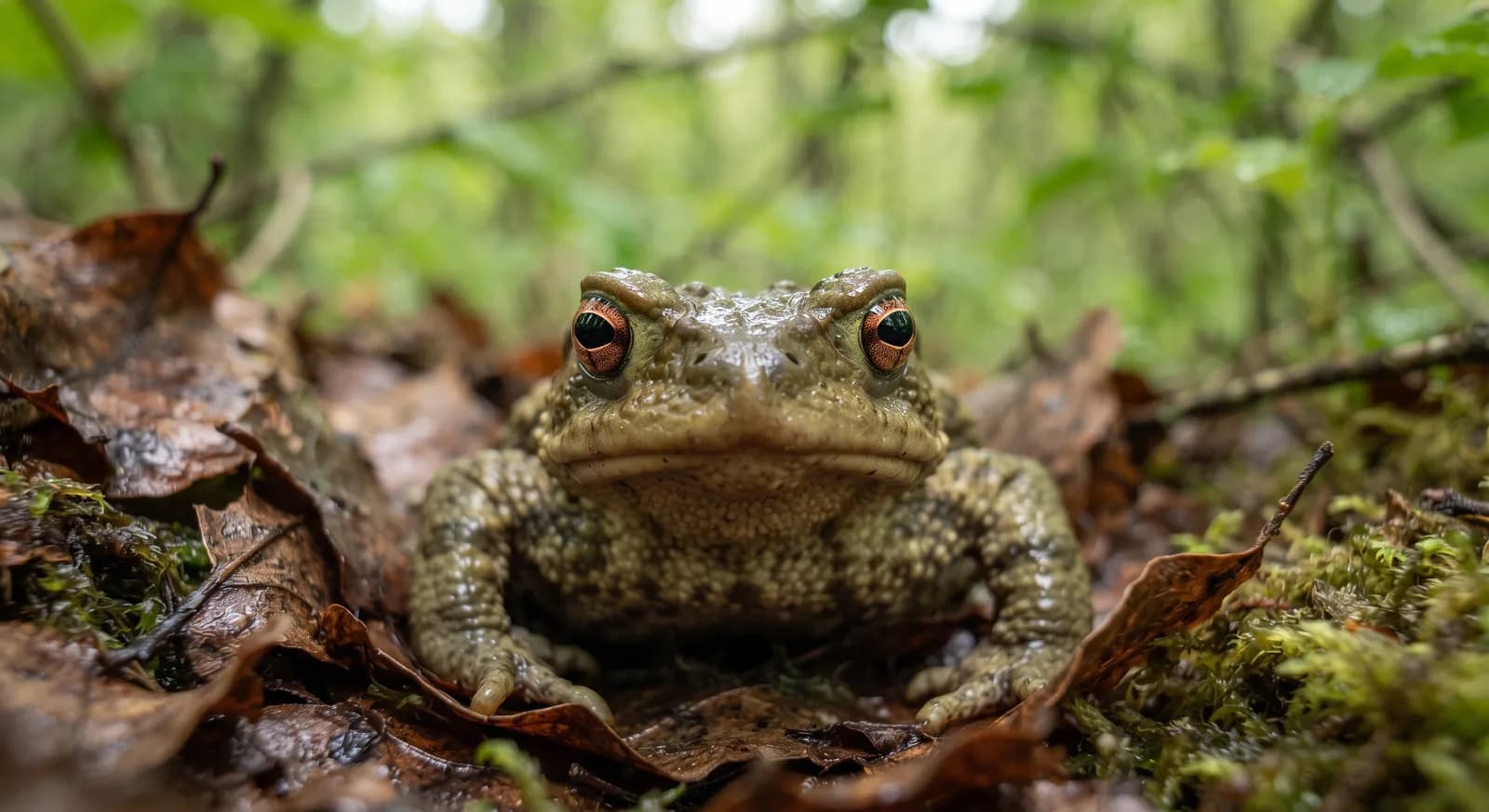
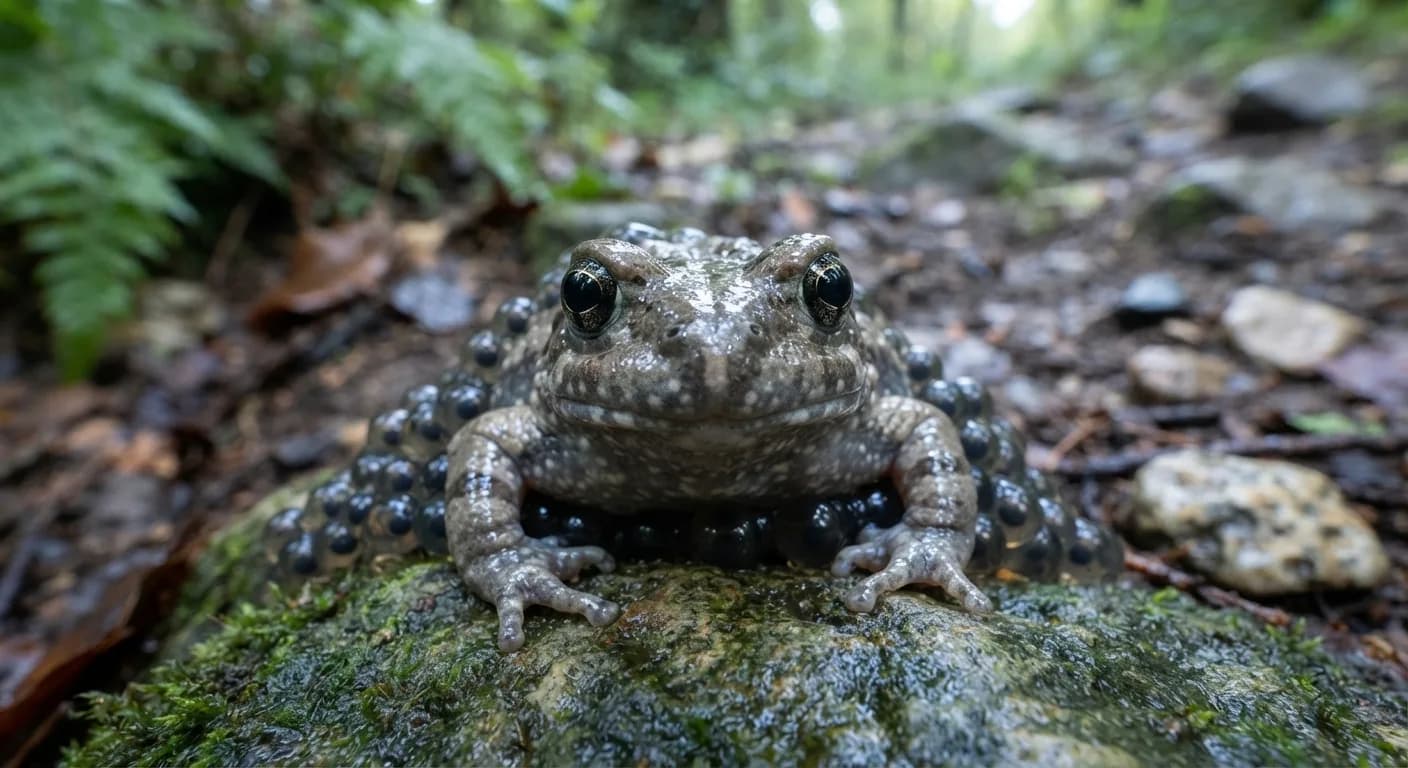
One of the 17 toads on WAnimals
Amphibians · Anura · Bufonidae
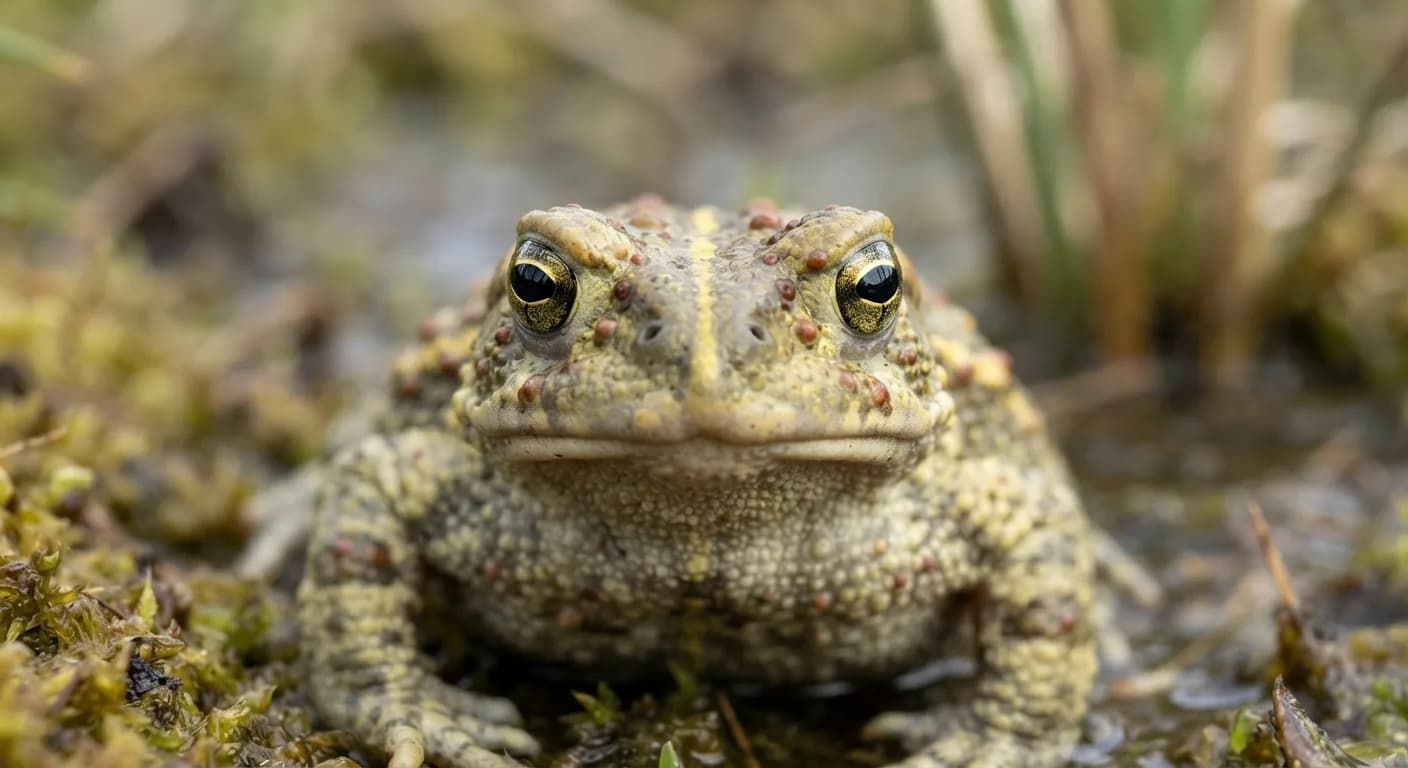
Epidalea calamita
The species is abundant and widely distributed; it faces no significant short-term risk.
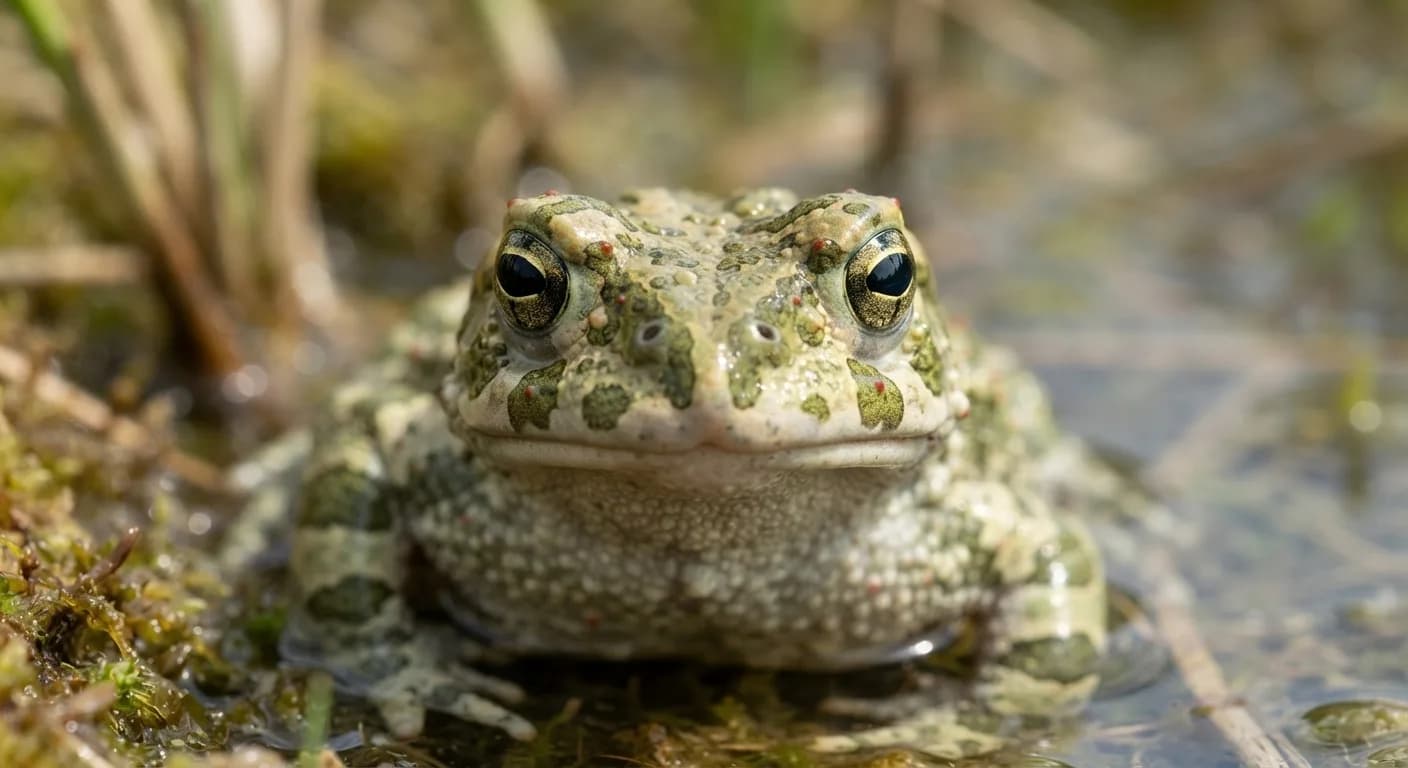
It differs from other European toads in running rather than hopping, thanks to its relatively short legs, and in the striking yellow stripe down its back.
Weight
4 g – 19 g
Size
6 cm – 9.5 cm
Life expectancy
10 years
Diet
Insectivore
Feeds mainly on insects and other invertebrates.
Activity
Nocturnal
Active mainly at night.
Social structure
Solitary
Lives and hunts alone, joining others only to breed.
AI-generated images: illustrations, not photographs.
Sources consulted: A-Z Animals · Froglife · Gonefroggin.com · Wikipedia (Natterjack toad) · First Nature · Wildlife Trusts · PMC (histological study skin glands)
Best time: From March to June, on mild nights after rain, when the males call in chorus from freshly formed shallow pools.
Parks and dive sites where this species has been documented — showing 10 of 27.
Other species in the catalogue with the most in common with Natterjack Toad — same habitat, park, country, tags or family.
Based on what we already know about natterjack toad.
The pins mark the parks where its presence is documented.