 Critically Endangered
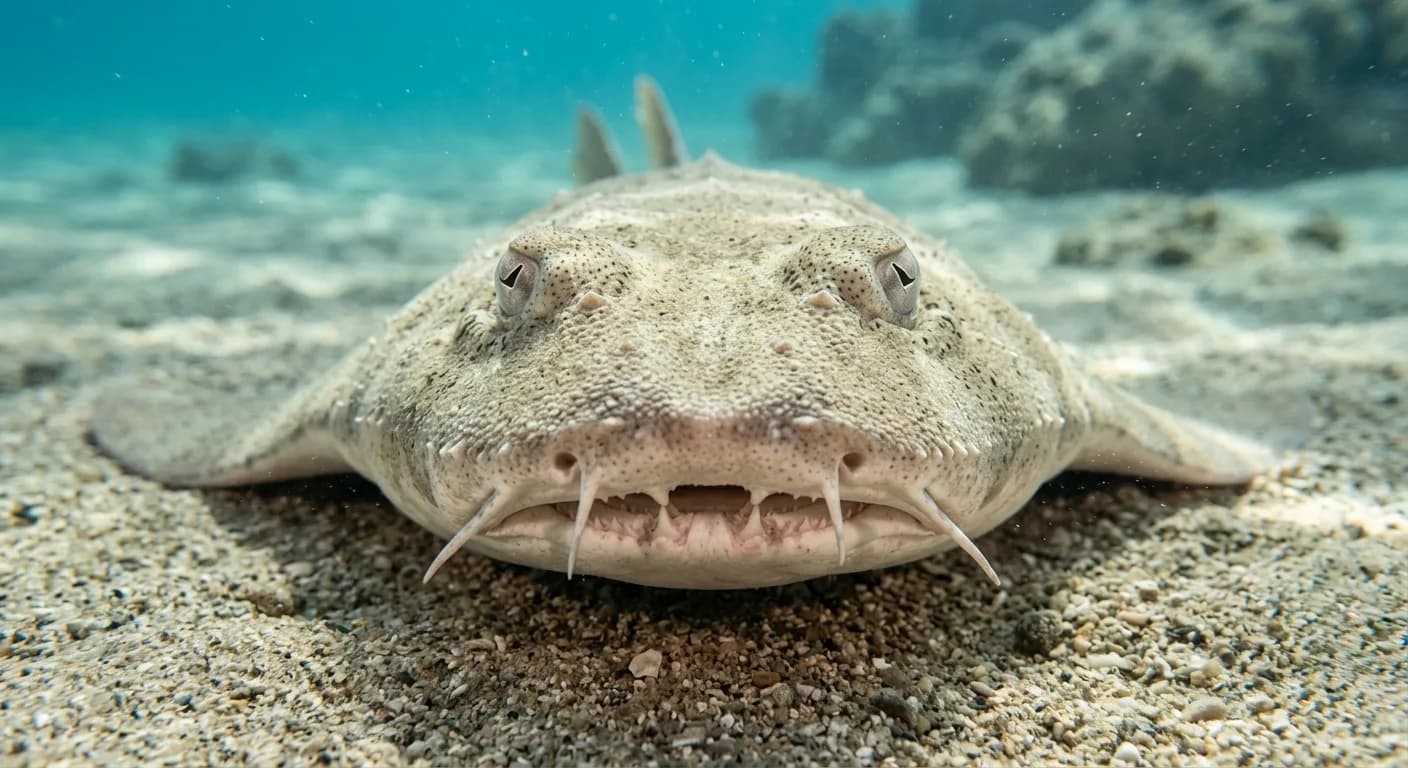
Angelshark
Squatina squatina
Asia
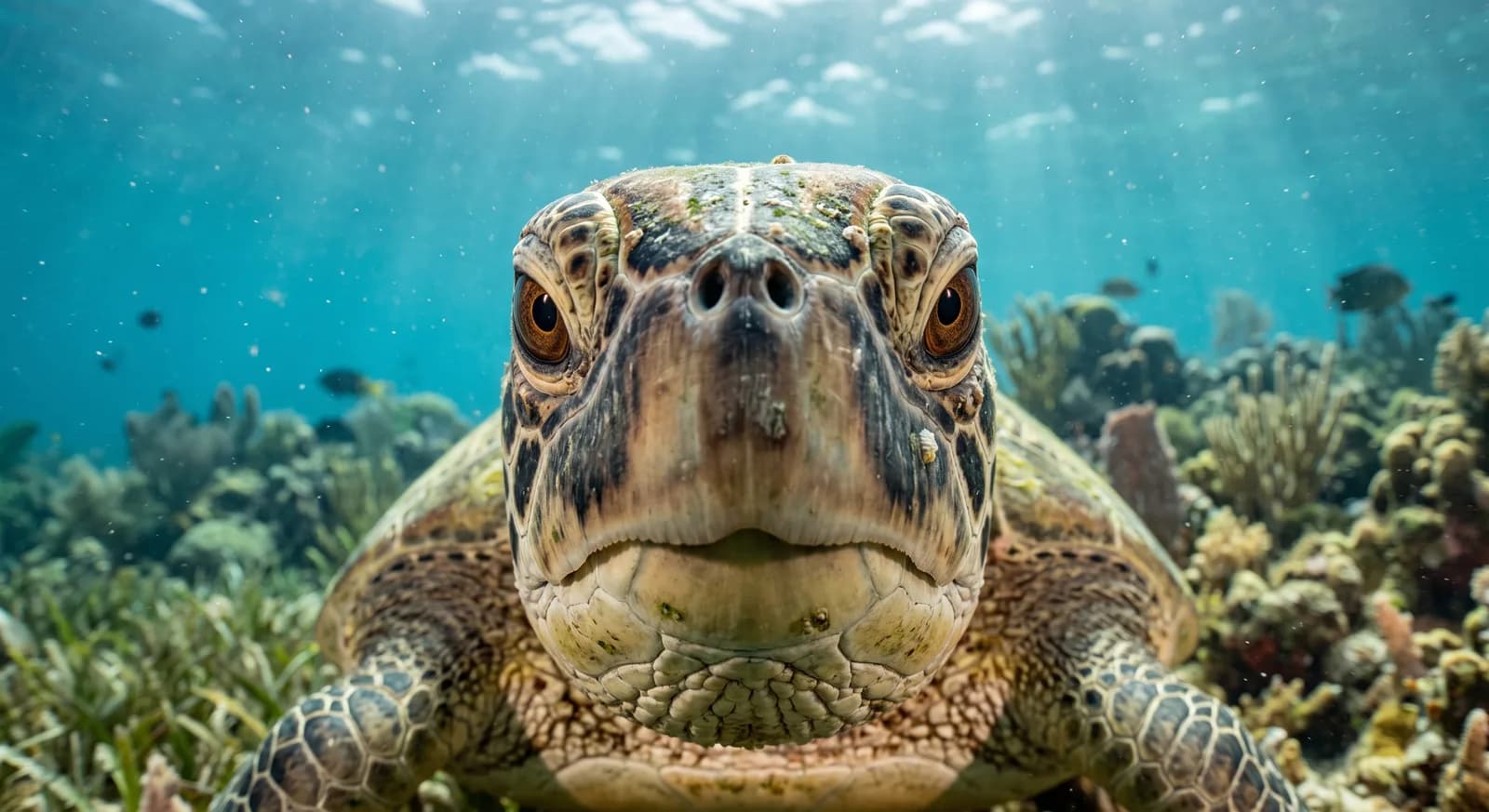
Lebanon is a country of two parallel ranges separated by the Bekaa valley, an arrangement that creates within very little space a gradient from the Mediterranean coast to summits above three thousand metres with snow for much of the year. On the high slopes survive the last stands of Lebanon cedar, a tree that covered these mountains for millennia and that has been felled since Phoenician times; today protected groves remain at Bcharre, Ehden and above all in the Chouf reserve, which holds a large share of the cedars left in the country. The Bekaa gathers wetlands such as Ammiq, a key stopover for birds crossing between Europe and Africa. On the coast, the Palm Islands are a nature reserve with green turtles, seabirds and occasional sightings of monk seal.
National animal: No official national animal; the cedar is the emblem of the state and the striped hyena serves as the symbolic species of its wildlife
Lebanon sits on the second busiest migratory corridor on the planet, and every autumn hundreds of thousands of storks, pelicans and raptors are forced to cross its mountains along a narrow front. That concentration historically made them vulnerable to indiscriminate shooting, and in recent years watchpoints and monitoring campaigns have been set up that have turned former hunters into bird counters.
The regeneration of the cedar woods is compromised by grazing, fires and rising temperatures, which push the species higher up the mountain. Quarries and unchecked building affect much of the coastal range.
Ammiq and the Bekaa ridges between September and October for the migration. The Chouf in spring for woodland birds and mountain flora. The Palm Islands in summer for seabirds.
Where else might I want to travel?
Same region: Middle East and Western Asia
Same region: Middle East and Western Asia
Same region: Middle East and Western Asia
Same region: Middle East and Western Asia
257 species found
Based on what we already know about Lebanon.