 Critically Endangered
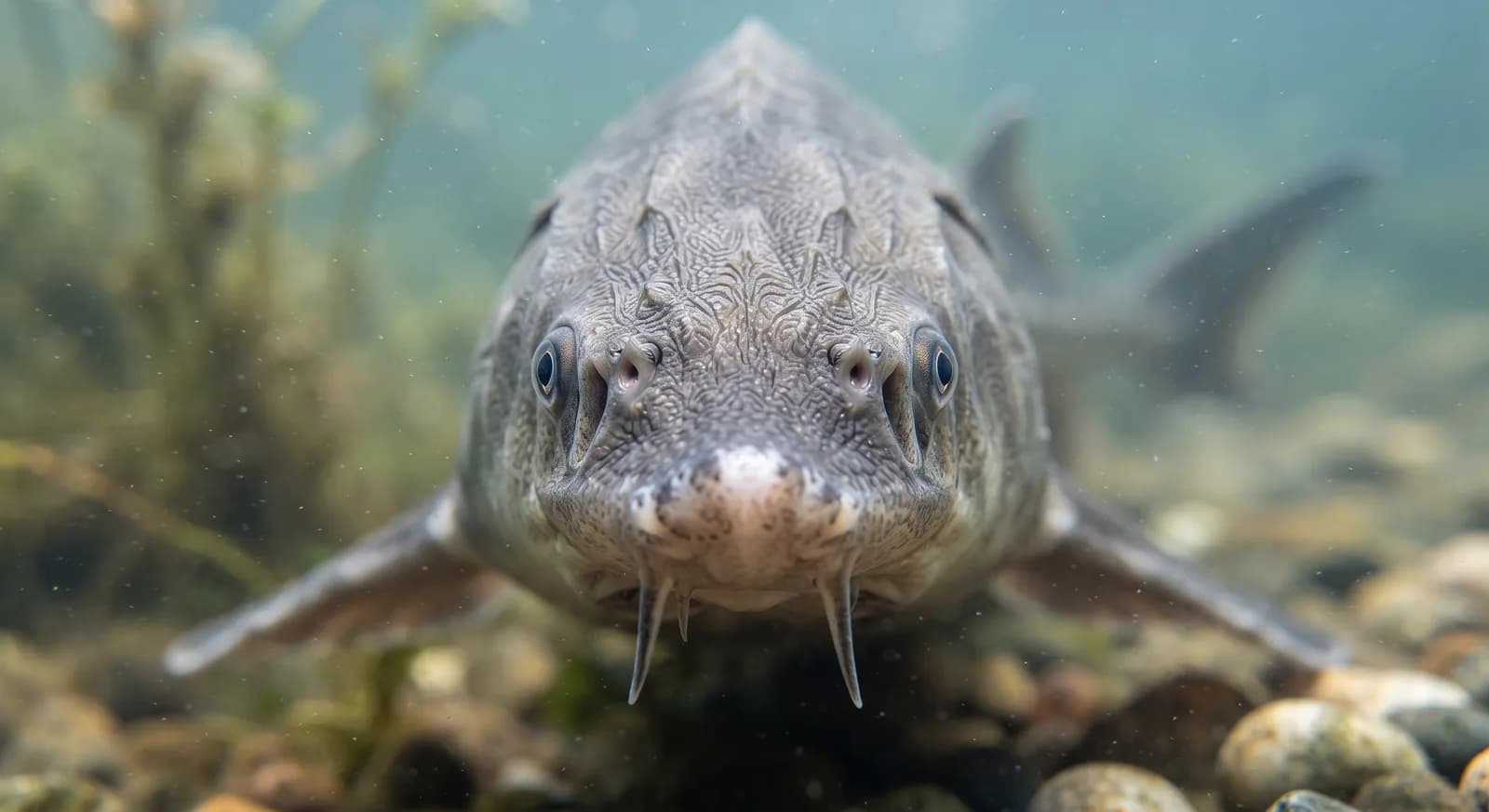
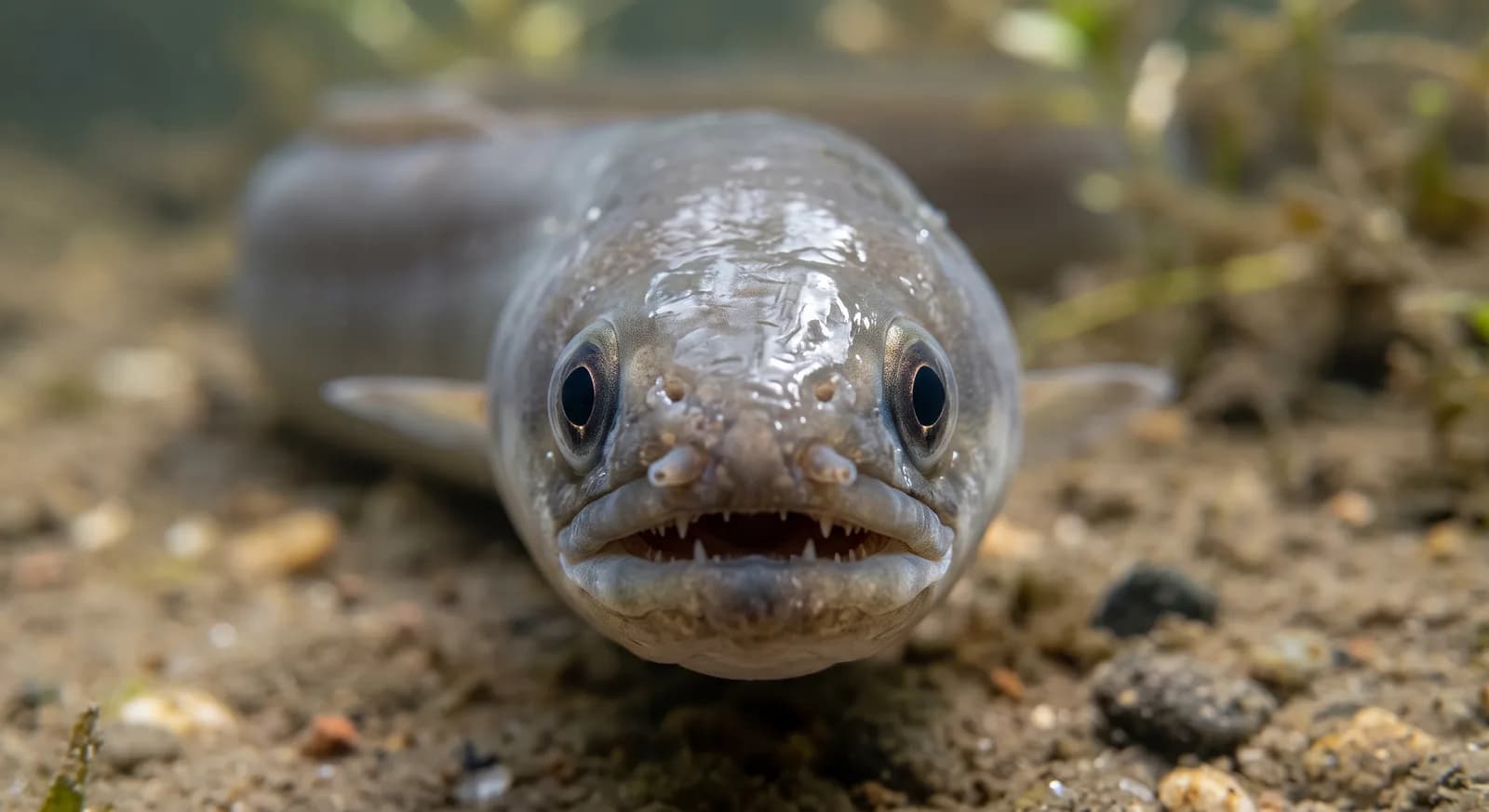
European Eel
Anguilla anguilla
Europe
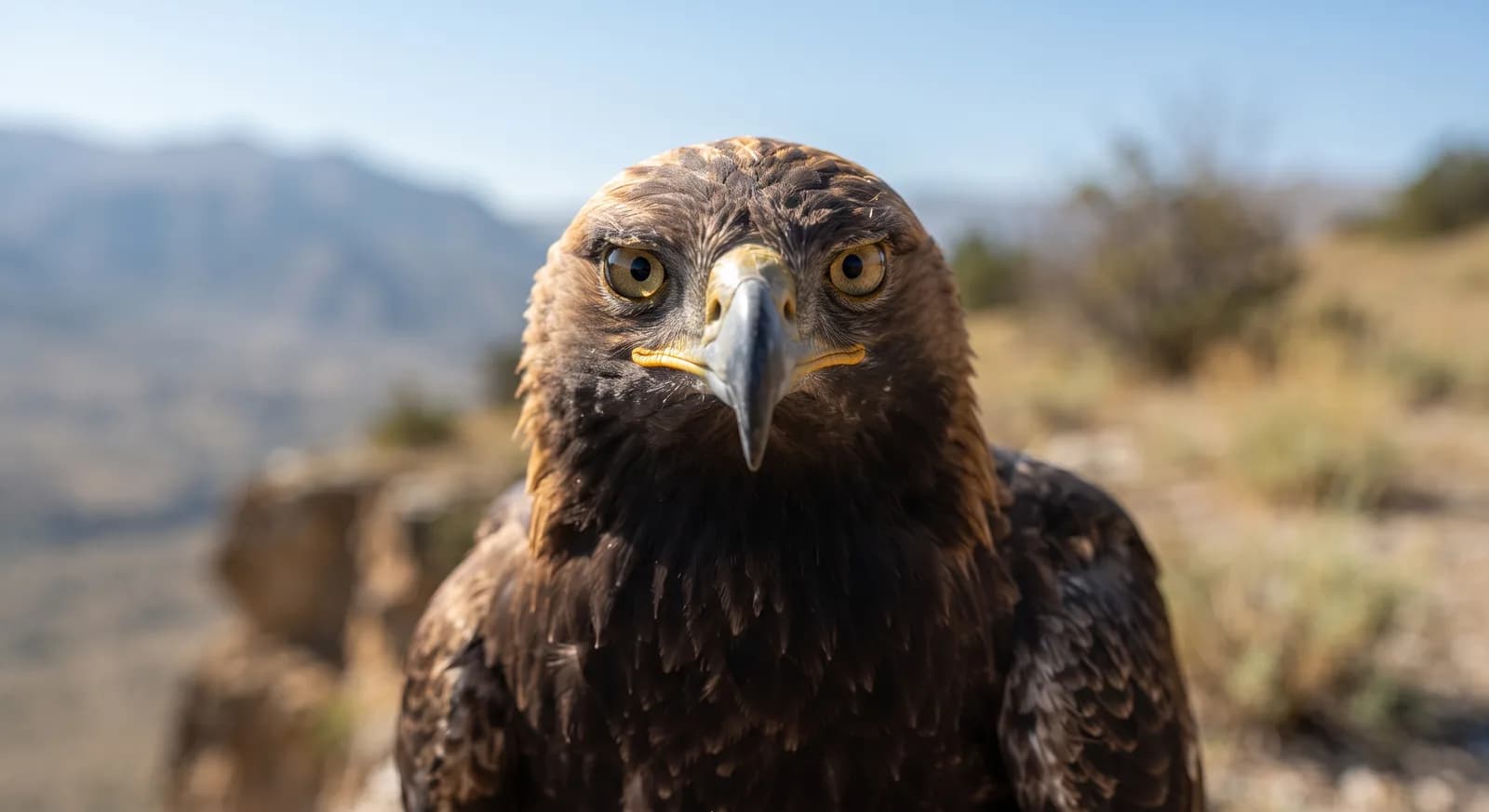
Austria is alpine across three quarters of its area, but its natural interest does not end with the mountains. Hohe Tauern National Park, the largest in the whole Alpine arc, protects glaciers, waterfalls and high pastures with marmots, ibex, chamois and a dense golden eagle population. Towards the east the landscape changes radically: Lake Neusiedl, on the Hungarian border, is a shallow, brackish steppe lake ringed by alkaline meadows, a fragment of the Pannonian steppe with birdlife not found in the rest of the country, such as avocets, black-winged stilts and great bustards. The riverside forests of the Danube, protected as a national park on the doorstep of Vienna, keep one of the last unchannelled stretches of river in central Europe, with beavers, white-tailed eagles and floodplain gallery forest. The beech woods of Dürrenstein hold the largest virgin forest left in the Alps.
National animal: The eagle is the state's heraldic emblem; the barn swallow was chosen as national bird
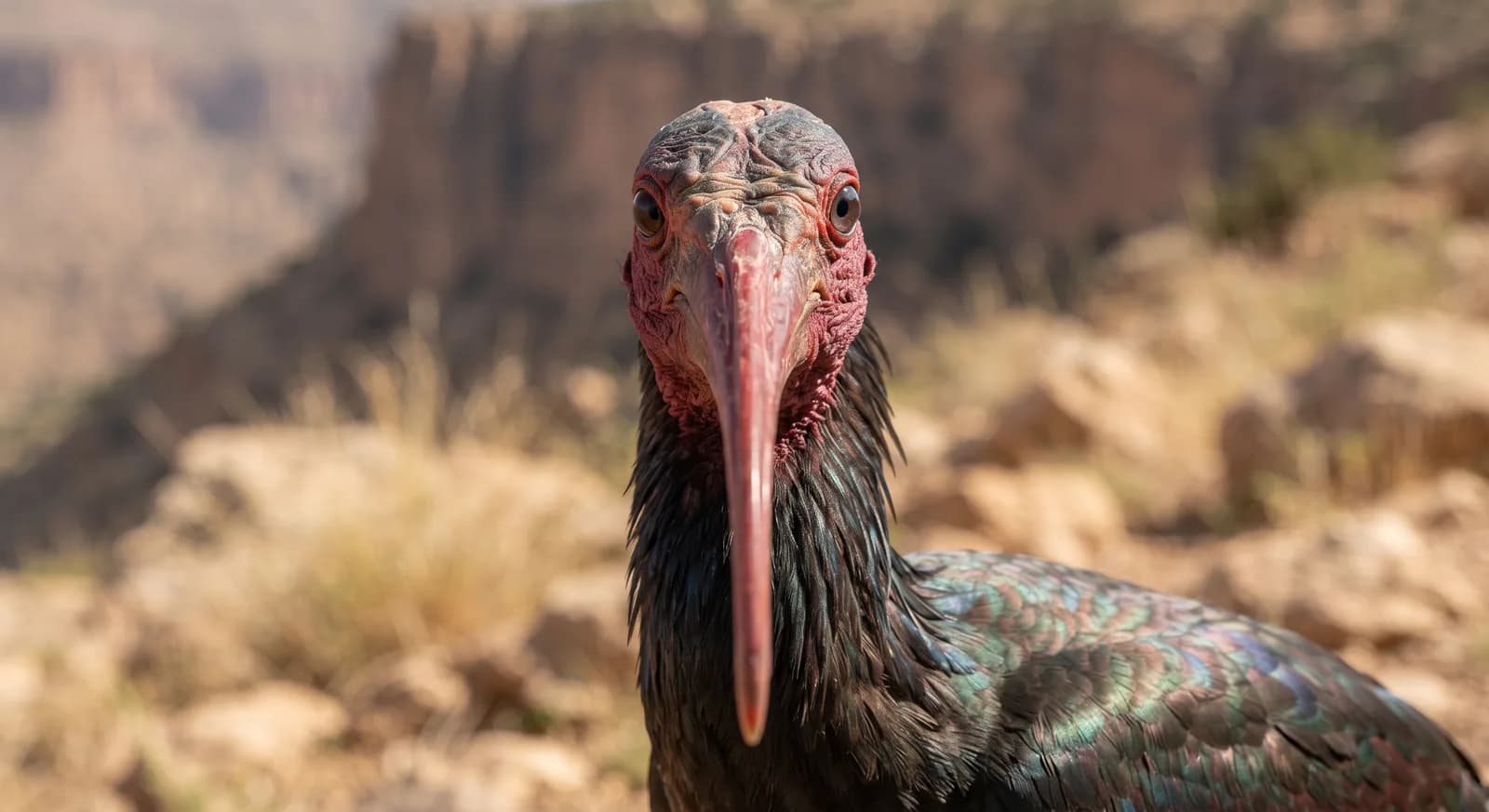
The bearded vulture, wiped out in the Alps in the early twentieth century in the belief that it carried off lambs and children, returned to the massif in 1986 with the first release of captive-bred birds in the Rauris valley, inside Hohe Tauern. It is the only bird that feeds almost entirely on bone, which it breaks by dropping it onto scree from a great height.
Continued success for the Alpine reintroduction programme for the bearded vulture, which now breeds in the wild. The drop in the level of Lake Neusiedl through drought threatens its reedbed and its waterbird colonies.
Hohe Tauern in summer for marmots, ibex and bearded vultures on the wing. Neusiedl between March and May for the waterbird passage. Donau-Auen at dusk for beavers.
Where else might I want to travel?
Same region: Western Europe
Same region: Western Europe
Same region: Western Europe
Same region: Western Europe
440 species found
Based on what we already know about Austria.