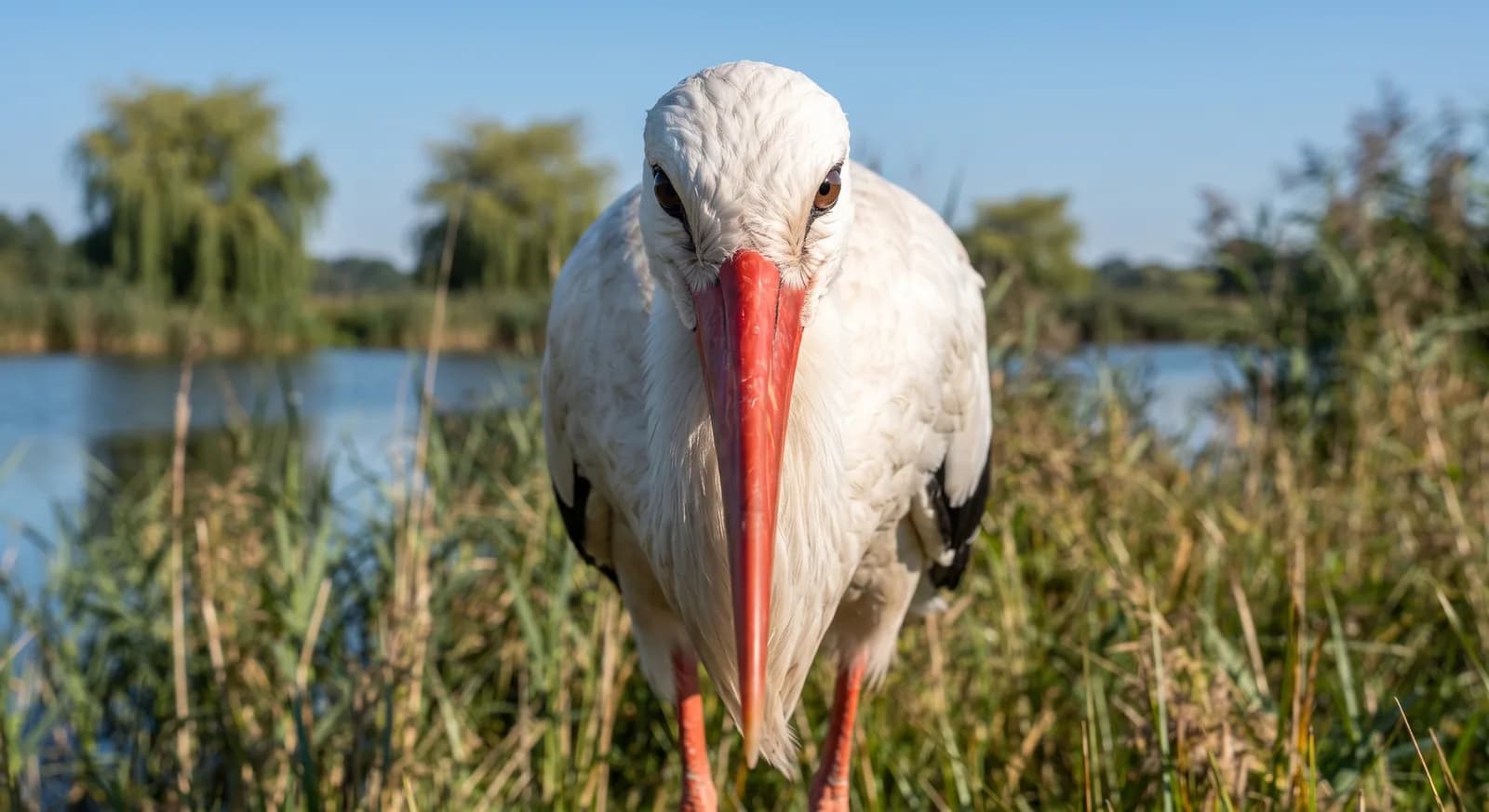
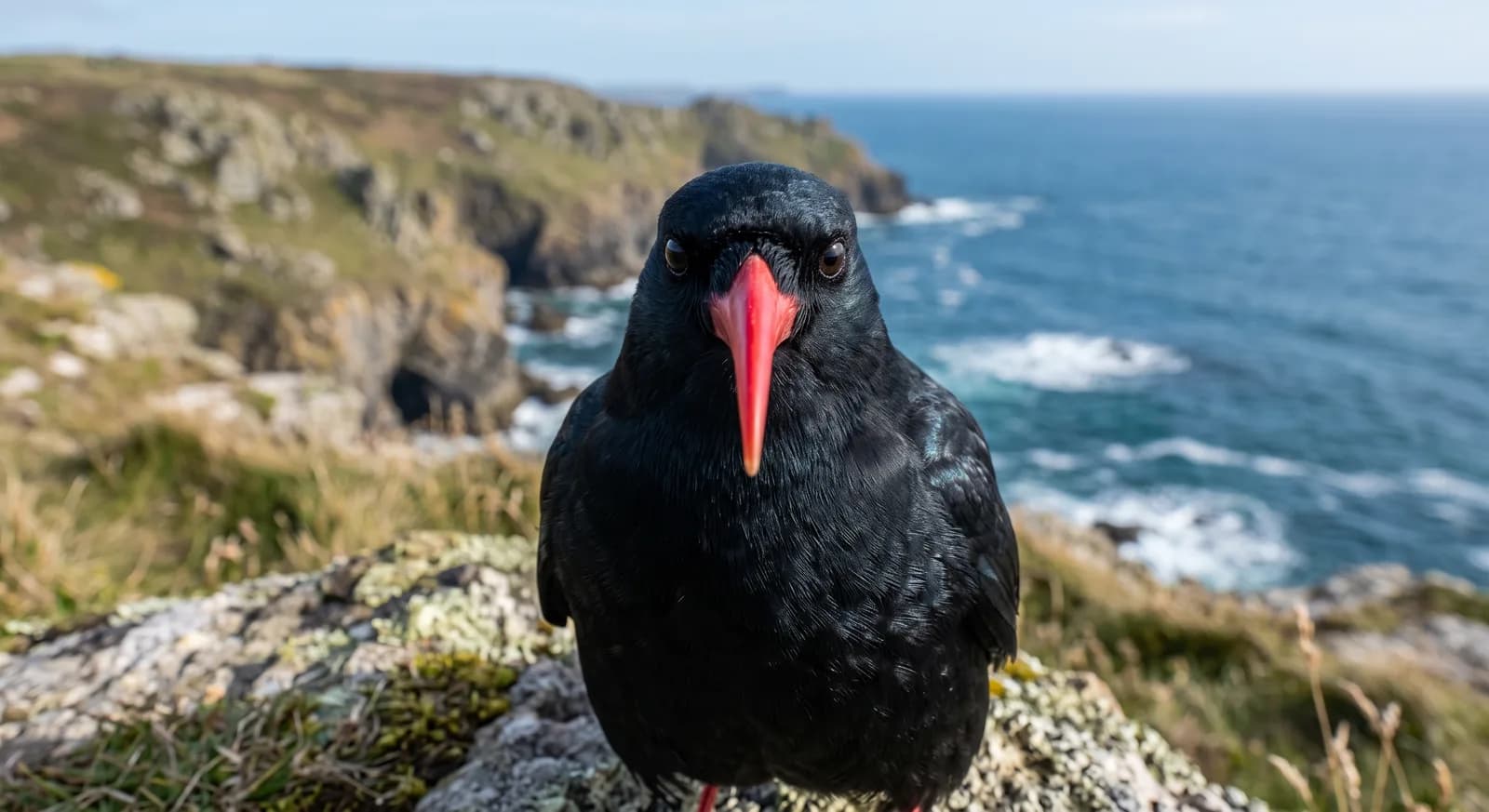
One of the 3 ibises on WAnimals
Birds · Pelecaniformes · Threskiornithidae
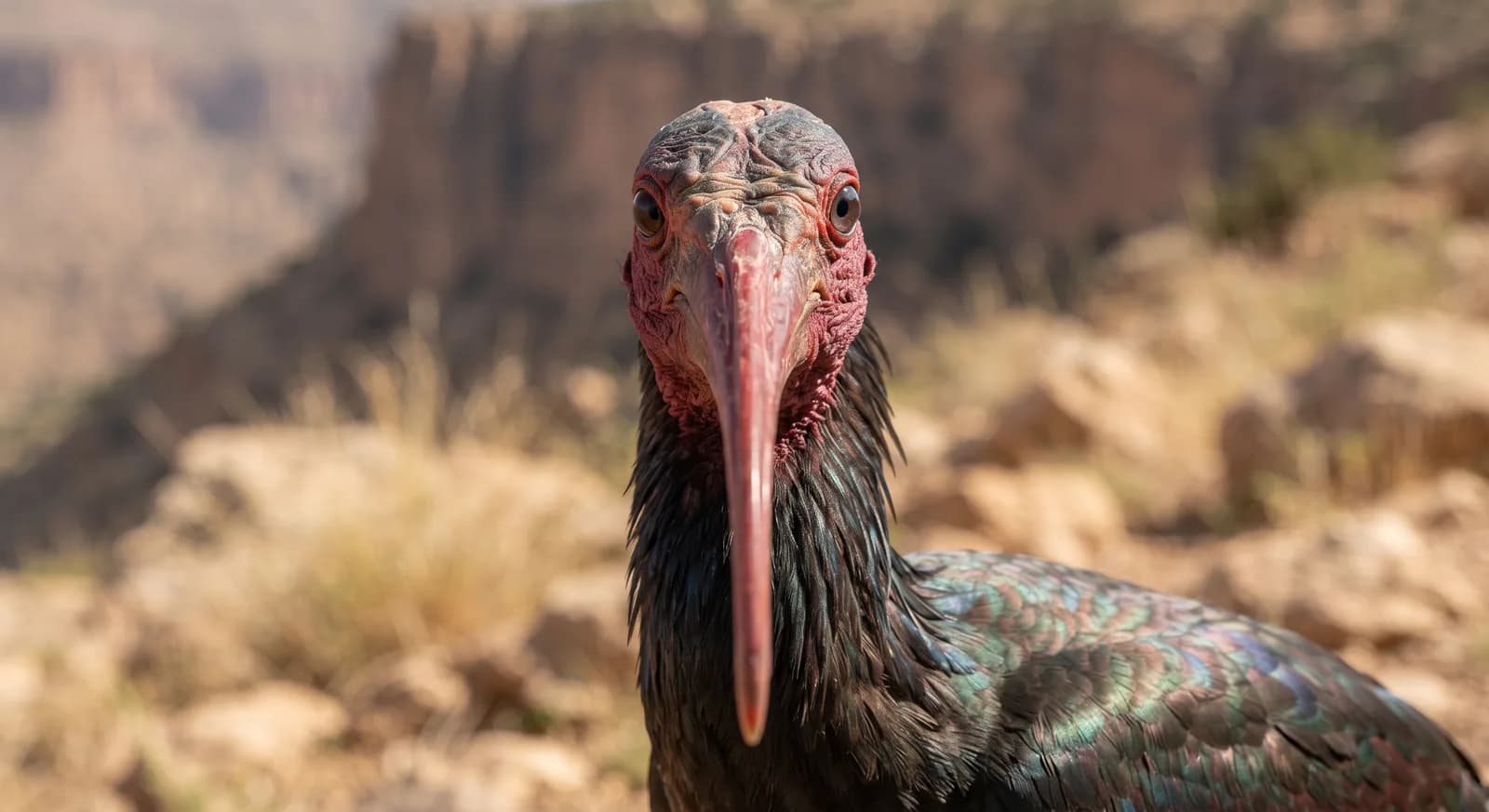
Geronticus eremita
At very high risk of extinction in the wild in the near future.
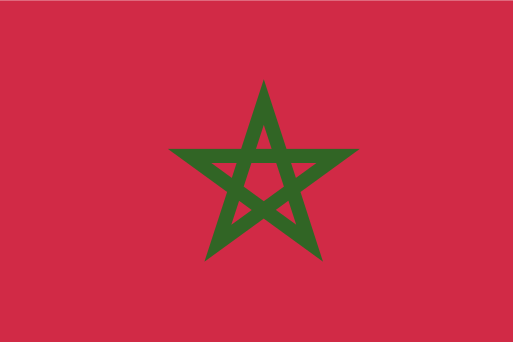
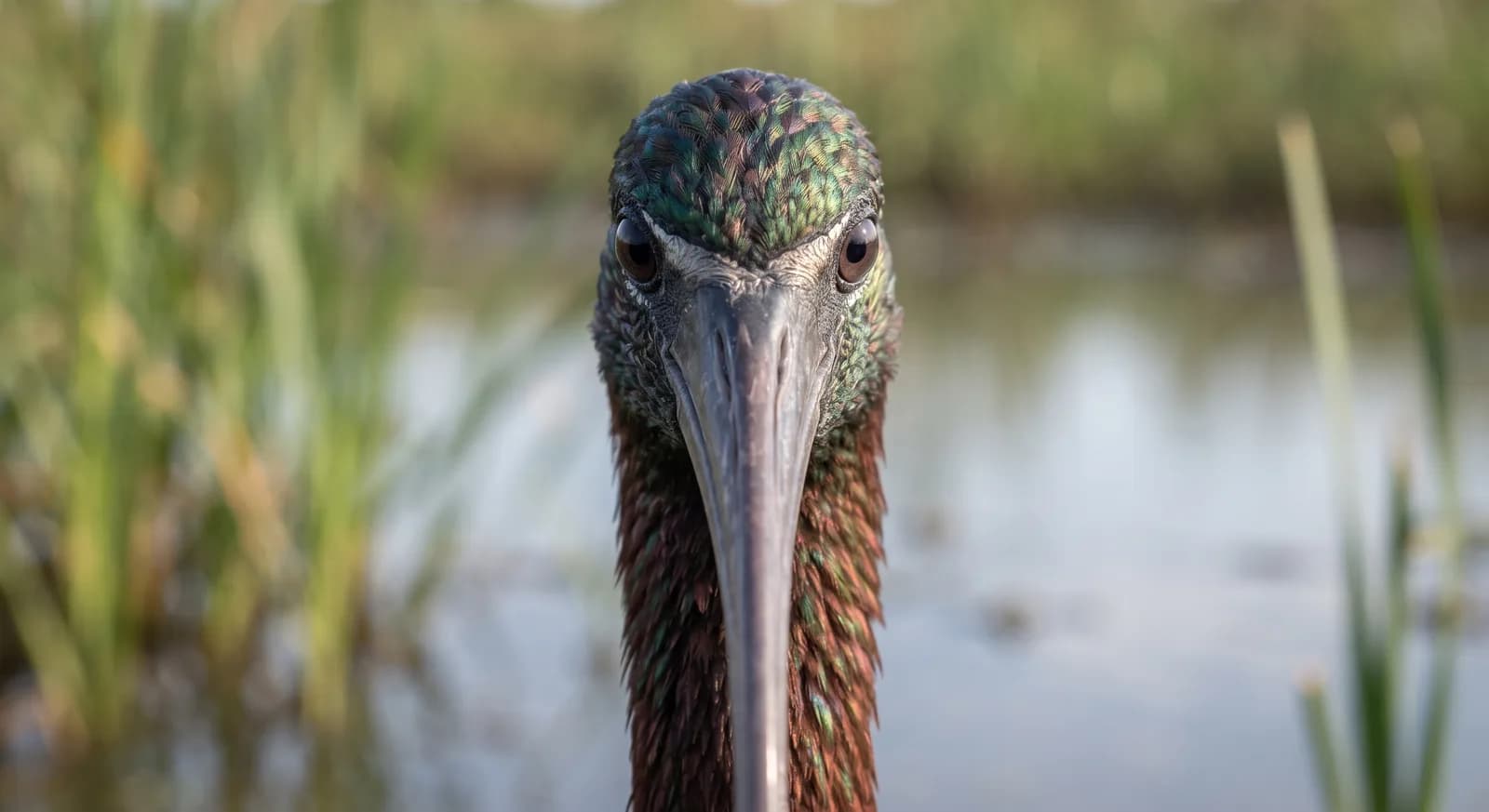
The northern bald ibis is a pelecaniform bird of the family Threskiornithidae native to Europe, the Near East and Africa. It is in danger of extinction and survives in the wild only in Morocco. It died out in Europe at the beginning of the early modern period, and later disappeared from Turkey as well, where it persisted until the late 20th century and from where it migrated to points in East Africa. There are conservation programmes in captivity and semi-captivity, and it has been reintroduced in southern Spain and Austria.
Weight
1 kg – 1.3 kg
Size
70 cm – 80 cm
Life expectancy
30 years
Diet
Insectivore
Feeds mainly on insects and other invertebrates.
Activity
Diurnal
Active mainly during the day.
Social structure
Colony
Lives in large concentrations, often for breeding reasons.
Estimated population
Around 700 wild individuals, most of them in Morocco
AI-generated images: illustrations, not photographs.
Sources consulted: Wikipedia (es): Geronticus eremita
The pins mark the parks where its presence is documented.
Parks and dive sites where this species has been documented.
Other species in the catalogue with the most in common with Northern Bald Ibis — same habitat, park, country, tags or family.
The northern bald ibis is classified as endangered. Organisations such as the IUCN, WWF and the Wildlife Conservation Society work specifically on its conservation and that of its habitat; looking into their programmes is a good starting point if you want to get involved.
It's documented in 3 protected areas — one reason why protecting these places matters for its conservation.
Based on what we already know about northern bald ibis.