 Endangered
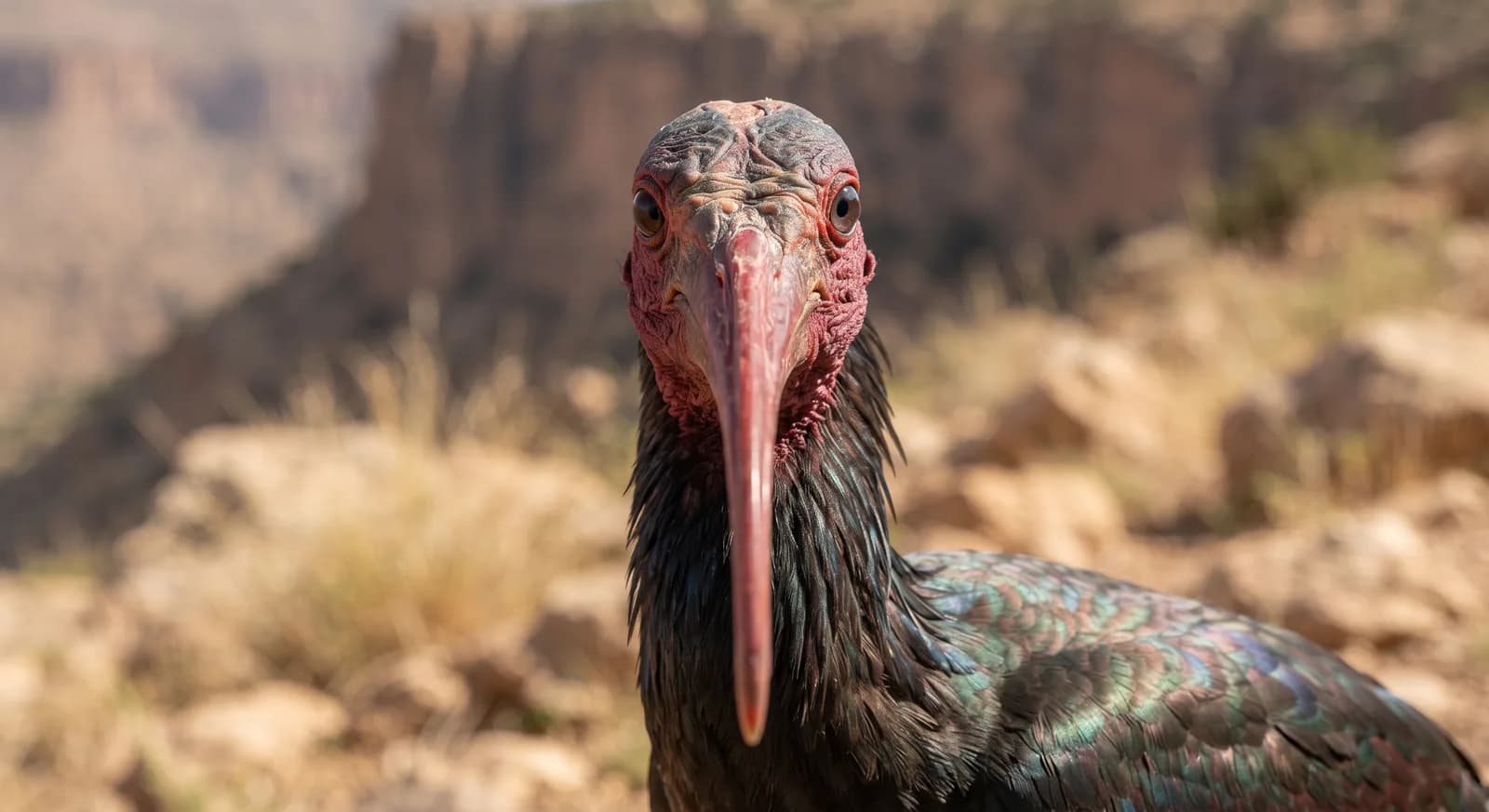
Northern Bald Ibis
Geronticus eremita
One of the 18 monkeys on WAnimals
Mammals · Primates · Cercopithecidae
Macaca sylvanus
At very high risk of extinction in the wild in the near future.
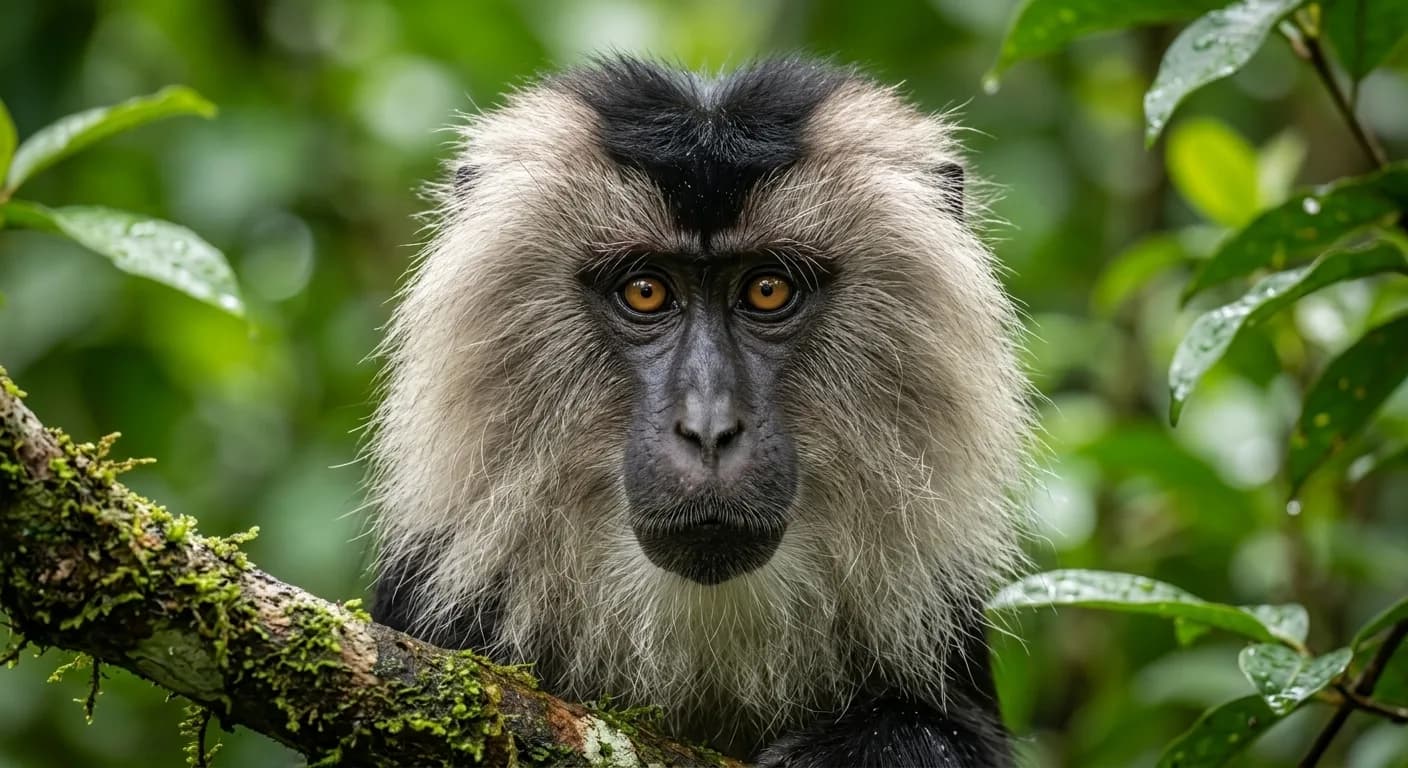
It is the only primate other than humans living wild in Europe, thanks to a population introduced centuries ago on the Rock of Gibraltar. It has no tail, a trait unique among macaques.
Weight
10 kg – 15 kg
Size
55 cm – 70 cm
Life expectancy
22 years
Diet
Omnivore
Combines animal and plant food depending on availability.
Activity
Diurnal
Active mainly during the day.
Social structure
Family group
Lives in small family groups with close bonds.
Sighting difficulty
Hard
Sources consulted: New England Primate Conservancy; University of Lincoln; AnAge; Zoo Barcelona; Animalia.bio; The Animal Facts; AnimalHub; PMC
Best time: All year round in the cedar and holm oak woods of the Moroccan and Algerian Atlas, by day; on Gibraltar the introduced population is watched without difficulty.
The pins mark the parks where its presence is documented.
Parks and dive sites where this species has been documented.
Other species in the catalogue with the most in common with Barbary Macaque — same habitat, park, country, tags or family.
The barbary macaque is classified as endangered. Organisations such as the IUCN, WWF and the Wildlife Conservation Society work specifically on its conservation and that of its habitat; looking into their programmes is a good starting point if you want to get involved.
It's documented in 6 protected areas — one reason why protecting these places matters for its conservation.
Based on what we already know about barbary macaque.
Share an experience, a fun fact or a tip for seeing the barbary macaque.
Be the first to comment.