Skip to content
WAnimals
  • Map
  • Species
  • Parks
  • Diving
Log inCreate account
WAnimals

The guide for travellers and animal lovers: discover, plan and share your wild adventures around the world.

Discover wildlife

  • Species
  • Ecosystems
  • Glossary
  • Tags

Explore places

  • Map
  • Countries
  • Parks
  • Diving

Plan experiences

  • Guides

Learn

  • Blog

Resources

  • About us
  • How we build our profiles
  • Help centre
  • Contact
  • Install the app

Follow us

Account

  • Log in
  • Create account

© 2026 WAnimals. All rights reserved.

Terms of servicePrivacyCookiesLegal notice
MapSpeciesParksDiving
  1. Home
  2. Species
  3. Lion-tailed Macaque

One of the 6 macaques on WAnimals
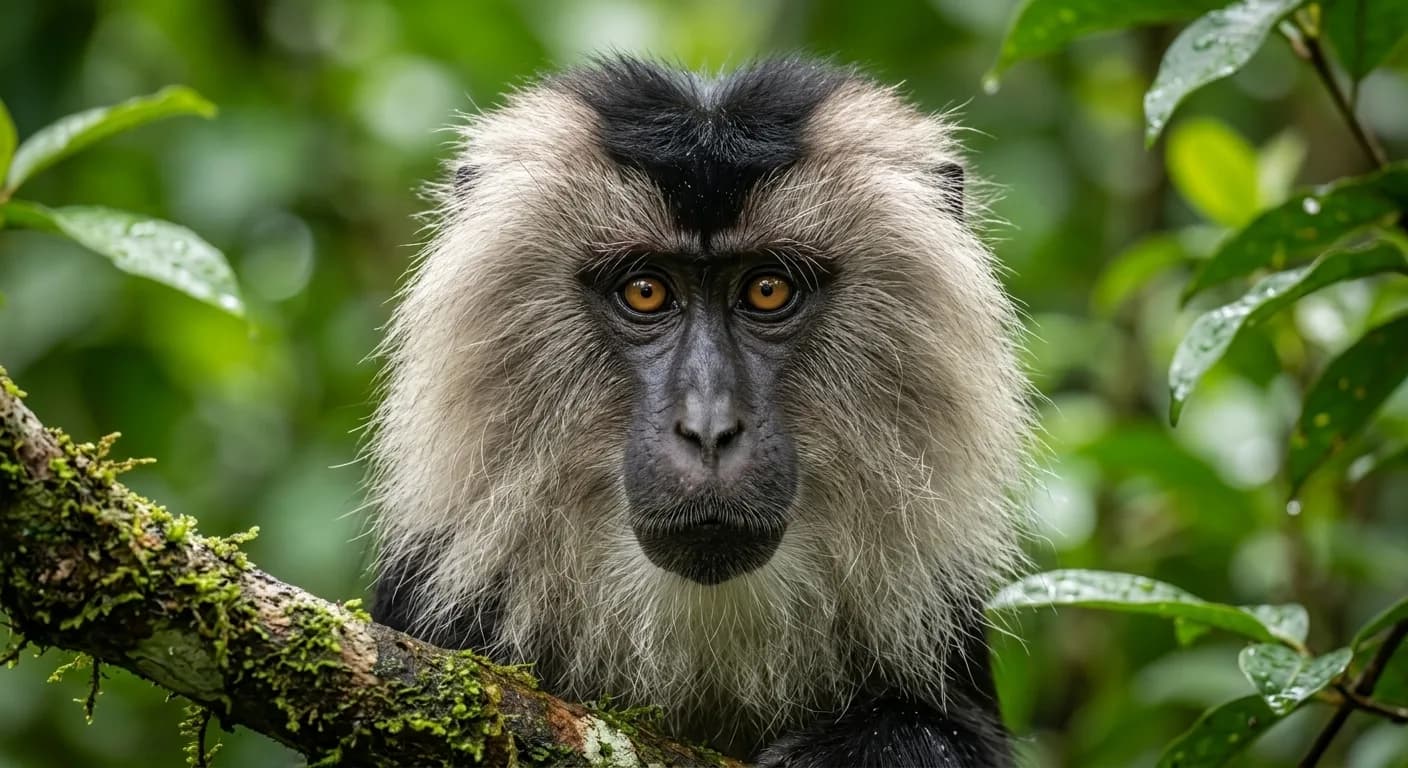
Lion-tailed Macaque (Macaca silenus)

Mammals · Primates · Cercopithecidae

Lion-tailed Macaque

Macaca silenus

Endangered

At very high risk of extinction in the wild in the near future.

Spotted something wrong?

The lion-tailed macaque or wanderoo is endemic to the rainforests of the Western Ghats of India. It is unmistakable: black fur, a spectacular silver-grey mane framing the face and a tail ending in a tuft like a lion's. It is the most arboreal of the macaques and also the most selective: it depends on the fruit of particular primary-forest trees, which leaves it unable to adapt to degraded woodland. Its habitat is fragmented into tiny patches among tea and coffee plantations.

Weight

3 kg – 10 kg

Size

45 cm – 61 cm

Life expectancy

30 years

Diet

Omnivore

Combines animal and plant food depending on availability.

Activity

Diurnal

Active mainly during the day.

Estimated population

Fewer than 4,000 mature individuals

RainforestMountain
1countries7parks44same family

AI-generated images: illustrations, not photographs.

Fun facts

  • It is one of the most arboreal and most demanding of the macaques: while other macaques thrive in temples and cities, this one does not survive outside the primary forest of the Ghats.
  • Its silver mane frames the face from the cheeks to the chin and keeps growing throughout life, at its most spectacular in adult males.

Life cycle and biology

Skeleton type
Vertebrate - internal bony skeleton (mammal)
Habitat and environment
Humid evergreen montane rainforest of the Western Ghats, in south-west India
Sexual maturity
3.9 years
Gestation / incubation
5.8 months
Litter / clutch size
1

Sources consulted: Wikipedia (es): Macaca silenus

Where to find it

Loading map…

The pins mark the parks where its presence is documented.

Where to see it

Parks and dive sites where this species has been documented.

Related species

Other species in the catalogue with the most in common with Lion-tailed Macaque — same habitat, park, country, tags or family.

Same taxonomic family
Shares a park
Shares a park
Same taxonomic family

How to help

The lion-tailed macaque is classified as endangered. Organisations such as the IUCN, WWF and the Wildlife Conservation Society work specifically on its conservation and that of its habitat; looking into their programmes is a good starting point if you want to get involved.

It's documented in 7 protected areas — one reason why protecting these places matters for its conservation.

Keep exploring

Based on what we already know about lion-tailed macaque.

Share an experience, a fun fact or a tip for seeing the lion-tailed macaque.
See full glossary
This page in other languages: Español · Deutsch · Français · Português · Italiano
See its range on the interactive map→
PeriyarIndia
Silent ValleyIndia
NagarholeIndia
EravikulamIndia
BandipurIndia
Western GhatsIndia
MudumalaiIndia
Nilgiri LangurVulnerable

Nilgiri Langur

Semnopithecus johnii

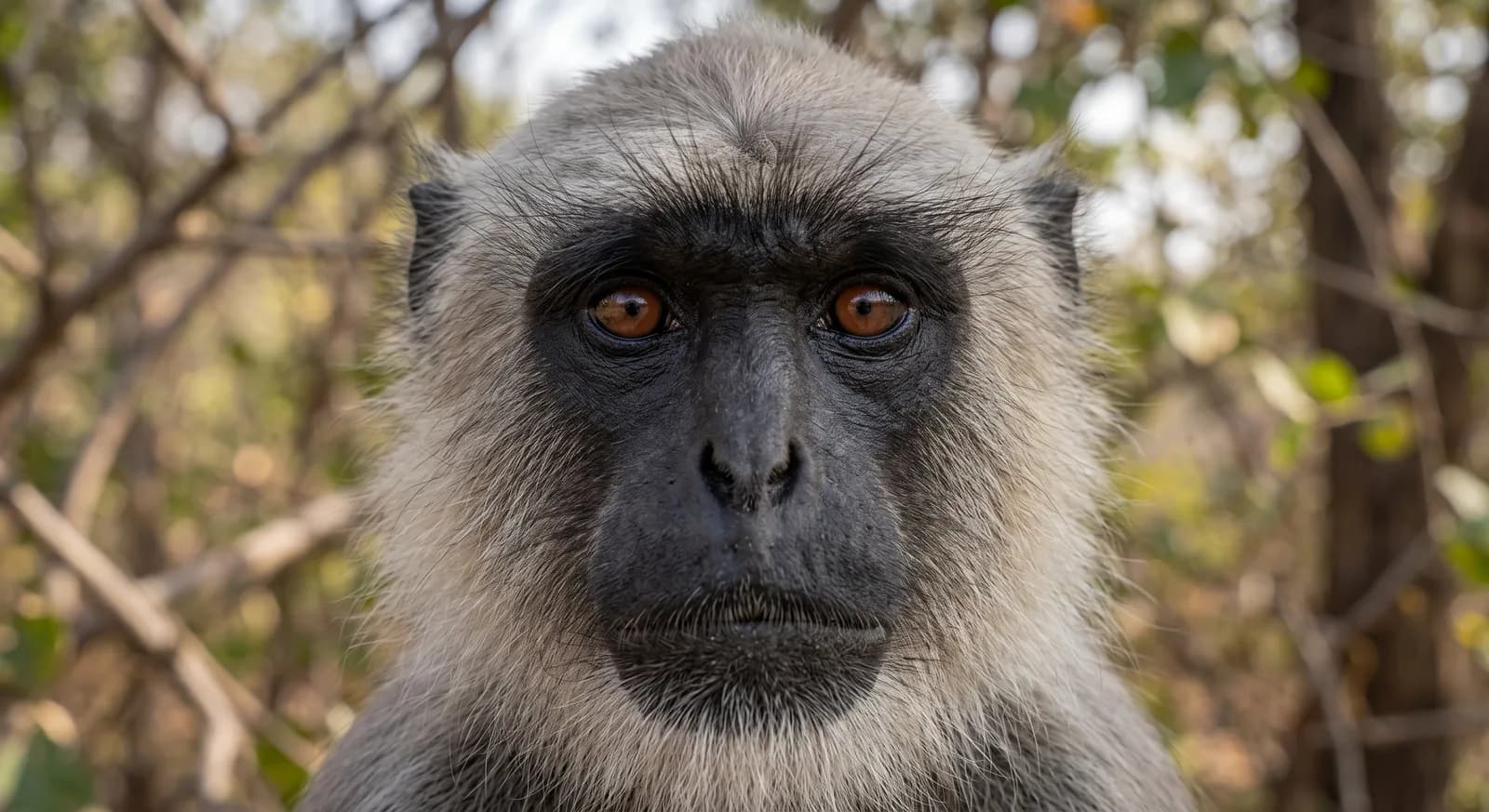
Northern Plains Gray LangurLeast Concern

Northern Plains Gray Langur

Semnopithecus entellus

Endangered

Phayre's Leaf-monkey

Trachypithecus phayrei

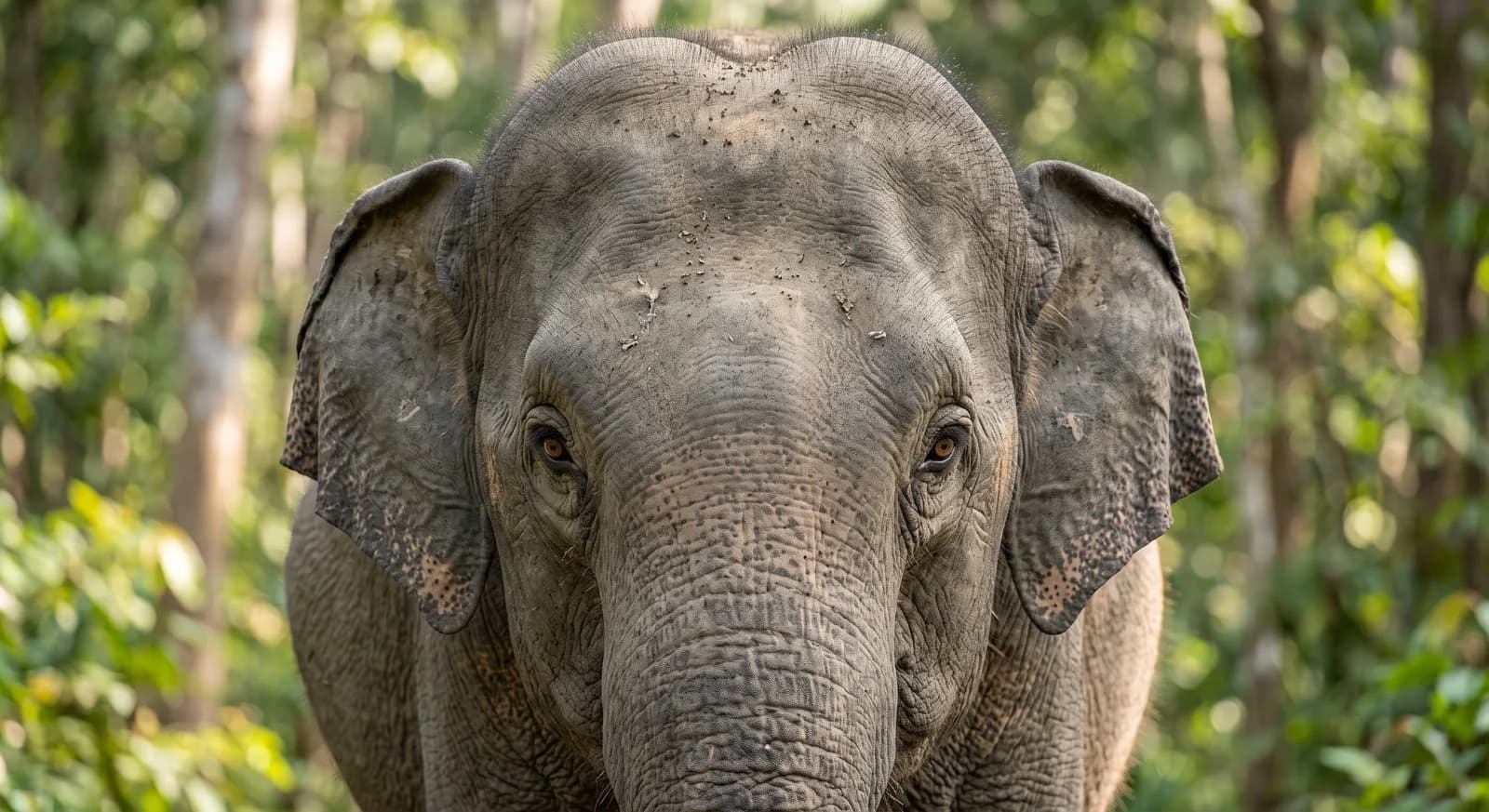
Asian ElephantEndangered

Asian Elephant

Elephas maximus

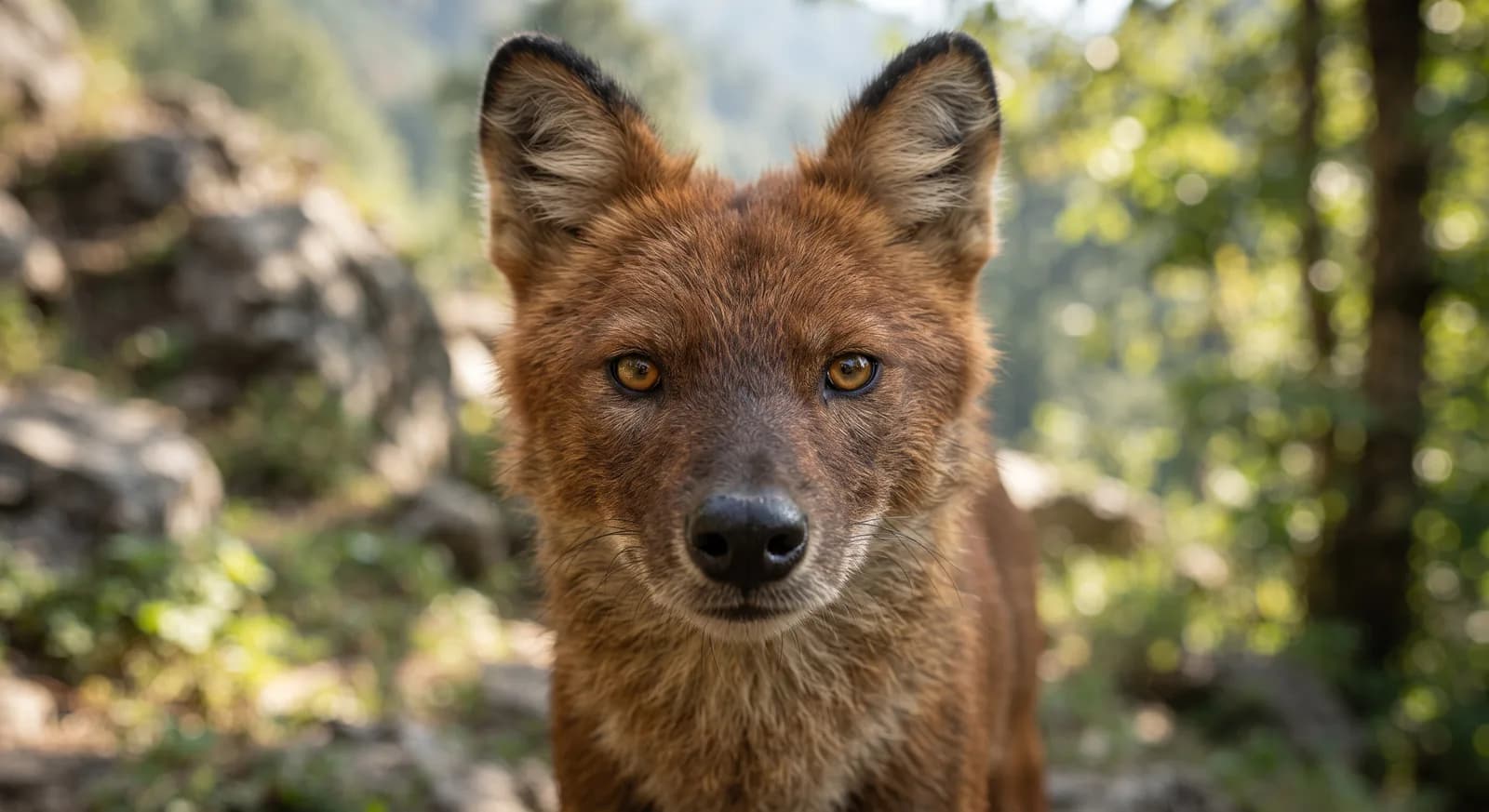
DholeEndangered

Dhole

Cuon alpinus

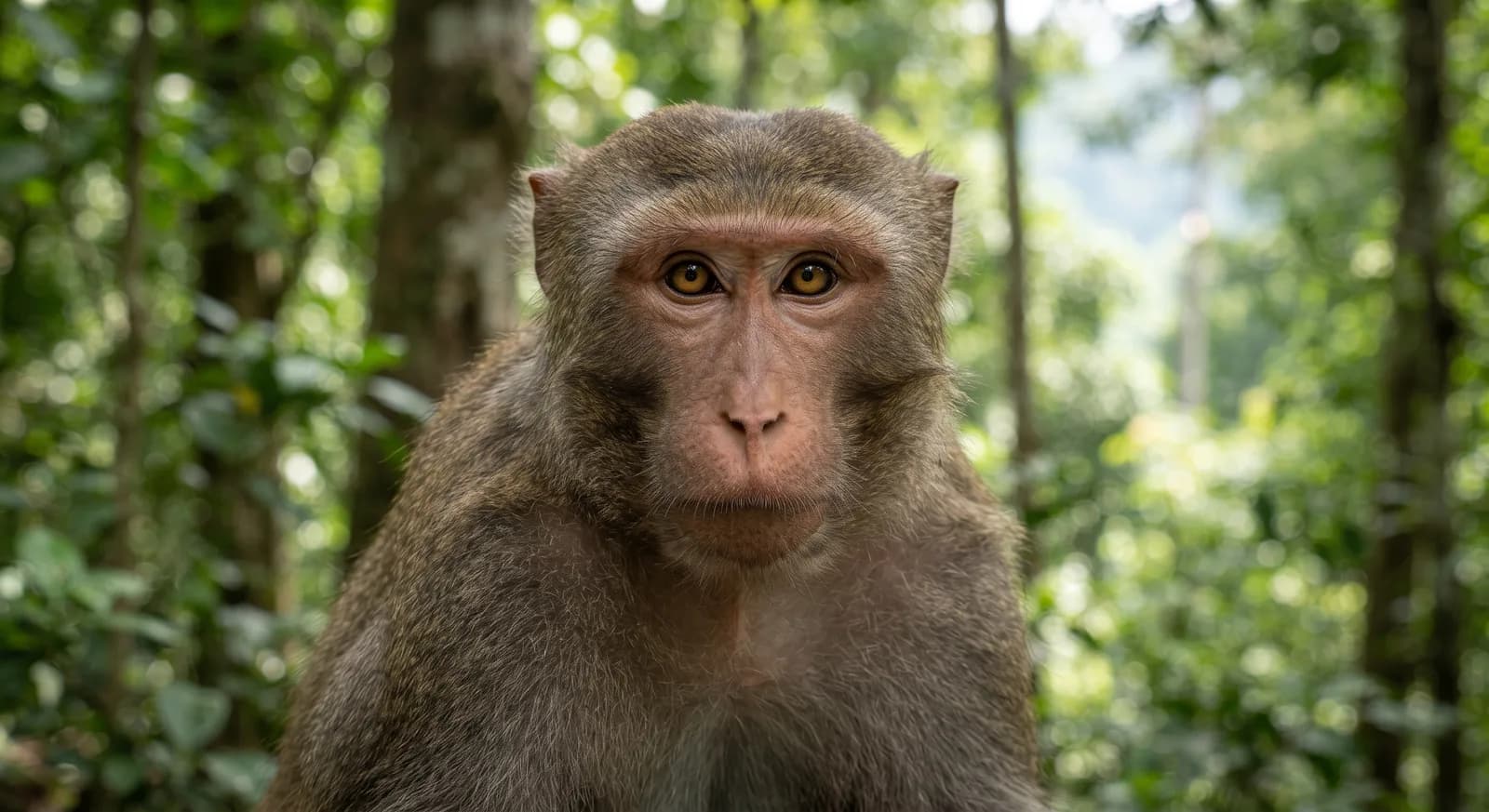
Rhesus MonkeyLeast Concern

Rhesus Monkey

Macaca mulatta

CountriesIndia
ParksPeriyarIndia
TagsHerbivore
Herbivore
Omnivore
Diurnal
Endangered
Rainforest
Mountain
Mammal
India